EN/
EN/ Romana
Rhapis excelsa D19cm - Eufloria
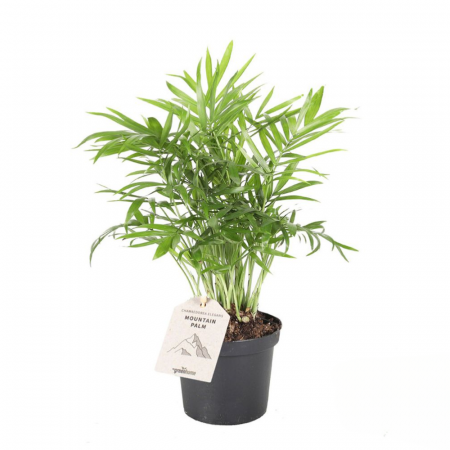
![Rhapis excelsa - Lady Palm, elegant indoor palm [1]](https://gomagcdn.ro/domains2/eufloria.ro/files/product/original/rhapis-excelsa-d19cm-eufloria-879956.jpg "Rhapis excelsa - Lady Palm, elegant indoor palm [1]")
Rhapis excelsa (Lady Palm) – Elegant indoor palm with glossy, dark green palmate leaves on slender stems covered with natural fibers. Native to southern China, tolerant to low light and low temperatures. Slow-growing, long-lived and refined. Perfect for offices, hallways and sophisticated interiors. Mildly toxic to pets.
This plant will be imported after you order. It has a minim mandatory quantity.: If you want to order fewer quantities, contact us for a personalized offer
Pot diameter: 19 cm
Total height (including pot): 105-125cm
Delivery date: 1-2 weeks
- Description
- Characteristics
- Reviews (0)
- FAQ
🌿 Oriental Elegance for Your Interior
Rhapis excelsa, also known as the Lady Palm or Bamboo Palm, is one of the most elegant and refined indoor palms available. With its palmate, glossy, dark green leaves harmoniously arranged on slender stems covered with brown fibers, this plant brings a touch of oriental sophistication to any space.
🌍 Origin and History
Native to southern China and Vietnam, Rhapis excelsa has been cultivated in Japanese and Chinese imperial gardens for centuries, where it was prized for its graceful form and ability to thrive indoors. The name "Lady Palm" reflects the delicacy and refinement of this species. It was introduced to Europe in the 18th century and has since become one of the most popular indoor palms worldwide.
🍃 Foliage
The leaves are what make Rhapis excelsa instantly recognizable. They are palmate (fan-shaped), with 5-8 broad segments with blunt-cut tips, in a brilliant dark green. Each leaf is carried on a long, slender petiole, creating an elegant tropical canopy effect. The leaf texture is slightly undulating, and their natural sheen adds vitality to any space.
🌱 Care Requirements
Light: Prefers moderate to bright indirect light. Tolerates partial shade and even low light conditions excellently, making it ideal for offices and hallways. Avoid strong direct sun which can burn the leaves.
Water: Keep the soil slightly moist but not waterlogged. Water when the top layer of soil (2-3 cm) has dried. Reduce watering in winter. Does not tolerate prolonged dry soil nor excess water.
Temperature: Comfortable at 16-27°C. Tolerates low temperatures down to 5°C for short periods, making it one of the most cold-hardy indoor palms.
Humidity: Prefers moderate humidity but adapts well to dry indoor air. Occasional misting helps maintain healthy leaves.
Botanical Information: Family: Arecaceae | Genus: Rhapis | Species: Rhapis excelsa (Thunb.) A.Henry | Common Names: Lady Palm, Bamboo Palm, Broadleaf Lady Palm | Type: Evergreen Perennial Palm | Native Range: Southern China, Vietnam | Indoor Height: 1-3 meters | Growth Rate: Slow
Denumire: Rhapis
Cerinte Lumina: Lumina indirecta
Tip Planta: Palmier
What light does Rhapis excelsa need?
Rhapis excelsa prefers moderate to bright indirect light, but stands out as one of the most shade-tolerant indoor palms. It thrives in filtered light and adapts excellently to low light conditions, making it ideal for offices with artificial lighting, hallways, and less illuminated corners. Avoid strong direct sunlight which can burn the leaves, causing brown spots. Morning light is well tolerated, but strong afternoon sun should be avoided. Periodic rotation of the pot ensures even leaf growth.
How often should I water Rhapis excelsa?
Rhapis excelsa prefers slightly moist but not waterlogged soil. Water when the top 2-3 cm of soil has dried – usually every 7-10 days in summer and every 2-3 weeks in winter. Unlike many tropical palms, Rhapis tolerates slightly moist soil better than prolonged drought periods. However, excess water remains harmful – ensure the pot has adequate drainage and never let the plant sit in standing water. Leaves with brown tips may indicate air that is too dry or insufficient watering, while yellow leaves suggest overwatering.
Is Rhapis excelsa toxic to pets?
Rhapis excelsa is considered one of the safest indoor palms. According to ASPCA, palms of the Rhapis genus are not listed among highly toxic plants. However, ingestion of leaves may cause mild gastrointestinal irritation in cats and dogs, including nausea or mild vomiting. The leaves are not particularly attractive to animals, but as a general precaution, it is recommended to position the plant in a less accessible location for curious pets. For humans, the plant is considered safe and does not cause allergic reactions when handled.
Does Rhapis excelsa purify indoor air?
Yes, Rhapis excelsa was included in the famous 1989 NASA Clean Air Study, where it proved to be one of the most effective plants for removing pollutants from indoor air. The study showed that Rhapis excelsa helps reduce levels of formaldehyde, ammonia, and xylene – common chemicals found in building materials, furniture, cleaning products, and office equipment. While the practical benefits in real home conditions are modest (many plants would be needed for significant purification), Rhapis excelsa remains a popular choice for those interested in indoor air quality, combining aesthetic benefits with functional ones.
How fast does Rhapis excelsa grow?
Rhapis excelsa is a slow-growing plant, making it ideal for indoor spaces – it won't quickly outgrow its allocated space. Under optimal indoor conditions, you can expect growth of approximately 10-20 cm per year. The plant can reach heights of 1-3 meters indoors over many years. The slow growth rate means repotting is rarely needed – usually every 3-5 years. Rhapis excelsa spreads through rhizomes, producing new stems that grow around the mother plant, gradually creating a dense, full bush. This is actually a desirable quality, as the plant becomes increasingly impressive with age.
Why do the leaves of Rhapis excelsa have brown tips?
Brown tips on Rhapis excelsa leaves are one of the most common issues and can have several causes. The most common is air that is too dry – Rhapis prefers moderate humidity, and dry air from heated or air-conditioned apartments can cause tip drying. Regular misting with water or placing a humidifier nearby helps. Other causes include insufficient watering (soil dries out too much between waterings), mineral salt buildup from tap water (use filtered water or water left to stand for 24 hours), excessive fertilization, or exposure to direct sun. Trim brown tips with sharp scissors for a tidy appearance.