EN/
EN/ Romana
Monstera deliciosa D19cm - Eufloria
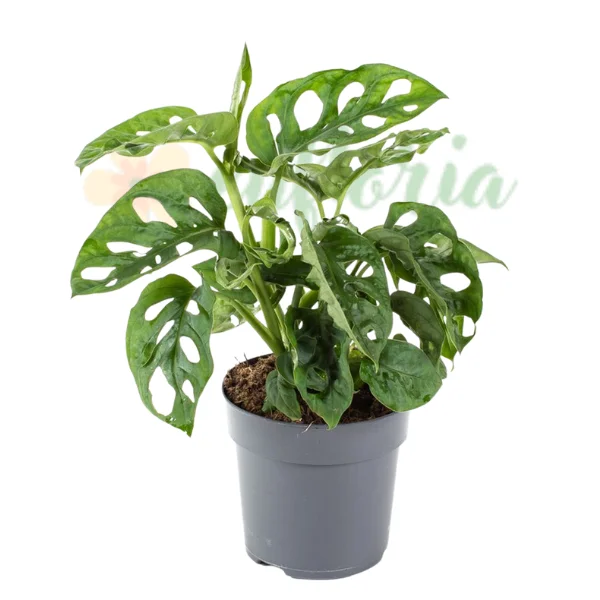
![Monstera deliciosa - tropical houseplant with fenestrated leaves [1]](https://gomagcdn.ro/domains2/eufloria.ro/files/product/original/monstera-deliciosa-d19cm-eufloria-946325.jpg "Monstera deliciosa - tropical houseplant with fenestrated leaves [1]")
Monstera deliciosa – the iconic plant with large fenestrated leaves, symbol of tropical style. Grows vigorously, with spectacular leaves that develop splits and perforations as they mature. Prefers bright indirect light, temperatures of 18–28°C, and moderate watering. Note: toxic to pets and children if ingested.
Approx height (including pot): 80 cm
This plant will be imported after you order. It has a minim mandatory quantity.: If you want to order fewer quantities, contact us for a personalized offer
Pot diameter: 19 cm
Delivery date: 1-2 weeks
- Description
- Characteristics
- Reviews (0)
- FAQ
🌿 Monstera deliciosa – The Tropical Icon with Fenestrated Leaves
Monstera deliciosa is, without exaggeration, one of the most iconic houseplants in the world. Its large leaves, with their characteristic splits and perforations (called fenestrations), have become a universal symbol of tropical style and contemporary interior design. Native to the tropical forests of Central America, this plant grows vigorously, combining visual spectacle with surprisingly simple care.
🌍 Origins & Botanical History
Monstera deliciosa originates from the humid tropical forests of southern Mexico and Central America, where it grows as a climbing plant on the trunks of large trees. It belongs to the Araceae family, genus Monstera, which comprises approximately 50 species. The name “deliciosa” refers to the edible fruits it produces in its natural habitat, with a flavour described as a mix of pineapple and banana. The name “Monstera” comes from the Latin word for “monster”, referring to the impressive size of its leaves.
🌿 Foliage – Natural Works of Art
The leaves are the iconic feature of this plant. At maturity, they can exceed 50 cm in diameter and display the fenestrated splits and perforations that made this plant famous. The fenestrations serve a functional role in nature: they allow light to reach lower leaves and reduce resistance to strong tropical winds.
Young leaves are heart-shaped and entire, without splits – fenestrations appear as the plant matures, especially with sufficient light. The colour is an intense, glossy green with a firm, waxy texture.
🌱 Growth Habit & Development
Monstera deliciosa has a climbing growth habit, with aerial roots that in nature cling to trees. Indoors, it can reach 150–300 cm with adequate support (a moss pole or stake). Growth is moderate to fast, with new leaves appearing every few weeks during the growing season. It prefers bright indirect light, temperatures of 18–28°C, moderate humidity, and watering when the top layer of soil has dried out.
✨ Why Choose Monstera deliciosa from Eufloria?
At Eufloria, every plant is carefully selected from trusted European growers. The Monstera deliciosa you receive will be healthy, with well-developed leaves, ready to bring the spirit of the tropics into your home.
Lungime: 40 cm
Greutate (kg): 5 kg
Denumire: Monstera
Diametru: 19 cm
Cerințe lumină: Partial umbra
Tip plantă: Decorative
Utilizare: Interior
Tip suport: Ghiveci
Material Suport: Plastic
Is Monstera deliciosa toxic to pets?
Yes, Monstera deliciosa is toxic to cats and dogs. All parts of the plant contain calcium oxalate crystals that can cause oral irritation, excessive drooling, difficulty swallowing and vomiting. It is recommended to place the plant in an area inaccessible to pets and to supervise any interactions.
How often should I water a Monstera deliciosa?
Monstera deliciosa prefers slightly moist soil but never waterlogged. Water the plant when the top 2-3 cm of soil have dried out completely. Generally, this means once a week in summer and every 10-14 days in winter. Make sure the pot has adequate drainage to prevent water from stagnating at the roots, which can cause root rot.
What kind of light does Monstera deliciosa need?
Monstera deliciosa thrives in bright to moderate indirect light. Avoid direct sunlight, which can scorch the leaves. The plant also tolerates lower light conditions, but growth will be slower and leaves will develop fewer fenestrations. A spot near an east or north-facing window, or a few meters from a south-facing window with a curtain, is ideal.
Does Monstera deliciosa need a climbing support?
Yes, Monstera deliciosa is a climbing plant in its natural habitat and benefits greatly from a support. A moss pole or coconut fiber support helps the plant grow vertically, stimulates the development of larger and more fenestrated leaves, and prevents disorderly growth. Without a support, the plant tends to spread horizontally and produce smaller leaves.
Why don't my Monstera's leaves have holes or splits?
Fenestrations (the characteristic holes and splits) appear as the plant matures. Young leaves are usually whole, without perforations. Fenestrations typically begin to appear after the plant is 2-3 years old or when it develops leaves with a diameter over 30 cm. To encourage fenestration development, provide bright indirect light, a climbing support, and regular fertilization during the growing season.
What is the difference between Monstera deliciosa and Monstera adansonii?
Monstera deliciosa and Monstera adansonii are different species with distinct characteristics. Monstera deliciosa has much larger leaves (up to 60-90 cm), with splits on the edges and central perforations, and grows as an imposing plant. Monstera adansonii (also known as "Swiss Cheese Vine") has smaller leaves (10-25 cm), with many oval perforations that do not reach the leaf edge, and has a more cascading growth habit, suitable for hanging baskets.
How do you care for Monstera deliciosa?
Monstera deliciosa prefers indirect light, well-drained soil and moderate watering. Let the soil partially dry between waterings. Provide a climbing support and mist the leaves regularly.
Why doesn't my Monstera have split leaves?
Monstera leaves develop fenestrations (holes) as the plant matures and receives enough light. Young plants have whole leaves. Provide bright indirect light to encourage fenestrations.
How big does Monstera grow indoors?
Monstera deliciosa can reach 2-3 m in height indoors with a climbing support. Leaves can become very large (40-60 cm). It is a vigorously growing plant.
How do you propagate Monstera deliciosa?
Monstera is easily propagated through stem cuttings with at least one node and an aerial root. Place the cutting in water or moist substrate until rooting.
Recommendations
Ai nevoie și de un ghiveci decorativ?