EN/
EN/ Romana
Philodendron pedatum 'Glad Hands' Ø12cm
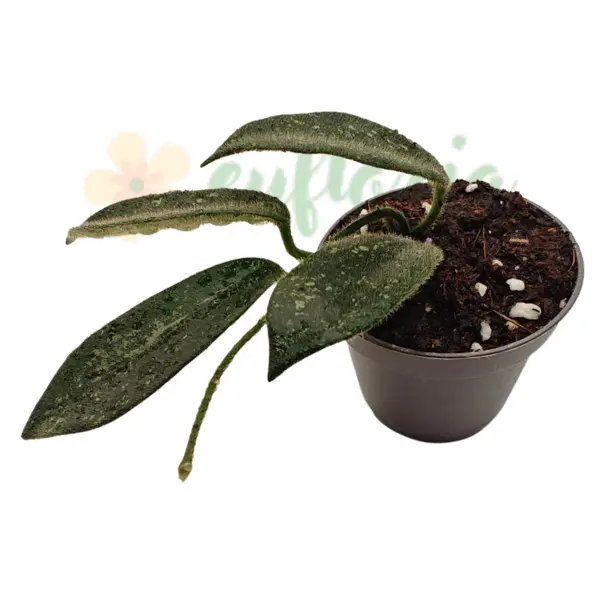
![Philodendron pedatum 'Glad Hands' — palmate green leaves with 5-7 elongated lobes, Ø12cm pot Eufloria [0]](https://gomagcdn.ro/domains2/eufloria.ro/files/product/medium/philodendron-pedatum-glad-hands-358560.png "Philodendron pedatum 'Glad Hands' — palmate green leaves with 5-7 elongated lobes, Ø12cm pot Eufloria [0]")
![Philodendron pedatum 'Glad Hands' — palmate green leaves with 5-7 elongated lobes, Ø12cm pot Eufloria [1]](https://gomagcdn.ro/domains2/eufloria.ro/files/product/medium/philodendron-pedatum-glad-hands-524292.png "Philodendron pedatum 'Glad Hands' — palmate green leaves with 5-7 elongated lobes, Ø12cm pot Eufloria [1]")
![Philodendron pedatum 'Glad Hands' — palmate green leaves with 5-7 elongated lobes, Ø12cm pot Eufloria [1]](https://gomagcdn.ro/domains2/eufloria.ro/files/product/original/philodendron-pedatum-glad-hands-358560.png "Philodendron pedatum 'Glad Hands' — palmate green leaves with 5-7 elongated lobes, Ø12cm pot Eufloria [1]")
![Philodendron pedatum 'Glad Hands' — palmate green leaves with 5-7 elongated lobes, Ø12cm pot Eufloria [2]](https://gomagcdn.ro/domains2/eufloria.ro/files/product/original/philodendron-pedatum-glad-hands-524292.png "Philodendron pedatum 'Glad Hands' — palmate green leaves with 5-7 elongated lobes, Ø12cm pot Eufloria [2]")
Philodendron pedatum 'Glad Hands' — cultivar with deeply cut palmate leaves in 5-7 elongated lobes resembling open hands. Climbing plant for moss pole. Humidity 60-80%, indirect light, 18-27°C. Sculptural species for collectors.
Approx height (including pot): 35 cm
Pot diameter: 12 cm
- Description
- Characteristics
- Reviews (0)
- FAQ
🌿 Philodendron pedatum 'Glad Hands' — the glad hands of South American forests
Philodendron pedatum 'Glad Hands' is one of the most distinctive Philodendron cultivars, poetically named after the unique shape of its leaves that resemble open hands, ready to embrace the tropical light. With its deeply cut and elongated lobes, this variety brings to the home an air of authentic and refined tropicalness that few plants can equal.
The palmate leaves, with 5-7 distinct lobes, unfold gracefully from a strong central vein, each lobe having a slightly sharp tip and subtly wavy edges. Intense green with glossy reflections, each leaf seems masterfully sculpted, and as the plant matures, new leaves become larger and more divided, revealing the distinct shape that gave the cultivar its name.
As a natural climbing plant, Philodendron pedatum 'Glad Hands' thrives with a moss pole or bark column, producing increasingly impressive leaves as it climbs. It is the ideal choice for collectors who appreciate unusual botanical shapes and for lovers of Philodendrons with distinctive sculptural character.
🌍 Botanical Origin and History
Philodendron pedatum is an authentic species native to tropical South America — especially Brazil, Colombia, Venezuela and Peru — where it grows as a hemiepiphytic climbing plant on tree trunks in humid tropical forests. It was first discovered and scientifically described by Austrian botanist Heinrich Wilhelm Schott in 1829, and the name "pedatum" refers to the palmate shape of the leaves, similar to a bird's foot.
The 'Glad Hands' cultivar is a specific selection of the species, developed for the particular shape and size of leaves with more accentuated lobes and more elongated "fingers". The name reflects the striking resemblance to open glad hands.
The Araceae family, to which the Philodendron genus belongs, comprises over 3,700 species distributed predominantly in tropical areas. The Philodendron genus includes approximately 500 species. In its natural habitat, P. pedatum climbs tree trunks in humid forests with atmospheric humidity above 80%, adapting its leaf shape to maximize capture of filtered light.
🌱 The Palmate Foliage
The foliage of Philodendron pedatum 'Glad Hands' is its unique visual signature. The leaves are deeply cut, palmate, with 5-7 main lobes that gracefully extend from a central vein. The lobes are elongated, with sharp tips and subtly wavy edges, and some lobes may have secondary sub-lobes, adding visual complexity.
The size of juvenile leaves is 10-15 cm, and as the plant matures and gains vertical support, new leaves can reach 25-40 cm in length. The color is intense uniform green, with a slightly leathery texture and glossy surface that reflects light elegantly.
The petioles are robust and relatively long, green with slight brown hues at the base, supporting the leaves in a vertical position. The plant develops aerial roots at nodes along the stem, which help with climbing and capturing atmospheric moisture.
🌸 The Flowers
Philodendron pedatum 'Glad Hands' blooms very rarely in indoor culture. The Flowers are typical Araceae — a cylindrical spadix wrapped in a cream-green or slightly violet spathe. They are not fragrant and appear only on very mature plants.
The plant's attraction is exclusively the spectacular palmate foliage, and flowering is considered a rare bonus for collectors. Natural pollination in the wild is carried out by specialized beetles.
Reproduction is done exclusively by vegetative propagation (cuttings), to preserve the characteristics of the 'Glad Hands' cultivar.
🌱 Growth Habit and Care
Philodendron pedatum 'Glad Hands' is a moderately demanding plant, suitable for intermediate growers. Growth is moderate, with new leaves every 3-4 weeks. The plant is a climber and BENEFITS greatly from a moss pole for the development of larger and more divided leaves.
Essential requirements:
- Light: medium to bright indirect. East or south-east windowsill. Avoid direct sun.
- Temperature: 18-27°C optimal; does not tolerate below 13°C.
- Watering: moderate — when the top 3-4 cm are dry. Every 7-10 days in summer, every 10-14 days in winter.
- Humidity: 60-80% ideal — humidifier recommended.
- Substrate: well-drained, airy — universal substrate + perlite (25%) + pine bark (15%).
- Support: moss pole for optimal development of large leaves.
- Fertilization: every 3-4 weeks during growing season with balanced fertilizer diluted by half.
- Propagation: by tip cuttings with aerial roots.
🌿 Why Choose Philodendron pedatum 'Glad Hands'
It is the ideal choice for collectors who appreciate Philodendrons with unique and sculptural silhouette. The spectacular palmate shape of the leaves creates an elegant natural focal point in any arrangement, fitting perfectly in modern, tropical-chic or boho interiors. With proper care and appropriate support, the plant will develop increasingly impressive leaves, becoming a piece of pride in your botanical collection.
📅 Seasonal Rhythm and Annual Care
Philodendron pedatum 'Glad Hands' follows a subtle but important seasonal rhythm worth understanding for long-term successful cultivation. Spring (March-May) marks the start of active growth — you will notice new buds forming at the tips of climbing stems, and plants respond excellently to a slight increase in fertilization and to moving into a wider pot if roots have completely filled the current container. This is also the ideal moment to check the moss pole and rehydrate it if it dried out during the cold period.
Summer (June-August) is the period when the plant produces its largest and most well-divided leaves, taking advantage of long days and higher outdoor humidity. If possible, move the plant to a sheltered balcony or greenhouse, away from direct sun but in abundant filtered light — new leaves will surprise with their size and lobe definition. Watering can become more frequent, and fertilization should be maintained every 2 weeks to support the accelerated leaf production rhythm.
Autumn and Winter (September-February) bring a natural slowdown: the plant produces fewer new leaves, while existing ones focus on maturation and consolidation. Reduce fertilization to once a month or even stop completely in December-January, reduce waterings by approximately 30%, and move the plant to a room with stable temperature, away from cold air sources or direct heat. This is also the ideal time for preventive maintenance — leaf cleaning, aerial root inspection, moss pole adjustment.
🌿 Complementary Plants for Your Collection
Philodendron pedatum 'Glad Hands' integrates harmoniously alongside other aroid plants that appreciate similar conditions. An ideal partner is Monstera deliciosa or Monstera adansonii — both require the same intense filtered light, moderate-to-high humidity, and moss poles to express their visual potential. Together they create a spectacular "tropical corner" with fascinating variations in leaf form.
For visual contrast, combine it with species featuring more delicate and textured foliage: Calathea (orbifolia or makoyana), Maranta leuconeura, or Stromanthe sanguinea Triostar. Plants from the Marantaceae family bring color and movement — their leaves rise in the evening and lower in the morning, offering a living spectacle even without flowers. All these species require similar humidity and thrive in the same indirectly bright rooms.
Lungime: 30 cm
Greutate (kg): 0.5 Kg
Denumire: Philodendron
Cerințe lumină: Partial umbra
Tip plantă: Decorative
Utilizare: Interior
Tip suport: Ghiveci
Material Suport: Plastic
Why do the leaves have a hand shape?
Why does it need a support?
How to water correctly?
Is P. pedatum 'Glad Hands' toxic?
How to make a cutting from 'Glad Hands'?
Ai nevoie și de un ghiveci decorativ?