EN/
EN/ Romana
Hoya verticillata 'Tanggamus'
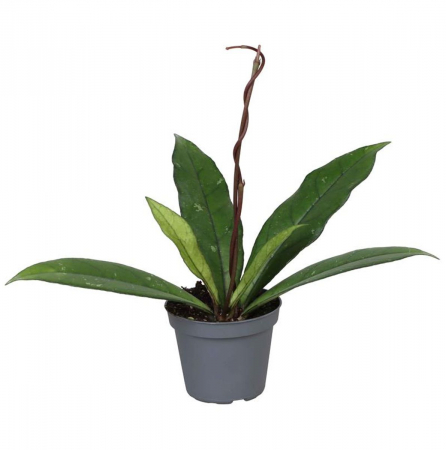
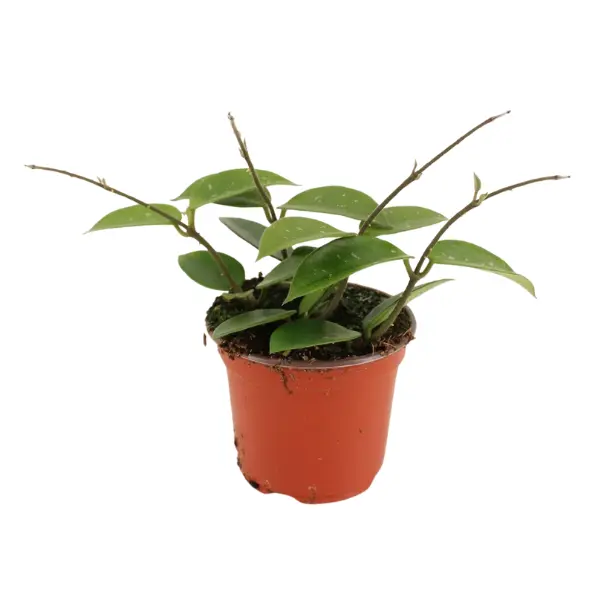
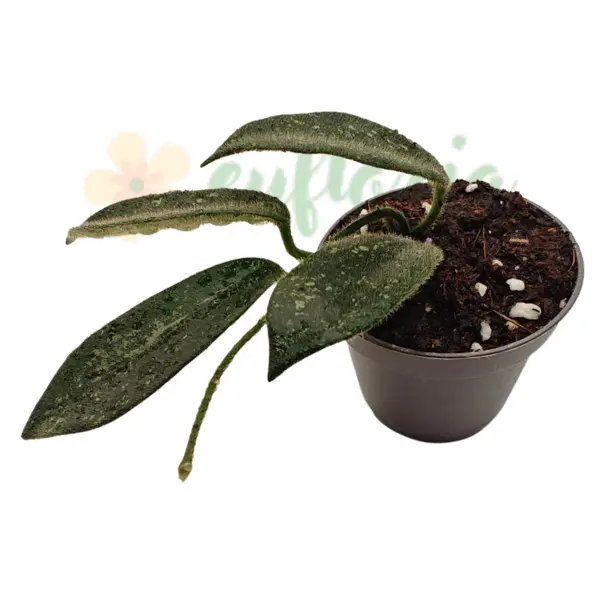
![Hoya verticillata Tanggamus with glossy green oval leaves, tropical collector plant in pot [1]](https://gomagcdn.ro/domains2/eufloria.ro/files/product/original/hoya-sp-tanggamus-black-margin-copie-925255.webp "Hoya verticillata Tanggamus with glossy green oval leaves, tropical collector plant in pot [1]")
Hoya verticillata 'Tanggamus' is a sought-after collector's Hoya originating from the Tanggamus region of southern Sumatra, Indonesia. It features elegant, deep green oval leaves with a subtle glossy sheen, carried on graceful trailing stems. When mature, it produces stunning spherical clusters of creamy white, waxy flowers with a delicate pink centre and a sweet evening fragrance that fills the room.
Flowering state: No flowers
Country of origin: Indonesia
Pot diameter: (no pot)
Nodes: 1-2
- Description
- Characteristics
- Reviews (0)
- FAQ
🌿 Plant Characteristics and Origin
Hoya verticillata 'Tanggamus' is a remarkable tropical epiphyte collected from the Tanggamus region in Lampung province, southern Sumatra, Indonesia. This locality form of Hoya verticillata has gained significant popularity among Hoya collectors worldwide due to its refined appearance and rewarding blooming habit. The species belongs to the Apocynaceae family and is part of a complex group of closely related Hoya forms found across Southeast Asia, each exhibiting subtle but distinctive regional variations.
The foliage consists of medium-sized, oval to elliptical leaves arranged in pairs along semi-woody, trailing or climbing stems. The leaves display a rich, deep green colour with a smooth, slightly glossy surface that catches the light beautifully. A clearly defined central vein runs along each leaf, giving the foliage a structured, elegant look. The leaf texture is firm and somewhat succulent, allowing the plant to store moisture and tolerate brief periods of drought — a typical adaptation of epiphytic species that grow on tree branches in their native habitat.
In the wild, this Hoya grows as an epiphyte in the humid tropical forests of Sumatra, clinging to tree trunks and branches using adventitious roots. It thrives in the dappled light of the forest canopy, benefiting from consistent warmth, high humidity, and excellent air circulation. Understanding these natural growing conditions is key to successfully cultivating this plant indoors, as recreating aspects of its native environment will encourage healthy growth and, ultimately, flowering.
One of the most captivating features is its flowers. It produces spherical clusters (umbels) of small, star-shaped, waxy flowers. The blooms are typically creamy white with a delicate pink to rose-coloured corona at the centre, creating a beautiful contrast. The flowers emit a sweet, pleasant fragrance that becomes more pronounced during the evening hours, making it particularly enjoyable to keep in living spaces where its scent can be appreciated.
☀️ Light Requirements
Providing the right amount of light is one of the most important aspects of caring for Hoya verticillata 'Tanggamus'. This species thrives in bright, indirect light, which mimics the filtered sunlight it receives beneath the forest canopy in its native Sumatran habitat. An east-facing or north-facing window is often ideal, providing gentle morning light or consistent ambient brightness throughout the day without the harsh intensity of direct afternoon sun.
While this Hoya can tolerate some direct morning sunlight, prolonged exposure to intense midday or afternoon sun should be avoided, as it can cause leaf burn, resulting in yellowed or bleached patches on the foliage. Conversely, insufficient light will lead to leggy, stretched growth with increased spacing between leaf nodes, and the plant will be far less likely to produce flowers. If you notice your plant becoming elongated or pale, it is a clear indication that it needs more light.
For growers who lack sufficient natural light, artificial grow lights can be an excellent supplement. Full-spectrum LED grow lights placed approximately 30–50 cm above the plant, running for 12–14 hours per day, can provide adequate light energy for healthy growth and even promote blooming. This is particularly useful during the shorter days of autumn and winter when natural light levels drop significantly.
Seasonal adjustments are worth considering. During spring and summer, when the sun is stronger, you may need to move the plant slightly further from south- or west-facing windows to prevent light stress. In winter, moving it closer to a bright window or supplementing with grow lights will help maintain steady growth. A useful rule: if you hold your hand between the light source and the plant and see a soft, defined shadow, the light level is appropriate.
💧 Watering, Humidity and Feeding
Proper watering is essential for the health of Hoya verticillata 'Tanggamus'. As an epiphyte, this plant is adapted to cycles of moisture followed by drying, so the golden rule is to allow the substrate to dry out partially between waterings. Insert your finger about 2–3 cm into the soil; if it feels dry at that depth, it is time to water. If it still feels moist, wait another day or two before checking again.
When you do water, water thoroughly until liquid drains freely from the bottom of the pot. This ensures that the entire root system receives moisture and helps flush out any accumulated mineral salts from fertilisers or tap water. Always discard any water that collects in the saucer beneath the pot, as allowing the roots to sit in standing water can quickly lead to root rot — one of the most common causes of Hoya decline.
The frequency of watering will vary with the seasons. During the active growing period in spring and summer, you may need to water every 5–7 days, depending on temperature, humidity, and pot size. In autumn and winter, when growth slows, reduce watering to every 10–14 days or even less frequently. Always let the plant's needs guide your schedule rather than following a rigid timetable.
Water quality matters as well. Hoya verticillata 'Tanggamus' prefers room-temperature water that is low in minerals. If your tap water is very hard (high in calcium and magnesium), consider using filtered water, rainwater, or water that has been left to stand overnight to allow chlorine to dissipate. Cold water directly from the tap can shock the roots and slow growth.
Humidity is another crucial factor. In its native Sumatran forests, this Hoya enjoys humidity levels of 60–80%. While it can adapt to average household humidity (40–50%), it will perform noticeably better with higher moisture in the air. You can increase humidity by placing the pot on a tray filled with pebbles and water, grouping it with other tropical plants, or using a room humidifier. Regular misting can help temporarily but is less effective than these other methods for maintaining consistent humidity.
Regarding fertilisation, feed your Hoya verticillata 'Tanggamus' with a balanced liquid fertiliser (such as NPK 20-20-20) diluted to half strength, every two to four weeks during the growing season (April–September). Some growers prefer a fertiliser slightly higher in phosphorus (the middle number) to encourage blooming. Avoid fertilising during winter when the plant is semi-dormant, as unused nutrients can accumulate in the substrate and damage the roots.
🌡️ Temperature and Climate
Hoya verticillata 'Tanggamus' is a tropical species that thrives in warm, stable temperatures between 18–28°C. This range closely reflects the conditions of its native habitat in the lowland and mid-altitude forests of southern Sumatra. Consistent warmth throughout the year is ideal, and the plant will reward you with steady growth and improved chances of flowering when kept within this temperature window.
This Hoya has limited tolerance for cold. Temperatures below 15°C can cause growth to stall, and prolonged exposure to temperatures below 10°C can cause serious damage, including leaf drop, blackened stems, and root deterioration. During winter, ensure the plant is positioned away from cold draughts, single-glazed windows, and exterior walls that may radiate cold. If you keep your home relatively cool in winter, consider placing the plant in the warmest room available or near a gentle heat source (but not directly above a radiator, which would dry the air excessively).
Equally important is avoiding sudden temperature fluctuations. Moving the plant between drastically different environments — for example, from a warm room to a cold balcony, or placing it near a frequently opened door in winter — can stress the plant and trigger leaf yellowing or bud drop. Stability is key. If you wish to move the plant outdoors during summer (which many Hoya enthusiasts do), transition it gradually over a week or two, starting with a sheltered, shaded spot.
Some experienced growers believe that a slight temperature drop in autumn (down to about 15–18°C at night for a few weeks) can help trigger flowering in Hoyas that are reluctant to bloom. While this is not strictly necessary for Hoya verticillata 'Tanggamus', it can be worth experimenting with if your plant has been growing well but has not yet produced flowers after a year or two of good care.
Air circulation is another element of climate to consider. Good airflow around the foliage helps prevent fungal issues such as powdery mildew and leaf spot, which can occur in stagnant, overly humid environments. A gently oscillating fan set to low speed can provide beneficial air movement without creating harsh draughts. In summer, an open window (away from direct wind) can serve the same purpose naturally.
🪴 Pot, Substrate and Repotting
Choosing the right pot and substrate is fundamental to the long-term health of Hoya verticillata 'Tanggamus'. As an epiphyte, this plant's roots are adapted to grip onto tree bark and absorb moisture from the humid air, rather than sitting in dense, waterlogged soil. Therefore, the substrate must be extremely well-draining and airy, allowing oxygen to reach the roots while retaining just enough moisture to keep them hydrated between waterings.
A recommended substrate mix for this Hoya consists of approximately 40% orchid bark (medium grade), 25% perlite, 20% coco coir or peat, and 15% horticultural charcoal. The bark provides excellent drainage and aeration, mimicking the loose plant debris that accumulates around epiphytic roots in nature. Perlite further improves drainage and prevents compaction. Coco coir retains a moderate amount of moisture without becoming waterlogged, and charcoal helps absorb impurities and keeps the mix fresh over time.
Some growers also add a handful of sphagnum moss to the mix, particularly around the base of the plant, to provide a slightly more moisture-retentive zone near the main roots. This can be especially helpful in dry indoor environments where the substrate dries out very quickly. However, be careful not to pack sphagnum too tightly, as this can impede drainage.
When it comes to pot selection, terracotta pots are an excellent choice for Hoyas because they are porous and allow excess moisture to evaporate through the walls, reducing the risk of overwatering. Plastic pots retain moisture longer, which can be useful in very dry environments but requires more careful watering discipline. Regardless of the material, the pot must have drainage holes at the bottom — this is non-negotiable. A pot without drainage is a recipe for root rot.
Hoya verticillata 'Tanggamus' generally prefers being slightly root-bound, which is a common trait among Hoyas. A snug pot encourages the plant to focus its energy on foliage and flower production rather than extensive root expansion. Repotting is typically needed only every 2–3 years, or when you notice roots growing out of the drainage holes, water running straight through the pot without being absorbed, or the substrate breaking down and becoming compacted.
When you do repot, choose a pot only one size larger (approximately 2 cm greater in diameter) than the current one. Repotting is best done in spring, at the start of the active growing season, when the plant can recover quickly from any root disturbance. Handle the roots gently, remove any dead or mushy roots, and settle the plant into fresh substrate without compressing it too firmly. After repotting, wait a few days before watering to allow any minor root damage to heal.
For those who enjoy creative displays, Hoya verticillata 'Tanggamus' also grows beautifully when mounted on a piece of cork bark or driftwood, mimicking its natural epiphytic habit. When mounted, wrap the roots in a small amount of sphagnum moss and secure them to the mount with fishing line or plant-safe ties. Mounted Hoyas will need more frequent misting or watering, as the roots are more exposed to air, but the visual effect is stunning and very true to how the plant grows in nature.
Denumire: Hoya
Diametru: (fără ghiveci)
Cerințe lumină: Partial umbra
Tip plantă: Decorative
Utilizare: Interior
How do I care for Hoya verticillata Tanggamus?
When does Hoya verticillata Tanggamus bloom?
What makes Hoya verticillata Tanggamus special?
Is Hoya verticillata Tanggamus toxic to pets?
How can I propagate Hoya verticillata Tanggamus?
Ai nevoie și de un ghiveci decorativ?