EN/
EN/ Romana
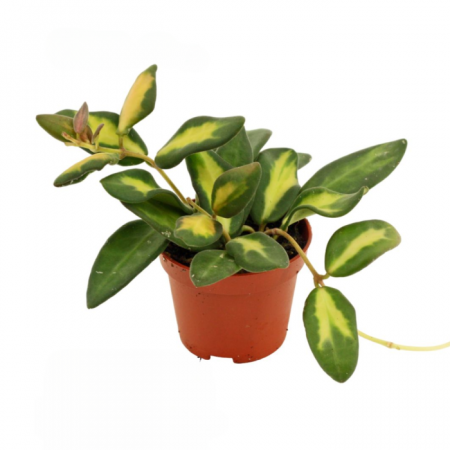
Hoya sp. UT208 Ø12cm
![Hoya sp UT208 - undescribed Hoya species with decorative waxy leaves [0]](https://gomagcdn.ro/domains2/eufloria.ro/files/product/medium/hoya-sp-ut208-d12cm-187464.webp "Hoya sp UT208 - undescribed Hoya species with decorative waxy leaves [0]")
![Hoya sp UT208 - undescribed Hoya species with decorative waxy leaves [1]](https://gomagcdn.ro/domains2/eufloria.ro/files/product/medium/hoya-sp-ut208-d12cm-265071.webp "Hoya sp UT208 - undescribed Hoya species with decorative waxy leaves [1]")
![Hoya sp UT208 - undescribed Hoya species with decorative waxy leaves [2]](https://gomagcdn.ro/domains2/eufloria.ro/files/product/medium/hoya-sp-ut208-d12cm-741732.webp "Hoya sp UT208 - undescribed Hoya species with decorative waxy leaves [2]")
![Hoya sp UT208 - undescribed Hoya species with decorative waxy leaves [3]](https://gomagcdn.ro/domains2/eufloria.ro/files/product/medium/hoya-sp-ut208-d12cm-648296.webp "Hoya sp UT208 - undescribed Hoya species with decorative waxy leaves [3]")
![Hoya sp UT208 - undescribed Hoya species with decorative waxy leaves [1]](https://gomagcdn.ro/domains2/eufloria.ro/files/product/original/hoya-sp-ut208-d12cm-187464.webp "Hoya sp UT208 - undescribed Hoya species with decorative waxy leaves [1]")
![Hoya sp UT208 - undescribed Hoya species with decorative waxy leaves [2]](https://gomagcdn.ro/domains2/eufloria.ro/files/product/original/hoya-sp-ut208-d12cm-265071.webp "Hoya sp UT208 - undescribed Hoya species with decorative waxy leaves [2]")
![Hoya sp UT208 - undescribed Hoya species with decorative waxy leaves [3]](https://gomagcdn.ro/domains2/eufloria.ro/files/product/original/hoya-sp-ut208-d12cm-741732.webp "Hoya sp UT208 - undescribed Hoya species with decorative waxy leaves [3]")
![Hoya sp UT208 - undescribed Hoya species with decorative waxy leaves [4]](https://gomagcdn.ro/domains2/eufloria.ro/files/product/original/hoya-sp-ut208-d12cm-648296.webp "Hoya sp UT208 - undescribed Hoya species with decorative waxy leaves [4]")
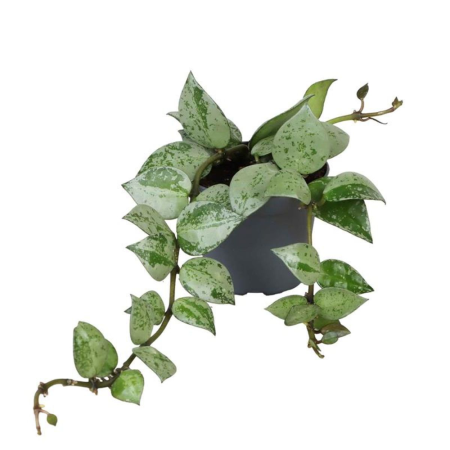
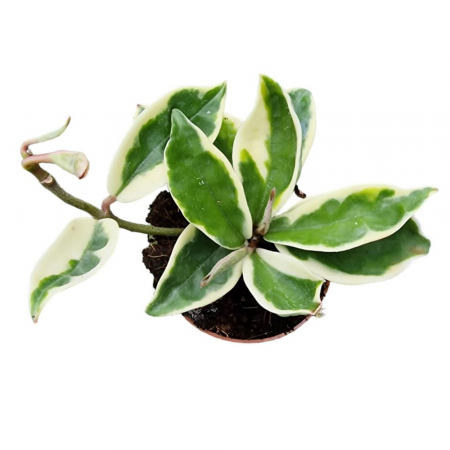
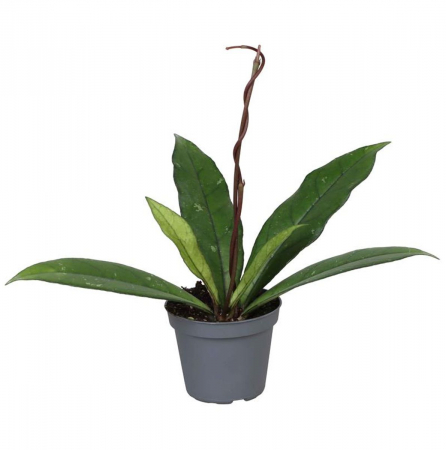
Hoya sp. UT208 – a rare unidentified Hoya species, a true treasure for collectors. Thick, fleshy leaves on flexible vines. Can produce fragrant waxy flowers. Prefers bright indirect light and well-draining substrate. Non-toxic, safe for pets.
Note: Product images are for guidance only. Due to different batches of imported products, there may be differences between the images on the website and the actual appearance of the products.
Approx height (including pot): 15 cm
Flowering state: No flowers
Pot diameter: 12 cm
- Description
- Characteristics
- Reviews (0)
- FAQ
🌿 Hoya sp. UT208 – Tropical Mystery and Collector’s Rarity
Hoya sp. UT208 is an officially unidentified species from the Hoya genus, known in collector circles under the code UT208. This fascinating plant attracts with its unique foliage and the mystery surrounding it – one of those rare varieties still awaiting formal botanical classification. For Hoya collectors, such unidentified species are true treasures, each with its own unique story.
🌍 Origins & Classification
The genus Hoya comprises over 500 species in the Apocynaceae family, originating from tropical Asia, Australia, and Pacific islands. The “UT” code is used by collectors to designate unidentified species, often collected from natural habitats and propagated through enthusiast networks before receiving scientific identification. Hoya sp. UT208 likely originates from Southeast Asia, as do most species in the genus.
🌿 Foliage – A Botanical Surprise
The leaves are why this Hoya is sought by collectors. Thick and fleshy, with the succulent texture specific to the Hoya genus, they may display varied shapes and shades depending on growing conditions. The vines are thin and flexible, allowing the plant to climb a support or hang freely.
🌺 Flowers – The Eagerly Awaited Surprise
Like all Hoyas, sp. UT208 has the potential to produce clusters of small waxy or porcelain-like flowers, fragrant especially in the evening. The exact shape and colour of the flowers vary by species, and for collectors, the first bloom of an unidentified species is always a special moment of discovery.
🌱 Growth Habit & Development
Hoya sp. UT208 has a climbing or trailing habit. It prefers bright indirect light, temperatures of 18–27°C, 50–70% humidity, and watering when the substrate has dried almost completely. Very well-draining substrate is essential.
Lungime: 12 cm
Greutate (kg): 1 Kg
Denumire: Hoya
Diametru: 12 cm
Cerințe lumină: Strong, indirect light
Tip plantă: Decorative
Utilizare: Interior
Tip suport: Ghiveci
Material Suport: Plastic
Is Hoya sp. UT208 toxic to cats and dogs?
No, Hoya sp. UT208 is not toxic to cats and dogs. All Hoya species are considered safe for pets according to ASPCA. This makes it an excellent choice for homes with curious pets.
How do I care for Hoya sp. UT208?
Hoya sp. UT208 prefers bright indirect light and well-draining substrate. Water when the substrate has completely dried out — this species is sensitive to excess moisture. The ideal temperature is 18-28°C, with higher humidity (60-80%). Fertilize monthly during the growing season with a balanced fertilizer diluted to half strength.
How do I get Hoya sp. UT208 to bloom?
To encourage blooming, provide bright indirect light for at least 6 hours a day and a rest period during the cold season. Do not cut old peduncles, as Hoya blooms repeatedly on the same peduncles. Young plants may need 2-3 years of maturity before their first bloom. Mild stress through reduced watering can stimulate flower bud formation.
What does the code UT208 mean for this Hoya?
The code UT208 is a collection identifier referring to the Thai origin of the plant ("UT" comes from "Unidentified Thailand"). This species has not yet been officially classified botanically, making it particularly valuable for rare plant collectors who appreciate unusual and hard-to-find species.
What substrate should I use for Hoya sp. UT208?
Hoya sp. UT208 requires a well-draining and aerated substrate. An ideal mix contains pine bark, perlite, and sphagnum moss in equal proportions. As an epiphytic plant, the roots need good air circulation. Avoid compact substrates that retain too much moisture, as this can cause root rot.
Does Hoya bloom indoors?
How often should Hoya be watered?
How do you propagate Hoya?
What type of plant is Hoya sp. UT208?
What light conditions does Hoya sp. UT208 prefer?
How should I water Hoya sp. UT208?
Is Hoya sp. UT208 toxic to pets?
How do I encourage Hoya sp. UT208 to bloom?
Ai nevoie și de un ghiveci decorativ?