
 EN/
EN/ Romana
Hoya puber Ø14cm
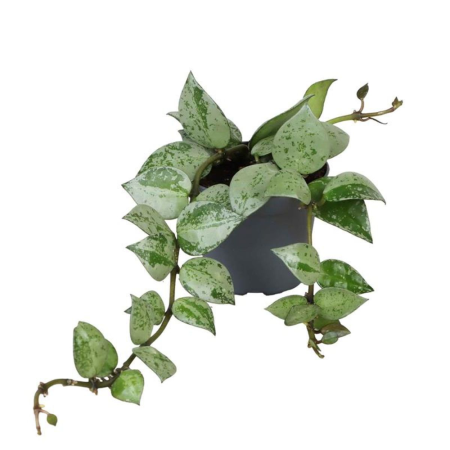
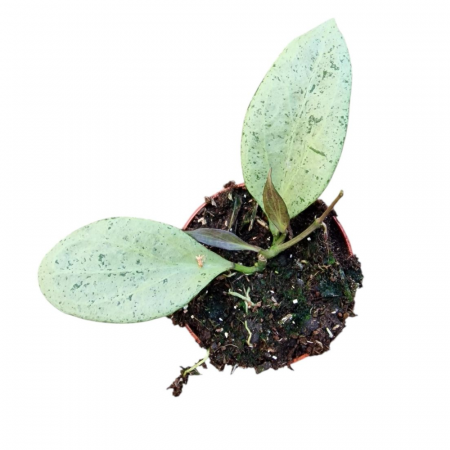
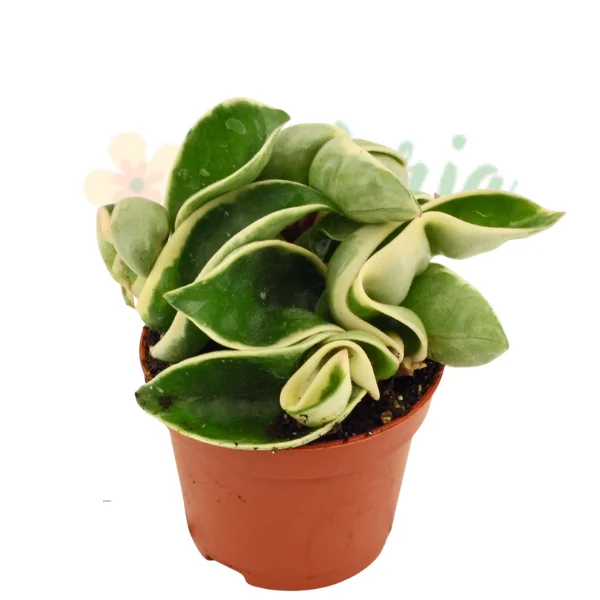
![Hoya puber with slightly hairy elliptical leaves [1]](https://gomagcdn.ro/domains2/eufloria.ro/files/product/original/hoya-puber-d14cm-752979.jpg "Hoya puber with slightly hairy elliptical leaves [1]")
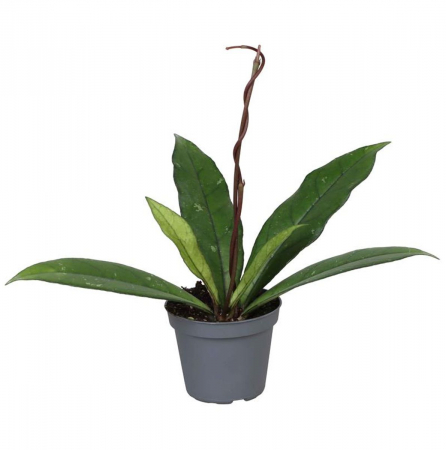
Hoya puber — rare hoya from Borneo with slightly hairy elliptical leaves and reddish-brown star flowers with yellow corona. Vines grow vigorously. Ø14cm.
Note: Product images are for guidance only. Due to different batches of imported products, there may be differences between the images on the website and the actual appearance of the products.
Approx height (including pot): 30 cm
Flowering state: No flowers
Pot diameter: 14 cm
- Description
- Characteristics
- Reviews (0)
- FAQ
🌿 Hoya puber — hairy hoya from Borneo
Hoya puber is a rare species from the Apocynaceae family, native to the tropical forests of Borneo island. The species name (Latin "puber" = hairy) refers to the slightly hairy leaves and stems, a distinctive feature. Leaves are elliptical, deep green, with a fine sheen and velvety texture.
The plant has vigorous growth as a vine or liana, living epiphytically on moist trunks. Flowers appear in small umbels of 5-15 reddish-brown star-shaped blooms with yellow corona. It's appreciated by collectors for its rarity and unmistakable appearance.
🌍 Origin and habitat
The low and medium altitude tropical forests of Borneo, where it grows as an epiphyte on moss-covered trunks, at 75-95% humidity and 22-28°C temperatures.
🌱 How to care for it
Bright indirect light, high humidity (above 65%), temperatures 20-28°C. Very airy substrate: orchid bark + perlite + sphagnum. Moderate watering when substrate is nearly dry.
🌸 Flowering
Flowers at maturity (2-4 years), producing small umbels of 5-15 reddish-brown star-shaped flowers with golden-yellow corona. Subtle fragrance.
🌿 Toxicity
Not toxic to cats, dogs or children. Safe Apocynaceae. The milky sap may irritate sensitive skin.
Lungime: 14 cm
Greutate (kg): 1.5 Kg
Denumire: Hoya
Diametru: 14 cm
Cerințe lumină: Strong, indirect light
Tip plantă: Decorative
Utilizare: Interior
Tip suport: Ghiveci
Material Suport: Plastic
How often should I water Hoya puber?
Hoya puber prefers moderate watering, with the substrate allowed to partially dry between waterings (top 2-3 cm). In winter, reduce frequency to once every 10-14 days. Overwatering is the main cause of problems in Hoyas, leading to root rot. Use room temperature water.
Is Hoya puber toxic to pets?
No, Hoya puber is considered non-toxic for both humans and pets. The Hoya genus does not contain dangerous substances. The mild latex produced by stems when cut is harmless, but it is still recommended to place the plant where pets cannot damage the delicate branches.
Why does Hoya puber have hairy leaves?
The pubescence (fine hairs) on Hoya puber leaves is a natural adaptation to the tropical environment. These hairs help reduce water loss through transpiration, protect young leaves from excessive solar radiation, and may discourage certain insects. The species name “puber” literally means “covered with fine hairs” in Latin.
What is the best substrate for Hoya puber?
Hoya puber requires a very well-draining and aerated substrate, similar to other epiphytes. An ideal mix contains pine bark, perlite, coco coir, and activated charcoal in equal proportions. Avoid universal potting soil which retains too much moisture and can cause root rot.
When does Hoya puber bloom indoors?
Hoya puber can bloom indoors typically during the spring-summer period, once the plant has reached maturity (2-3 years from rooting). To encourage flowering, provide bright indirect light, a winter rest period with reduced watering, and never cut old peduncles — Hoya reuses them for successive blooms.
What makes Hoya puber special?
Where does it come from?
How do you care for it?
Is it toxic?
Does it need support?
Ai nevoie și de un ghiveci decorativ?







