EN/
EN/ Romana
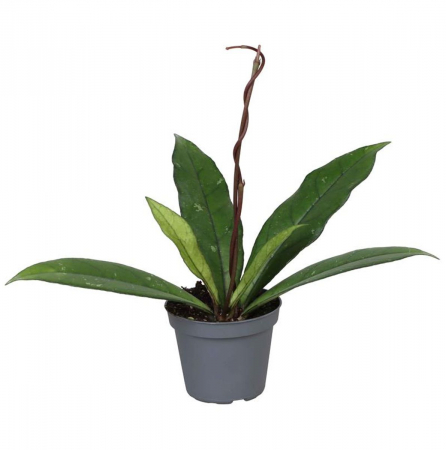
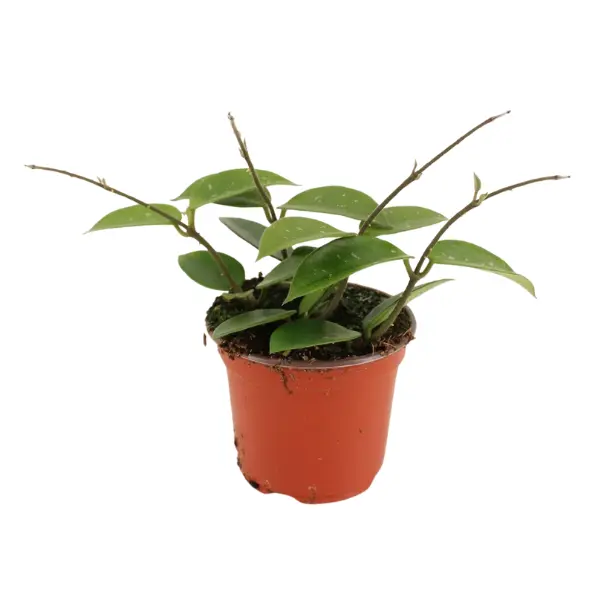
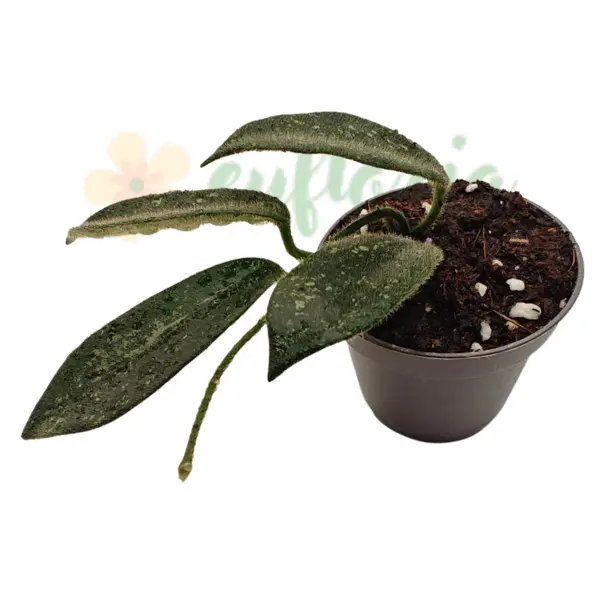
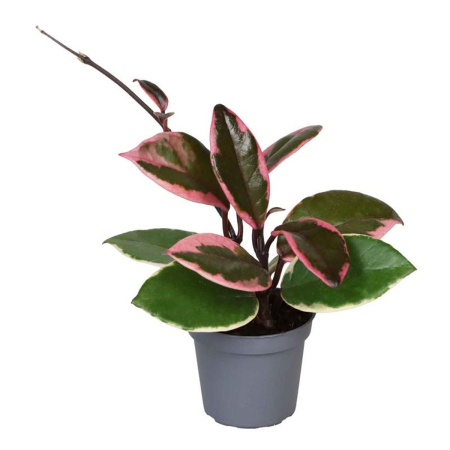
Hoya parviflora 'Splash' Ø6cm
![Hoya parviflora 'Splash' — small green leaf with silver splash spots [0]](https://gomagcdn.ro/domains2/eufloria.ro/files/product/medium/hoya-parviflora-splash-d12-787440.webp "Hoya parviflora 'Splash' — small green leaf with silver splash spots [0]")
![Hoya parviflora 'Splash' — small green leaf with silver splash spots [1]](https://gomagcdn.ro/domains2/eufloria.ro/files/product/medium/hoya-parviflora-splash-d12-764473.webp "Hoya parviflora 'Splash' — small green leaf with silver splash spots [1]")
![Hoya parviflora 'Splash' — small green leaf with silver splash spots [2]](https://gomagcdn.ro/domains2/eufloria.ro/files/product/medium/hoya-parviflora-splash-d12-779242.webp "Hoya parviflora 'Splash' — small green leaf with silver splash spots [2]")
![Hoya parviflora 'Splash' — small green leaf with silver splash spots [1]](https://gomagcdn.ro/domains2/eufloria.ro/files/product/original/hoya-parviflora-splash-d12-787440.webp "Hoya parviflora 'Splash' — small green leaf with silver splash spots [1]")
![Hoya parviflora 'Splash' — small green leaf with silver splash spots [2]](https://gomagcdn.ro/domains2/eufloria.ro/files/product/original/hoya-parviflora-splash-d12-764473.webp "Hoya parviflora 'Splash' — small green leaf with silver splash spots [2]")
![Hoya parviflora 'Splash' — small green leaf with silver splash spots [3]](https://gomagcdn.ro/domains2/eufloria.ro/files/product/original/hoya-parviflora-splash-d12-779242.webp "Hoya parviflora 'Splash' — small green leaf with silver splash spots [3]")
Hoya parviflora 'Splash' — spectacular Southeast Asian cultivar with small (2.5–5cm) deep green leaves completely splashed with shimmering silver spots like dewdrops. Blooms in small umbels of 10–20 cream flowers with pale pink coronas, among the smallest flowers in the Hoya genus. Compact climbing plant, easy care: bright indirect light (essential for variegation), 60–75% humidity, well-drained substrate. Non-toxic (ASPCA). Perfect for small spaces. Fast delivery across the EU.
Approx height (including pot): 15 cm
Flowering state: No flowers
- Description
- Characteristics
- Reviews (0)
- FAQ
🌿 Hoya parviflora 'Splash' — Hoya with Small Silver-Splashed Leaves and Delicate Flowers
Hoya parviflora 'Splash' is a spectacular cultivar of the Hoya parviflora species, remarkable for its small leaves adorned with shimmering silver spots that mimic dewdrops or splashes of light on the foliage. The name "Splash" perfectly describes the distinctive silver variegation pattern covering the leaf surface, creating a captivating visual effect that makes the plant appear illuminated from within. It is a variety selected for collectors who appreciate the combination of a compact form, small leaves, and spectacular variegation.
The parent species, Hoya parviflora, is native to Southeast Asia — northeastern India, Myanmar, Thailand, Vietnam, southern China — where it grows as an epiphytic plant on tree trunks in humid tropical forests. The name "parviflora" (from the Latin "parvus" = small and "flora" = flower) refers to its small flowers, one of the smallest flower types in the Hoya genus. The 'Splash' cultivar was selected for its variegated leaves with silver spots, a trait that appears spontaneously in some natural specimens and has been vegetatively propagated to maintain pattern stability.
The leaves are small, ovate or elliptical, measuring approximately 2.5–5 centimetres in length and 1.5–3 centimetres in width. They are thick, succulent, deep glossy green, with the surface completely covered in silvery-whitish spots that vary in shape and density from leaf to leaf. On some leaves, the spots may be small and scattered like dewdrops, while on others they may be larger and more merged, forming extended silver zones. This variability makes each leaf unique, adding extra visual charm to the plant.
Flowering in Hoya parviflora 'Splash' is delicate and gentle. Flowers form in small umbels of 10–20 blooms, each flower measuring only approximately 0.5–0.8 centimetres in diameter — making them among the smallest flowers in the Hoya genus, as the species name suggests. The petals are cream-white or white with pinkish reflections, and the central corona is pale pink to magenta. The fragrance is discreet, sweet, with notes of honey, more pronounced in the evening. Although the flowers are small individually, the dense umbels create a delightful spectacle when the plant is in full bloom.
🌍 Origin and Botanical History
The species Hoya parviflora is native to the tropical regions of Southeast and South Asia, with a natural range that includes northeastern India (Assam, Meghalaya), Myanmar, Thailand, Laos, Vietnam, southern China (Yunnan), and northern Indonesia. It grows naturally in humid tropical and subtropical forests, from sea level up to medium altitudes of around 1500 metres, on the trunks and branches of trees, where it benefits from filtered light and high humidity. It is a species adapted to variable conditions, from warm lowland areas to cooler hill forests.
The species was scientifically described by British botanist Robert Wight in 1834, in his work "Contributions to the Botany of India". The name "parviflora" was chosen to highlight the species' most distinctive feature — its extremely small flowers compared to other Hoyas. The description was made based on specimens collected from southern India and initially classified along with other tropical Asian species. Hoya parviflora belongs to a group of Hoyas with small flowers and delicate growth, perfectly adapted for cultivation in terrariums or mini-greenhouses.
The 'Splash' cultivar represents a selected form with silver variegation, discovered among natural specimens or appearing spontaneously in cultivation. The silver variegation in Hoya leaves is caused by microscopic air cavities between the cellular layers of the leaf epidermis, which reflect light differently and create the shimmering silver appearance. This trait is stable when vegetatively propagated through cuttings and is why 'Splash' is considered a distinct and much more decorative variety than the typical green form of the species.
The genus Hoya was named in honour of English botanist Thomas Hoy (1750–1822), gardener to the Duke of Northumberland, who cultivated numerous tropical plants imported to Europe at the end of the 18th century. The genus today contains over 500 described species and numerous selected cultivars, making it one of the most diverse and popular genera of epiphytic ornamental plants. Hoya parviflora 'Splash' is one of the relatively new varieties that has gained popularity among collectors due to its ornamental leaves.
🌱 Foliage and Variegation Pattern
What makes Hoya parviflora 'Splash' truly special is the silver variegation pattern covering the leaves. Each leaf carries silvery or whitish spots irregularly distributed on the deep green surface, creating a spotted appearance as if the plant had been splashed with shimmering silver paint. The density and distribution of the spots vary from leaf to leaf, and even on the same leaf, making each leaf a small unique painting. Some leaves have small and sparse spots, while others are almost completely covered in silver.
The leaves are small and compact, measuring only 2.5–5 centimetres in length and 1.5–3 centimetres in width, with an ovate to elliptical shape. This reduced size is a characteristic of the parviflora species, which is generally more delicate than Hoya carnosa or other popular species. The leaves are thick, succulent, with a smooth and slightly glossy surface. The leaf tip is shortly pointed, and the base is rounded. The thickness of the leaves allows them to retain water for drier periods, a typical adaptation of epiphytic species.
The base colour of the leaves is a deep, intense green, which contrasts spectacularly with the silver spots. Under bright indirect light, the contrast between green and silver becomes more pronounced, and the spots appear to shine. Young leaves are often lighter in colour and with less developed variegation, gaining the characteristic appearance as they mature. It is important to mention that the intensity of the variegation depends on the light received — plants grown under insufficient light may gradually lose the silver spots.
The stems are thin, elastic, green-brown in colour, and grow trailing or climbing. Stem length can reach 60–100 centimetres in cultivation, with nodes appearing at intervals of 3–5 centimetres, each producing a pair of opposite leaves. Growth is relatively slow to moderate, which allows the plant to maintain its compact shape for years. In mature nodes, flower peduncles ("spurs") develop, permanent structures from which the plant will bloom repeatedly in subsequent years.
✨ Care and Growing Requirements
Hoya parviflora 'Splash' is a relatively easy species to care for, suitable for collectors with basic experience in cultivating Hoyas. Its basic requirements include bright indirect light (essential for maintaining the silver variegation), high humidity, constant warm temperatures, and a very well-draining substrate. With these conditions met, the plant will grow healthy, maintain its beautiful variegation pattern, and bloom regularly.
Light is the critical factor for 'Splash' more so than for other Hoyas, because the silver variegation depends on the amount of light received. Under insufficient light, new leaves may appear almost completely green, losing the distinctive feature of the cultivar. Ideal is to offer the plant bright indirect light, 6–8 hours daily. An east-facing window is perfect, and west-facing windows work well with partial filtering. South-facing windows mandatorily require filtering through a sheer curtain to avoid leaf burn.
- Light: Bright indirect, 6–8 hours daily. Essential for maintaining silver variegation. East ideal, west with filter, south mandatory filtered.
- Watering: Moderate to sparse. Let the top 2–3 cm of substrate dry completely between waterings. Every 5–7 days in summer, 10–14 days in winter. Do not overwater.
- Temperature: 20–28°C during the growing season, minimum 16°C in winter. Does not tolerate cold below 15°C or cold drafts.
- Humidity: High (60–75%). Appreciates a humidifier or pebble tray with water. Occasional misting helps, but avoid excess.
- Substrate: Very well-draining and airy. Epiphytic orchid mix combined with perlite, fine bark, and coconut fibres. Avoid compact substrates.
- Fertilising: Monthly during the growing season (April–September) with liquid fertiliser for flowering plants diluted to half strength. Do not fertilise in winter.
- Propagation: Through stem cuttings with 2–3 nodes. Roots appear in 4–6 weeks in moist sphagnum moss or in water. Variegation propagates vegetatively.
To preserve and intensify the silver variegation, ensure the plant receives sufficient bright indirect light daily. If you notice that new leaves are becoming greener and with fewer spots, move the plant to a brighter location. To stimulate flowering, never cut the flower peduncles after blooming — Hoya blooms repeatedly from the same points in subsequent years. In the cold season, reduce watering but maintain high air humidity to avoid stress.
⭐ Why Choose Hoya parviflora 'Splash'
Hoya parviflora 'Splash' is the ideal choice for collectors who appreciate variegated and compact foliage. The combination of small leaf size, spectacular silver spot pattern, and the plant's compact form make it perfect for limited spaces — small apartments, offices, plant shelves, or terrariums with high humidity. It is a plant that fits anywhere without taking up much space but which instantly draws attention through its unique foliage.
An important advantage is that all Hoya species, including parviflora 'Splash', are considered non-toxic to pets according to the ASPCA database. This makes it a safe choice for homes with cats, dogs, or curious small children. You can place it anywhere without worrying that it will be dangerous to your four-legged family members — a significant advantage over many other exotic ornamental plants that can be toxic.
Compared to other popular variegated Hoyas, 'Splash' offers a unique variegation pattern through the scattered silver spots, different from the classic white-cream or cream-yellow variegation of other cultivars. It is a variety that stands out and adds an extra dimension to any Hoya collection. Its trailing form makes it perfect for hanging pots or high shelves, from where the stems can fall elegantly, showing off all their variegated leaves.
From Eufloria, you receive a healthy, well-rooted specimen, carefully selected for variegation quality and leaf development. Each plant is inspected before delivery and carefully packaged to arrive in perfect condition. With adequate light and high humidity, Hoya parviflora 'Splash' will reward your effort with years of compact beauty and the constant spectacle of its silver leaves that seem to shimmer in the light.
Lungime: 15 cm
Greutate (kg): 0.25 Kg
Denumire: Hoya
Diametru: 6 cm
Cerințe lumină: Partial umbra
Tip plantă: Decorative
Utilizare: Interior
Tip suport: Ghiveci
Material Suport: Plastic