EN/
EN/ Romana
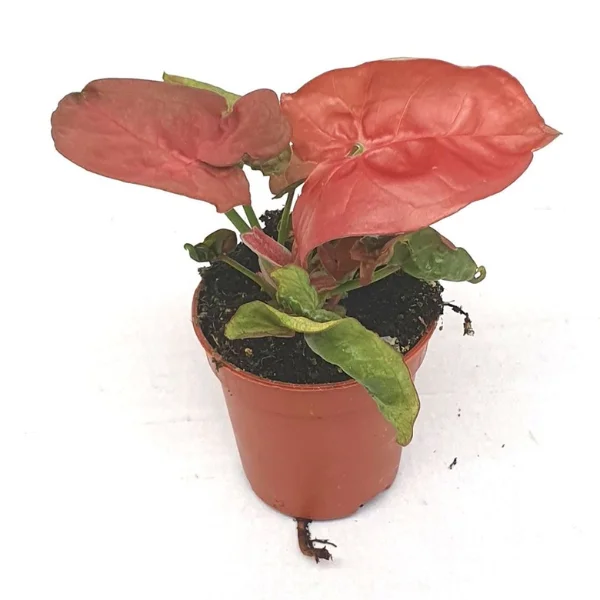
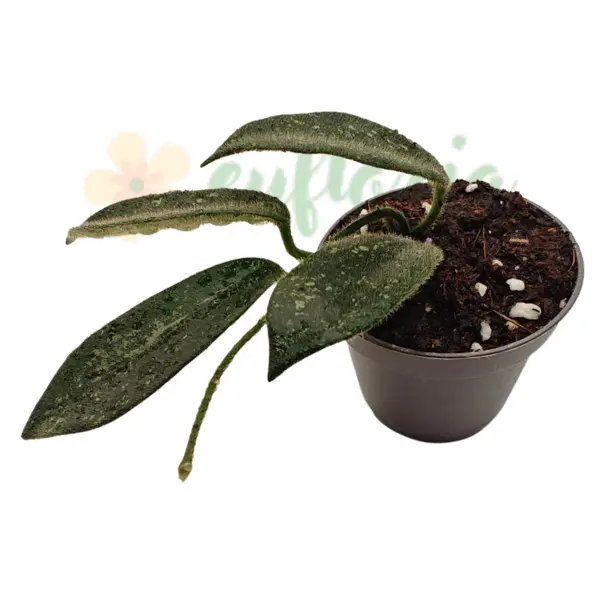
Hoya parasitica 'Red Leaf' Ø7cm
![Hoya parasitica 'Red Leaf' [0]](https://gomagcdn.ro/domains2/eufloria.ro/files/product/medium/hoya-parasitica-red-leaf-d7-614556.webp "Hoya parasitica 'Red Leaf' [0]")
![Hoya parasitica 'Red Leaf' [1]](https://gomagcdn.ro/domains2/eufloria.ro/files/product/medium/hoya-parasitica-red-leaf-d7-159276.webp "Hoya parasitica 'Red Leaf' [1]")
![Hoya parasitica 'Red Leaf' [2]](https://gomagcdn.ro/domains2/eufloria.ro/files/product/medium/hoya-parasitica-red-leaf-d7-606340.webp "Hoya parasitica 'Red Leaf' [2]")
![Hoya parasitica 'Red Leaf' [1]](https://gomagcdn.ro/domains2/eufloria.ro/files/product/original/hoya-parasitica-red-leaf-d7-614556.webp "Hoya parasitica 'Red Leaf' [1]")
![Hoya parasitica 'Red Leaf' [2]](https://gomagcdn.ro/domains2/eufloria.ro/files/product/original/hoya-parasitica-red-leaf-d7-159276.webp "Hoya parasitica 'Red Leaf' [2]")
![Hoya parasitica 'Red Leaf' [3]](https://gomagcdn.ro/domains2/eufloria.ro/files/product/original/hoya-parasitica-red-leaf-d7-606340.webp "Hoya parasitica 'Red Leaf' [3]")
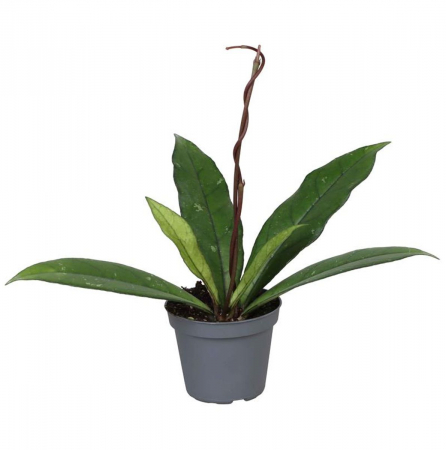
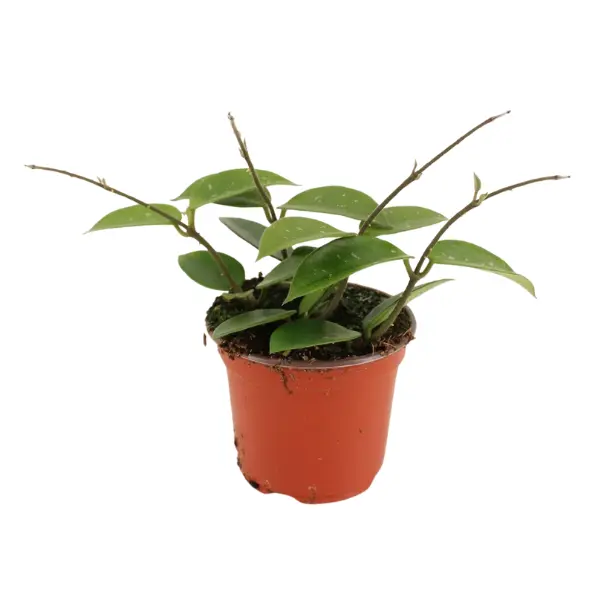
Hoya parasitica 'Red Leaf' is a rare tropical cultivar prized for its leaves that turn reddish under bright light and its fragrant waxy flowers. An easy-care plant, ideal for hanging pots or vertical supports.
Approx height (including pot): 10 cm
Flowering state: No flowers
Pot diameter: 7 cm
- Description
- Characteristics
- Reviews (0)
- FAQ
🌿 Hoya parasitica 'Red Leaf' Characteristics
Hoya parasitica 'Red Leaf' is a fascinating cultivar of the Hoya parasitica species, a tropical epiphytic plant from the Apocynaceae family. This variety is particularly prized by collectors for its unique ability to develop reddish-toned leaves when exposed to bright light. The origin of the Hoya parasitica species lies in the tropical regions of South-East Asia, particularly India, Nepal, Myanmar and Thailand, where it grows as an epiphyte on tree trunks in humid tropical forests.
The leaves of this cultivar are oval to lanceolate, with a waxy texture and a slightly glossy surface. Under moderate light, the leaves display an elegant dark green, but under bright indirect light or with a few hours of direct morning sun, they develop spectacular shades of red, bronze and burgundy. This colour change is reversible and depends directly on the amount of light received, giving the grower the ability to control the plant's appearance.
The flowers are typical of the Hoya genus: small, perfectly symmetrical, star-shaped, with a characteristic waxy texture. They appear in dense umbels composed of dozens of individual flowers. The petal colour ranges from creamy white to pale pink, with a darker centre. The fragrance is sweet and pleasant, more intense during evening and morning hours, filling the room with a delicate, relaxing aroma.
Growth is semi-climbing, with flexible stems that can be trained on arch supports, trellises, or left to trail freely from hanging pots. The plant has good vigour compared to other Hoya species, constantly producing new stems and leaves throughout the growing season. With proper care, it can bloom multiple times per year.
☀️ Light Requirements
Light is the key factor determining the intensity of the reddish tones in the leaves. Hoya parasitica 'Red Leaf' requires bright indirect light and benefits from 2–3 hours of direct morning or late afternoon sun. An east-facing window is ideal, providing gentle morning sun followed by indirect light for the rest of the day.
Under insufficient light, the leaves will remain green, losing their characteristic reddish tones. Growth will be slower and flowering rare or absent. Internodes will elongate, creating a leggy appearance. If you want intense colours and regular blooms, ensure abundant light.
Avoid intense direct midday sun, which can cause leaf burns visible as white or brown spots. In summer, on very sunny days, a screen of sheer curtains provides sufficient protection. Full-spectrum grow lights are an excellent winter alternative, positioned 25–35 cm above the plant for 12–14 hours per day.
Rotate the pot every 2 weeks for even growth. New leaves will reflect the light level received, allowing you to quickly assess whether the plant needs more or less light.
💧 Care and Watering
Hoya parasitica 'Red Leaf' requires a moderate watering regime typical of epiphytic plants. Water when the top 3–4 cm of substrate have dried completely. During the warm season, this usually means every 7–10 days, and in winter every 14–21 days. Check substrate moisture with your finger or a moisture sensor before each watering.
Use room-temperature, preferably filtered water. Water slowly at the plant's base, allowing water to penetrate evenly. Ensure complete drainage — never leave the plant in stagnant water. Excess moisture quickly causes root rot, the main problem in Hoya cultivation.
Ideal atmospheric humidity is between 50% and 70%. Hoya parasitica is more tolerant of low humidity than other Hoya species, making it suitable for ordinary apartments. However, in very dry environments (below 40%), leaves may show curled edges or dry tips. A humidifier or pebble tray helps in these situations.
Over-watering manifests as yellow, soft leaves at the base and an unpleasant smell from the substrate. Under-watering shows as wrinkled, soft leaves that recover quickly after watering. It is always better to water too little than too much.
🌡️ Temperature and Climate
Hoya parasitica 'Red Leaf' prefers moderate temperatures between 18°C and 28°C, with an optimum of 22–25°C. The plant tolerates temperatures up to 30°C well with adequate ventilation and sufficient humidity. It is one of the more temperature-variation-resistant Hoya species, making it suitable for beginner growers.
The minimum tolerable temperature is approximately 10–12°C, making it slightly more cold-resistant than other tropical species. However, prolonged exposure below 15°C will slow growth and may cause lower leaf drop. Frost is fatal. In Romania, cultivation is exclusively indoors throughout the year.
Avoid cold draughts from open windows or air conditioning units. Also, do not position the plant directly next to radiators, as hot dry air dehydrates the leaves. A 3–5°C difference between daytime and nighttime temperatures can stimulate flowering.
In summer, the plant can be moved to a sheltered balcony where nighttime temperatures do not drop below 16°C. Fresh air and intense natural light stimulate vigorous growth and intensify the reddish leaf tones. Bring the plant indoors before the first cool autumn nights.
🪴 Pot and Substrate
The ideal substrate for Hoya parasitica 'Red Leaf' is light, airy, and well-drained. An excellent recipe combines pine bark (30%), perlite (25%), coco peat (25%), and sphagnum moss (20%). This combination offers the perfect balance of drainage, aeration, and moderate moisture retention.
The pot must have generous drainage holes. Hoyas prefer to be slightly rootbound, which can also stimulate flowering. Choose a pot proportional to the root size — not too large. Terracotta pots are recommended for their porosity, but plastic pots also work well if watering frequency is adjusted.
Repotting is done every 2–3 years in spring. Choose a pot 2 cm larger in diameter. Examine roots and remove any dead or rotten portions. Do not over-compact the substrate.
Fertilise every 2–3 weeks during April–September with a balanced liquid fertiliser diluted to half strength. An NPK 10-10-10 is suitable for growth, while a higher-phosphorus NPK (10-30-20) stimulates flowering. Do not fertilise in winter when the plant is dormant.
Propagation is done through stem cuttings with 2–3 nodes, planted in moist sphagnum or perlite. Rooting takes 4–6 weeks at 22–25°C. Hoya parasitica is relatively disease-resistant. The main pests are mealybugs and red spider mites, treated with neem oil or insecticidal soap. Regular leaf inspection prevents serious infestations.
With proper care, Hoya parasitica 'Red Leaf' will become a centrepiece in your tropical plant collection, rewarding you with spectacularly coloured leaves and fragrant blooms that transform any space into a corner of tropical jungle.
Hoya parasitica 'Red Leaf' is part of our Hoya collection and fits among the trailing plants preferred for vertical displays. For optimal care, choose an airy substrate and a well-draining pot. Browse more rare collector plants from our Eufloria catalogue.
Lungime: 10 cm
Greutate (kg): 0.25 Kg
Denumire: Hoya
Diametru: 7 cm
Cerințe lumină: Partial umbra
Tip plantă: Decorative
Utilizare: Interior
Tip suport: Ghiveci
Material Suport: Plastic
Why do the leaves of Hoya parasitica 'Red Leaf' turn red?
How to care for Hoya parasitica 'Red Leaf'?
When does Hoya parasitica 'Red Leaf' bloom?
Is Hoya parasitica 'Red Leaf' toxic to pets?
What substrate is best for Hoya parasitica 'Red Leaf'?
Ai nevoie și de un ghiveci decorativ?