EN/
EN/ Romana
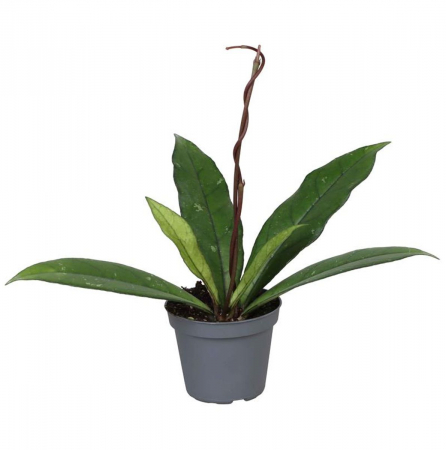
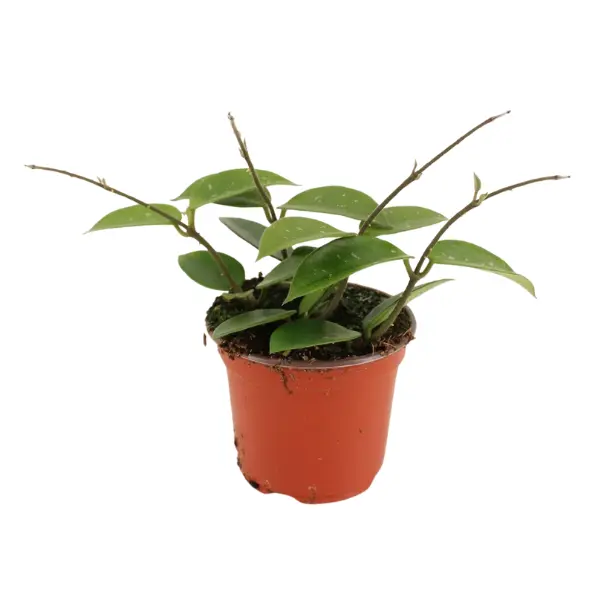
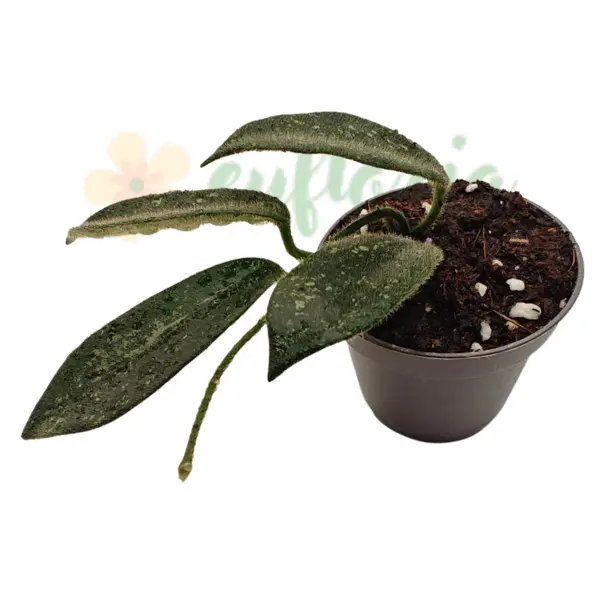
Hoya pandurata 'Vietnam' Ø10.5cm
![Hoya pandurata Vietnam with mandolin-shaped leaves [0]](https://gomagcdn.ro/domains2/eufloria.ro/files/product/medium/hoya-pandurata-vietnam-d10-5-853710.webp "Hoya pandurata Vietnam with mandolin-shaped leaves [0]")
![Hoya pandurata Vietnam with mandolin-shaped leaves [1]](https://gomagcdn.ro/domains2/eufloria.ro/files/product/medium/hoya-pandurata-vietnam-d10-5-409131.webp "Hoya pandurata Vietnam with mandolin-shaped leaves [1]")
![Hoya pandurata Vietnam with mandolin-shaped leaves [2]](https://gomagcdn.ro/domains2/eufloria.ro/files/product/medium/hoya-pandurata-vietnam-d10-5-433975.webp "Hoya pandurata Vietnam with mandolin-shaped leaves [2]")
![Hoya pandurata Vietnam with mandolin-shaped leaves [3]](https://gomagcdn.ro/domains2/eufloria.ro/files/product/medium/hoya-pandurata-vietnam-d10-5-635904.webp "Hoya pandurata Vietnam with mandolin-shaped leaves [3]")
![Hoya pandurata Vietnam with mandolin-shaped leaves [1]](https://gomagcdn.ro/domains2/eufloria.ro/files/product/original/hoya-pandurata-vietnam-d10-5-853710.webp "Hoya pandurata Vietnam with mandolin-shaped leaves [1]")
![Hoya pandurata Vietnam with mandolin-shaped leaves [2]](https://gomagcdn.ro/domains2/eufloria.ro/files/product/original/hoya-pandurata-vietnam-d10-5-409131.webp "Hoya pandurata Vietnam with mandolin-shaped leaves [2]")
![Hoya pandurata Vietnam with mandolin-shaped leaves [3]](https://gomagcdn.ro/domains2/eufloria.ro/files/product/original/hoya-pandurata-vietnam-d10-5-433975.webp "Hoya pandurata Vietnam with mandolin-shaped leaves [3]")
![Hoya pandurata Vietnam with mandolin-shaped leaves [4]](https://gomagcdn.ro/domains2/eufloria.ro/files/product/original/hoya-pandurata-vietnam-d10-5-635904.webp "Hoya pandurata Vietnam with mandolin-shaped leaves [4]")
Hoya pandurata 'Vietnam' — iconic Vietnamese species with mandolin/fiddle-shaped leaves and fragrant umbels.
Approx height (including pot): 10 cm
Flowering state: No flowers
Pot diameter: 10.5 cm
- Description
- Characteristics
- Reviews (0)
- FAQ
🌿 Hoya pandurata 'Vietnam' — fiddle with mandolin leaves
Hoya pandurata (the name means "mandolin/fiddle-shaped" in Latin) is an iconic Vietnamese species with large distinctively fiddle/mandolin-shaped leaves — narrow at the base, wide in the middle and narrowing toward the tip. Leaves are deep green, leathery, with fine sheen.
The species grows vigorously as a vine. Flowers appear in umbels of yellowish-cream star blooms with pink-burgundy corona, fragrant. An iconic piece for collectors.
🌍 Origin
Vietnam and Cambodia — limestone tropical forests.
🌱 How to care for it
Bright indirect light, humidity 60-80%, temperatures 20-28°C. Airy substrate with fine limestone addition.
🌸 Flowering
Umbels of 10-20 yellowish-cream star flowers with pink-burgundy corona, delicate fragrance.
🌿 Safety
Not toxic to cats, dogs or children. Safe Apocynaceae. Milky sap may irritate skin.
Lungime: 10 cm
Greutate (kg): 0.25 Kg
Denumire: Hoya
Diametru: 7 cm
Cerințe lumină: Partial umbra
Tip plantă: Decorative
Utilizare: Interior
Tip suport: Ghiveci
Material Suport: Plastic
Why are Hoya pandurata leaves fiddle-shaped?
When does Hoya pandurata Vietnam bloom?
Is Hoya pandurata toxic to cats?
How rare is Hoya pandurata?
How do you care for Hoya pandurata Vietnam?
What does 'pandurata' mean?
Where does it come from?
How to care for it?
Is it toxic?
How to propagate?
Ai nevoie și de un ghiveci decorativ?