EN/
EN/ Romana
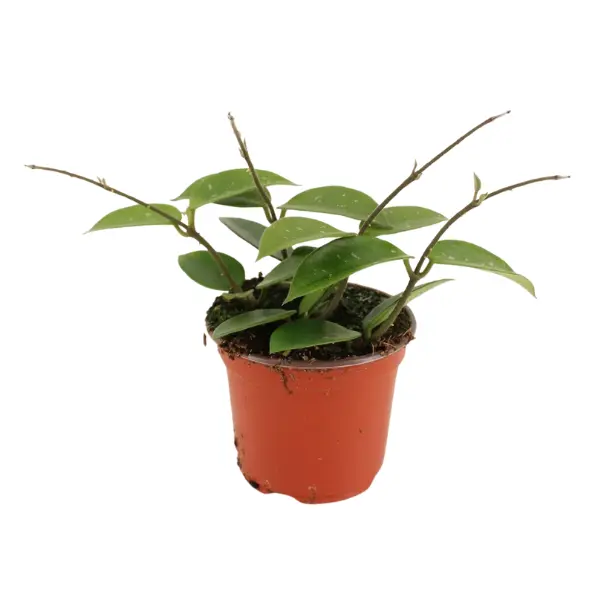
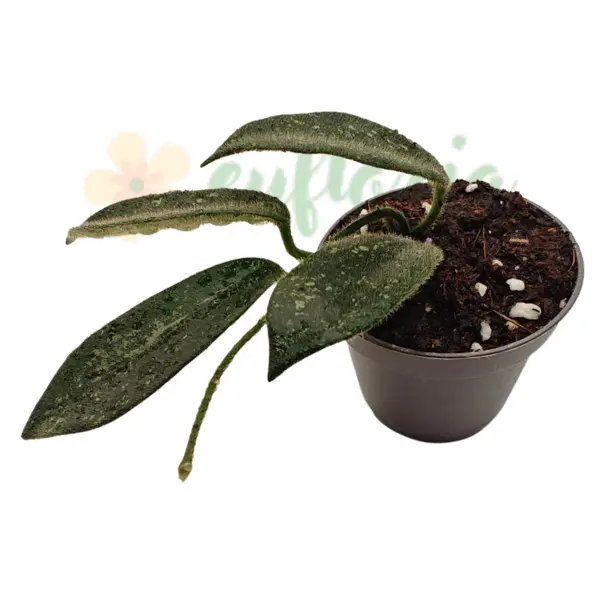
Hoya merrillii Ø10cm
![Hoya merrillii [0]](https://gomagcdn.ro/domains2/eufloria.ro/files/product/medium/hoya-merrillii-d10-295648.webp "Hoya merrillii [0]")
![Hoya merrillii [1]](https://gomagcdn.ro/domains2/eufloria.ro/files/product/medium/hoya-merrillii-d10-207100.webp "Hoya merrillii [1]")
![Hoya merrillii [2]](https://gomagcdn.ro/domains2/eufloria.ro/files/product/medium/hoya-merrillii-d10-621611.webp "Hoya merrillii [2]")
![Hoya merrillii [1]](https://gomagcdn.ro/domains2/eufloria.ro/files/product/original/hoya-merrillii-d10-295648.webp "Hoya merrillii [1]")
![Hoya merrillii [2]](https://gomagcdn.ro/domains2/eufloria.ro/files/product/original/hoya-merrillii-d10-207100.webp "Hoya merrillii [2]")
![Hoya merrillii [3]](https://gomagcdn.ro/domains2/eufloria.ro/files/product/original/hoya-merrillii-d10-621611.webp "Hoya merrillii [3]")
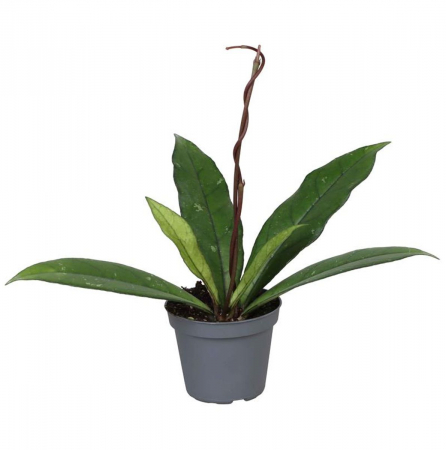
Hoya merrillii is a rare Philippine species noted for its uniquely golden-yellow flowers in the Hoya world and sweet honey-scented fragrance. A non-toxic epiphytic plant, ideal for collectors and pet-friendly homes.
Approx height (including pot): 10 cm
Flowering state: No flowers
Pot diameter: 10 cm
- Description
- Characteristics
- Reviews (0)
- FAQ
🌿 Hoya merrillii Characteristics
Hoya merrillii is a rare and fascinating tropical species from the Hoya genus, family Apocynaceae, native to the Philippine islands. The species was named in honour of American botanist Elmer Drew Merrill, who extensively studied Philippine flora in the early 20th century. It is one of the most prized Hoya species among collectors thanks to its spectacular golden-yellow flowers and glossy tropical foliage.
The leaves are oval to elliptical, medium to large, with a waxy texture and a pronounced gloss that gives them an elegant tropical appearance. Colour ranges from medium green to dark green with slightly visible veins. New leaves may display light bronze tones before maturing to their final green. Leaf size can reach 10–15 cm in length, creating an impressive foliage effect.
The flowers are undoubtedly the most remarkable feature of this species. The inflorescences appear in compact spherical umbels composed of small, star-shaped, waxy-textured flowers. The petal colour is a brilliant golden yellow, unique in the Hoya world, with a red-orange centre creating a vibrant contrast. The fragrance is sweet and delicate, with notes of honey and caramel, more intense in the evening hours. The abundant glistening nectar adds extra charm.
Growth is climbing, with flexible and vigorous stems that develop quickly under optimal conditions. The plant can be grown on arch supports, trellises, or left to trail from hanging pots. Hoya merrillii is considered one of the more vigorous species in the genus, capable of producing long stems each growing season.
☀️ Light Requirements
Hoya merrillii thrives in bright indirect light. The ideal position is near an east- or west-facing window, where the plant benefits from gentle morning or afternoon sun. This species also tolerates 2–3 hours of direct morning sun, which can intensify leaf gloss and stimulate flowering.
Under insufficient light, growth slows, leaves become smaller, and flowering becomes unlikely. Internodes elongate, creating an untidy appearance. If you notice these signs, move the plant to a brighter location.
Avoid intense direct midday sun which can burn leaves. Full-spectrum grow lights at 25–35 cm, 12–14 hours/day, are excellent winter supplements when days are short.
Rotate the pot every 2 weeks for even growth. Adequate light is the primary factor determining flowering frequency and abundance in this species.
💧 Care and Watering
Water when the top 3–4 cm of substrate have dried completely, usually every 7–10 days in summer and 14–21 days in winter. As an epiphytic plant, Hoya merrillii does not tolerate permanently wet substrate. Excess water quickly causes root rot.
Use room-temperature, preferably filtered water. Water slowly at the base, ensuring complete drainage. Never leave the pot in stagnant water. Bottom watering works well for this species, allowing roots to absorb needed water without the risk of over-watering.
Ideal atmospheric humidity is 55–75%. Hoya merrillii is relatively tolerant of moderate humidity, making it suitable for ordinary apartments. In very dry environments (below 40%), use a humidifier or pebble tray.
Over-watering: yellow leaves, soft stems, unpleasant substrate smell. Under-watering: slightly wrinkled leaves that recover after proper watering. It is always safer to water too little than too much.
🌡️ Temperature and Climate
Hoya merrillii prefers temperatures between 18°C and 28°C, with an optimum of 22–26°C. It tolerates temperatures up to 32°C with adequate ventilation and humidity. Minimum temperature: 12–14°C. Below this, growth stops. Frost is fatal.
In Romania, cultivation is exclusively indoors. In summer, the plant can be moved to a sheltered balcony when nighttime temperatures consistently exceed 16°C. Avoid cold draughts and proximity to heat sources such as radiators.
A 3–5°C difference between daytime and nighttime temperatures stimulates flowering. Its Philippine origin, with humid tropical climate and relatively consistent temperatures, means this species appreciates stable, fluctuation-free environments.
🪴 Pot and Substrate
Airy, well-drained substrate: pine bark (30%), perlite (25%), coco peat (25%), sphagnum moss (20%). This combination provides rapid drainage, optimal aeration, and moderate moisture retention, mimicking the plant's natural epiphytic environment.
Pot with generous drainage holes, proportional to roots. Hoya merrillii prefers to be slightly rootbound, which also stimulates flowering. Terracotta is ideal for porosity; plastic works well with adjusted watering.
Repot every 2–3 years in spring, with a pot 2 cm larger. Fertilise every 2 weeks April–September with balanced liquid fertiliser at half strength. NPK 10-30-20 stimulates flowering. Do not fertilise in winter.
Propagation: stem cuttings with 2–3 nodes in moist sphagnum or perlite, rooting in 4–6 weeks. Do not cut flower peduncles after blooming — they will produce new flowers. Pests: mealybugs and mites, treated with neem oil.
Hoya merrillii is a non-toxic plant, safe for homes with pets and small children. This characteristic makes it even more attractive for families wanting spectacular tropical plants without compromising safety.
A remarkable aspect of Hoya merrillii is its uniquely coloured flowers. In the vast world of the Hoya genus, comprising over 500 species, only a few produce truly golden-yellow flowers. This rare colour transforms each flowering into a special event and makes the plant a focal point in any collection. Flowers can last 1–2 weeks on a peduncle, and their fragrance intensifies when temperatures drop slightly in the evening.
Flower peduncles are persistent in this species, meaning they should not be cut after the blooms fade. The same peduncle will produce new flowers in subsequent seasons, and as the plant ages, it accumulates more active peduncles. A mature specimen can have 5–10 inflorescences open simultaneously, creating an unforgettable floral spectacle that few other houseplants can match.
The growth support influences the plant's overall appearance. On an arch or trellis support, the stems wind elegantly, creating a compact and decorative structure. In hanging pots, the stems trail freely, forming a cascade of glossy leaves that becomes even more impressive when golden flowers appear among the green foliage. This versatility makes Hoya merrillii suitable for various interior design styles.
Hoya merrillii pairs beautifully with other Hoya species in mixed arrangements. The contrast between its golden-yellow flowers and the white or pink flowers of other species creates natural floral compositions of outstanding beauty. A Hoya collection arranged on a shelf or wall with multiple supports becomes a living vertical garden, each species contributing its own unique colour and texture to the overall display.
With proper care, Hoya merrillii will become the centrepiece of your collection, rewarding you with spectacular golden blooms and a fragrance that transforms any room into a tropical oasis. The plant improves dramatically with age, becoming more floriferous and more impressive with each passing year.
Lungime: 10 cm
Greutate (kg): 0.5 Kg
Denumire: Hoya
Diametru: 10 cm
Cerințe lumină: Partial umbra
Tip plantă: Decorative
Utilizare: Interior
Tip suport: Ghiveci
Material Suport: Plastic
How often does Hoya merrillii bloom?
What size does Hoya merrillii reach?
Is Hoya merrillii suitable for beginners?
Is Hoya merrillii toxic to pets?
What colour are Hoya merrillii flowers?
Ai nevoie și de un ghiveci decorativ?