EN/
EN/ Romana
Hoya loheri Ø7cm
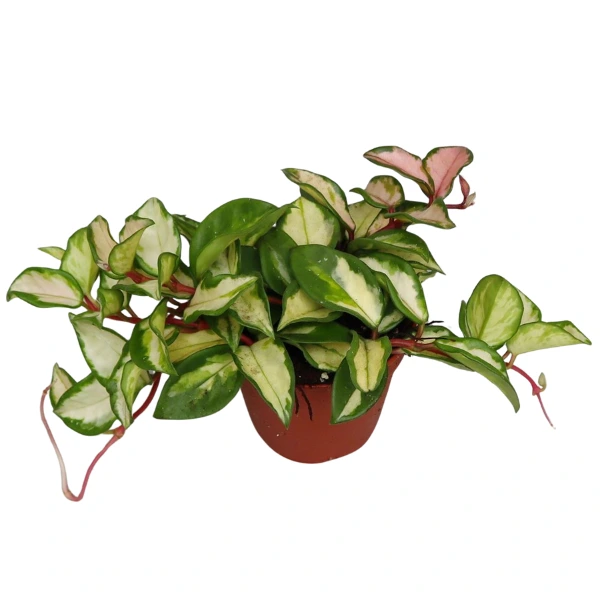
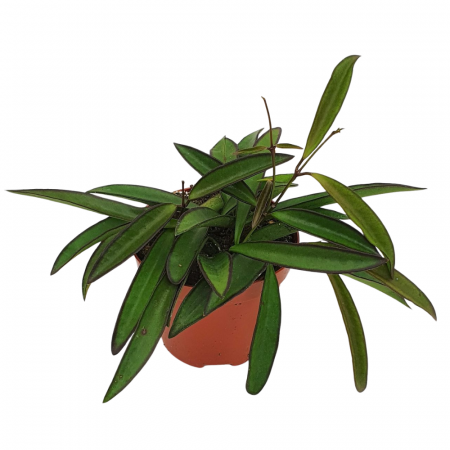
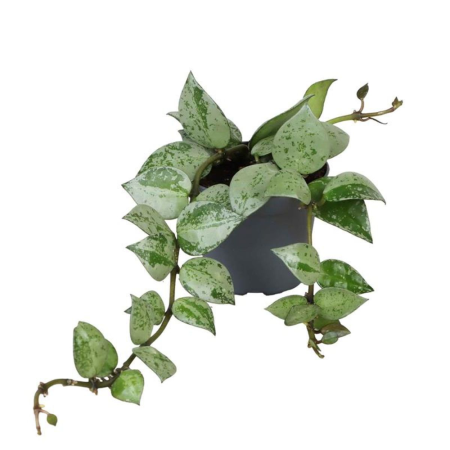
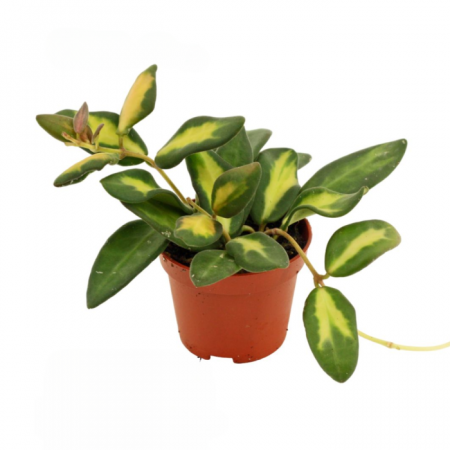
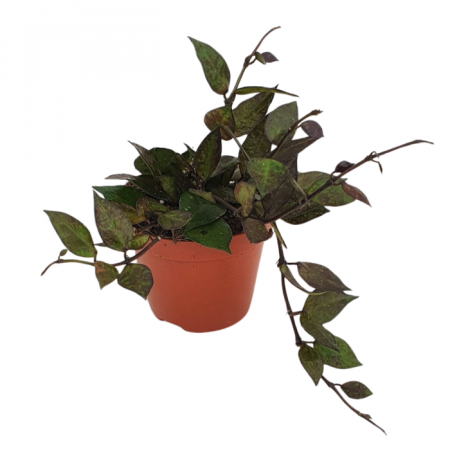
![Hoya loheri rare tropical plant with long glossy dark green leaves in pot [0]](https://gomagcdn.ro/domains2/eufloria.ro/files/product/medium/hoya-loheri-d7-314325.webp "Hoya loheri rare tropical plant with long glossy dark green leaves in pot [0]")
![Hoya loheri rare tropical plant with long glossy dark green leaves in pot [1]](https://gomagcdn.ro/domains2/eufloria.ro/files/product/medium/hoya-loheri-d7-680199.webp "Hoya loheri rare tropical plant with long glossy dark green leaves in pot [1]")
![Hoya loheri rare tropical plant with long glossy dark green leaves in pot [2]](https://gomagcdn.ro/domains2/eufloria.ro/files/product/medium/hoya-loheri-d7-545114.webp "Hoya loheri rare tropical plant with long glossy dark green leaves in pot [2]")
![Hoya loheri rare tropical plant with long glossy dark green leaves in pot [3]](https://gomagcdn.ro/domains2/eufloria.ro/files/product/medium/hoya-loheri-d7-664106.webp "Hoya loheri rare tropical plant with long glossy dark green leaves in pot [3]")
![Hoya loheri rare tropical plant with long glossy dark green leaves in pot [1]](https://gomagcdn.ro/domains2/eufloria.ro/files/product/original/hoya-loheri-d7-314325.webp "Hoya loheri rare tropical plant with long glossy dark green leaves in pot [1]")
![Hoya loheri rare tropical plant with long glossy dark green leaves in pot [2]](https://gomagcdn.ro/domains2/eufloria.ro/files/product/original/hoya-loheri-d7-680199.webp "Hoya loheri rare tropical plant with long glossy dark green leaves in pot [2]")
![Hoya loheri rare tropical plant with long glossy dark green leaves in pot [3]](https://gomagcdn.ro/domains2/eufloria.ro/files/product/original/hoya-loheri-d7-545114.webp "Hoya loheri rare tropical plant with long glossy dark green leaves in pot [3]")
![Hoya loheri rare tropical plant with long glossy dark green leaves in pot [4]](https://gomagcdn.ro/domains2/eufloria.ro/files/product/original/hoya-loheri-d7-664106.webp "Hoya loheri rare tropical plant with long glossy dark green leaves in pot [4]")
Hoya loheri is a rare Philippine species prized for its striking waxy red-pink flowers arranged in stunning globular clusters. With glossy foliage and a compact trailing habit, it thrives in hanging pots or on vertical supports.
Approx height (including pot): 10 cm
Flowering state: No flowers
Pot diameter: 7 cm
- Description
- Characteristics
- Reviews (0)
- FAQ
Hoya loheri — Rare tropical plant with spectacular red flowers
Hoya loheri is one of the most elegant species in Hoya genus, native to the humid tropical forests of the Philippines. This epiphytic plant stands out through its remarkable flowers — small waxy stars, in an intense pinkish-red hue, grouped in globular inflorescences that appear crafted from fine porcelain. The leaves are long, narrow, and glossy, with a waxy texture that gives them an almost artificial appearance of remarkable natural elegance.
Cultivating this rare species is a true privilege for exotic plant enthusiasts. Hoya loheri grows as a trailing or climbing plant, developing thin and flexible stems that can be guided along a support or left to cascade elegantly from a hanging pot. Its Philippine origin grants it a surprising adaptability to indoor conditions, provided adequate humidity and sufficient indirect light are ensured.
The flowers of Hoya loheri are truly memorable. Each individual flower measures approximately 1–1.5 centimeters in diameter and features five waxy, reflective petals in a deep red that can range from coral shades to burgundy. The center of the flower, known as the corona, is lighter in color, creating a captivating visual contrast. Inflorescences can contain between 15 and 25 individual flowers, forming perfect spheres that persist for weeks under optimal conditions.
A remarkable aspect of this species is its ability to bloom repeatedly from the same peduncles. Once a floral stem has formed, it should not be cut, as it will produce new series of flowers season after season. This characteristic makes Hoya loheri an exceptionally rewarding long-term plant, with each year bringing new spectacular blooms.
Optimal growing conditions and care
Light is an essential factor for the harmonious development of Hoya loheri. This species prefers bright indirect light, similar to the filtered light beneath the tropical forest canopy. A spot near an east or west-facing window is ideal, providing a few hours of morning or afternoon sun without exposing the plant to intense direct radiation. Direct midday sunlight can cause burns on the delicate leaves, while insufficient light will delay or inhibit flowering.
Watering must be carried out with care and moderation. The substrate should be allowed to partially dry between waterings — approximately the first 2–3 centimeters of soil should be dry before adding water. During the warm season, watering is typically done once a week, while in winter the frequency decreases to once every two weeks. Excess water is the primary enemy of the roots, potentially causing root rot. Using room-temperature water, either filtered or left to settle, is recommended to avoid mineral buildup in the substrate.
Temperature ideally ranges between 18°C and 28°C throughout the year. Hoya loheri does not tolerate cold below 12°C and must be kept away from cold drafts or radiator proximity. A slight nighttime temperature drop of 3–5 degrees can stimulate flowering, mimicking the natural cycle of its tropical habitat. Relative air humidity should be maintained between 60% and 80% for optimal results. Regular misting of the leaves, using a humidifier, or placing the pot on a tray with pebbles and water are effective methods for increasing ambient humidity.
Substrate ideal for Hoya loheri is a well-draining, aerated, and slightly acidic mix. A combination of pine bark, perlite, sphagnum moss, and activated charcoal provides the perfect medium for the epiphytic roots of this species. The pot must have ample drainage holes, and its size should not be too large — Hoya loheri prefers to be slightly root-bound, which also stimulates flowering.
Floriculture and propagation
Hoya loheri can be propagated through stem cuttings, a method accessible even to less experienced growers. Select a healthy stem portion with at least 2–3 nodes and a few leaves, then place it in a moist mix of perlite and sphagnum or directly in water. New roots typically appear within 3–6 weeks, during which it is important to maintain high humidity and a constant temperature of at least 20°C.
Another effective propagation method is through air layering. This involves slightly wounding a node on the main stem, wrapping the area with moist sphagnum moss, and covering it with transparent film. Within a few weeks, roots will develop inside the moss, at which point the section can be separated and planted individually. This technique has a high success rate because the cutting remains connected to the mother plant throughout the rooting process.
Regular fertilization supports vigorous growth and abundant flowering. During the active growing period, from spring to early autumn, applying a balanced liquid fertilizer (NPK 10-10-10) at half the recommended concentration every two weeks is advised. To stimulate flowering, you can alternate with a high-phosphorus fertilizer (NPK 10-30-20) once a month. In winter, fertilization is suspended entirely, allowing the plant to enter its natural dormancy period.
Repotting is done every 2–3 years or when roots begin emerging through the drainage holes. Choose a pot only 1–2 centimeters larger in diameter, as too generous a space can retain excess moisture and delay flowering. Spring is the ideal time for repotting, when the plant begins a new active growth cycle.
Origin and botanical characteristics
Hoya loheri belongs to the family Apocynaceae, subfamily Asclepiadoideae, and is endemic to the islands of the southern Philippines. It was first described by the German botanist Adolf Daniel Eduard Loher, in whose honor it bears its name. In its natural habitat, this species grows as an epiphyte on tree trunks in humid tropical forests, at altitudes ranging from 200 to 800 meters.
The plant's leaves are one of its distinctive features: 8–15 centimeters long, narrow, with slightly wavy margins and a pronounced central vein. The leaf surface is smooth, waxy, and deep glossy green, becoming even more intense under adequate lighting conditions. Their thick, succulent texture indicates the species' adaptation to brief drought periods, with the leaves functioning as natural water reservoirs.
The root system of Hoya loheri is well adapted to epiphytic life. The aerial roots are thin, fibrous, and firmly attach to their growing support, absorbing moisture and nutrients from the atmosphere and from organic matter accumulated in tree hollows. This adaptation explains why the plant requires an extremely airy and well-draining substrate in cultivation, one that mimics its natural growing conditions.
✨ Why choose Hoya loheri for your collection
Hoya loheri is a remarkable choice for any lover of rare and exotic plants. Its extraordinary flowers, with waxy petals in a deep red, are a visual spectacle that cannot be compared to any ordinary houseplant. Each flowering period brings special joy, and the subtle, sweet fragrance of the flowers transforms any room into a tropical oasis.
The compact dimensions of this species make it perfect for limited spaces. It can be grown in a hanging pot, where its graceful stems create an elegant green cascade, or it can be guided along a vertical support for a distinctive decorative effect. Its versatility in indoor arrangements makes it an extremely appreciated plant by both experienced collectors and those at the beginning of their journey into the world of Hoyas.
Resilience and longevity are further strong arguments in favor of acquiring this plant. With proper care, Hoya loheri can live for decades, becoming increasingly beautiful and productive as it matures. Older plants develop impressive woody stems and can simultaneously produce dozens of inflorescences, offering a truly stunning floral display.
Purchasing a Hoya loheri specimen from Eufloria guarantees you a healthy, well-rooted plant acclimated to indoor conditions. Each plant is carefully tended and delivered in optimal conditions, accompanied by detailed care recommendations to help you enjoy this botanical gem for years to come.
To complete your Hoya collection, we also recommend exploring Hoya australis, Hoya wayetii, and Hoya carnosa Compacta — all part of our curated selection of indoor plants for greenery enthusiasts.
Lungime: 10 cm
Greutate (kg): 0.25 Kg
Denumire: Hoya
Diametru: 7 cm
Cerințe lumină: Partial umbra
Tip plantă: Decorative
Utilizare: Interior
Tip suport: Ghiveci
Material Suport: Plastic
How often does Hoya loheri bloom?
Hoya loheri typically blooms once or twice per year, mainly in spring and summer, provided it receives bright indirect light and a day-night temperature differential of 4–6°C. Mature plants (3+ years) bloom more reliably.
What size does Hoya loheri reach at maturity?
Mature stems can reach 2–4 metres in length. Growth is moderate, approximately 20–40 cm per year under optimal conditions. The plant can be kept compact through pruning or allowed to develop freely on a support.
Is Hoya loheri suitable for beginners?
Yes, Hoya loheri is relatively easy to care for. It requires moderate watering (let the substrate dry between waterings), bright indirect light, and a well-draining substrate. Its tolerance to neglect makes it accessible even for inexperienced growers.
Is Hoya loheri toxic to cats or dogs?
No, Hoya loheri is classified as non-toxic by the ASPCA. The milky sap may cause mild gastric irritation if ingested in large quantities, but it poses no serious danger to pets or children.
How do you propagate Hoya loheri?
The most effective method is through stem cuttings with 2–3 nodes. Place the cutting in moist sphagnum moss or water at temperatures above 22°C. Roots appear within 3–6 weeks, with a success rate exceeding 85%.
Ai nevoie și de un ghiveci decorativ?