EN/
EN/ Romana
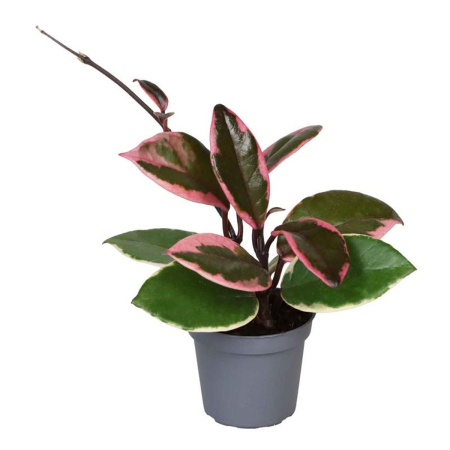
Hoya kaikoana Ø7cm
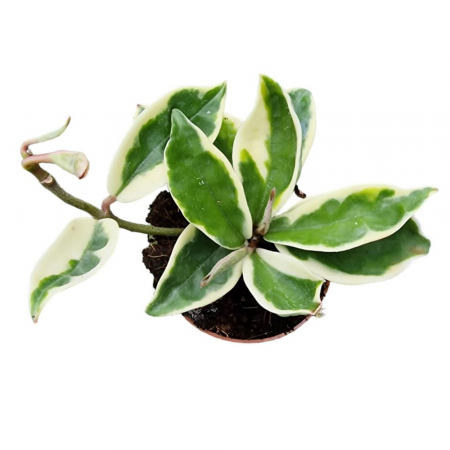
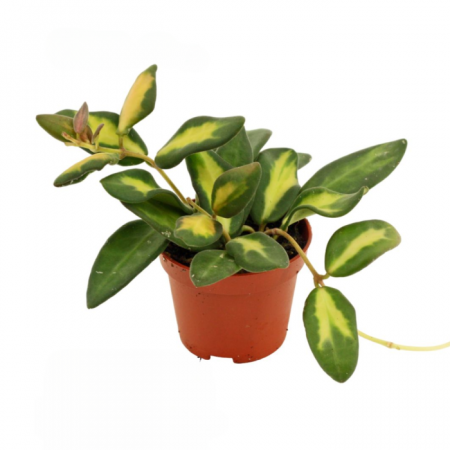
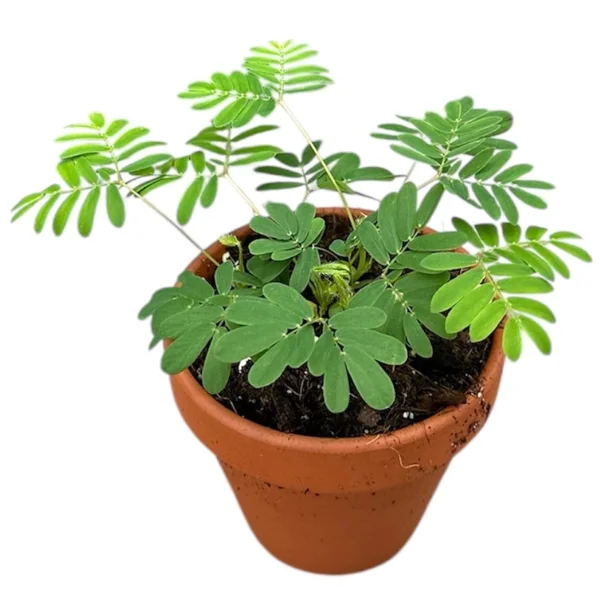
![Hoya kaikoana with glossy oval leaves [1]](https://gomagcdn.ro/domains2/eufloria.ro/files/product/original/hoya-kaikoana-d7cm-827110.jpg "Hoya kaikoana with glossy oval leaves [1]")
Hoya kaikoana — rare hoya from Sulawesi with glossy oval leaves and fragrant cream-yellow flowers in umbels. Compact, beginner-friendly. Ø7cm.
Note: Product images are for guidance only. Due to different batches of imported products, there may be differences between the images on the website and the actual appearance of the products.
Approx height (including pot): 5 cm
Flowering state: No flowers
Pot diameter: 7 cm
- Description
- Characteristics
- Reviews (0)
- FAQ
🌿 Hoya kaikoana — the rare jewel from Sulawesi
Hoya kaikoana is a new species, discovered relatively recently in the tropical forests of Sulawesi, Indonesia. The name comes from the locality of Kaiko, where the first specimen was collected. The plant is appreciated by collectors for its oval, glossy leaves with a prominent central vein, and for its pastel-yellow flowers in tight umbels, sweetly fragrant.
This hoya is compact, medium-growing, suitable for small spaces. It adapts excellently to cultivation in small pots with airy substrate or mounted on plaque. It's an ideal choice for beginners in the hoya world who want a rare species that tolerates occasional mistakes.
🌍 Origin and habitat
Hoya kaikoana grows in the equatorial forests of Sulawesi at medium altitudes (500-1200 m), where it benefits from high humidity (70-85%) and stable temperatures (20-28°C). As an epiphyte, it climbs moss-covered trunks.
🌱 How to care for it
Bright indirect light (1500-3000 lux), humidity 60-80%, temperatures 18-28°C. Water when substrate is nearly dry, use airy epiphyte mix (orchid bark + perlite + coco chips). Fertilize monthly in spring-summer with diluted fertilizer.
🌸 Flowering
Hoya kaikoana flowers after 2-3 years of stable growth, producing umbels of 10-20 cream-yellow star-shaped flowers with reddish corona. Flowers last 5-7 days and release a sweet fragrance in the evening.
🌿 Cats, dogs and children
Hoya kaikoana is not toxic to pets or children. All hoyas are safe, but the milky sap may cause irritation to sensitive skin.
Lungime: 7 cm
Greutate (kg): 0.25 Kg
Denumire: Hoya
Diametru: 7 cm
Cerințe lumină: Strong, indirect light
Tip plantă: Decorative
Utilizare: Interior
Tip suport: Ghiveci
Material Suport: Plastic
How often should I water Hoya kaikoana?
Hoya kaikoana should only be watered when the substrate has dried out completely. During the warm season, this means approximately once every 7-10 days, and in winter every 2-3 weeks. Being a montane species, it tolerates drying out better than excess moisture.
Is Hoya kaikoana toxic to pets?
No, Hoya kaikoana is not toxic to pets. The Hoya genus is considered non-toxic to both dogs and cats. The mild latex that may appear when stems are broken does not contain harmful substances. However, it is recommended to place the plant where pets cannot chew on it, as ingesting any plant material may cause mild digestive discomfort.
What is the best substrate for Hoya kaikoana?
Hoya kaikoana prefers a well-draining, airy, slightly acidic substrate. An ideal mix contains pine bark (40%), perlite (30%), and peat or coco coir (30%). The substrate should allow the epiphytic roots to breathe and must not retain excess water. Avoid compact universal potting soil, which can cause root rot.
What minimum temperature does Hoya kaikoana tolerate?
Hoya kaikoana tolerates a minimum temperature of approximately 15°C (59°F). The optimal growing temperature ranges between 18°C and 28°C (64–82°F). As a tropical species native to New Zealand, it cannot withstand frost or prolonged exposure to temperatures below 12°C. During winter, ensure the plant is not exposed to cold drafts from windows or doors.
When does Hoya kaikoana bloom?
Hoya kaikoana can bloom under optimal growing conditions, typically during the warm season (spring to summer). The flowers are small, grouped in delicate umbels, with a subtle fragrance. To encourage blooming, provide bright indirect light, a winter rest period with reduced watering and slightly cooler temperatures (16–18°C), and ensure the plant is mature (at least 2–3 years old) before expecting flowers.
Where does Hoya kaikoana come from?
What flowers does it produce?
Is it suitable for hoya beginners?
Is Hoya kaikoana toxic?
How to propagate?
Ai nevoie și de un ghiveci decorativ?