EN/
EN/ Romana
Hoya hypolasia Ø7cm
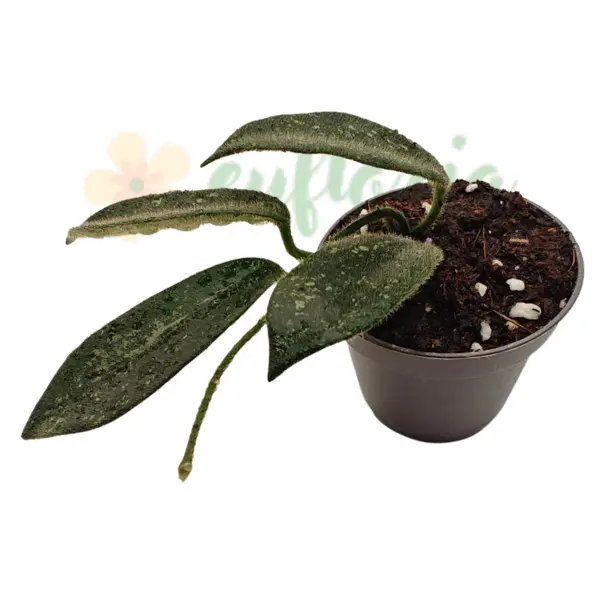
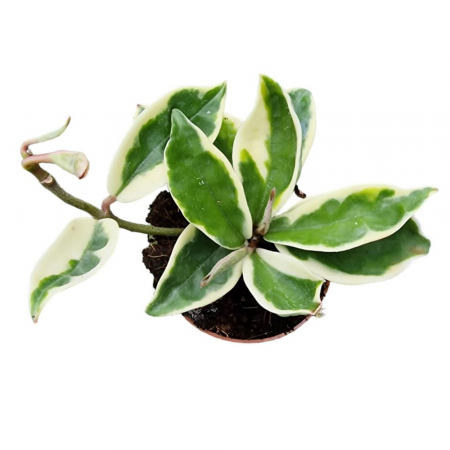
![Hoya hypolasia tropical plant with long narrow elegant green leaves in pot [0]](https://gomagcdn.ro/domains2/eufloria.ro/files/product/medium/hoya-hypolasia-d7-644478.webp "Hoya hypolasia tropical plant with long narrow elegant green leaves in pot [0]")
![Hoya hypolasia tropical plant with long narrow elegant green leaves in pot [1]](https://gomagcdn.ro/domains2/eufloria.ro/files/product/medium/hoya-hypolasia-d7-865348.webp "Hoya hypolasia tropical plant with long narrow elegant green leaves in pot [1]")
![Hoya hypolasia tropical plant with long narrow elegant green leaves in pot [2]](https://gomagcdn.ro/domains2/eufloria.ro/files/product/medium/hoya-hypolasia-d7-635103.webp "Hoya hypolasia tropical plant with long narrow elegant green leaves in pot [2]")
![Hoya hypolasia tropical plant with long narrow elegant green leaves in pot [1]](https://gomagcdn.ro/domains2/eufloria.ro/files/product/original/hoya-hypolasia-d7-644478.webp "Hoya hypolasia tropical plant with long narrow elegant green leaves in pot [1]")
![Hoya hypolasia tropical plant with long narrow elegant green leaves in pot [2]](https://gomagcdn.ro/domains2/eufloria.ro/files/product/original/hoya-hypolasia-d7-865348.webp "Hoya hypolasia tropical plant with long narrow elegant green leaves in pot [2]")
![Hoya hypolasia tropical plant with long narrow elegant green leaves in pot [3]](https://gomagcdn.ro/domains2/eufloria.ro/files/product/original/hoya-hypolasia-d7-635103.webp "Hoya hypolasia tropical plant with long narrow elegant green leaves in pot [3]")
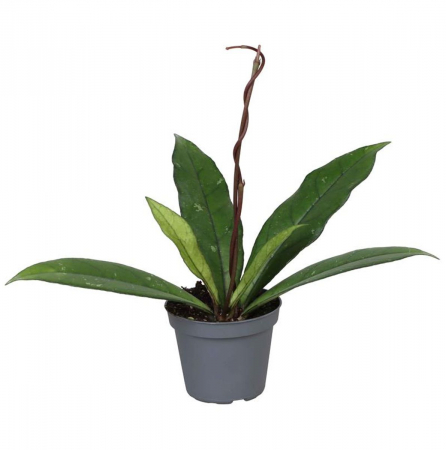
Hoya hypolasia is a rare species featuring narrow, elegant leaves and fragrant white-pink waxy flowers. Graceful trailing habit, perfect for hanging pots and tropical plant collections.
Approx height (including pot): 15 cm
Flowering state: No flowers
Pot diameter: 7 cm
- Description
- Characteristics
- Reviews (0)
- FAQ
🌿 Hoya hypolasia — Tropical elegance with narrow leaves and waxy flowers
Hoya hypolasia is a rare and exceptionally elegant species from the Hoya genus, native to the humid tropical forests of Southeast Asia. This plant distinguishes itself through its long, narrow, and graceful leaves that arch elegantly along thin stems, creating a refined and delicate visual effect. The small, waxy flowers in white-pink shades are grouped in spherical inflorescences that emit a subtle, sweet fragrance.
What makes Hoya hypolasia so appreciated by collectors is its unique appearance, different from most other Hoya species. The narrow, lanceolate leaves, 10–15 centimeters long, have a thin but firm texture with a slightly textured surface and a medium-green color with silvery undertones. This distinctive foliar morphology makes it easy to identify and gives it a special charm in any collection.
The trailing habit of the plant is extremely decorative. Stems extend gracefully, forming a cascade of narrow leaves that looks spectacular in a hanging pot or on a high shelf. Growth is moderate but constant, and the plant gradually develops an impressive vegetative mass that becomes a focal point in any interior arrangement.
The flowers appear fragile but are surprisingly resilient. Waxy petals gleam under light, and the darker central corona creates a delicate contrast. Inflorescences persist for weeks, and their subtle fragrance intensifies in the evening, bringing a tropical note to the home atmosphere.
🌟 Detailed care guide
Light ideal for Hoya hypolasia is bright indirect. Place the plant near an east or west-facing window where it will receive a few hours of filtered morning or afternoon sun. Avoid direct midday sunlight, which can cause burns on the delicate leaves. Insufficient light will lead to elongated stems and reduced flowering.
Watering is done with moderation. Allow the substrate to partially dry between waterings — check the first 2–3 centimeters. In summer, watering is usually needed once a week, while winter frequency drops to once every 10–14 days. The thin leaves of this species do not store as much water as succulent-leaved species, so maintain a regular schedule without excess. Use room-temperature water.
Temperature optimally ranges between 18°C and 27°C throughout the year. It cannot tolerate cold below 12°C and must be protected from cold drafts. A day-night temperature difference of 3–5 degrees can stimulate flowering. Ideal relative humidity is 55–75%, but the plant adapts reasonably to lower humidity levels. Periodic misting of the leaves is beneficial.
Substrate must be very well-draining and aerated. An equal-parts mix of pine bark, perlite, and sphagnum works excellently. The pot should have generous drainage holes and not be oversized — a compact pot stimulates flowering and prevents root problems.
🌺 Propagation and fertilization
Hoya hypolasia propagates through stem cuttings with 2–3 nodes and a few leaves, placed in a moist mix of perlite and sphagnum. Roots appear within 3–5 weeks at a constant temperature above 20°C. Water propagation is also possible, changing the water every 2–3 days to prevent bacterial growth.
Air layering offers a high success rate. Wrap a node with moist sphagnum and transparent film, maintaining constant humidity for 3–6 weeks until roots form. The advantage of this method is that the cutting remains nourished by the mother plant throughout the process.
Fertilization is done during the active growth period (April–September) with a balanced liquid fertilizer at half the recommended concentration, every two weeks. To stimulate flowering, alternate with a phosphorus-rich fertilizer monthly. In winter, stop fertilization entirely. Do not cut flower peduncles after blooming — they will produce new flowers in subsequent seasons.
Repotting is done in spring, every 2–3 years, into a pot maximum 1–2 centimeters larger. Use fresh, well-draining substrate and handle roots with care — they are fragile and sensitive to mechanical damage.
🌍 Origin and botanical traits
Hoya hypolasia belongs to the family Apocynaceae, subfamily Asclepiadoideae. It is native to tropical regions of Southeast Asia, where it grows as an epiphyte on tree trunks in humid lowland and montane forests at varied altitudes. Its natural environment is characterized by high humidity, filtered light, and constant temperatures year-round.
The leaves are the species' main distinctive trait: lanceolate, 10–15 centimeters long, with a width of only 2–3 centimeters, giving them an elegant and aerodynamic appearance. The foliar surface presents a fine, matte or slightly glossy texture in medium green with silvery reflections that become more visible under natural light.
The root system is adapted to epiphytic life — thin aerial roots that anchor to their support and absorb nutrients from the surrounding environment. This adaptation explains the need for a very aerated substrate in cultivation that allows air circulation around the roots and prevents water stagnation.
✨ Why choose Hoya hypolasia
Hoya hypolasia is the perfect choice for those seeking a rare plant with a distinctive appearance, different from more common Hoya species. The narrow, graceful leaves offer an interesting visual contrast alongside Hoyas with round or oval leaves, enriching the diversity of any tropical plant collection.
Its decorative versatility is a major strength. It looks wonderful in a hanging pot, where the cascade of narrow leaves creates a vegetal curtain effect, or on a plant shelf where it can be admired at eye level. It suits both minimalist arrangements and plant-filled corners, adapting to any decor style.
Accessible care and resilience to indoor conditions make it suitable for both experienced collectors and beginners. It does not require extreme humidity or temperature conditions, adapting well to standard environments in homes. With patience and minimal attention, the plant will reward with fragrant blooms year after year.
From Eufloria you receive a healthy, well-rooted specimen acclimated to indoor conditions. Each plant is carefully tended and delivered in optimal conditions, ready to add tropical elegance to your plant collection.
Hoya hypolasia also makes an excellent companion plant in mixed tropical arrangements. Its narrow, airy foliage provides textural contrast when displayed alongside broader-leaved species such as Monstera or Philodendron. In a curated plant shelf or living wall, this species contributes a unique silhouette that catches the eye and adds movement to the overall composition. Its moderate growth rate ensures it remains proportionate and harmonious within the arrangement for years to come.
Lungime: 10 cm
Greutate (kg): 0.25 Kg
Denumire: Hoya
Diametru: 7 cm
Cerințe lumină: Partial umbra
Tip plantă: Decorative
Utilizare: Interior
Tip suport: Ghiveci
Material Suport: Plastic
How big does Hoya hypolasia get?
Is Hoya hypolasia easy to care for?
How do I identify Hoya hypolasia from other Hoyas?
When does Hoya hypolasia bloom?
What makes Hoya hypolasia rare?
Ai nevoie și de un ghiveci decorativ?