EN/
EN/ Romana
Hoya australis Ø12cm
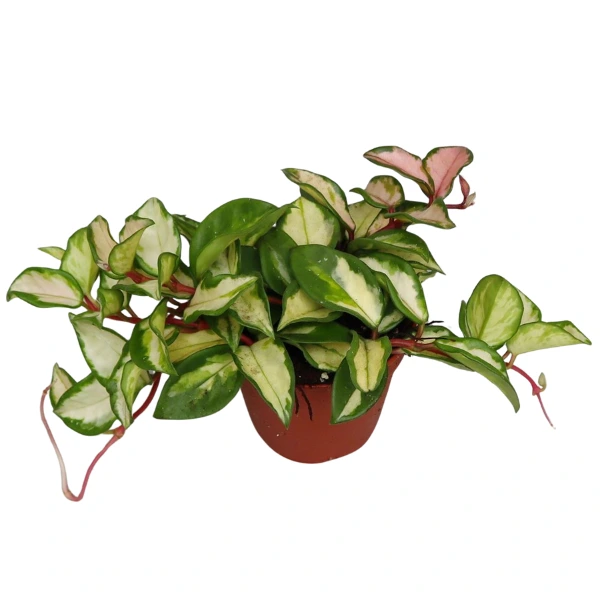
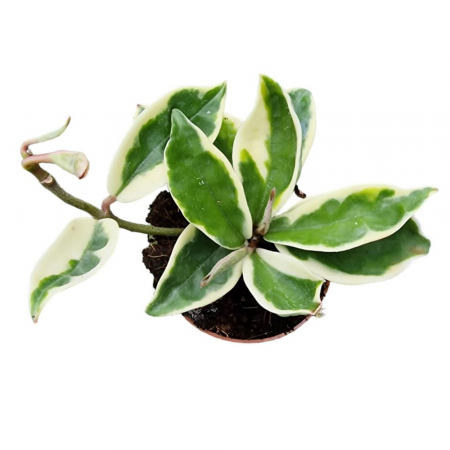
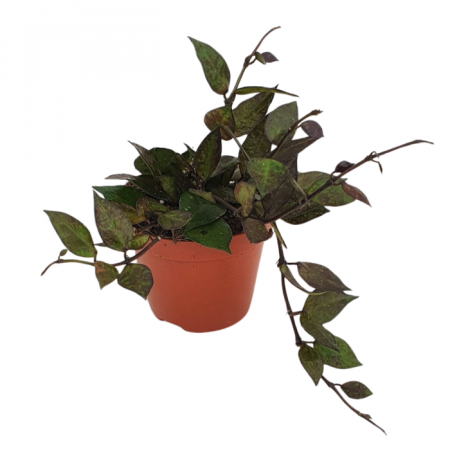
![Hoya australis — classic Australian species with thick waxy intense-green oval leaves and umbels of fragrant white star-shaped flowers with pink-coral coronas [0]](https://gomagcdn.ro/domains2/eufloria.ro/files/product/medium/hoya-australis-d12-781830.webp "Hoya australis — classic Australian species with thick waxy intense-green oval leaves and umbels of fragrant white star-shaped flowers with pink-coral coronas [0]")
![Hoya australis — classic Australian species with thick waxy intense-green oval leaves and umbels of fragrant white star-shaped flowers with pink-coral coronas [1]](https://gomagcdn.ro/domains2/eufloria.ro/files/product/medium/hoya-australis-d12-271039.webp "Hoya australis — classic Australian species with thick waxy intense-green oval leaves and umbels of fragrant white star-shaped flowers with pink-coral coronas [1]")
![Hoya australis — classic Australian species with thick waxy intense-green oval leaves and umbels of fragrant white star-shaped flowers with pink-coral coronas [1]](https://gomagcdn.ro/domains2/eufloria.ro/files/product/original/hoya-australis-d12-781830.webp "Hoya australis — classic Australian species with thick waxy intense-green oval leaves and umbels of fragrant white star-shaped flowers with pink-coral coronas [1]")
![Hoya australis — classic Australian species with thick waxy intense-green oval leaves and umbels of fragrant white star-shaped flowers with pink-coral coronas [2]](https://gomagcdn.ro/domains2/eufloria.ro/files/product/original/hoya-australis-d12-271039.webp "Hoya australis — classic Australian species with thick waxy intense-green oval leaves and umbels of fragrant white star-shaped flowers with pink-coral coronas [2]")
Hoya australis is one of the most beloved species in the Apocynaceae family, a classic of tropical plant collections, native to Australia, Fiji, Vanuatu and New Guinea. Thick, waxy, intense-green oval leaves, and spectacular umbels of white star-shaped flowers with pink-coral coronas, fragrant with sweet notes of honey and vanilla. A robust plant, ideal for hanging pots, with remarkable resilience to simple care.
Approx height (including pot): 30 cm
Flowering state: No flowers
Country of origin: Denmark
Pot diameter: 12 cm
- Description
- Characteristics
- Reviews (0)
- FAQ
🌿 Hoya australis — The Classic Porcelain Flower of Tropical Gardens
Hoya australis is one of the most beloved and widespread species in the Hoya genus, an absolute classic of tropical plant collections, appreciated by both experienced collectors and beginners for its unique combination of beauty and robustness. With oval, thick, glossy, waxy leaves and spectacular umbels of white star-shaped flowers with pink-coral centers, fragrant with sweet notes of honey, this species brings the charm of Australian tropical forests directly into your home.
The vining stems, firm and flexible, can reach impressive lengths of 2–4 meters in cultivation, making this plant a perfect candidate for hanging pots, wall baskets, minimalist trellises or vertical supports. Its oval-round leaves, of deep and glossy green, cover the stems with geometric regularity, and at maturity the plant becomes a true green cascade that flows elegantly over the edge of the pot.
At the offered size — Ø12cm pot — the plant is mature, with developed stems and numerous leaves, ready both to adapt quickly to a new growing environment and to produce fragrant umbels under optimal care conditions. It is an ideal specimen both for enthusiasts wanting a safe plant that flowers relatively quickly and for experienced collectors who appreciate botanical classics.
🌍 Origin and Botanical History
Hoya australis was scientifically described for the first time in 1810 by the British botanist Robert Brown, the same who established the Hoya genus in honor of his friend Thomas Hoy. The species name — australis, meaning "southern" — refers to its distribution range in the southern hemisphere. It is native to a large geographic area including the east coast of Australia (Queensland and New South Wales), the Pacific Islands (Fiji, Vanuatu, Samoa) and New Guinea.
In its natural habitat, Hoya australis grows epiphytically on tree trunks in evergreen tropical forests and at forest edges, at altitudes from sea level to approximately 1000 meters. It clings to trees with the help of aerial roots, often forming massive garlands that can cover entire trunk surfaces. This natural adaptability translates in indoor cultivation into a remarkably tolerant and generous plant with minimal care.
The Hoya genus belongs to the Apocynaceae family, the same that includes oleander, stephanotis or frangipani. Today the genus comprises over 200 recognized species, spread from India and the Himalayas to the Malay Archipelago, Australia and the Pacific Islands, each with distinctive characteristics — from tiny succulent leaves to huge waxy leaves with silver veins.
🌱 The Foliage
Hoya australis leaves are one of its most attractive features. Oval-round in shape, with rounded base and slightly pointed tip, they measure between 5 and 10 centimeters in length and 3–6 centimeters in width, with a remarkable texture — thick, waxy-succulent, with a subtle sheen that captures light. To the touch, the leaves have the firmness of fine leather, reflecting the plant's ability to store water and tolerate periods of dryness.
The base color is a deep, glossy green, sometimes with olive hues in strong light. Under intense light conditions, the leaves can develop slightly pinkish or coppery edges, a phenomenon called "sun stress" that does not harm the plant. Venation is discreet, almost invisible — the leaves look like compact blocks of jade green, arranged in opposite pairs along the stems.
In mature plants, the leaves crowd generously, creating true curtains of foliage that spill over the edges of the pot. It is a plant that visibly rewards careful care through new leaves appearing at regular intervals and through the continuous growth of stems.
🌸 The Flowers
The true magic of Hoya australis is revealed during its flowering period — an impressive floral explosion that has made it one of the most sought-after Hoyas for indoor gardeners. The umbels are spherical, generous, made up of 20–40 small star-shaped flowers with five perfectly symmetrical points, of immaculate white, with a central corona of pink-coral to burgundy-red, creating a spectacular contrast.
Each flower measures approximately 1–1.5 cm in diameter and has the waxy surface characteristic of the genus, as if sculpted from fine porcelain. The fragrance is sweet, strong, with notes of honey and vanilla, more intense at sunset and during the night — a single blooming umbel can intensely perfume a medium-sized room for almost a week.
The flowering period extends between late spring and autumn, and mature plants can produce several consecutive umbels on the same peduncle. Hoya australis is one of the most generously flowering species in the genus, making it perfect for gardeners who want to experience "Hoya magic" without long years of waiting. IMPORTANT: DO NOT cut flower peduncles after flowers fall — they are perennial and will produce new umbels on the same structure in subsequent years.
🌱 Growth Habit and Development
Hoya australis is one of the most vigorous species in the genus. Growth is fast for a Hoya — in good conditions, it produces new leaves constantly throughout the growing season, and stems can add 30–50 cm of length annually. It is perfect for hanging pots, where stems flow elegantly over the edge of the pot, or for vertical supports, where it climbs and develops increasingly larger and waxier leaves.
The roots are adapted to epiphytism — they prefer airy, well-drained substrates and slightly snug pots. Frequent repotting is not necessary; once every 2–3 years is sufficient, with a pot only slightly larger than the previous one. Terracotta pots with generous drainage holes best reproduce the plant's natural conditions.
For a healthy and flowering plant, follow these requirements:
- Light: bright indirect; east- or west-facing windowsill ideal, or at distance from a south-facing window filtered. Avoid direct midday sun. Good light is essential for inducing flowering.
- Temperature: 18–28°C optimal; does not tolerate below 12°C. Night/day differences of 3–5°C in spring stimulate flowering.
- Watering: moderate; let the substrate dry almost completely between waterings. Once a week in summer, every 2–3 weeks in winter. The thick leaves store water — excess leads to root rot.
- Humidity: 50–70% ideal; adapts well to 40% as well. Weekly leaf misting keeps the plant vital.
- Substrate: airy, well-drained — pine bark + perlite + sphagnum + activated charcoal; aroid/orchid mix is ideal.
- Fertilization: every 3–4 weeks during the growing season with balanced liquid fertilizer diluted by half. Higher phosphorus in spring for flowers.
- Propagation: via stem cuttings with 2–3 nodes, rooted in water, moist sphagnum or perlite; spring/summer are optimal.
🌸 Why Choose Hoya australis
Hoya australis is the perfect plant for any Hoya enthusiast, from beginner to experienced collector. Its remarkable resilience, the classic beauty of the oval green leaves and the generosity with which it flowers make it one of the most satisfying tropical indoor plants. It is a safe choice, a plant that rewards basic care with healthy leaves and fragrant flowers, quickly becoming a favorite for anyone who grows it.
Lungime: 15 cm
Greutate (kg): 1 Kg
Denumire: Hoya
Diametru: 12 cm
Cerințe lumină: Lumina indirectă
Tip plantă: Plantă agățătoare
Utilizare: Interior
Tip suport: Ghiveci
Material Suport: Plastic
How do I care for a Hoya plant?
Hoya plants prefer bright indirect light, moderate watering (allow the soil to dry between waterings) and temperatures between 18-27°C (65-80°F). Provide well-draining substrate and higher humidity for optimal growth.
When does Hoya bloom?
Hoya typically blooms in spring and summer, producing waxy, fragrant flowers. Do not cut the peduncles after flowering, as the plant will bloom again from the same stalks.
How often should I water my Hoya?
Water your Hoya when the top layer of soil (2-3 cm) has dried completely. In summer, this usually means once a week, and in winter every 2-3 weeks. Avoid overwatering.
Is Hoya toxic to pets?
Hoya is generally considered non-toxic to dogs and cats. However, ingestion of any plant may cause mild gastric discomfort, so it is recommended to keep the plant away from pets.
How do I propagate Hoya?
Hoya can be propagated through stem cuttings with 2-3 nodes. Place the cuttings in water or moist substrate and wait 2-6 weeks for rooting. Higher humidity helps the process.
How do I care for Hoya australis?
Hoya australis prefers bright indirect to direct light, moderate watering (let the soil dry out between waterings) and an airy, well-draining substrate. Ideal temperatures range from 18–28°C. It is a robust and easy-to-care-for species.
When does Hoya australis bloom?
Hoya australis blooms relatively easily during the warm season, producing clusters of white, waxy flowers with an intense sweet fragrance, especially in the evening. It is one of the most prolific blooming Hoya species.
What makes Hoya australis special?
Hoya australis is one of the most popular Hoya species, native to Australia. It is valued for its vigorous growth, glossy leaves, and fragrant flowers. It is ideal for beginners due to its resilience.
Is Hoya australis toxic to pets?
Hoya australis is considered non-toxic to cats and dogs. However, ingesting leaves may cause mild digestive discomfort. Keep the plant out of reach of curious pets.
How can I propagate Hoya australis?
Propagation is easy through stem cuttings with at least one node. Place the cuttings in water or moist perlite. Roots appear in 2–3 weeks, after which transplant into an airy substrate.
Is Hoya australis suitable for beginners?
Yes. Hoya australis is one of the most robust and tolerant species in the genus, frequently recommended to beginners. It grows fast, flowers generously and forgives minor care errors. It is a 'classic Hoya' — a safe plant with quick rewards. Follow the basic rules: bright indirect light, moderate watering (let the substrate dry), airy substrate, and you will have excellent results.
How do I make it bloom?
The key is bright indirect light. An east- or west-facing windowsill is ideal, or 1–2m from a filtered south-facing window. Night/day difference of 3–5°C in spring and fertilization with higher phosphorus stimulates peduncle formation. Mature plants (2–3 years from rooting) flower first in summer. IMPORTANT: DO NOT cut flower peduncles after flowers fall — they are perennial and produce new umbels for years.
How often should it be watered?
Watering is moderate. Let the substrate dry almost completely between waterings — the thick waxy leaves store water, so the plant tolerates dryness much better than overwatering. Once a week in summer, every 2–3 weeks in winter. Overwatering is the main cause of mortality in Hoyas — roots quickly rot in compact and permanently wet substrate.
Is Hoya australis toxic?
No. The Hoya genus is classified as non-toxic for humans and pets according to ASPCA. The milky sap may cause minor skin irritation in sensitive individuals or mild gastric discomfort if ingested, but contains no dangerous toxins. One of the safest plants for homes with cats, dogs or small children.
How to propagate Hoya australis?
Propagation is done via stem cuttings with 2–3 nodes, rooted in water, moist sphagnum or perlite. Spring and summer are the optimal periods. Cuttings root well in 3–6 weeks at high ambient humidity (clear bag). Hoya australis is one of the easiest species in the genus to propagate — even cuttings not specifically prepared root relatively quickly.
Ai nevoie și de un ghiveci decorativ?