EN/
EN/ Romana
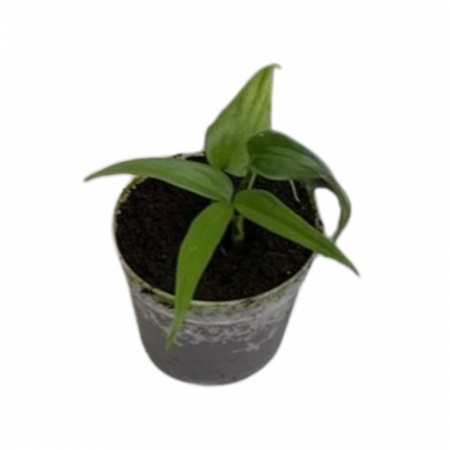
Anthurium clarinervium Ø6cm
![Anthurium clarinervium — velvety heart-shaped leaves with silvery-white veins [0]](https://gomagcdn.ro/domains2/eufloria.ro/files/product/medium/anthurium-clarinervium-865581.png "Anthurium clarinervium — velvety heart-shaped leaves with silvery-white veins [0]")
![Anthurium clarinervium — velvety heart-shaped leaves with silvery-white veins [1]](https://gomagcdn.ro/domains2/eufloria.ro/files/product/medium/anthurium-clarinervium-408751.png "Anthurium clarinervium — velvety heart-shaped leaves with silvery-white veins [1]")
![Anthurium clarinervium — velvety heart-shaped leaves with silvery-white veins [1]](https://gomagcdn.ro/domains2/eufloria.ro/files/product/original/anthurium-clarinervium-865581.png "Anthurium clarinervium — velvety heart-shaped leaves with silvery-white veins [1]")
![Anthurium clarinervium — velvety heart-shaped leaves with silvery-white veins [2]](https://gomagcdn.ro/domains2/eufloria.ro/files/product/original/anthurium-clarinervium-408751.png "Anthurium clarinervium — velvety heart-shaped leaves with silvery-white veins [2]")
Anthurium clarinervium is a rare collector species from the Araceae family, native to Mexico, prized for its large, velvety, heart-shaped leaves of a deep dark green, marked by silvery-white veins that contrast spectacularly. It is one of the most sought-after foliage plants — a true living work of art for any collection.
Approx height (including pot): 15 cm
Country of origin: Denmark
Pot diameter: 6 cm
- Description
- Characteristics
- Reviews (0)
- FAQ
🌿 Anthurium clarinervium — Green Velvet Embroidered in Silver
Anthurium clarinervium is one of the most spectacular foliage plants in the world. Its large, heart-shaped leaves are of a deep dark green velvet, over which a network of silvery-white veins unfolds, looking as though embroidered with silver thread. Each leaf looks like a piece of living jewellery — a dramatic contrast between the velvety darkness of the blade and the metallic shine of the veins, which catches the light and shifts depending on the angle you view it from.
It is a much-coveted collector species, prized for its statuesque foliage and relative rarity in cultivation. Unlike the flowering Anthuriums common in florists, clarinervium is grown exclusively for its leaves — every new leaf is an event, larger and more impressive than the last, a true work of art that the plant produces with patience.
For someone who has already mastered a few houseplants and wants a truly distinctive piece, clarinervium is the natural step — a plant that turns any corner into an art gallery. It belongs to the genus Anthurium, but stands clearly apart from its flowering relatives through its decorative leaves, worthy of admiring on their own and photographing from every angle.
🌍 Origin and Botanical History
Anthurium clarinervium belongs to the Araceae family (aroids) and is native to the limestone mountain forests of the state of Chiapas, Mexico, where it grows lithophytically (on rocks) or epiphytically, clinging to rocks and trunks covered in moss. This rocky origin, in the humid crevices of the mountains, explains why the plant needs a very airy substrate and high humidity, but will not tolerate standing water at the roots.
The name clarinervium means "with clear/bright veins" — a perfect description of its defining feature, the network of white veins that contrast with the dark background. The genus Anthurium includes over 1,000 species, most from tropical America, and is one of the largest genera in the aroid family.
First described in the mid-20th century, clarinervium has become a legend among collectors of decorative foliage plants, alongside equally spectacular relatives such as Anthurium crystallinum and magnificum, with which it is often compared and confused. Unlike these, clarinervium has rounder, thicker and more resilient leaves, which makes it slightly more tolerant in indoor cultivation. It shares its Araceae family with famous relatives such as Philodendron and Monstera, but its cultivation focuses exclusively on the leaves, not the flowers.
🌱 The Foliage
The leaves are large, heart-shaped (cordate), 10–25 cm long on mature plants, of a velvety, matte texture and an intense dark green, almost black in low light. The defining feature is the network of wide, bright silvery-white main veins that create a "bone" or map pattern against the dark background — a design so precise it looks engraved. The velvety surface absorbs light, giving the leaf a special depth and highlighting the shine of the veins.
New growth often emerges with a coppery or bronze hue, surprisingly different from the mature leaves, before gradually darkening to the characteristic velvety green. This colour transformation is one of the most beautiful moments in the plant's life. The leaves are thick and firm, held up by long petioles that raise them above the central rosette.
The habit is compact, with leaves rising from a central rosette and arranged radially — a plant that looks impressive even at small sizes, perfect for a desk, a humid cabinet or a bright shelf. The velvety foliage should not be wiped with a damp cloth (which can damage the texture) but cleaned with a soft brush. For other decorative velvety foliage and a related character, the rest of the Anthurium genus is also worth exploring.
🌱 Growth and Development
Anthurium clarinervium grows slowly with a compact habit, producing a few new leaves per year, each larger than the last. This slow growth is an advantage for those with limited space — the plant stays manageable for a long time, but it is also an invitation to patience: the reward comes in the form of ever more impressive leaves that confirm you are doing everything right. It loves high humidity and a very airy substrate, similar to that of its rocky habitat.
The care requirements must be followed carefully for the plant to thrive:
- Light: bright, indirect light — highlights the vein contrast and encourages large leaves. Avoid direct sun, which scorches the velvety leaves, but also too little light, which leads to small, low-contrast leaves.
- Temperature: 18–27°C; avoid cold draughts and drops below 15°C.
- Watering: water when the top half of the substrate has dried; it likes steady moisture but not standing water at the roots, which quickly leads to rot. Always check with your finger.
- Humidity: 60–80% ideal — it appreciates a humidifier, a humid cabinet or grouping with other plants. It is a perfect plant for terrariums and humid cabinets, where the velvety foliage reaches its full potential.
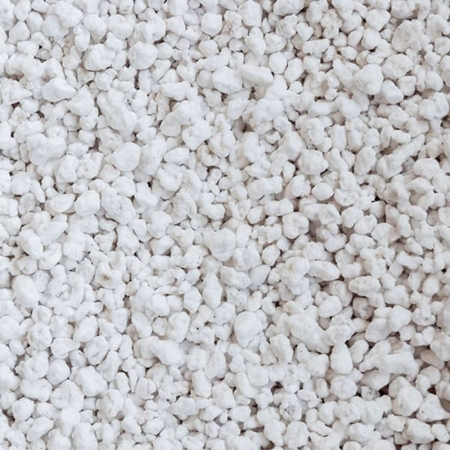
- Substrate: very airy and well-drained — an aroid mix with pine bark, perlite and a little charcoal, mimicking the rocky crevices of its natural habitat.
- Fertilising: balanced diluted liquid fertiliser every 4 weeks during the growing season.
- Propagation: by division or seed; rarely by cuttings, as it is a short-stemmed plant.
🌸 Common Problems, Solutions and Who It Is Perfect For
Anthurium clarinervium communicates through its leaves when conditions are not to its liking. Brown, dry tips and edges: the most common sign of low humidity — raise the humidity with a humidifier or humid cabinet. Small new leaves without clear contrast: insufficient light or a dehydrated plant — provide good light and steady humidity. Soft yellow leaves, permanently wet substrate: overwatering and risk of rot — let the substrate dry more and check the drainage. Dry brown spots on leaves: direct sun — move the plant to filtered light. Growth stops: normal in winter or in low humidity; it resumes in good conditions. The velvety foliage is sensitive — do not wipe it with a damp cloth.
Like all aroids, it can occasionally attract spider mites or mealybugs in dry air; periodic inspection prevents problems. It is a plant toxic through calcium oxalate and must be kept away from pets and small children.
In conclusion, Anthurium clarinervium is the ideal choice for the collector who appreciates statuesque foliage and is ready to give it the humidity it needs to shine. Its velvety leaves with silvery veins turn any corner into an art gallery, and every new leaf is a small event. Place it in a bright, humid spot, alongside other Anthurium plants, and you will have a living jewel that impresses with every new leaf, year after year.
Lungime: 15 cm
Greutate (kg): 0.25 Kg
Denumire: Anthurium
Diametru: 6 cm
Cerințe lumină: Partial umbra
Tip plantă: Decorative
Utilizare: Interior
Tip suport: Ghiveci
Material Suport: Plastic
Humidity?
Light?
Toxic?
Propagation?
Water?
Recommendations

Ai nevoie și de un ghiveci decorativ?