EN/
EN/ Romana
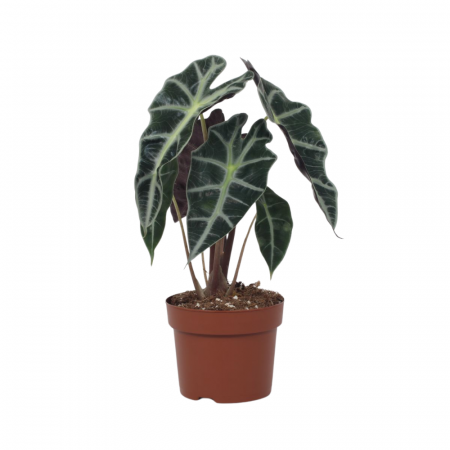
Alocasia sp. Sulawesi 'Sabrina Narrow' D7
![Alocasia sp. Sulawesi 'Sabrina Narrow' (Narrow Jacklyn) [0]](https://gomagcdn.ro/domains2/eufloria.ro/files/product/medium/alocasia-sabrina-narrow-d7-799338.webp "Alocasia sp. Sulawesi 'Sabrina Narrow' (Narrow Jacklyn) [0]")
![Alocasia sp. Sulawesi 'Sabrina Narrow' (Narrow Jacklyn) [1]](https://gomagcdn.ro/domains2/eufloria.ro/files/product/medium/alocasia-sabrina-narrow-d7-743065.webp "Alocasia sp. Sulawesi 'Sabrina Narrow' (Narrow Jacklyn) [1]")
![Alocasia sp. Sulawesi 'Sabrina Narrow' (Narrow Jacklyn) [1]](https://gomagcdn.ro/domains2/eufloria.ro/files/product/original/alocasia-sabrina-narrow-d7-799338.webp "Alocasia sp. Sulawesi 'Sabrina Narrow' (Narrow Jacklyn) [1]")
![Alocasia sp. Sulawesi 'Sabrina Narrow' (Narrow Jacklyn) [2]](https://gomagcdn.ro/domains2/eufloria.ro/files/product/original/alocasia-sabrina-narrow-d7-743065.webp "Alocasia sp. Sulawesi 'Sabrina Narrow' (Narrow Jacklyn) [2]")
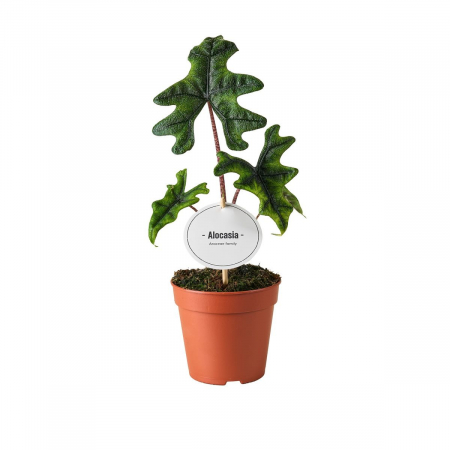
Alocasia sp. Sulawesi 'Sabrina Narrow' is a rare collector's aroid from Indonesia featuring elegant, slender arrow-shaped leaves with undulating margins and strikingly mottled, zebra-like petioles. This compact tropical specimen (50-80 cm) closely resembles Alocasia 'Jacklyn' but with narrower, smoother foliage. Thrives in bright indirect light and high humidity. A must-have for serious plant collectors seeking exceptional Sulawesi rarities.
Approx height (including pot): 10 cm
Pot diameter: 7 cm
- Description
- Characteristics
- Reviews (0)
- FAQ
Alocasia sp. Sulawesi 'Sabrina Narrow', also known as Narrow Jacklyn or simply Alocasia Sabrina, is a breathtaking rare Alocasia originating from the lush tropical rainforests of North Sulawesi, Indonesia. This exceptional collector's specimen has only recently emerged from the tight circles of dedicated Alocasia enthusiasts to become one of the most sought-after aroids in the houseplant world. Its combination of elegant, slender foliage and dramatically patterned petioles creates a refined tropical aesthetic that sets it apart from all other Alocasia varieties.
The 'Sabrina Narrow' belongs to the Araceae family and is closely related to the celebrated Alocasia 'Jacklyn' (Alocasia tandurusa), sharing similar geographic origins in Sulawesi's rainforests. However, 'Sabrina Narrow' distinguishes itself through its more elongated, lance-shaped leaves with a refined, upright growth habit. Where Alocasia 'Jacklyn' presents broader, deeply lobed foliage with a rough, velvety texture covered in fine hairs, 'Sabrina Narrow' features smooth, glossy leaves with sleeker contours – a key visual difference that collectors use to identify these related but distinct forms.
The most striking features of Alocasia 'Sabrina Narrow' include:
- Narrow, Arrow-Shaped Leaves: Slender, elongated foliage with deeply undulating margins that create a graceful, rippling texture. The leaves display a rich deep green color with bold, prominent venation that adds dramatic visual interest.
- Mottled, Zebra-Like Petioles: Perhaps the plant's most distinguishing characteristic – the stems feature stunning mottled patterns in shades of green and cream, reminiscent of the famous Alocasia zebrina. These "brushstroke" markings provide striking visual contrast against the sculptural foliage.
- Compact, Upright Growth: Unlike larger Alocasia species, 'Sabrina Narrow' maintains a manageable size indoors, typically reaching 50-80 cm in height with proper care. Its vertical growth habit makes it ideal for adding height without requiring excessive floor space.
- Sculptural Form: The combination of narrow leaves and patterned stems creates an architectural quality that commands attention as a focal point in any plant collection.
In its native habitat, Alocasia sp. Sulawesi 'Sabrina Narrow' grows in the shaded understory of tropical rainforests, often near water sources or in moist, well-draining soils. Some sources suggest it may exhibit epiphytic tendencies, occasionally growing on trees or elevated structures in the wild. This natural history informs the plant's care requirements: it thrives in warm, humid conditions with filtered light – conditions that can be successfully replicated in home environments.
Important Note: The name "Sabrina" was informally assigned by Indonesian collectors and sellers to distinguish this form from other Sulawesi Alocasia species. As an unpublished species/cultivar, it does not have an officially accepted scientific name beyond Alocasia sp. Sulawesi 'Sabrina Narrow'. This "Narrow" designation specifically refers to the elongated, slim leaf shape that separates it from wider-leaved Alocasia varieties.
Care Requirements:
- Light: Bright, indirect light is essential. Avoid direct sunlight, which can scorch the delicate leaves. Insufficient light will lead to leggy growth and diminished leaf development. East-facing or filtered west-facing windows provide ideal illumination.
- Water: Maintain consistently moist soil without allowing it to become waterlogged. Water when the top 2-3 cm of soil begins to dry. Alocasia are sensitive to both overwatering (causing root rot) and underwatering (causing leaf drop and crispy edges). Use filtered, rainwater, or tap water left overnight to reduce chlorine exposure.
- Humidity: High humidity (60-80%) is strongly preferred. This plant thrives in naturally humid spaces like bathrooms or kitchens with adequate light, or near humidifiers. Regular misting can help but maintaining ambient humidity is more effective.
- Temperature: Prefers warm conditions between 18-27°C (65-80°F). Protect from temperatures below 15°C (59°F) and avoid cold drafts or sudden temperature fluctuations, which can trigger leaf drop and dormancy.
- Soil: Use a well-draining, chunky aroid mix containing components like orchid bark, perlite, coco coir, and sphagnum moss. The mix should retain moisture while allowing excellent airflow around the roots – essential for preventing root rot.
- Fertilizing: Feed monthly during the growing season (spring through summer) with a balanced liquid fertilizer diluted to half strength. Reduce or cease fertilization during fall and winter when growth naturally slows.
- Dormancy: Like many Alocasia species, 'Sabrina Narrow' may enter dormancy during winter, exhibiting slowed growth and potential leaf loss. During this period, reduce watering but maintain warmth and light. New growth will resume in spring.
- Repotting: Repot every 1-2 years in spring, or when roots begin emerging from drainage holes. Use a pot only slightly larger than the current one.
Botanical Classification:
- Scientific Name: Alocasia sp. Sulawesi 'Sabrina Narrow' (unpublished/informal)
- Family: Araceae
- Common Names: Alocasia Sabrina Narrow, Narrow Jacklyn, Alocasia Sabrina
- Type: Rhizome geophyte (stores nutrients in underground rhizomes)
- Form: Hemicryptophyte (perennial with buds at or near ground level)
- Native Range: North Sulawesi, Indonesia
- Habitat: Shaded understory of tropical rainforests
- Growth Habit: Upright, compact
- Mature Size: 50-80 cm height under optimal conditions
- Toxicity: Toxic to humans and pets – contains calcium oxalate crystals
Lungime: 10 cm
Greutate (kg): 0.25 Kg
Denumire: Alocasia
Diametru: 7 cm
Cerințe lumină: Partial umbra
Tip plantă: Decorative
Utilizare: Interior
Tip suport: Ghiveci
Material Suport: Plastic
What is Alocasia 'Sabrina Narrow' and where does it come from?
Alocasia sp. Sulawesi 'Sabrina Narrow' is a rare tropical aroid native to the rainforests of North Sulawesi, Indonesia. It belongs to the Araceae family and grows naturally in the shaded understory of dense tropical forests. The name "Sabrina" was informally assigned by Indonesian collectors and plant sellers to distinguish this particular form, while "Narrow" refers to its characteristically elongated, slender leaves. It is not a formally described botanical species but rather a cultivated form that has gained popularity among rare plant collectors.
What is the difference between Alocasia 'Sabrina Narrow' and Alocasia 'Jacklyn'?
While both species originate from Sulawesi and share similar mottled petiole patterns, there are distinct visual differences. Alocasia 'Jacklyn' (Alocasia tandurusa) has broader, deeply lobed leaves with a rough, almost velvety texture due to fine hairs covering the leaf surface. In contrast, 'Sabrina Narrow' features narrower, more elongated leaves with smooth, glossy surfaces and a more refined, upright growth habit. The 'Sabrina Narrow' is sometimes called "Narrow Jacklyn" due to these relationships, but collectors distinguish them as separate entities.
Is Alocasia 'Sabrina Narrow' toxic to cats, dogs, and other pets?
Yes, Alocasia 'Sabrina Narrow' is toxic to cats, dogs, horses, and other animals. Like all Alocasia species, it contains insoluble calcium oxalate crystals that cause immediate pain, swelling, and irritation if any part of the plant is chewed or ingested. Symptoms include intense burning in the mouth, excessive drooling, difficulty swallowing, and potential vomiting. Keep this plant well out of reach of pets. If you suspect your pet has ingested any part of this plant, contact your veterinarian immediately.
How much light does Alocasia 'Sabrina Narrow' need?
Alocasia 'Sabrina Narrow' requires bright, indirect light to thrive. It naturally grows in the filtered light beneath the rainforest canopy, so direct sunlight should be avoided as it can scorch the leaves. Ideal placement includes east-facing windows or a few feet back from south/west-facing windows with sheer curtains. Insufficient light will cause leggy growth and reduced leaf development. If natural light is limited, the plant responds well to supplemental grow lights.
How often should I water Alocasia 'Sabrina Narrow'?
Water your Alocasia 'Sabrina Narrow' when the top 2-3 cm of soil begins to dry out. The goal is to maintain consistently moist but never waterlogged soil. Overwatering leads to root rot, while underwatering causes brown leaf edges and leaf drop. Watering frequency varies by season – typically more frequent in spring/summer during active growth and less frequent in winter. Use filtered water, rainwater, or tap water left overnight to allow chlorine to dissipate, as Alocasia can be sensitive to water chemicals.
What humidity level does Alocasia 'Sabrina Narrow' require?
Alocasia 'Sabrina Narrow' thrives in high humidity levels between 60-80%, reflecting its tropical rainforest origins. Average household humidity (40-50%) is usually insufficient for optimal growth and may cause brown leaf edges. To increase humidity: place the plant in naturally humid rooms like bathrooms or kitchens with adequate light, use a room humidifier, group it with other tropical plants to create a humid microclimate, or place the pot on a pebble tray filled with water. Regular misting provides temporary relief but doesn't replace sustained high humidity.
Why are the leaves on my Alocasia 'Sabrina Narrow' turning yellow?
Yellow leaves on Alocasia 'Sabrina Narrow' typically indicate watering issues. Overwatering is the most common cause, leading to root rot and subsequent leaf yellowing. Check that soil drains properly and isn't staying constantly wet. Underwatering can also cause yellowing, though it's usually accompanied by crispy leaf edges. Other causes include: natural aging of older leaves (normal if only affecting 1-2 lower leaves), insufficient light, nutrient deficiency (if not fertilized during growing season), or cold stress from temperatures below 15°C. Assess your care routine and environmental conditions to identify the specific cause.
Does Alocasia 'Sabrina Narrow' go dormant in winter?
Yes, like most Alocasia species, 'Sabrina Narrow' may enter a dormancy period during winter months when light levels decrease and temperatures drop. During dormancy, growth slows significantly, and the plant may shed some or all of its leaves. This is a natural survival mechanism – energy retreats to the underground rhizome/corm. During this period, reduce watering substantially (but don't let the corm dry out completely) and stop fertilizing. Keep the plant warm and in good light. New growth will emerge in spring when conditions improve.
How do I propagate Alocasia 'Sabrina Narrow'?
Alocasia 'Sabrina Narrow' is propagated through division of rhizomes or by separating offsets (pups) that develop from the mother plant's underground corm. The best time to propagate is during spring repotting. Carefully remove the plant from its pot and identify natural divisions or small offsets with their own roots. Gently separate these from the mother plant using a clean, sharp knife if necessary. Pot divisions individually in appropriate aroid mix, keep warm and humid, and wait for new growth to establish. Note that Alocasia cannot be propagated from leaf or stem cuttings, as leaves grow directly from the corm.
What soil mix is best for Alocasia 'Sabrina Narrow'?
Alocasia 'Sabrina Narrow' requires a well-draining, chunky aroid mix that retains moisture while allowing excellent airflow around the roots. An ideal mix includes: orchid bark (for drainage and aeration), perlite or pumice (for additional drainage), coco coir or peat moss (for moisture retention), and optional additions like activated charcoal or sphagnum moss. The mix should feel light and airy, not dense or compacting. Avoid standard potting soil alone, as it retains too much water and can lead to root rot. Many growers use a ratio of approximately 30% bark, 30% perlite, and 40% coco coir as a starting point.
Why is Alocasia 'Sabrina Narrow' considered rare?
Alocasia 'Sabrina Narrow' is considered rare for several reasons. It originates from a specific region in North Sulawesi, Indonesia, with limited natural distribution. Unlike mass-produced houseplants, it hasn't been extensively cultivated through tissue culture, meaning supply remains constrained. The plant has only recently gained attention outside dedicated collector circles, and demand among rare plant enthusiasts significantly exceeds available stock. Additionally, as an informally named form rather than a formally described species, commercial propagation and trade have developed more slowly than for established horticultural varieties.
What pests and problems commonly affect Alocasia 'Sabrina Narrow'?
Alocasia 'Sabrina Narrow' is susceptible to common houseplant pests, particularly spider mites (which thrive in low humidity conditions), mealybugs, thrips, and aphids. Regularly inspect leaves – especially undersides – and stems for signs of infestation. Prevent problems by maintaining high humidity, ensuring good airflow, and keeping the plant healthy. Other issues include root rot from overwatering (symptoms: yellowing leaves, mushy stems), leaf drop from cold stress or watering problems, and brown leaf edges from low humidity or mineral buildup in water. Fungal issues can develop in overly wet conditions with poor air circulation.
How big does Alocasia 'Sabrina Narrow' grow indoors?
Under optimal indoor conditions, Alocasia 'Sabrina Narrow' typically reaches 50-80 cm in height. Its compact, upright growth habit makes it more manageable than larger Alocasia species like A. macrorrhiza, which can exceed 2 meters. Mature leaves can reach impressive lengths, and the plant maintains an elegant, architectural profile. Growth rate depends on light, humidity, and care quality – expect several new leaves per growing season when conditions are ideal. The plant won't outgrow most indoor spaces, making it suitable for apartments and smaller homes while still providing substantial tropical presence.
Care?
Indirect, drained, moderate water. 18-25°C.
Water?
When soil dries.
Light?
Bright indirect.
Toxic?
Check specs.
Soil?
Well-drained.
Recommendations
Ai nevoie și de un ghiveci decorativ?