EN/
EN/ Romana
Hoya Sp Sabah D12cm
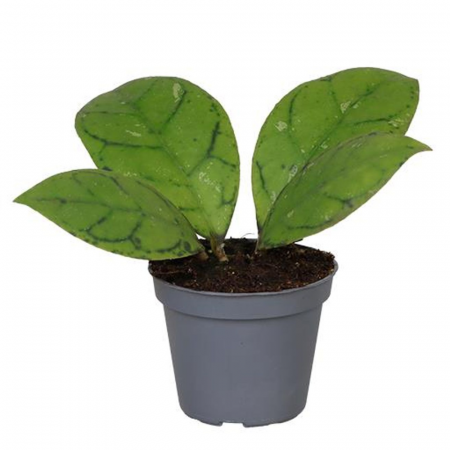
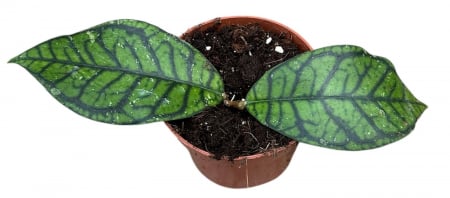
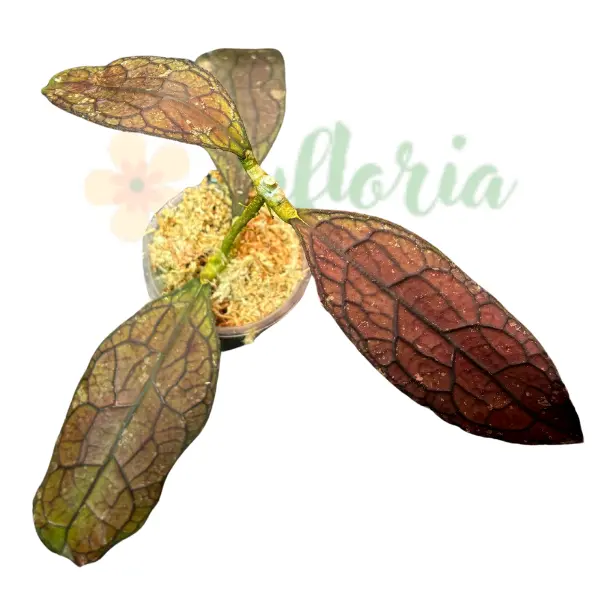
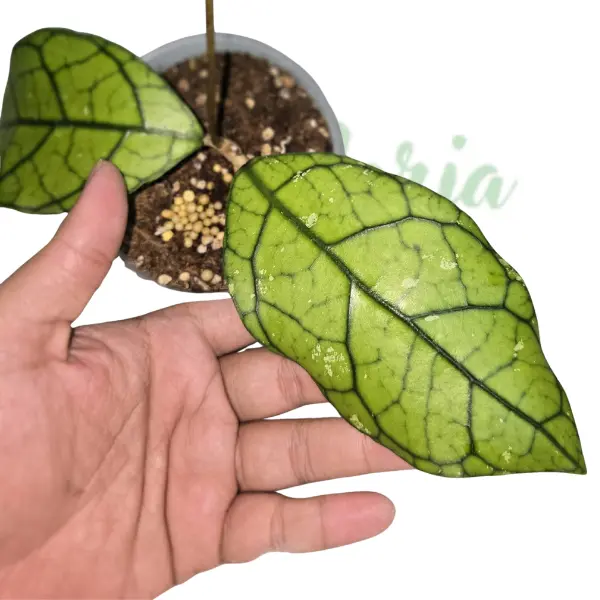
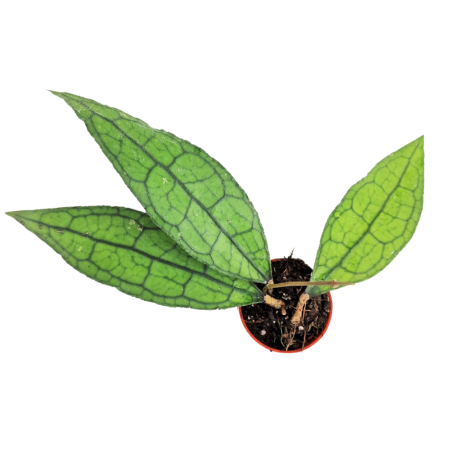
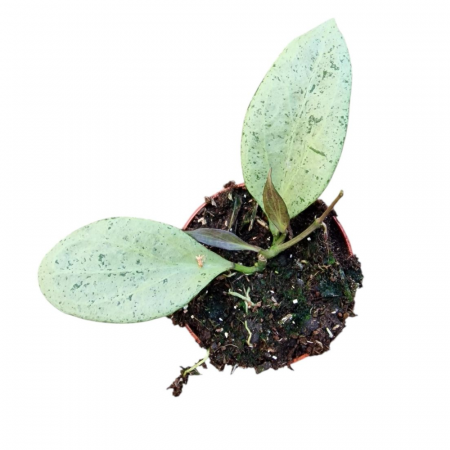
![Hoya sp. Sabah — distinct green leaves, Eufloria [0]](https://gomagcdn.ro/domains2/eufloria.ro/files/product/medium/planta-naturala-de-interior-hoya-sp-sabah-617123.png "Hoya sp. Sabah — distinct green leaves, Eufloria [0]")
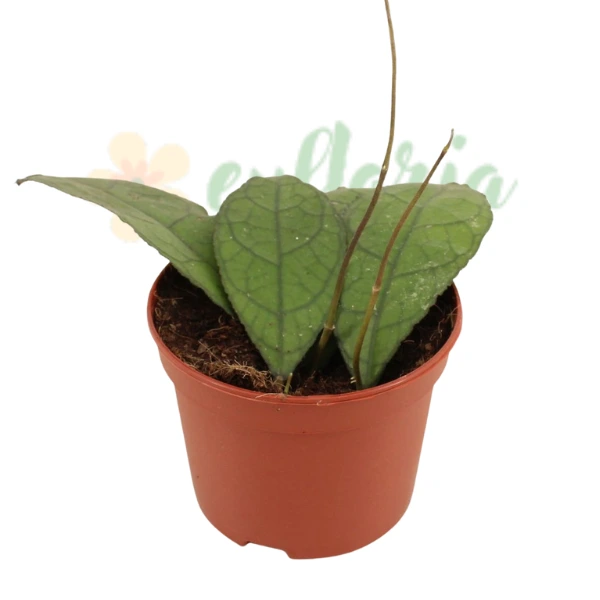
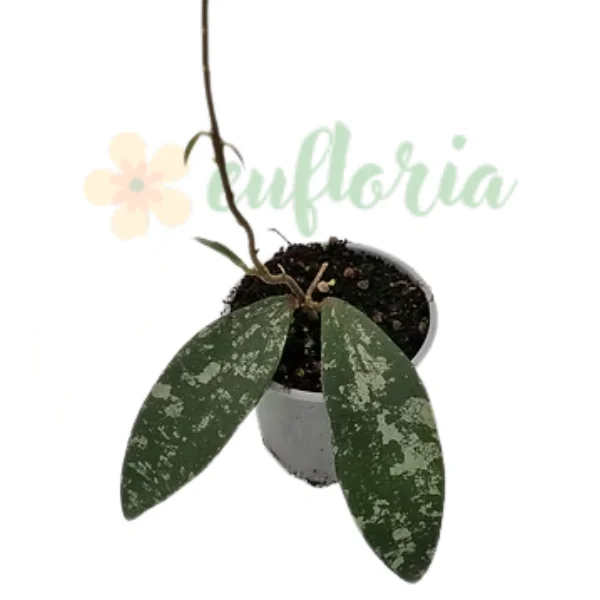
![Hoya sp. Sabah — distinct green leaves, Eufloria [1]](https://gomagcdn.ro/domains2/eufloria.ro/files/product/medium/planta-naturala-de-interior-hoya-sp-sabah-628842.png "Hoya sp. Sabah — distinct green leaves, Eufloria [1]")
![Hoya sp. Sabah — distinct green leaves, Eufloria [1]](https://gomagcdn.ro/domains2/eufloria.ro/files/product/original/planta-naturala-de-interior-hoya-sp-sabah-617123.png "Hoya sp. Sabah — distinct green leaves, Eufloria [1]")
![Hoya sp. Sabah — distinct green leaves, Eufloria [2]](https://gomagcdn.ro/domains2/eufloria.ro/files/product/original/planta-naturala-de-interior-hoya-sp-sabah-628842.png "Hoya sp. Sabah — distinct green leaves, Eufloria [2]")
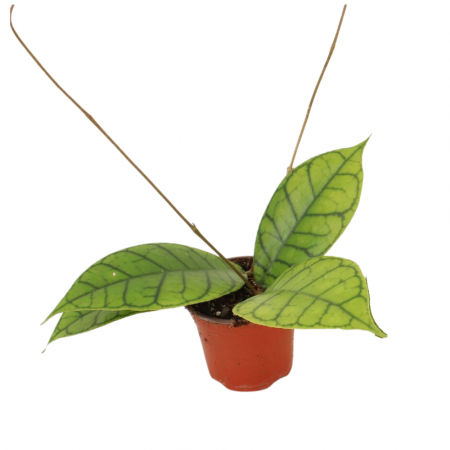
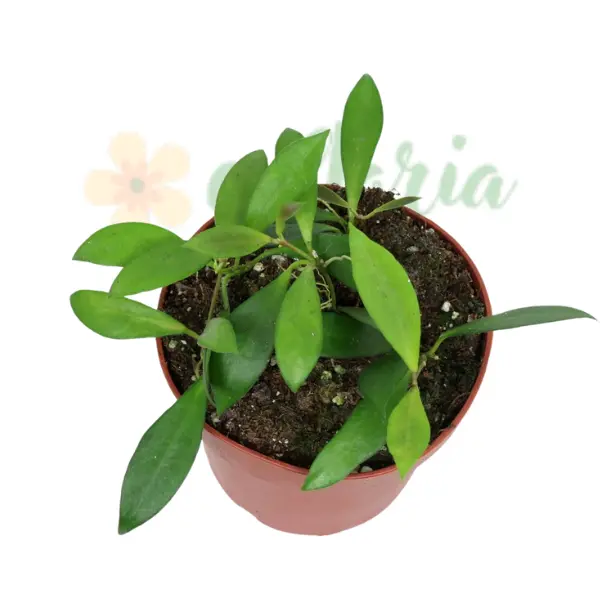
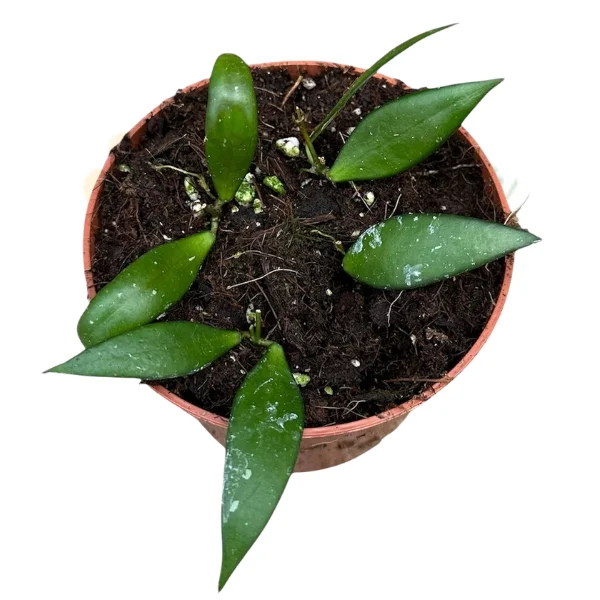
Hoya sp. Sabah — rare species from Borneo with distinct green leaves. Humidity 70-85%, indirect light, 18-28°C.
Approx height (including pot): 15 cm
Flowering state: No flowers
Country of origin: Netherlands
- Description
- Characteristics
- Reviews (0)
- FAQ
🌿 Hoya sp. Sabah — Sabah Hoya, Bornean treasure
Hoya sp. Sabah is a species (or potentially cultivar) newly described from Sabah, Borneo. Green leaves with distinct pattern characteristic of Hoyas from this region.
Species still being documented and botanically described — "sp." indicates new unclassified species. Prefers humid tropical conditions.
🌍 Origin
Hoya from Sabah (Borneo Malaysia). Apocynaceae family.
🌱 Distinct foliage
Green leaves with Sabah region characteristic pattern.
🌱 Care
- Light: bright indirect.
- Temperature: 18-28°C.
- Watering: moderate.
- Humidity: 70-85%.
- Substrate: hoya mix.
- Propagation: cuttings.
🌿 Why Sabah
Rare species from Borneo, treasure of Hoya collectors.
Lungime: 20 cm
Greutate (kg): 0.15 Kg
Denumire: Hoya
Diametru: 6 cm
Cerințe lumină: Partial umbra
Tip plantă: Decorative
Utilizare: Interior
Tip suport: Ghiveci
Material Suport: Plastic
How do you care for Hoya?
Hoya prefers bright indirect light and moderate watering. Let soil dry between waterings. Use well-draining substrate. Ideal temperature is 18-27°C.
Does Hoya bloom indoors?
Yes, Hoya produces spectacular star-shaped waxy flowers with intense fragrance. Do not cut peduncles after blooming - future flowers appear on the same ones.
How often should Hoya be watered?
Water when soil has completely dried. Once weekly in summer, every 2-3 weeks in winter. Roots do not tolerate excess moisture.
Is Hoya toxic to pets?
No, Hoya is considered non-toxic to cats and dogs. It is a safe choice for homes with pets.
How do you propagate Hoya?
Hoya propagates through stem cuttings with 2-3 nodes, placed in water or moist sphagnum. Rooting takes 2-6 weeks.
What type of plant is Hoya Sp Sabah?
Hoya Sp Sabah is a rare and officially unidentified Hoya species from the Apocynaceae family, collected from the state of Sabah, Borneo (Malaysia). Being a species not yet formally named, it carries the indicator of its place of origin. It is a tropical epiphytic plant highly sought after by collectors for its rarity.
What light conditions does Hoya Sp Sabah prefer?
Hoya Sp Sabah prefers bright indirect light, similar to other Hoya species from Borneo that grow as epiphytes under the tropical forest canopy. It tolerates a few hours of filtered morning sun, but avoid strong direct sunlight which can burn the leaves.
How should I water Hoya Sp Sabah?
Allow the substrate to partially dry between waterings. As an epiphytic plant from Borneo, it prefers a very well-draining substrate (bark, perlite, coco chips) and high air humidity (60-80%). Water moderately during the warm season and reduce significantly in winter.
Is Hoya Sp Sabah toxic to pets?
No, Hoya Sp Sabah is considered non-toxic to dogs and cats. The Hoya genus is generally safe for pets, making this rare species a suitable choice even for households with animals.
Why is Hoya Sp Sabah so rare?
Hoya Sp Sabah is rare because it originates from a limited area in Borneo and has not yet been officially described by botanists. Its market availability is very limited, being propagated only by specialised growers. This rarity makes it a particularly valuable collector piece for Hoya enthusiasts.
Recommendations
Ai nevoie și de un ghiveci decorativ?