EN/
EN/ Romana
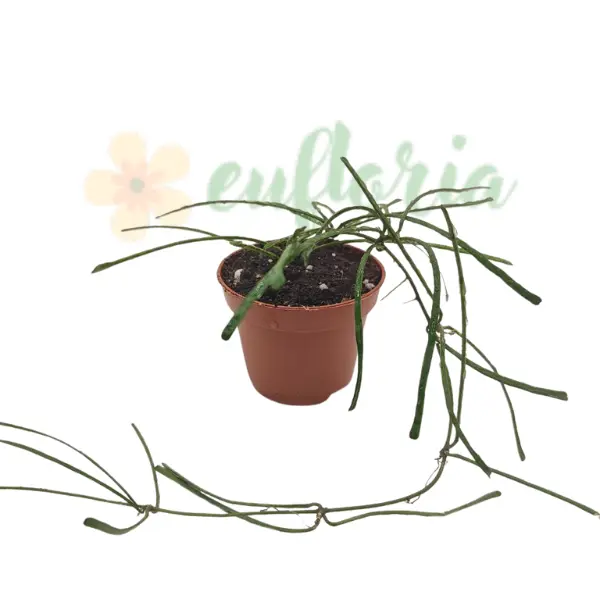
Hoya mirabilis Ø6cm
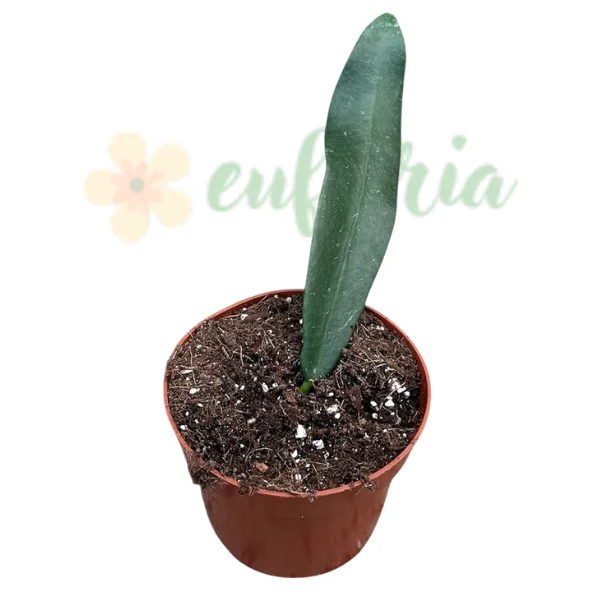
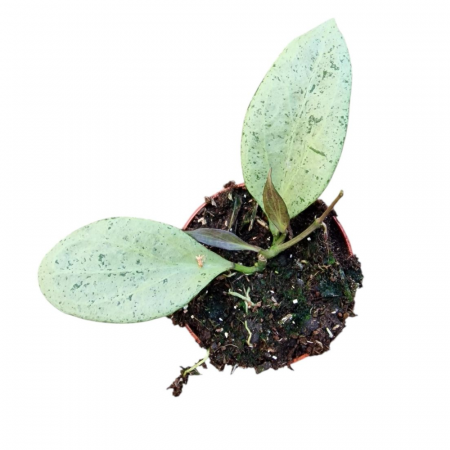
![Hoya mirabilis - rare Hoya species with decorative waxy leaves [0]](https://gomagcdn.ro/domains2/eufloria.ro/files/product/medium/hoya-mirabilis-d6cm-684574.jpg "Hoya mirabilis - rare Hoya species with decorative waxy leaves [0]")
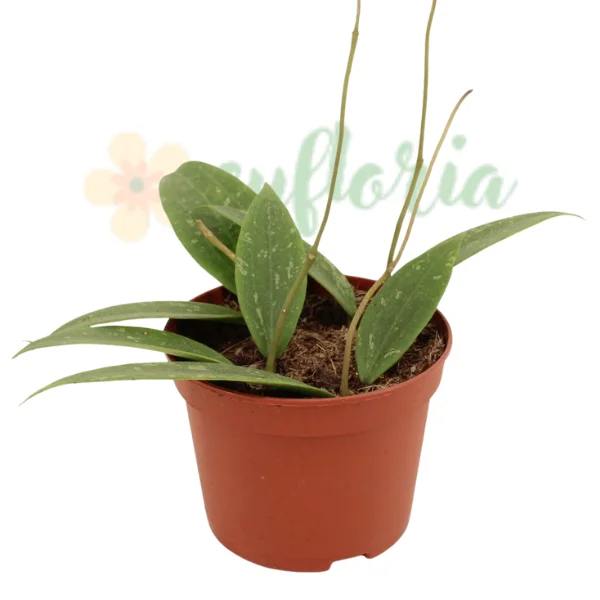
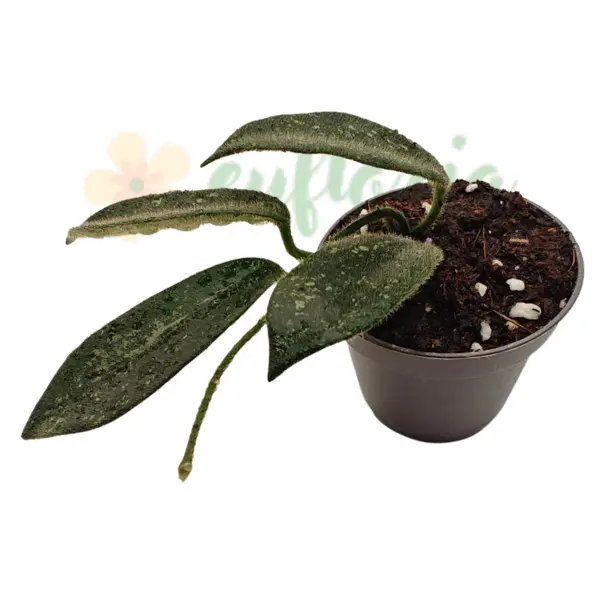
![Hoya mirabilis - rare Hoya species with decorative waxy leaves [1]](https://gomagcdn.ro/domains2/eufloria.ro/files/product/medium/hoya-mirabilis-d6cm-365962.webp "Hoya mirabilis - rare Hoya species with decorative waxy leaves [1]")
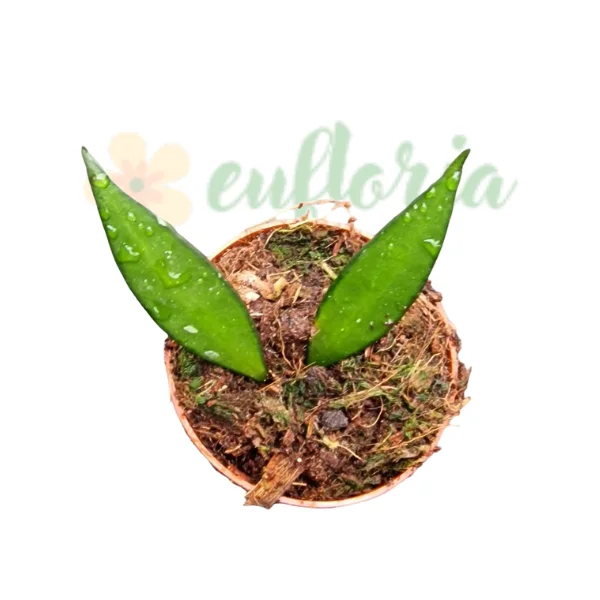
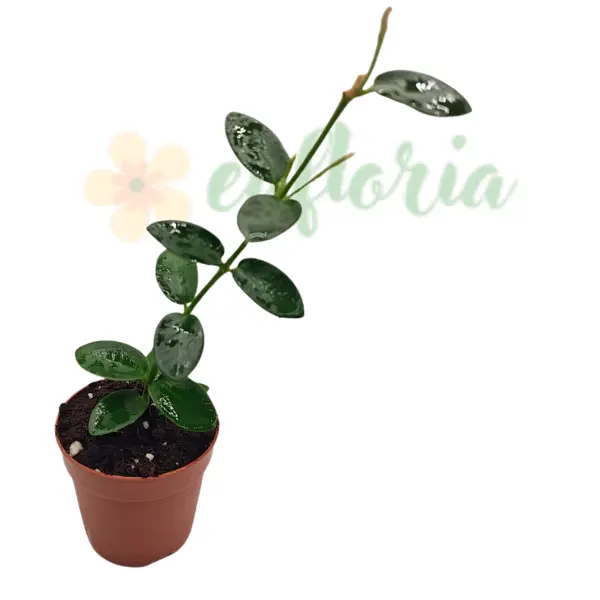
![Hoya mirabilis - rare Hoya species with decorative waxy leaves [2]](https://gomagcdn.ro/domains2/eufloria.ro/files/product/medium/hoya-mirabilis-d6cm-649903.webp "Hoya mirabilis - rare Hoya species with decorative waxy leaves [2]")
![Hoya mirabilis - rare Hoya species with decorative waxy leaves [1]](https://gomagcdn.ro/domains2/eufloria.ro/files/product/original/hoya-mirabilis-d6cm-684574.jpg "Hoya mirabilis - rare Hoya species with decorative waxy leaves [1]")
![Hoya mirabilis - rare Hoya species with decorative waxy leaves [2]](https://gomagcdn.ro/domains2/eufloria.ro/files/product/original/hoya-mirabilis-d6cm-365962.webp "Hoya mirabilis - rare Hoya species with decorative waxy leaves [2]")
![Hoya mirabilis - rare Hoya species with decorative waxy leaves [3]](https://gomagcdn.ro/domains2/eufloria.ro/files/product/original/hoya-mirabilis-d6cm-649903.webp "Hoya mirabilis - rare Hoya species with decorative waxy leaves [3]")
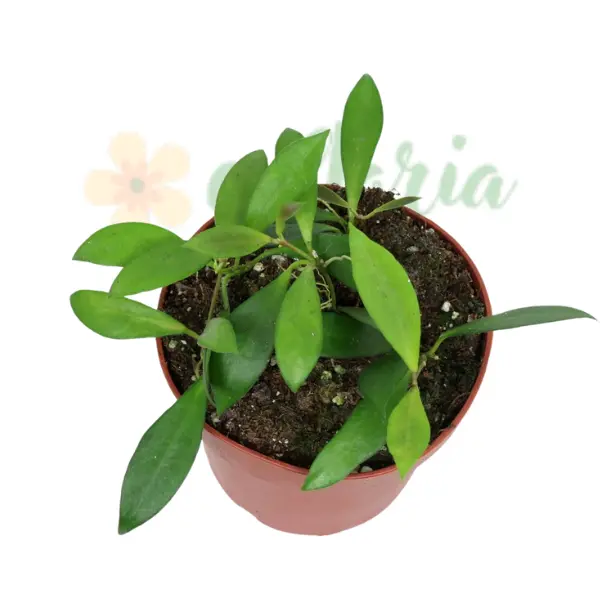
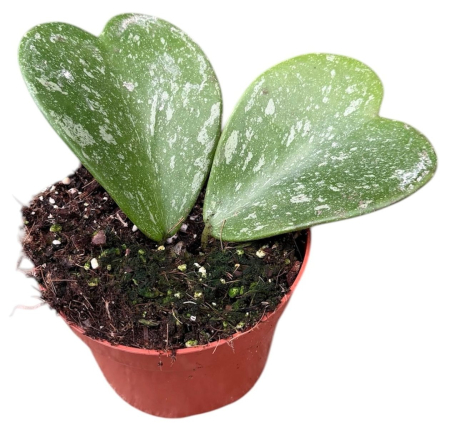
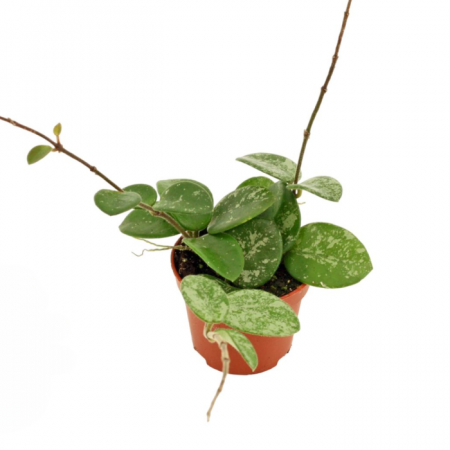
Hoya mirabilis is a rare Hoya species native to Thailand, featuring thick, succulent dark green leaves and delicate, fragrant pale pink flowers. Compact and slow-growing, it prefers bright indirect light and very well-draining substrate. Drought-tolerant thanks to its fleshy leaves. Non-toxic plant.
Note: Product images are for guidance only. Due to different batches of imported products, there may be differences between the images on the website and the actual appearance of the products.
Approx height (including pot): 15 cm
Flowering state: No flowers
Pot diameter: 6 cm
- Description
- Characteristics
- Reviews (0)
- FAQ
🌿 Hoya mirabilis – A Rare Jewel from Thailand's Jungles
Hoya mirabilis is one of the rarest and most captivating species in the Apocynaceae family, native to the dense tropical forests of Thailand. This epiphytic plant stands out through its thick, succulent leaves of a deep green with silvery reflections, appearing as though sculpted from precious material. Each leaf carries the imprint of millennia of evolution, adapted to retain moisture in the tropical environment where it naturally grows. Hoya mirabilis is a perfect choice for rare plant collectors, offering a subtle yet incomparably elegant visual display. Its compact growth habit and moderate care requirements make it ideal for cultivation in decorative pots, where it can easily become the focal point of any botanical collection.
What makes this species truly special is the unique combination of succulent leaf texture and the ability to produce inflorescences of exceptional elegance. Its waxy flowers, grouped in umbels, emit a delicate fragrance that fills the room during warm summer evenings. Unlike many other Hoya species, mirabilis has a relatively slow growth rate, transforming it into a truly precious collector's plant that rewards the grower's patience with harmonious development and remarkable longevity.
🌍 Origins and Botanical History
Hoya mirabilis was discovered in the limestone regions of southern Thailand, where it grows on rocks and in crevices, in a surprisingly arid environment for a tropical plant. This adaptation to mineral substrates gives it a distinctive character and exceptional resistance to short drought periods. The species name, "mirabilis", comes from the Latin word meaning wonderful and remarkable – a reference to its unique appearance and the rarity with which it is encountered in nature.
The genus Hoya comprises over 500 species spread across tropical Asia, Australia, and the Pacific Islands. Hoya mirabilis holds a special place within the genus due to its adaptation to semi-arid environments, fundamentally differentiating it from most congeneric species that prefer consistently high humidity. In its natural habitat, this species often grows in association with mosses and lichens, forming small colonies on vertical limestone surfaces.
Its popularity among collectors has grown significantly over the past two decades, as botanical explorers have brought it back to the attention of the international growing community. Today, Hoya mirabilis is considered a centrepiece in any serious Hoya collection, valued both for its unique aesthetics and the fascinating story of its discovery in the limestone caves of the Malay Peninsula.
🌱 Complete Care Guide
Light: Hoya mirabilis prefers bright, indirect light. Place the plant near an east or west-facing window where it can benefit from a few hours of morning or afternoon sun. Avoid prolonged direct exposure to strong midday sunlight, which can cause burns on the delicate leaves. In insufficient light conditions, the plant will grow more slowly and will be less inclined to flower.
Watering: This species has moderate to low water needs, thanks to its succulent leaves that efficiently store moisture. Water only when the substrate has dried completely – check the top 3-4 cm of soil with your finger. In winter, significantly reduce watering frequency. Hoya mirabilis is far more tolerant of drought than of excess water, and its roots are susceptible to rot in permanently moist conditions.
Substrate: Use a well-draining mix composed of perlite, pine bark, and peat in equal proportions. Adding limestone or dolomite fragments can recreate the natural conditions of its habitat. The ideal substrate must allow water to drain rapidly, simulating the calcareous environment where the plant naturally grows. Avoid compact garden soil that retains too much moisture.
Temperature and humidity: The optimal temperature ranges between 18-28°C throughout the year. Hoya mirabilis tolerates minimum temperatures of approximately 12°C for short periods but cannot withstand frost. Ambient humidity of 40-60% is sufficient, making it perfectly suited for standard indoor environments. Unlike other Hoya species, it does not require very high humidity levels.
Fertilisation: Apply a balanced fertiliser, diluted to half the recommended concentration, once a month during the active growing season (spring to autumn). In winter, cease fertilisation entirely. Excess nutrients can damage the sensitive roots, so it is always better to fertilise less rather than more.
🌸 Flowering and Fragrance
Hoya mirabilis produces spectacular umbel-shaped inflorescences with small, waxy flowers ranging from pale pink to creamy white. Each flower has a complex structure typical of the Hoya genus, with a glossy central corona that secretes fragrant nectar. The scent is delicate and sweet, with subtle floral notes that intensify during evening hours, naturally attracting nocturnal pollinators in the wild.
Flowering requires specific conditions: bright light, a winter rest period with reduced watering, and a slightly tight pot. Flower peduncles should never be cut after blooming, as they will produce flowers again in subsequent seasons. Patience is essential – young plants may need 2-4 years before their first bloom, but the spectacle is well worth the wait.
A fascinating feature of this species is that individual flowers can last up to two weeks, maintaining their freshness and fragrance throughout this entire period. Under optimal conditions, a mature plant can produce multiple inflorescences per year, providing months of visual and olfactory delight.
🌱 Repotting and Propagation
Hoya mirabilis prefers to be slightly root-bound, so repotting is not frequently necessary – once every 2-3 years is sufficient. Choose a pot only 1-2 cm larger in diameter than the previous one and ensure it has generous drainage holes. The best time for repotting is spring, when the plant enters its active growth period.
Propagation is most efficiently achieved through stem cuttings with 2-3 nodes. Cut below a node, allow the cutting to dry for several hours to form a callus, then plant it in moist sphagnum moss or perlite. Maintain high humidity using a clear plastic bag or a propagator. Rooting typically takes 3-6 weeks. Cuttings can also be rooted in water, although the subsequent transition to solid substrate can be more stressful for the plant.
An important tip for repotting: handle the roots with extreme care, as they are fragile and can easily become damaged. Do not remove all the old substrate – leave some around the roots to minimise stress. After repotting, avoid watering for a few days to allow any root wounds to heal properly.
Lungime: 15 cm
Greutate (kg): 0.15 Kg
Denumire: Hoya
Diametru: 6 cm
Cerințe lumină: Strong, indirect light
Tip plantă: Decorative
Utilizare: Interior
Tip suport: Ghiveci
Material Suport: Plastic
How do you care for Hoya?
Does Hoya bloom indoors?
How often should Hoya be watered?
How often should Hoya mirabilis be watered?
Is Hoya mirabilis toxic to pets?
What substrate should I use for Hoya mirabilis?
When does Hoya mirabilis bloom?
How do I propagate Hoya mirabilis?
What type of plant is Hoya mirabilis?
What light conditions does Hoya mirabilis prefer?
How should I water Hoya mirabilis?
Is Hoya mirabilis toxic to pets?
How do I encourage Hoya mirabilis to bloom?
Recommendations
Ai nevoie și de un ghiveci decorativ?