EN/
EN/ Romana
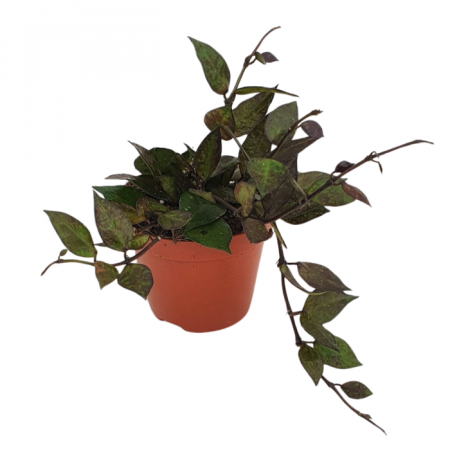
Hoya latifolia 'Rimba Perak' D8cm
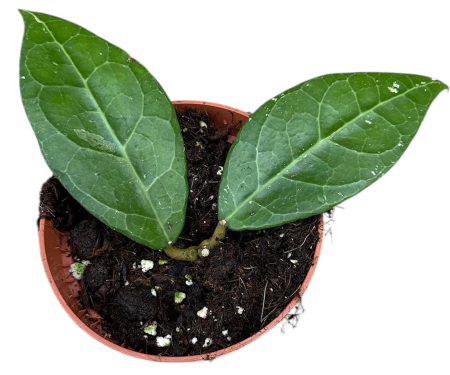
![Hoya latifolia 'Rimba Perak' D8cm [0]](https://gomagcdn.ro/domains2/eufloria.ro/files/product/medium/hoya-latifolia-rimba-perak-d8cm-334844.jpg "Hoya latifolia 'Rimba Perak' D8cm [0]")
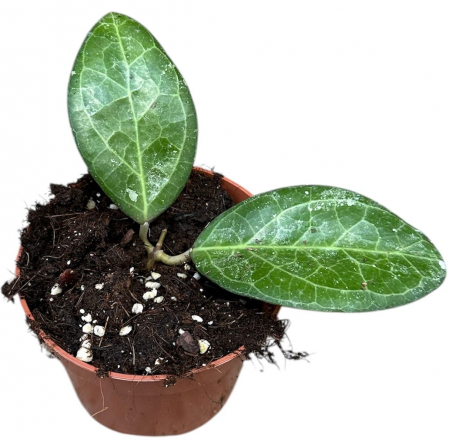
![Hoya latifolia 'Rimba Perak' D8cm [1]](https://gomagcdn.ro/domains2/eufloria.ro/files/product/medium/hoya-latifolia-rimba-perak-d8cm-380334.jpg "Hoya latifolia 'Rimba Perak' D8cm [1]")
![Hoya latifolia 'Rimba Perak' D8cm [2]](https://gomagcdn.ro/domains2/eufloria.ro/files/product/medium/hoya-latifolia-rimba-perak-d8cm-759563.jpeg "Hoya latifolia 'Rimba Perak' D8cm [2]")
![Hoya latifolia 'Rimba Perak' D8cm [1]](https://gomagcdn.ro/domains2/eufloria.ro/files/product/original/hoya-latifolia-rimba-perak-d8cm-334844.jpg "Hoya latifolia 'Rimba Perak' D8cm [1]")
![Hoya latifolia 'Rimba Perak' D8cm [2]](https://gomagcdn.ro/domains2/eufloria.ro/files/product/original/hoya-latifolia-rimba-perak-d8cm-380334.jpg "Hoya latifolia 'Rimba Perak' D8cm [2]")
![Hoya latifolia 'Rimba Perak' D8cm [3]](https://gomagcdn.ro/domains2/eufloria.ro/files/product/original/hoya-latifolia-rimba-perak-d8cm-759563.jpeg "Hoya latifolia 'Rimba Perak' D8cm [3]")
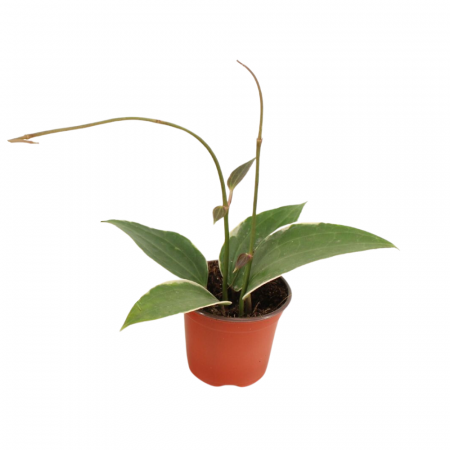
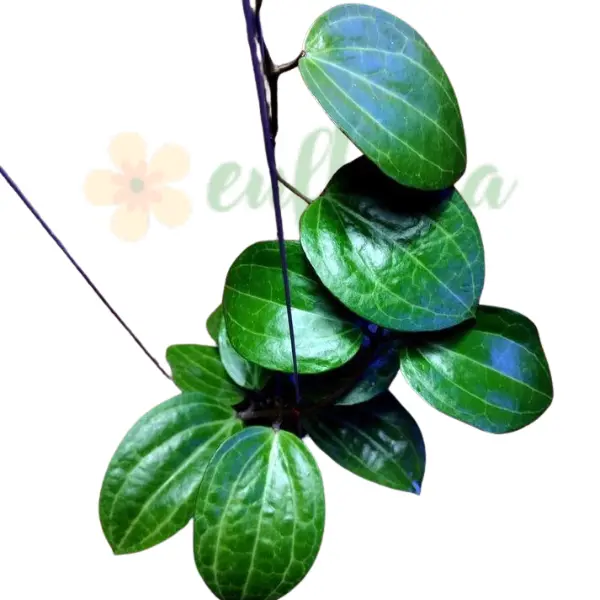
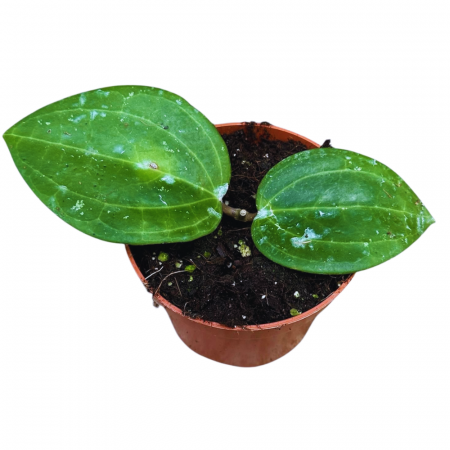
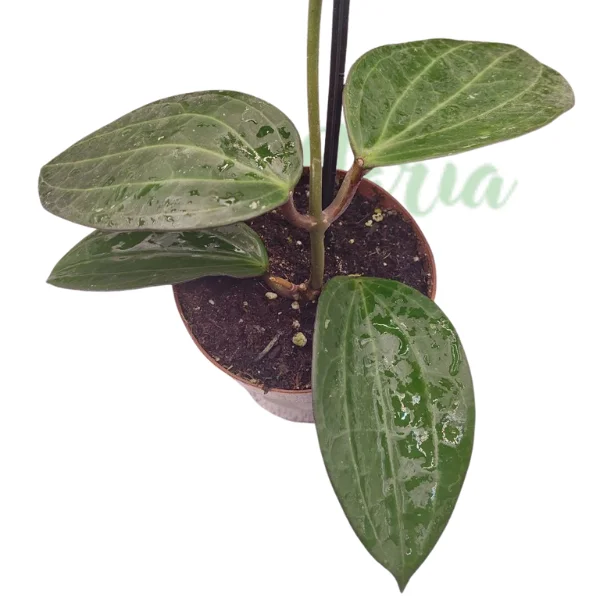
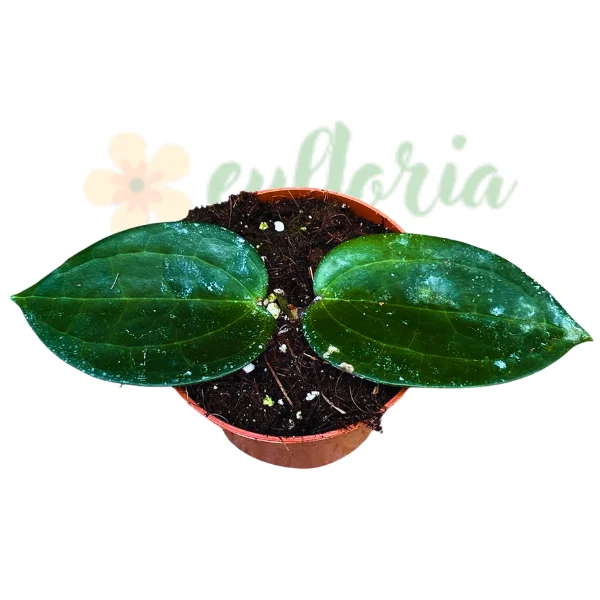
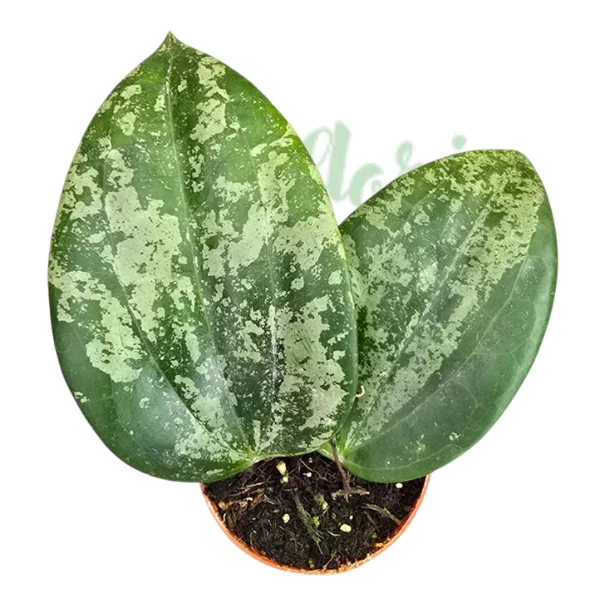
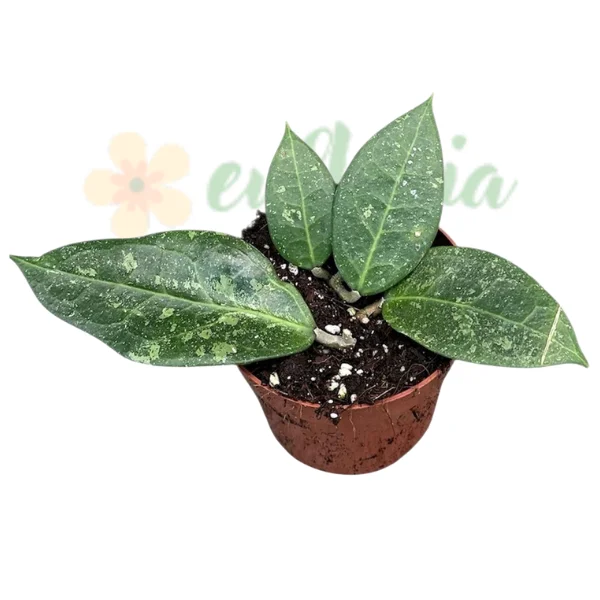
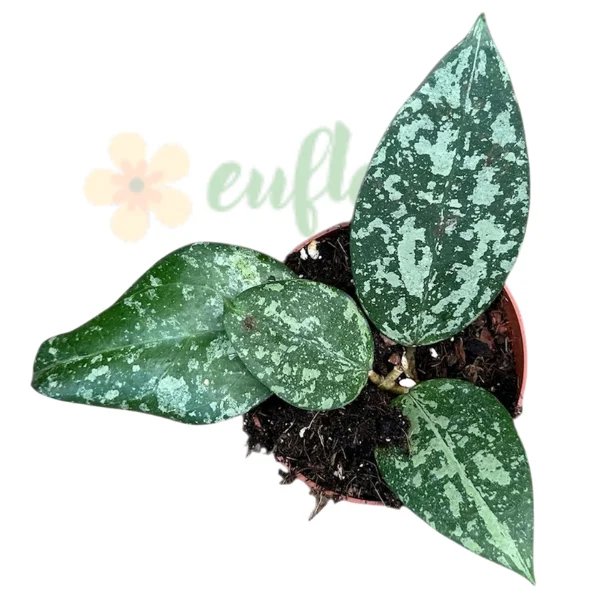
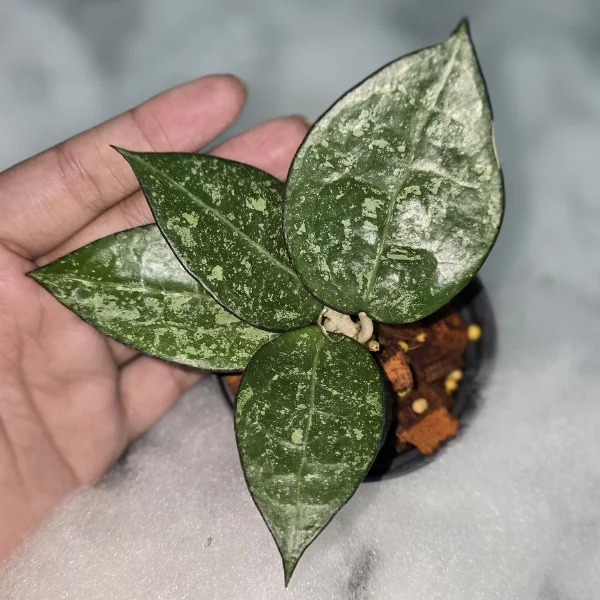
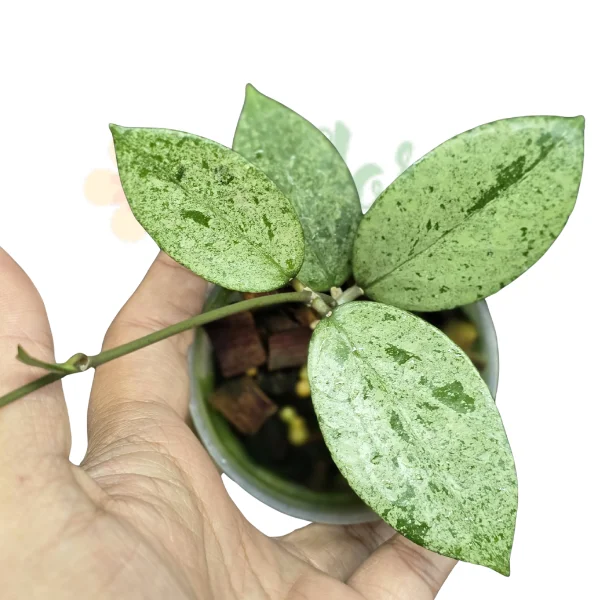
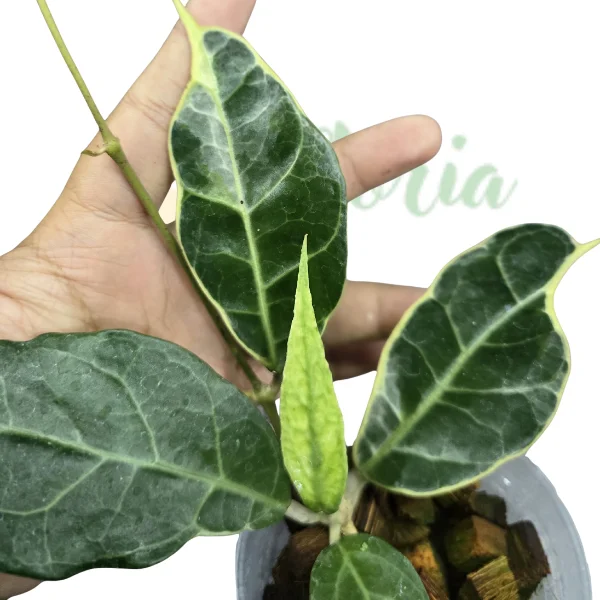
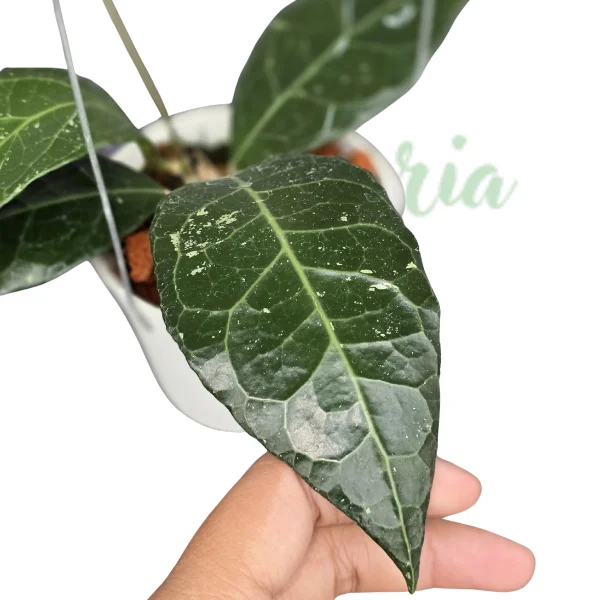
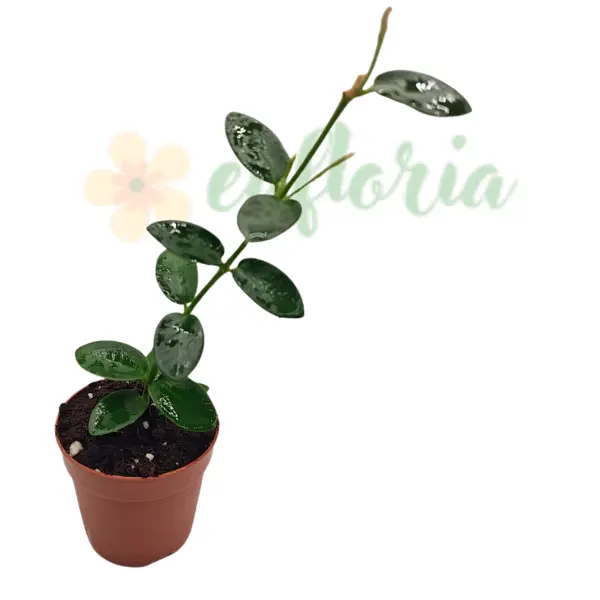
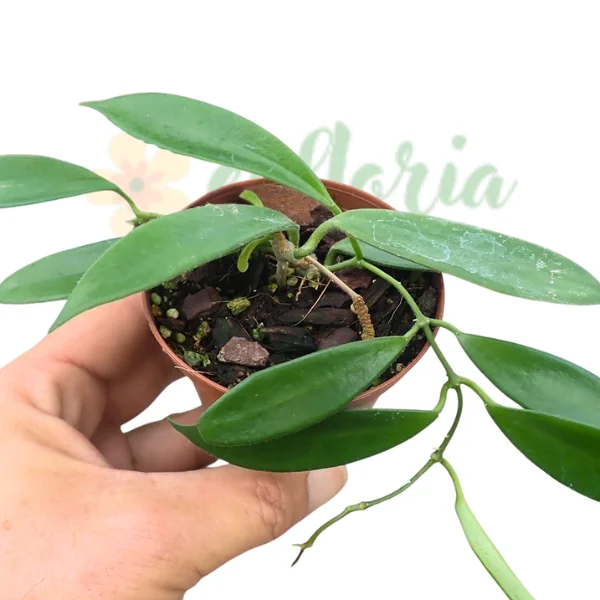
Hoya latifolia ‘Rimba Perak’ – an imposing Hoya with very large, broad, thick leaves. Native to Malaysian forests. Produces fragrant pink flower clusters. Prefers bright indirect light and high humidity. Non-toxic, safe for pets.
Approx height (including pot): 10 cm
Flowering state: No flowers
Pot diameter: 8 cm
- Description
- Characteristics
- Reviews (0)
- FAQ
🌿 Hoya latifolia ‘Rimba Perak’ – Broad, Impressive Leaves from the Malaysian Jungle
Hoya latifolia ‘Rimba Perak’ is an imposing Hoya distinguished by its large, broad, thick leaves, among the largest in the entire Hoya genus. The name “Rimba Perak” translates as “jungle of Perak” (a Malaysian state), evoking its origin from the dense tropical forests of the Malay Peninsula. It is a spectacular collector’s plant that brings a strong tropical presence to any space.
🌍 Origins & Botanical History
Hoya latifolia originates from Southeast Asia, particularly Malaysia, Indonesia, and Thailand. It belongs to the Apocynaceae family, genus Hoya. The name “latifolia” comes from Latin meaning “broad-leaved,” reflecting exactly its distinctive trait. The ‘Rimba Perak’ variety is a form collected from the forests of the Perak state in Malaysia.
🌿 Foliage – Broad, Imposing Leaves
The leaves are the main attraction. Large and broad, 10–20 cm long and 5–10 cm wide, they are thick, fleshy, and rigid, with a slightly waxy surface of uniform dark green. The veins are prominent, adding visual texture. The impressive leaf size makes it stand out in any Hoya collection.
🌺 Flowers – Fragrant Pink Clusters
Hoya latifolia produces large clusters of pale pink flowers with a dark centre, fragrant especially in the evening. The flowers have the waxy appearance characteristic of the genus. Blooming is a special event, often requiring maturity and optimal conditions.
🌱 Growth Habit & Development
Hoya latifolia ‘Rimba Perak’ has a robust climbing habit with thick vines that can reach considerable lengths. Growth is moderate. It prefers bright indirect light, temperatures of 20–28°C, 60–80% humidity, and well-draining substrate. Water when the substrate has dried almost completely.
Lungime: 10 cm
Greutate (kg): 0.5 Kg
Denumire: Hoya
Diametru: 8 cm
Cerințe lumină: Partial umbra
Tip plantă: Decorative
Utilizare: Interior
Tip suport: Ghiveci
Material Suport: Plastic
What makes Hoya latifolia 'Rimba Perak' special compared to other Hoyas?
Hoya latifolia 'Rimba Perak' stands out for its exceptionally large and thick leaves, among the most impressive in the Hoya genus. Native to Malaysia, it is a rare species with a unique waxy texture and fragrant flowers in spectacular umbels. The name comes from the Rimba Perak forest where it was collected.
How do you water Hoya latifolia 'Rimba Perak'?
Allow the substrate to dry almost completely between waterings. The large, fleshy leaves store water, making the plant more tolerant of drought than excess moisture. Water thoroughly when the substrate is dry, then let it drain completely. Reduce watering in winter.
Is Hoya latifolia 'Rimba Perak' toxic to pets?
No, Hoya latifolia 'Rimba Perak' is considered non-toxic to cats and dogs according to ASPCA. It is a safe plant for homes with pets, although ingestion of plant material may cause mild gastric discomfort.
What substrate is recommended for Hoya latifolia 'Rimba Perak'?
Use a very well-draining and aerated substrate based on pine bark, perlite, and a little sphagnum moss. As an epiphytic plant, the roots need air and excellent drainage. Avoid heavy or compact substrates that retain too much moisture.
Why should you not cut the flower peduncles on Hoya latifolia?
As with all Hoya species, flower peduncles should never be cut after flowers wilt. The plant produces new flowers on the same peduncles the following season. Cutting them means losing future blooms. Leave peduncles intact to enjoy repeated flowering year after year.
How do you care for Hoya?
Hoya prefers bright indirect light and moderate watering. Let the soil dry between waterings. Use well-draining substrate and a not too large pot. Ideal temperature is 18-27°C.
Does Hoya bloom indoors?
Yes, Hoya can produce spectacular star-shaped waxy flowers with intense fragrance. Flowers appear on old peduncles, so do not cut flower stems after blooming.
How do you propagate Hoya?
Hoya is easily propagated through stem cuttings with 2-3 nodes. Place the cutting in water or moist sphagnum. Rooting takes 2-6 weeks.
Recommendations
Ai nevoie și de un ghiveci decorativ?