
 EN/
EN/ Romana
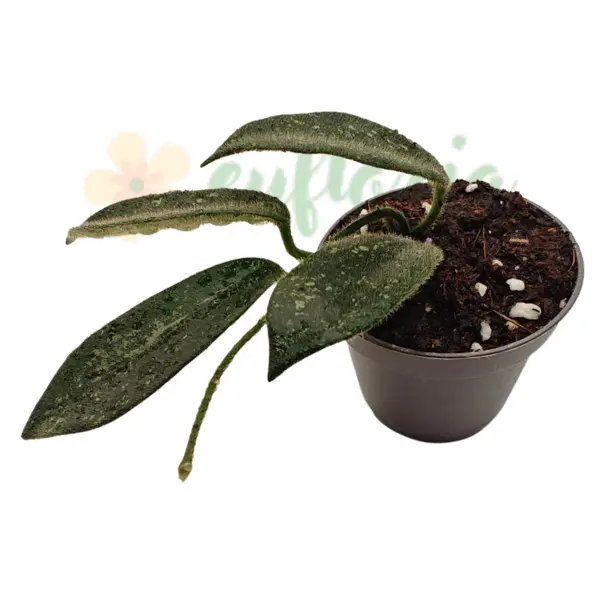
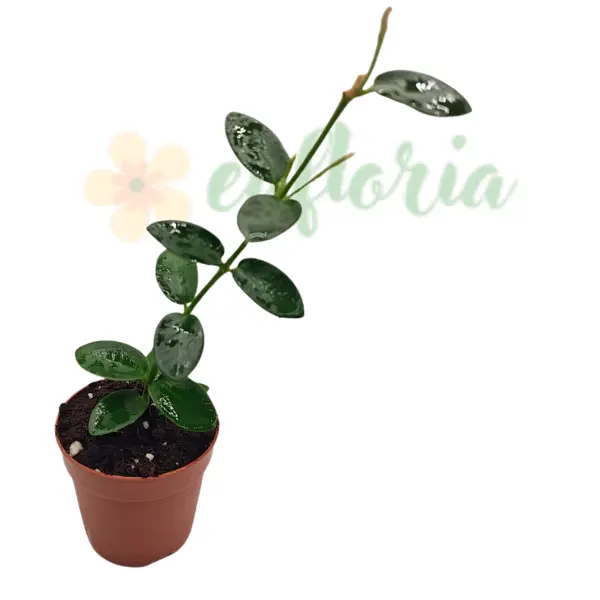
Hoya 'DS-70' (aff. burtoniae) Ø6-Ø12cm
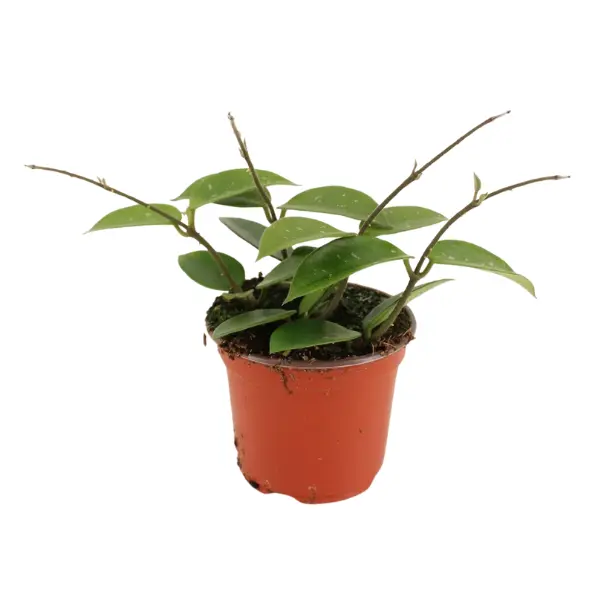
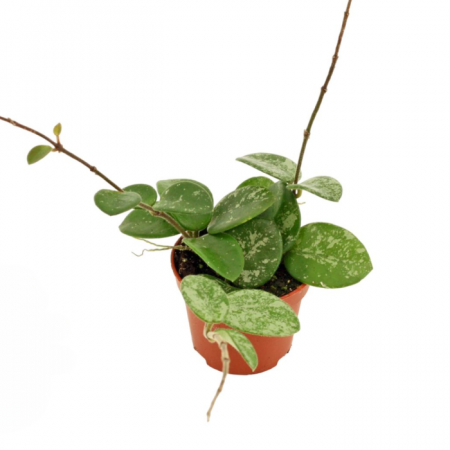
![Hoya DS-70 with small velvety deep green leaves [0]](https://gomagcdn.ro/domains2/eufloria.ro/files/product/medium/hoya-ds-70-d12-923104.png "Hoya DS-70 with small velvety deep green leaves [0]")
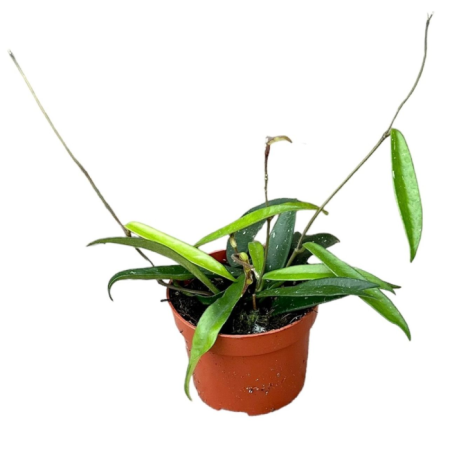
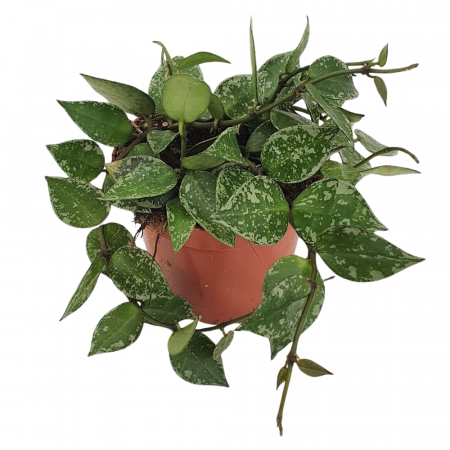
![Hoya DS-70 with small velvety deep green leaves [1]](https://gomagcdn.ro/domains2/eufloria.ro/files/product/medium/hoya-ds-70-d12-095337.webp "Hoya DS-70 with small velvety deep green leaves [1]")
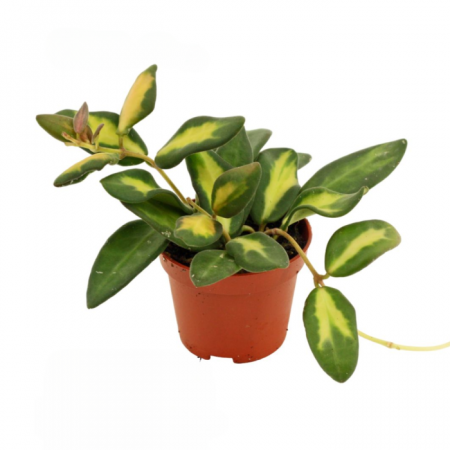
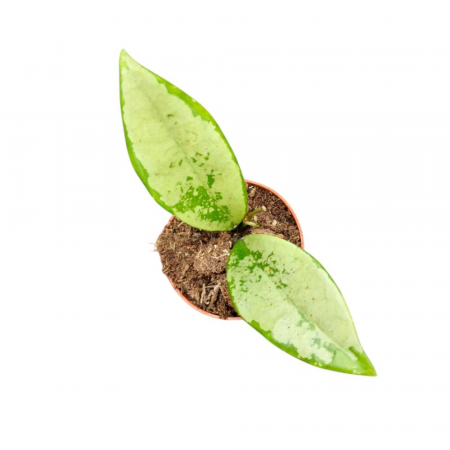
![Hoya DS-70 with small velvety deep green leaves [2]](https://gomagcdn.ro/domains2/eufloria.ro/files/product/medium/hoya-ds-70-d12-403471.webp "Hoya DS-70 with small velvety deep green leaves [2]")
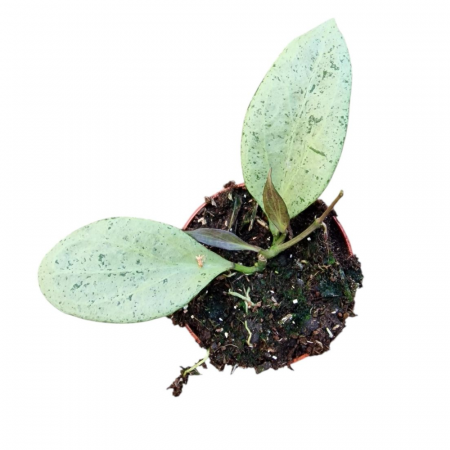
![Hoya DS-70 with small velvety deep green leaves [3]](https://gomagcdn.ro/domains2/eufloria.ro/files/product/medium/hoya-ds-70-d12-196059.webp "Hoya DS-70 with small velvety deep green leaves [3]")
![Hoya DS-70 with small velvety deep green leaves [4]](https://gomagcdn.ro/domains2/eufloria.ro/files/product/medium/hoya-ds-70-d12-911551.webp "Hoya DS-70 with small velvety deep green leaves [4]")
![Hoya DS-70 with small velvety deep green leaves [1]](https://gomagcdn.ro/domains2/eufloria.ro/files/product/original/hoya-ds-70-d12-923104.png "Hoya DS-70 with small velvety deep green leaves [1]")
![Hoya DS-70 with small velvety deep green leaves [2]](https://gomagcdn.ro/domains2/eufloria.ro/files/product/original/hoya-ds-70-d12-095337.webp "Hoya DS-70 with small velvety deep green leaves [2]")
![Hoya DS-70 with small velvety deep green leaves [3]](https://gomagcdn.ro/domains2/eufloria.ro/files/product/original/hoya-ds-70-d12-403471.webp "Hoya DS-70 with small velvety deep green leaves [3]")
![Hoya DS-70 with small velvety deep green leaves [4]](https://gomagcdn.ro/domains2/eufloria.ro/files/product/original/hoya-ds-70-d12-196059.webp "Hoya DS-70 with small velvety deep green leaves [4]")
![Hoya DS-70 with small velvety deep green leaves [5]](https://gomagcdn.ro/domains2/eufloria.ro/files/product/original/hoya-ds-70-d12-911551.webp "Hoya DS-70 with small velvety deep green leaves [5]")
Hoya 'DS-70' — rare species with collection code affiliated with burtoniae, small velvety leaves and fragrant pink-burgundy flowers.
Approx height (including pot): 20 cm
Flowering state: No flowers
Country of origin: Netherlands
- Description
- Characteristics
- Reviews (1)
- FAQ
🌿 Hoya 'DS-70' (aff. burtoniae) — enigmatic hoya
Hoya 'DS-70' is a species with collection code "DS-70", affiliated (aff.) with Hoya burtoniae, not yet officially registered. Leaves are small, oval, velvety, deep green, with fine hairs giving a velvet appearance. Grows moderately-compact and flowers with pink-burgundy umbels with reddish corona, fragrant.
A piece appreciated by collectors for rarity and unique velvety appearance.
🌍 Origin
Botanical collection from Southeast Asia, affiliated with burtoniae.
🌱 How to care for it
Bright indirect light, humidity 60-80%, temperatures 20-28°C. Airy substrate.
🌸 Flowering
Umbels of pink-burgundy star flowers with reddish corona, sweet fragrance.
🌿 Safety
Not toxic to cats, dogs or children.
Lungime: 30 cm
Greutate (kg): 1 Kg
Denumire: Hoya
Diametru: 6 cm
Cerințe lumină: Partial umbra
Tip plantă: Decorative
Utilizare: Interior
Tip suport: Ghiveci
Material Suport: Plastic
How do I care for a Hoya plant?
When does Hoya bloom?
How often should I water my Hoya?
Is Hoya toxic to pets?
How do I propagate Hoya?
What does 'aff. burtoniae' mean?
Why DS-70 code?
How to care for it?
Is it toxic?
How to propagate?
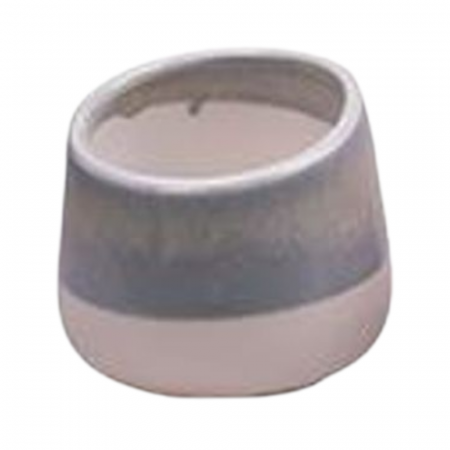
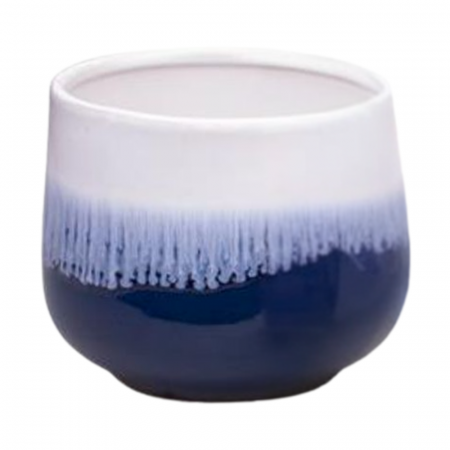
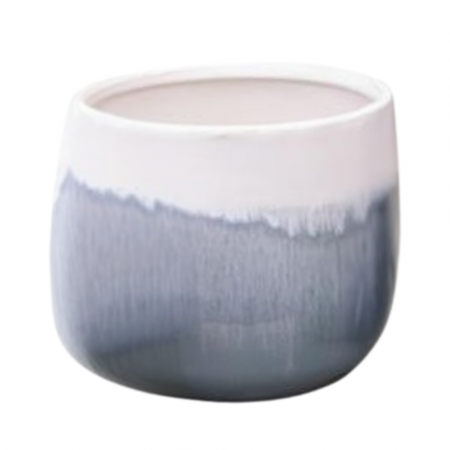
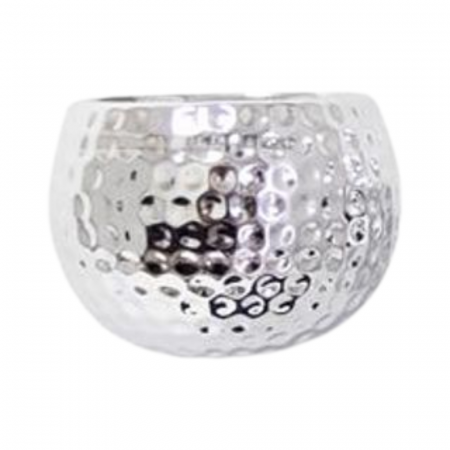
Ai nevoie și de un ghiveci decorativ?

Simona Alina Groza,
Minunată! Mulțumesc!
ReplyWas this review useful?