EN/
EN/ Romana
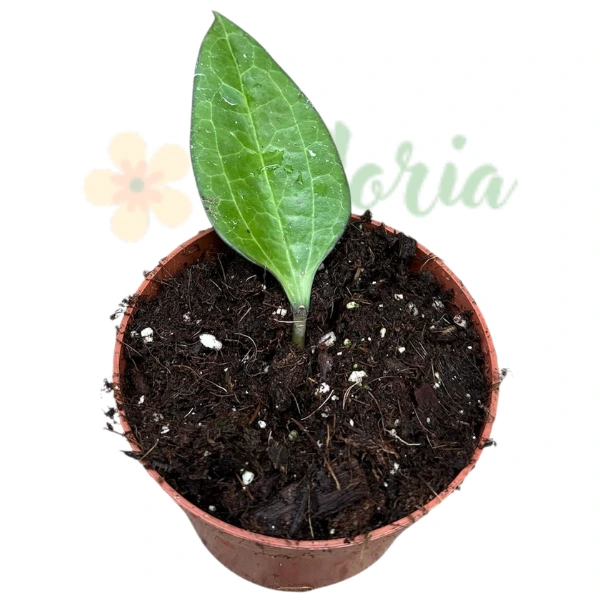
Hoya puber Ø14cm
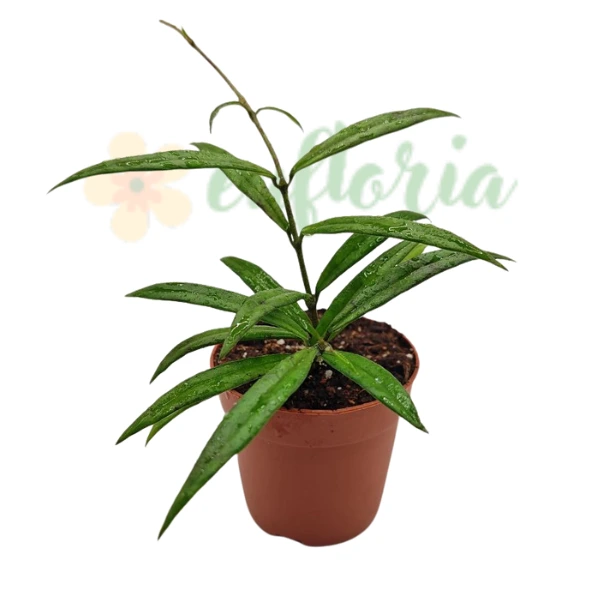
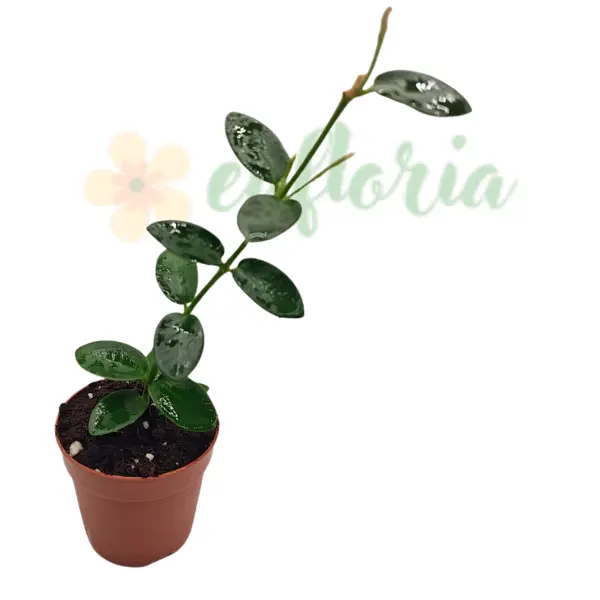
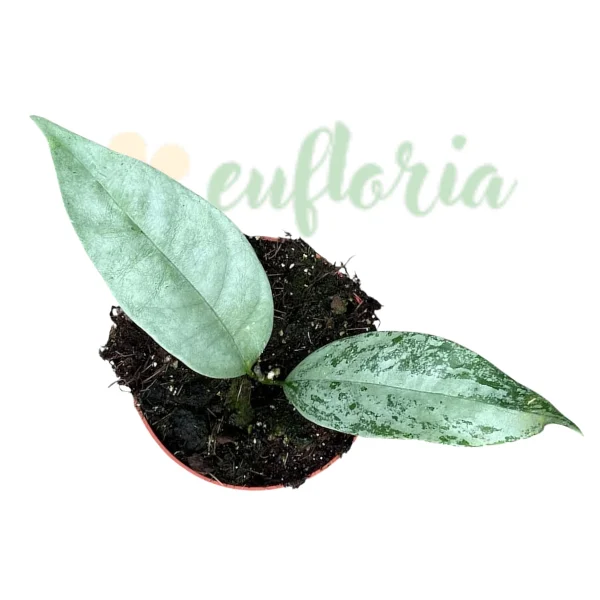
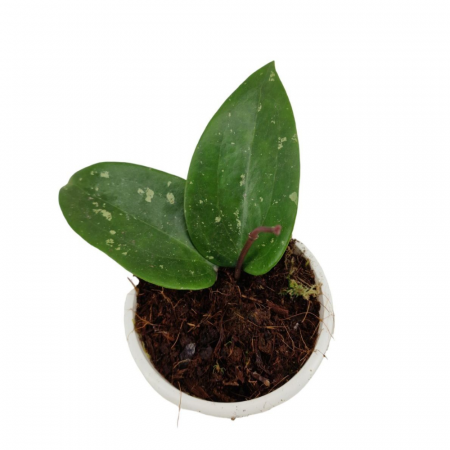
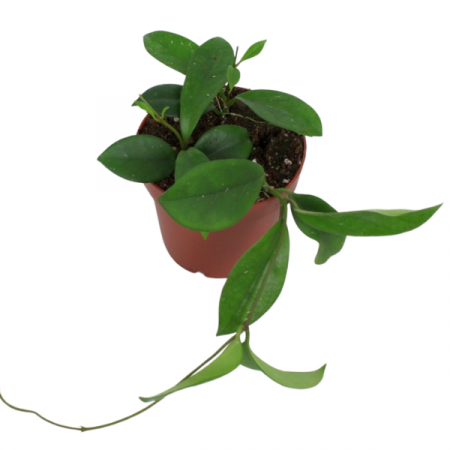
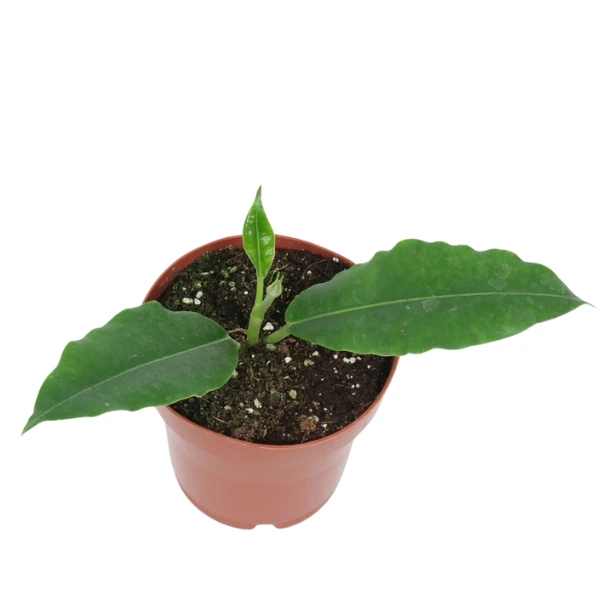
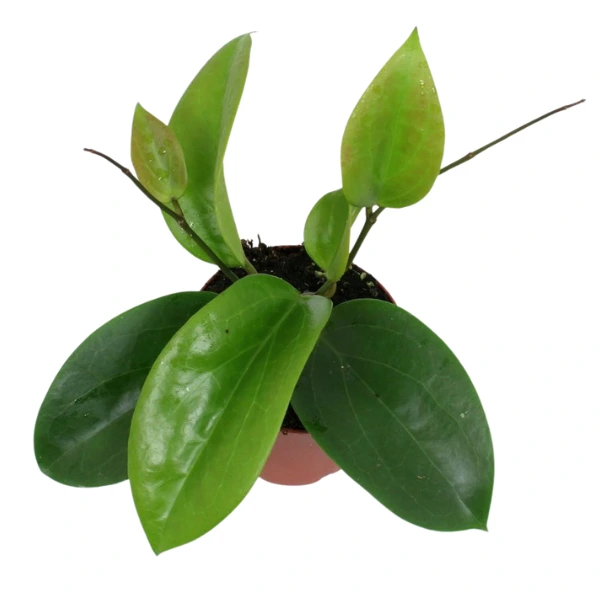
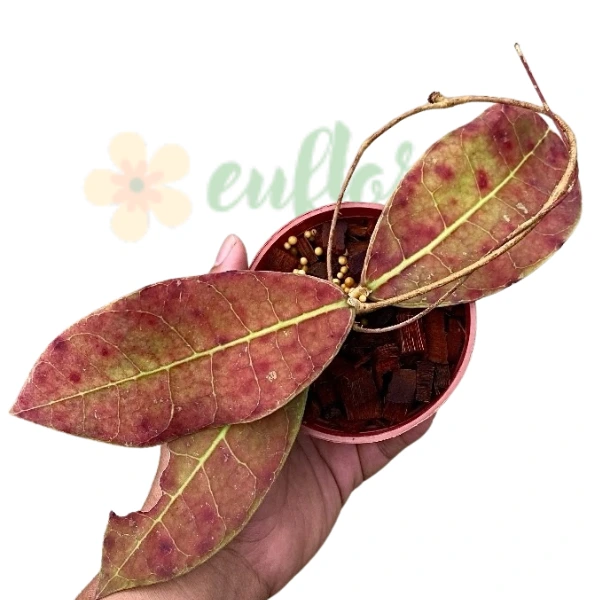
![Hoya puber with elliptical, slightly pubescent velvety leaves, rare plant from Borneo [1]](https://gomagcdn.ro/domains2/eufloria.ro/files/product/original/hoya-puber-d14cm-752979.jpg "Hoya puber with elliptical, slightly pubescent velvety leaves, rare plant from Borneo [1]")
Hoya puber is a rare species from the Apocynaceae family, native to the tropical forests of Borneo, prized for its elliptical foliage draped in fine velvety hairs and its star-shaped reddish-brown flowers with a golden-yellow corona. The vines grow vigorously and train easily onto supports, making this plant an elegant companion for Hoya collectors.
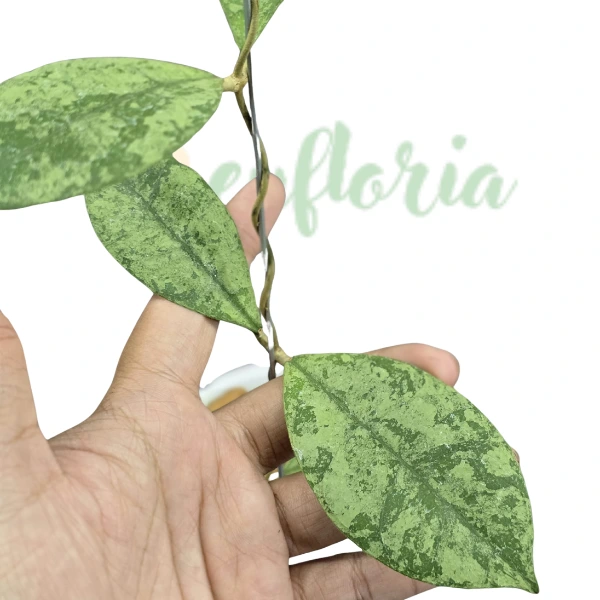
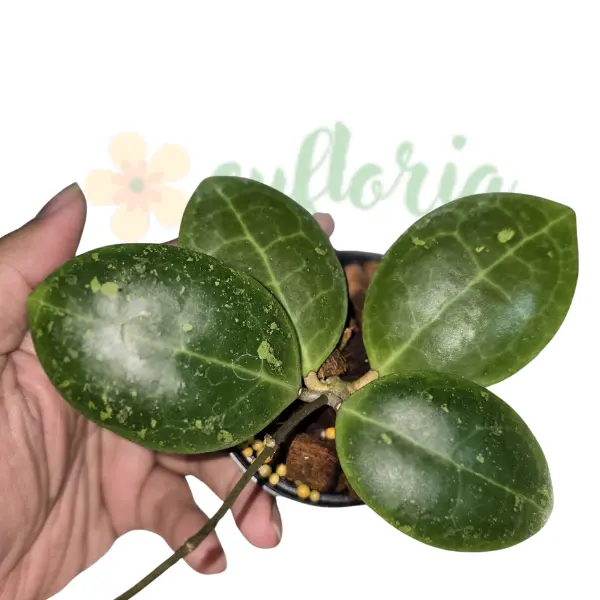
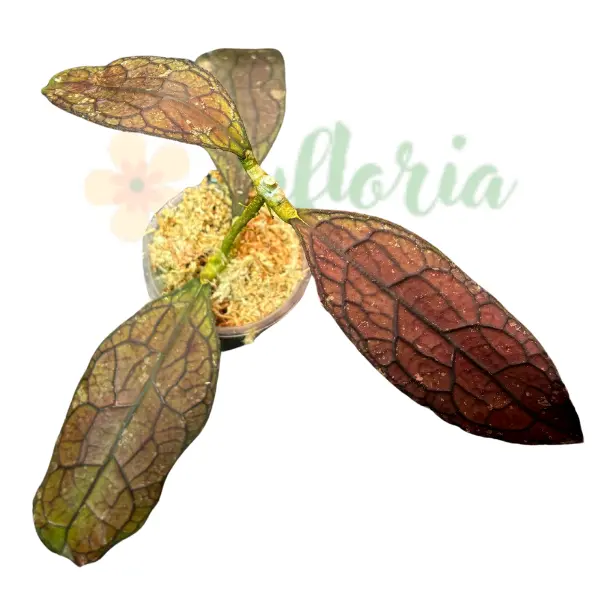
Note: Product images are for guidance only. Due to different batches of imported products, there may be differences between the images on the website and the actual appearance of the products.
Approx height (including pot): 30 cm
Flowering state: No flowers
Pot diameter: 14 cm
- Description
- Characteristics
- Reviews (0)
- FAQ
🌿 Hoya puber — Green Velvet from the Forests of Borneo
Hoya puber is one of those species that reward patience with a quiet, profound beauty. Native to the humid, light-filled forests of Borneo, this epiphytic vine seduces collectors through its elliptical foliage, draped in a fine velvet of microscopic hairs that earned it its scientific name — puber, from the Latin pubes, meaning "covered in soft hairs." Beneath the fingertips, the leaves retain a silky, almost vellum-like texture that stands in pleasant contrast to the rigid, waxy surfaces of the more familiar Hoyas.
Within the shelves of seasoned rare-plant enthusiasts, Hoya puber occupies a particular niche: it does not shout, it does not dazzle, but it reveals its elegance in carefully observed detail. Young vines clothe their moss poles or coco supports with a calm vigor, and every new leaf seems slowly polished, as if a small botanical jewel. Eufloria offers this collector's species in a Ø14 cm pot, raised from healthy plant material, acclimatized to European conditions, and ready to join the collection of a dedicated grower.
For those building a diverse Hoya collection, puber introduces an entirely new texture, distinct from the waxy paleness of Hoya carnosa or the thick gloss of Hoya kerrii. It is a plant for the patient observer — a silent companion that repays attentive care with an unexpectedly vivid bloom, in reddish-brown stars centered with a golden-yellow corona.
🌍 Origin and Botanical History
Hoya puber Blume was first described in 1826 by the Dutch botanist Carl Ludwig Blume in his foundational work Bijdragen tot de flora van Nederlandsch Indië, dedicated to the flora of the Indonesian archipelago. The species belongs to the family Apocynaceae, subfamily Asclepiadoideae, alongside nearly 500 other Hoya species scientifically described to date. The genus name, given in honor of the English gardener Thomas Hoy (1750–1822), unites a vast group of epiphytic vines and shrubs distributed from India through to Polynesia.
The natural range of Hoya puber extends primarily across the island of Borneo — both the Malaysian side (Sarawak, Sabah) and the Indonesian side (Kalimantan) — with documented populations also in Java and Sumatra. It grows epiphytically, clinging to the bark of trees in lowland tropical forests between sea level and roughly 600 m elevation, where atmospheric humidity remains high year-round and the light filtered through the canopy is gentle and diffuse.
This original habitat explains many of the plant's preferences in cultivation: its aerial roots evolved to capture moisture directly from the saturated air and to anchor it firmly to rough bark. Hoya puber entered European collections relatively late, becoming widely known only in the past two decades, alongside the rising interest in rare species. Propagation is carried out almost exclusively from cuttings, as wild populations are protected by local conservation laws.
🌱 Foliage and the "puber" Character
The leaves of Hoya puber are elliptical to slightly lanceolate, measuring between 5 and 9 centimeters in length and 2 to 3 centimeters in width. Their surface bears the species' signature trait: a fine layer of short hairs, visible upon close inspection and especially noticeable to the touch — hence the specific epithet puber. This soft pubescence gives the foliage a velvety texture, almost like a peach, that catches the light in a beautifully diffuse, photographic way.
The base color is a deep, slightly matte green, occasionally peppered with small cream flecks in specimens exposed to brighter light. The central vein is subtly raised, and the leaf margins are smooth, with a gentle undulation. Unlike many Hoyas with glossy, waxy foliage, puber presents a more vegetal, forest-floor aesthetic — what collectors often refer to as a "velvet hoya."
The stems are slim and flexible, displaying a greenish-brown hue on the sun-facing side, with internodes spaced between 4 and 7 centimeters. Each node bears a pair of opposite leaves, while aerial roots emerge from the petiole base, enabling the plant to climb. At maturity, vines can exceed 1.5 to 2 meters in cultivation, with a balanced vigor and an orderly branching pattern that is easy to train onto a moss pole or trellis.
🌸 Flowers and Fragrance
The greatest surprise Hoya puber offers a dedicated grower lies in its blooming: at maturity, after 2 to 4 years of steady growth, the plant produces compact umbels of 5 to 15 star-shaped flowers, each measuring about 8–12 mm across. The petals are covered in the same fine hairs as the leaves, and the dominant color is a deep reddish-brown, almost wine-toned, contrasted by an inner corona of golden yellow — like a small luminous disc at the heart of each star.
The fragrance, though delicate, is distinct: subtly honeyed with notes of dry hay, more pronounced in the evening and early morning hours, when ambient humidity rises. Flowering typically lasts 5–7 days, and the floral peduncle (spur) is perennial — once produced, the plant reuses it for subsequent bloom cycles, which is why it should never be removed after flowers fall.
The flowering season generally spans late spring through early autumn, and the most reliable trigger is the combination of bright filtered light with a mild seasonal temperature shift. Plants receiving 12–14 hours of indirect summer light, kept in a stable location without frequent relocation, tend to bloom more consistently year after year.
🌱 Growth Habits and Care
Hoya puber grows at a moderate pace — slower than Hoya carnosa or australis, yet steady when content. Under favorable conditions, it produces 2 to 4 new leaves per month during the growing season, while vines lengthen by approximately 10–15 cm monthly. It is a collector's plant — not demanding, but visibly responsive to attentive care: the more closely its environment mirrors a Bornean rainforest, the more harmoniously it develops.
For optimal results, observe the following care requirements:
- Light: bright, indirect; ideally near an east- or west-facing window, or 1 to 1.5 m away from a south-facing one. Tolerates light filtered through sheer curtains, but avoid harsh midday sun, which scorches the delicate hair-covered leaves.
- Temperature: optimal range 18–28 °C; brief drops to 14 °C are tolerated, but anything lower is risky. Avoid cold drafts and abrupt fluctuations.
- Watering: moderate; water when the upper third of the substrate has dried. In winter, reduce to every 10–14 days. Use filtered or rainwater at room temperature.
- Humidity: high, ideally 65–85%. Mist daily in the morning or use a humidifier. A pebble tray with water beneath the pot offers additional support.
- Substrate: airy and well-draining; recommended mix — 50% fine pine or orchid bark, 25% perlite, 15% sphagnum, 10% coconut chips. Slightly acidic to neutral pH (5.5–6.5).
- Fertilization: liquid fertilizer for orchids or Hoya, diluted to half strength, applied every 3 weeks in spring and summer. Suspend entirely in winter.
- Propagation: stem cuttings with 1–2 nodes, rooted in moist sphagnum or water at 22–26 °C. Rooting takes 3–6 weeks.
Repotting is best done every 2 to 3 years in spring, into a pot only 1–2 cm larger than the previous one — Hoyas bloom more readily when their roots are slightly snug. Prune dried tendrils and aged leaves, but never remove the bloomed peduncles: from these, year after year, new flowering cycles will emerge.
Lungime: 14 cm
Greutate (kg): 1.5 Kg
Denumire: Hoya
Diametru: 14 cm
Cerințe lumină: Strong, indirect light
Tip plantă: Decorative
Utilizare: Interior
Tip suport: Ghiveci
Material Suport: Plastic
How often should I water Hoya puber?
Hoya puber prefers moderate watering, with the substrate allowed to partially dry between waterings (top 2-3 cm). In winter, reduce frequency to once every 10-14 days. Overwatering is the main cause of problems in Hoyas, leading to root rot. Use room temperature water.
Is Hoya puber toxic to pets?
No, Hoya puber is considered non-toxic for both humans and pets. The Hoya genus does not contain dangerous substances. The mild latex produced by stems when cut is harmless, but it is still recommended to place the plant where pets cannot damage the delicate branches.
Why does Hoya puber have hairy leaves?
The pubescence (fine hairs) on Hoya puber leaves is a natural adaptation to the tropical environment. These hairs help reduce water loss through transpiration, protect young leaves from excessive solar radiation, and may discourage certain insects. The species name “puber” literally means “covered with fine hairs” in Latin.
What is the best substrate for Hoya puber?
Hoya puber requires a very well-draining and aerated substrate, similar to other epiphytes. An ideal mix contains pine bark, perlite, coco coir, and activated charcoal in equal proportions. Avoid universal potting soil which retains too much moisture and can cause root rot.
When does Hoya puber bloom indoors?
Hoya puber can bloom indoors typically during the spring-summer period, once the plant has reached maturity (2-3 years from rooting). To encourage flowering, provide bright indirect light, a winter rest period with reduced watering, and never cut old peduncles — Hoya reuses them for successive blooms.
What makes Hoya puber special?
Where does it come from?
How do you care for it?
Is it toxic?
Does it need support?
Ai nevoie și de un ghiveci decorativ?