EN/
EN/ Romana
Hoya parasitica 'Splash' Ø10.5cm
![Hoya parasitica Splash indoor plant with silver splashed leaves [1]](https://gomagcdn.ro/domains2/eufloria.ro/files/product/original/hoya-parasitica-splash-d10-5cm-275951.jpg "Hoya parasitica Splash indoor plant with silver splashed leaves [1]")
Hoya parasitica ‘Splash’ – a climbing plant with thick leaves sprinkled with unique silver splashes. Produces fragrant porcelain-like flower clusters. Prefers bright indirect light, well-draining substrate, and infrequent watering. Non-toxic plant, safe for pets.
Diametru Ghiveci: 10.5
- Description
- Characteristics
- Reviews (0)
- FAQ
🌿 Hoya parasitica ‘Splash’ – Elegant Leaves with Silver Splashes
Hoya parasitica ‘Splash’ is a tropical climbing plant that wins admirers with its unique leaves, speckled with silver spots that resemble frozen dewdrops on their green surface. This variety is highly prized by Hoya collectors for its exceptional decorative appearance. In optimal conditions, it produces clusters of small, fragrant, porcelain-like flowers that add extra charm.
🌍 Origins & Botanical History
The genus Hoya comprises over 500 species in the Apocynaceae family, originating from tropical Asia, Australia, and the Pacific islands. Hoya parasitica is native to India, Sri Lanka, and Southeast Asia, where it grows as an epiphyte on tree trunks in tropical forests. The genus was named after Thomas Hoy, the Duke of Northumberland’s 18th-century gardener. The ‘Splash’ variety is distinguished by its unique silver pattern, resulting from the uneven distribution of chlorophyll.
🌿 Foliage – Silver Splashes on Deep Green
The leaves are the distinctive feature. Oval-lanceolate, 5–10 cm long, thick and fleshy (succulent), they display the characteristic “splash” pattern – silver spots and splashes randomly distributed on the dark green surface. Each leaf is unique with its own splash pattern. The texture is waxy and glossy, and new leaves may have a slightly reddish hue.
🌺 Flowers – Fragrant Porcelain Clusters
In optimal conditions, Hoya parasitica ‘Splash’ produces spherical clusters of small, porcelain or wax-like flowers – the reason Hoyas are also called “wax plants.” The flowers are fragrant, especially in the evening, and can be white or pale pink. Flower peduncles should not be cut after blooming, as the plant will rebloom from the same peduncle.
🌱 Growth Habit & Development
Hoya parasitica ‘Splash’ has a climbing or trailing habit, with vines reaching 100–200 cm. Growth is moderate. It prefers bright indirect light, temperatures of 18–27°C, 50–70% humidity, and watering when the substrate has dried almost completely. The substrate should be very well-draining – an epiphyte mix is ideal.
Numar Bucati: 1
Cerinte Lumina: Partial shade
Denumire: Hoya
Material Suport: Plastic
Tip Planta: Decorative
Tip Suport: Pot
Utilizare: Indoor
Diametru: 10.5 cm
Inaltime Totala: 15 cm
Is Hoya parasitica 'Splash' toxic to cats and dogs?
No, Hoya parasitica 'Splash' is not toxic to cats, dogs, or other household pets. The ASPCA (American Society for the Prevention of Cruelty to Animals) confirms that Hoya plants are non-toxic to cats, dogs, and horses. The Hoya genus does not contain compounds known to be poisonous to animals. As with any plant, eating large amounts of foliage might cause mild stomach upset (nausea, vomiting) simply because pets are not designed to digest plant material – but this is not a toxic reaction. The milky latex sap released when stems are cut can cause minor irritation but is not dangerous. This makes Hoya parasitica 'Splash' an excellent choice for pet-friendly households.
How do I care for Hoya parasitica 'Splash' and how often should I water it?
Hoya parasitica 'Splash' is a relatively easy-care plant, ideal for both beginners and experienced collectors. Place the plant in bright, indirect light – this is essential for maintaining the vibrant silver pattern on the leaves. It tolerates direct morning sun but avoid harsh afternoon sunlight which can scorch the leaves. Water only when the top 2-3 cm of substrate has dried out – usually every 7-10 days in summer and every 2-3 weeks in winter. The fleshy leaves store water, so the plant tolerates short dry periods well. Overwatering is the main cause of problems – consistently wet soil leads to root rot. Use a well-draining substrate based on pine bark, perlite, and coco coir. Ideal temperature is between 18-29°C, and humidity of 50-70% encourages optimal growth. Fertilize with a balanced liquid fertilizer at half strength once a month during the growing season (spring-autumn).
Does Hoya parasitica 'Splash' bloom and how can I encourage flowering?
Yes, Hoya parasitica 'Splash' produces beautiful, waxy, star-shaped flowers grouped in umbels. The flowers are white to cream with a pale central corona, and they release a sweet, pleasant fragrance, especially in the evening and at night. To encourage blooming: provide bright, indirect light – insufficient light is the most common reason for failure to bloom. Keep the plant slightly root-bound – Hoya plants bloom more prolifically when their roots are somewhat constrained. Avoid moving the plant frequently as Hoyas dislike environmental changes. Never cut the flower stalks (peduncles) after the flowers wilt – the plant will re-bloom from the same peduncles season after season. Use a phosphorus-rich fertilizer during spring and summer to encourage bud formation. The plant needs to be mature and well-established before it starts blooming, which can take 1-2 years from cuttings.
What makes Hoya parasitica 'Splash' different from other Hoya varieties?
Hoya parasitica 'Splash' stands out through its spectacular silver-splashed foliage – a natural decorative pattern that gives the plant an exotic and refined appearance. Unlike the standard form of the species, which has uniform green leaves, the 'Splash' variant features generous silver speckles scattered across the leaf surface, creating a unique visual effect. Each leaf is marked differently, making every specimen practically unique. Hoya parasitica is native to Southeast Asia, where it grows as an epiphyte in humid tropical forests. The species was first described by Heinrich Wilhelm Wallich and published in 1826. The name "parasitica" is somewhat misleading – the plant is not parasitic but epiphytic, using trees only as physical support without extracting nutrients from them. Compared to other popular Hoyas, parasitica 'Splash' offers an ideal balance between foliage beauty, ease of care, and the ability to produce fragrant flowers.
What substrate is best for Hoya parasitica 'Splash'?
Hoya parasitica 'Splash', being an epiphytic plant, requires a well-draining and aerated substrate that mimics its natural growing conditions on tree bark. An ideal mix contains pine bark (40%), perlite (30%), and coco coir or peat (30%). Alternatively, standard orchid substrate works excellently. Avoid dense, heavy, soil-based mixes that retain too much moisture and can cause root rot. The plant's roots need access to air – in nature, they grow exposed on tree trunks where air circulation is constant. Some growers successfully use LECA (expanded clay) for semi-hydroponics with appropriate nutrient management. Repot every 2-3 years or when roots become visibly cramped, using a pot only slightly larger than the previous one. The pot must have adequate drainage holes.
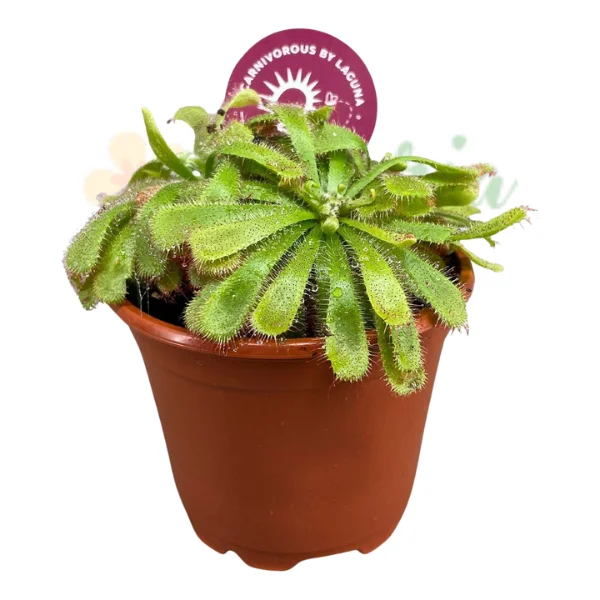
Ai nevoie și de un ghiveci decorativ?