EN/
EN/ Romana
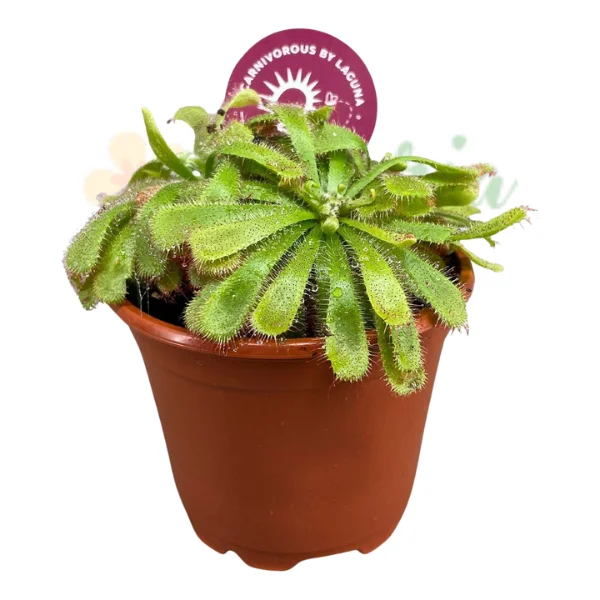
Sarracenia purpurea venosa 'Sylwia' Ø8,5cm
![Sarracenia purpurea venosa 'Sylwia' — green pitchers with purple veins, pot Ø 8.5 cm [1]](https://gomagcdn.ro/themes/fashion/gfx/no-image.png "Sarracenia purpurea venosa 'Sylwia' — green pitchers with purple veins, pot Ø 8.5 cm [1]")
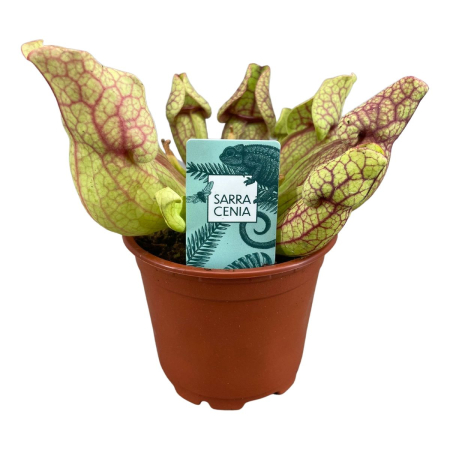
Sarracenia purpurea venosa ‘Sylwia’ – a carnivorous plant with cup-shaped traps and intense purple veining. Passively captures insects through water accumulation. Requires direct light, acidic substrate, and distilled water. Cold-hardy. Non-toxic plant.
Note: Product images are for guidance only. Due to different batches of imported products, there may be differences between the images on the website and the actual appearance of the products.
Approx height (including pot): 10-20 cm
Culoare flori: Rosu
Flowering state: Fara flori
Country of origin: Netherlands
Pot diameter: 8.5 cm
- Description
- Characteristics
- Reviews (0)
- FAQ
🌿 Sarracenia purpurea venosa 'Sylwia' — A Stunning Carnivorous Pitcher Plant
Sarracenia purpurea venosa 'Sylwia' is a remarkable cultivar from the North American carnivorous plant family, distinguished by its intensely pigmented purple-burgundy pitchers. This variety stands out through exceptionally rich colouration, with deep crimson veins traversing each pitcher's surface like a delicate network of capillaries, creating a truly mesmerising visual effect. The modified leaves form squat, partially fluid-filled urns that function as extraordinarily efficient passive traps — insects lured by the nectar secreted along the pitcher rim slip inside and are slowly digested by a combination of enzymes and symbiotic bacteria.
Native to the bogs and peatlands of North America, Sarracenia purpurea is one of the hardiest carnivorous plant species, and the 'Sylwia' cultivar inherits this genetic robustness while adding superior aesthetics. Unlike other Sarracenia species that develop tall, slender pitchers, 'Sylwia' forms compact rosettes of broader, shorter pitchers with a wide opening adorned by an undulating hood. This unique architecture makes it particularly attractive as an ornamental plant, transforming any collection into a miniature natural history exhibit. The plant arrives in an 8.5 cm pot with multiple functional pitchers at various stages of maturity.
🌍 Optimal Growing Conditions — Light, Water and Substrate
Sarracenia purpurea venosa 'Sylwia' requires abundant direct light to develop the intense pigmentation that defines its character. Ideally, place the plant on a south or south-west facing windowsill where it receives a minimum of 4-6 hours of direct sunlight daily. In insufficient light, the pitchers will lose their characteristic purple colouration, becoming predominantly green, and growth will be less vigorous. During the warm season, the plant can be moved outdoors to a sunny balcony or terrace, where it will also benefit from natural access to insects.
Water is the most critical factor in Sarracenia cultivation. Use exclusively distilled water, rainwater, or reverse osmosis water. Tap water contains minerals and chlorine that damage the sensitive root system and can kill the plant over time. Maintain 1-2 cm of water in the tray permanently during the active growing season (spring through autumn), reducing slightly during winter dormancy. The ideal substrate is a mix of Sphagnum peat and perlite in a 1:1 ratio, without any nutritional additives — fertilisers are toxic to carnivorous plants.
🌱 Life Cycle and Winter Dormancy of Sarracenia 'Sylwia'
One essential aspect of Sarracenia purpurea cultivation is respecting its natural winter dormancy cycle. Between November and February, the plant enters a period of rest during which growth slows dramatically or ceases entirely. Older pitchers may brown and dry out — this process is completely normal. During this period, reduce watering to keep the substrate just slightly moist and provide cooler temperatures, ideally between 2-10°C. A glazed balcony, unheated greenhouse, or even the vegetable compartment of a refrigerator can serve as a suitable overwintering location.
In spring, as temperatures and light intensity increase, Sarracenia 'Sylwia' awakens with remarkable vigour. The first signs of revival are the emergence of flower buds, followed by rapid development of new pitchers. The Sarracenia purpurea flower is itself a botanical spectacle — a complex, red-purple structure with downward-curving petals forming an elegant miniature canopy. After flowering, the plant's energy focuses on producing new pitchers, each larger and more intensely coloured than the last as the plant matures.
🌸 The Capture Mechanism and Relationship with Insects
Sarracenia purpurea venosa 'Sylwia' employs a fascinating passive capture mechanism, distinct from the active traps of Venus flytraps. The rim of each pitcher — the peristome — secretes an irresistible nectar infused with volatile compounds that mimic insect pheromones. When an insect lands on the glossy, slippery peristome, it loses its grip and tumbles into the pitcher interior. The inner walls are lined with downward-pointing hairs that prevent any climbing escape attempts. In the fluid at the pitcher base, a cocktail of digestive enzymes and symbiotic bacteria breaks down prey into absorbable nutrients, supplementing the plant's diet with nitrogen and phosphorus — elements scarce in its natural peatland habitat.
Active feeding is unnecessary — if placed in a bright location, the plant will attract sufficient insects on its own. However, should you wish to supplement its diet, you may occasionally introduce small insects (flies, ants) directly into the pitchers. Absolutely avoid meat, cheese, or any processed food — these will rot and may damage the pitchers. Likewise, never use foliar or substrate fertilisers, as the Sarracenia root system is not adapted to absorb high mineral concentrations.
🌱 Why Sarracenia purpurea venosa 'Sylwia' Is Perfect for Your Collection
Sarracenia purpurea venosa 'Sylwia' represents an ideal combination of ornamental beauty, practical utility, and remarkable resilience. As an ornamental plant, its rosettes of purple pitchers create an extraordinary focal point on any bright windowsill or terrace. As a functional plant, it contributes to natural indoor insect control, capturing flies, ants, and other unwanted insects without chemicals. As an educational plant, it offers a fascinating window into the world of extreme evolutionary adaptations, making it an excellent choice for families with curious children or anyone wishing to explore the wonders of botany.
Compared to other carnivorous plants, Sarracenia purpurea is among the easiest to cultivate — requiring only abundant light, mineral-free water, and acidic substrate. It needs no humidity-controlled terrarium, no precise photoperiod management, and tolerates a wide temperature range. 'Sylwia', as a selected variety, additionally offers superior colouration and optimal growth vigour, making it ideal for both beginners and experienced collectors alike. We deliver the plant in 8.5 cm pots with multiple developed pitchers, ready to adapt quickly to its new growing environment.
Lungime: 10-15 cm
Greutate (kg): 0.25 Kg
Denumire: Sarracenia
Diametru: 8.5 cm
Cerințe lumină: Lumina directa
Tip plantă: Planta carnivora
Utilizare: Decor interior
Tip suport: Ghiveci
Material Suport: Plastic
Ghiveci_decorativ: Nu
How do I care for Sarracenia purpurea venosa 'Sylwia'?
Sarracenia purpurea needs strong direct light (minimum 6 hours daily), a peat and perlite substrate, and distilled or rainwater. Keep a water tray under the pot permanently. Never fertilize. It is the most cold-hardy Sarracenia and requires a winter dormancy period at 2-10°C (35-50°F) for 3-4 months.
Is Sarracenia purpurea toxic to pets?
No, Sarracenia purpurea is considered non-toxic to dogs and cats. Carnivorous plants of the Sarracenia genus do not contain substances toxic to mammals. Their passive traps are designed only to attract and digest small insects.
Can Sarracenia purpurea withstand cold temperatures?
Yes, Sarracenia purpurea is the most cold-hardy of all Sarracenia species. It can tolerate temperatures as low as -20°C (-4°F) and even lower. In fact, it requires a winter dormancy period at low temperatures (2-10°C / 35-50°F) for 3-4 months to thrive. It can be grown outdoors year-round in Romania.
How does Sarracenia purpurea catch insects?
Sarracenia purpurea has passive traps in the form of squat, bulbous pitchers. Insects are attracted by the nectar and vivid colours on the pitcher rim. Once inside, the slippery interior walls and downward-pointing hairs prevent escape. Insects drown in the liquid inside the pitcher and are slowly digested with the help of enzymes and bacteria.
What makes the 'Sylwia' cultivar special?
The 'Sylwia' cultivar stands out for its exceptional trap coloration, featuring intense red-purple hues with pronounced veining. This cultivar was selected for superior vigor and resistance to European climatic conditions, making it more adaptable than the typical species form.
What water should I use for carnivorous plants?
Use only distilled, demineralized, or rainwater. Tap water contains minerals that can kill carnivorous plants. Keep the substrate permanently moist.
Do I need to feed my carnivorous plant?
It is not necessary to actively feed the plant. It will catch insects on its own if available. Do not give meat or other food - only small live insects, occasionally.
Does the carnivorous plant need winter dormancy?
Yes, many carnivorous plants need a winter dormancy period at lower temperatures (5-10°C). This is essential for long-term health.
What substrate for carnivorous plants?
Use a mix of sphagnum peat and perlite (1:1). Do not use regular soil or compost - minerals are harmful to carnivorous plants.
Ai nevoie și de un ghiveci decorativ?