
 EN/
EN/ Romana
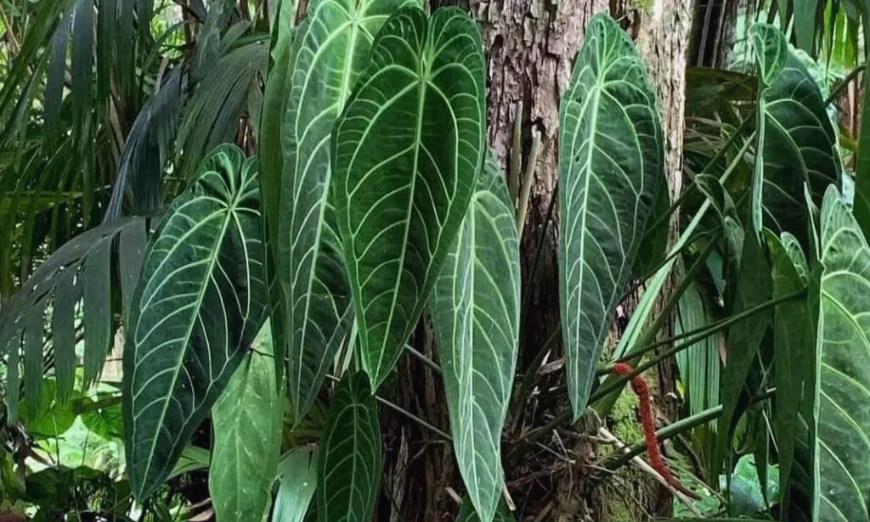
Anthurium warocqueanum, also known as the "Queen of Anthuriums" (Queen Anthurium), is a spectacular plant prized for its long, velvety leaves with a distinctive appearance. Native to Colombia, this anthurium is an epiphytic plant that grows naturally on trees, thriving in conditions of high humidity and filtered light. Even so, Anthurium warocqueanum can be challenging to grow, requiring precise conditions to flourish. Common difficulties include maintaining a consistently high humidity level, avoiding water stagnation in the substrate, and preventing sun damage caused by direct light. Sudden temperature changes or exposure to cold drafts can also significantly affect the plant's wellbeing.
The following guide gives you everything you need to succeed with this exceptional plant.
1. Light
Anthurium warocqueanum prefers bright, indirect light. Direct sun exposure can scorch the delicate leaves, while insufficient light slows growth and reduces leaf size. A well-lit spot away from direct sun rays — for example, near an east-facing or north-facing window — is ideal. Alternatively, LED grow lamps can supplement light, especially during the winter season.
2. Temperature
This species prefers temperatures between 18-25°C. Avoid sudden temperature fluctuations and cold drafts, which can negatively affect the plant. Anthurium warocqueanum does not tolerate temperatures below 15°C, so it is important to keep it in a stable environment.
3. Humidity
A high humidity level is essential for Anthurium warocqueanum. Ideally, ambient humidity should be between 70-90%. To maintain these conditions, you can use a humidifier, an open terrarium, or place the plant in a space with a natural source of moisture, such as the bathroom — provided it has sufficient light. Spraying the leaves with water can help, but avoid water accumulating on the leaves, which can cause spots or fungal infections.
4. Substrate
An airy, well-drained substrate is crucial for Anthurium warocqueanum, given its epiphytic nature. An ideal mix can include:
- Orchid bark;
- Perlite;
- Sphagnum moss;
- A few pieces of activated charcoal.
This mix allows the roots to breathe and prevents water stagnation, which can cause root rot.
5. Watering
Water with care, keeping the substrate moist but never saturated. Check the substrate with your finger: if the top 2-3 cm are dry, it's time to water. Use filtered or rainwater, as Anthurium warocqueanum is sensitive to chlorine and other chemicals in tap water. Avoid water stagnation in the saucer beneath the pot.
6. Fertilising
Regular but moderate fertilising benefits this plant. Use a balanced liquid fertiliser with a 20-20-20 formula, indicating equal content of nitrogen (N), phosphorus (P), and potassium (K). Nitrogen stimulates leaf growth and provides an intense green colour, phosphorus supports root and flower development, and potassium improves the plant's resistance to stress and disease. Dilute the fertiliser to half the recommended concentration and apply it once every 4-6 weeks during the growing season (spring and summer). In the cold season, reduce the frequency of application.
7. Leaf maintenance
The leaves of Anthurium warocqueanum are sensitive and can accumulate dust. Wipe them periodically with a soft, damp cloth to keep the surface clean and able to absorb light. Avoid using leaf "polishing" products, as these can affect the natural velvety texture.
8. Common problems
Anthurium warocqueanum can be attacked by pests such as spider mites, aphids, or thrips. To protect the plant, inspect the leaves and roots periodically for signs of infestation. If you spot pests, wash the leaves with warm water and a mild insecticidal soap. Applying a horticultural oil such as neem oil can also be effective in preventing or treating infestations. Make sure to maintain high humidity conditions, as this discourages certain types of pests.
9. Repotting
Because Anthurium warocqueanum has epiphytic roots, these roots may become visible and "crowd" the pot. Move the plant to a larger pot once every 1-2 years, or when the roots start to come out over the edge. It is recommended to leave epiphytic roots exposed or only partially incorporated in the substrate, to reflect the natural way these roots grow and develop.
Anthurium warocqueanum is a remarkable plant that adds elegance and uniqueness to any plant collection. With a little attention and care, you'll be able to enjoy its spectacular leaves and exotic beauty for many years.