EN/
EN/ Romana
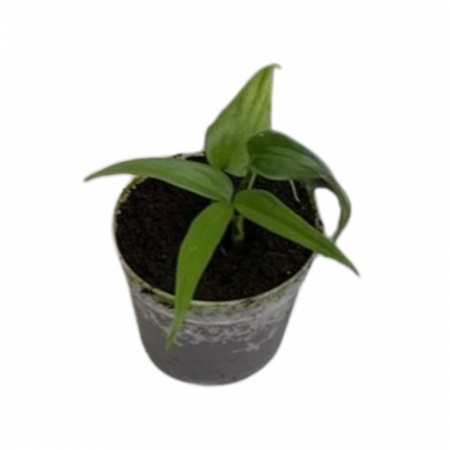
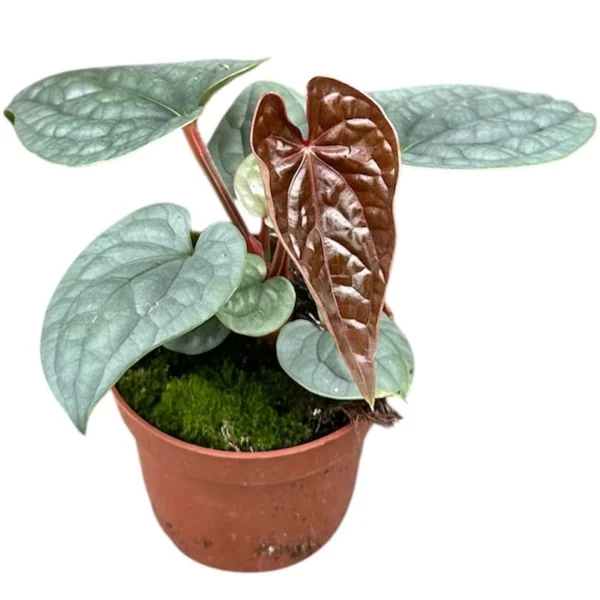
Anthurium veitchii 'Narrow Form' Ø8cm
![Anthurium veitchii 'Narrow Form' – The King Anthurium [0]](https://gomagcdn.ro/domains2/eufloria.ro/files/product/medium/anthurium-veitchii-narrow-d8-262512.webp "Anthurium veitchii 'Narrow Form' – The King Anthurium [0]")
![Anthurium veitchii 'Narrow Form' – The King Anthurium [1]](https://gomagcdn.ro/domains2/eufloria.ro/files/product/medium/anthurium-veitchii-narrow-d8-329347.webp "Anthurium veitchii 'Narrow Form' – The King Anthurium [1]")
![Anthurium veitchii 'Narrow Form' – The King Anthurium [1]](https://gomagcdn.ro/domains2/eufloria.ro/files/product/original/anthurium-veitchii-narrow-d8-262512.webp "Anthurium veitchii 'Narrow Form' – The King Anthurium [1]")
![Anthurium veitchii 'Narrow Form' – The King Anthurium [2]](https://gomagcdn.ro/domains2/eufloria.ro/files/product/original/anthurium-veitchii-narrow-d8-329347.webp "Anthurium veitchii 'Narrow Form' – The King Anthurium [2]")
Anthurium veitchii 'Narrow Form' (King Anthurium) is a spectacular epiphytic plant from Colombia, with extraordinarily long, deeply corrugated deep green leaves. Prefers bright indirect light and high humidity. A collector's piece for tropical plant enthusiasts. Caution: toxic – contains calcium oxalates.
Note: Product images are for guidance only. Due to different batches of imported products, there may be differences between the images on the website and the actual appearance of the products.
Approx height (including pot): 10 cm
Flowering state: No flowers
Pot diameter: 8 cm
- Description
- Characteristics
- Reviews (0)
- FAQ
🌿 Anthurium veitchii 'Narrow Form' – The King of Corrugated Leaves
Anthurium veitchii 'Narrow Form', also known as the "King Anthurium," is a spectacular epiphytic tropical plant, renowned for its extraordinarily long and deeply corrugated leaves. The "Narrow Form" is distinguished by narrower, elegantly elongated leaves with even more pronounced corrugations, making it a centerpiece in any collection.
🌍 Origins & Botanical History
Anthurium veitchii belongs to the Araceae family and is native to Colombia, where it grows as an epiphyte in montane tropical forests at elevations of 500-1,500 meters. It was described by Eduard Friedrich Poeppig in the 19th century and quickly earned the reputation of "king" of Anthuriums due to its impressive leaves that can exceed 1 meter in length at maturity.
🌿 Foliage – Corrugated Cascades of Deep Green
The leaves of Anthurium veitchii 'Narrow Form' are the defining feature of the plant. They are elongated, narrow, glossy deep green, with deep corrugations (plications) running along the leaf longitudinally, creating a dramatic three-dimensional effect. The texture is thick and semi-rigid, with a prominent central vein. Young leaves emerge bronzed or reddish and gradually develop into deep green shades. At maturity, each leaf can reach impressive dimensions.
🌱 Growth Habit & Development
Anthurium veitchii 'Narrow Form' is an epiphytic plant that prefers bright indirect light and high humidity (70-90%). The ideal substrate is an airy mix of bark, sphagnum, perlite, and charcoal, similar to orchid mix. Water when the substrate has partially dried out, maintaining a consistent moisture level. The optimal temperature is 18-27°C (65-80°F). Growth is moderate, producing a new leaf every few weeks under ideal conditions.
Lungime: 8 cm
Greutate (kg): 0.25 Kg
Denumire: Anthurium
Diametru: 8 cm
Cerințe lumină: Strong, indirect light
Tip plantă: Decorative
Utilizare: Interior
Tip suport: Ghiveci
Material Suport: Plastic
What is the difference between Anthurium veitchii narrow form and wide form?
The terms 'narrow' and 'wide' refer to how closely the lateral veins (ribs) are spaced on the corrugated leaves – not the overall leaf width. The narrow form has veins positioned closer together, creating more pronounced, tighter ribbing with a deeper pleated appearance. The wide form has veins spaced further apart with a less dramatic corrugation. The narrow form also tends to have a deeper sinus (the V-shaped notch where the leaf lobes meet the petiole). Both forms receive identical care; the distinction is purely aesthetic.
How big do Anthurium veitchii leaves get?
Anthurium veitchii is one of the largest epiphytic anthuriums. Indoors with proper care, mature leaves typically reach 60-90 cm (2-3 feet). In optimal greenhouse conditions or tropical climates, leaves can grow 120-180 cm (4-6 feet) long. In native Colombian cloud forests, specimens can produce leaves up to 2 meters. Juvenile plants have smaller, less corrugated leaves – the impressive ribbed texture develops as the plant matures over several years.
Why is my Anthurium veitchii growing slowly?
Slow growth is completely normal for Anthurium veitchii – it typically produces only one new leaf every 2-3 months. However, if growth seems excessively slow or has stopped, check these factors: insufficient light (needs bright indirect light for at least 8 hours), low humidity (requires 60-80%), cold temperatures (prefers 18-24°C), poor drainage causing root issues, or lack of nutrients. During winter with shorter days, supplemental grow lights help maintain growth. Patience is essential with this species.
What soil mix is best for Anthurium veitchii?
As an epiphyte that grows on trees in nature, Anthurium veitchii requires exceptionally well-draining, chunky substrate with excellent aeration. A recommended mix: orchid bark (40-50%), perlite (20-25%), horticultural charcoal (10-15%), and peat or coco coir (15-20%). Some growers successfully use 100% sphagnum moss. The key is providing air pockets around roots while retaining some moisture – never use dense, water-retentive potting soil which will cause root rot.
Is Anthurium veitchii toxic to cats and dogs?
Yes, Anthurium veitchii is toxic to cats, dogs, and horses according to the ASPCA and Pet Poison Helpline. All parts contain insoluble calcium oxalate crystals that cause immediate oral irritation, burning, swelling of mouth and tongue, excessive drooling, vomiting, and difficulty swallowing when chewed or ingested. While rarely life-threatening, symptoms are painful and distressing. Keep the plant out of reach of pets on high shelves or in closed plant rooms, and contact your veterinarian if ingestion occurs.
Care?
Indirect, drained, moderate water. 18-25°C.
How do you care for Anthurium veitchii?
Anthurium veitchii requires bright indirect light, high humidity (60–80%), airy aroid substrate, and temperatures between 18–25°C. Water when the top layer of substrate has dried out and avoid cold drafts.
What type of light does Anthurium veitchii need?
Anthurium veitchii requires bright, indirect light, similar to the filtered light beneath a tropical forest canopy. Avoid direct sunlight, which can scorch its delicate foliage. An east- or north-facing window is ideal, providing sufficient light without the risk of leaf burn.
Is Anthurium veitchii toxic to pets?
Yes, Anthurium veitchii contains calcium oxalate crystals that can cause oral mucosa irritation, excessive drooling, and difficulty swallowing if ingested. Toxicity is considered moderate. It is recommended to keep the plant away from small children and curious pets, and to wear gloves when handling.
What substrate is recommended for Anthurium veitchii?
Anthurium veitchii requires a very well-draining and aerated substrate that mimics its natural epiphytic environment. An ideal mix contains pine bark, perlite, sphagnum moss, and activated charcoal in equal proportions. The substrate should retain moisture without becoming waterlogged, as the roots are sensitive to rot.
Recommendations
Ai nevoie și de un ghiveci decorativ?