EN/
EN/ Romana
Anthurium luxurians Ø10.5cm
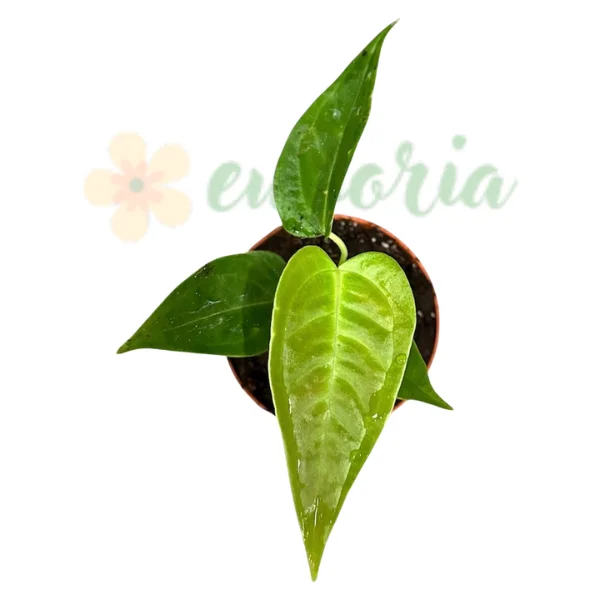
![Anthurium luxurians [0]](https://gomagcdn.ro/domains2/eufloria.ro/files/product/medium/anthurium-luxurians-d10-5-623401.webp "Anthurium luxurians [0]")
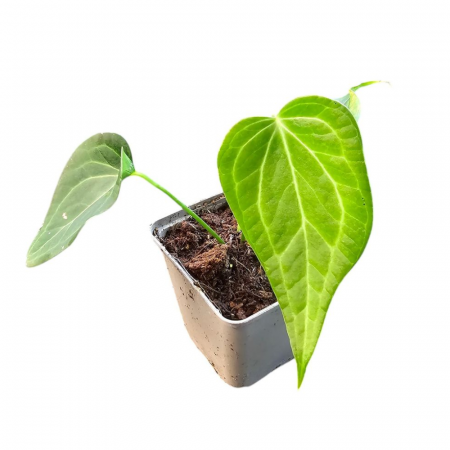
![Anthurium luxurians [1]](https://gomagcdn.ro/domains2/eufloria.ro/files/product/medium/anthurium-luxurians-d10-5-993741.webp "Anthurium luxurians [1]")
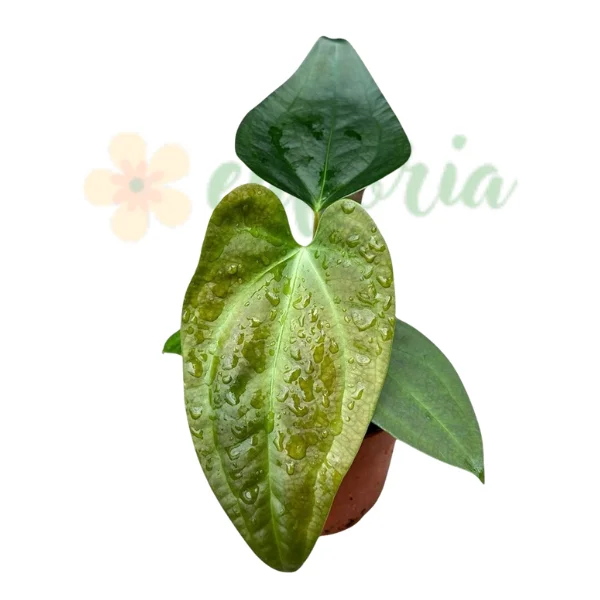
![Anthurium luxurians [2]](https://gomagcdn.ro/domains2/eufloria.ro/files/product/medium/anthurium-luxurians-d10-5-406936.webp "Anthurium luxurians [2]")
![Anthurium luxurians [3]](https://gomagcdn.ro/domains2/eufloria.ro/files/product/medium/anthurium-luxurians-d10-5-366848.webp "Anthurium luxurians [3]")
![Anthurium luxurians [4]](https://gomagcdn.ro/domains2/eufloria.ro/files/product/medium/anthurium-luxurians-d10-5-916591.webp "Anthurium luxurians [4]")
![Anthurium luxurians [5]](https://gomagcdn.ro/domains2/eufloria.ro/files/product/medium/anthurium-luxurians-d10-5-110346.webp "Anthurium luxurians [5]")
![Anthurium luxurians [1]](https://gomagcdn.ro/domains2/eufloria.ro/files/product/original/anthurium-luxurians-d10-5-623401.webp "Anthurium luxurians [1]")
![Anthurium luxurians [2]](https://gomagcdn.ro/domains2/eufloria.ro/files/product/original/anthurium-luxurians-d10-5-993741.webp "Anthurium luxurians [2]")
![Anthurium luxurians [3]](https://gomagcdn.ro/domains2/eufloria.ro/files/product/original/anthurium-luxurians-d10-5-406936.webp "Anthurium luxurians [3]")
![Anthurium luxurians [4]](https://gomagcdn.ro/domains2/eufloria.ro/files/product/original/anthurium-luxurians-d10-5-366848.webp "Anthurium luxurians [4]")
![Anthurium luxurians [5]](https://gomagcdn.ro/domains2/eufloria.ro/files/product/original/anthurium-luxurians-d10-5-916591.webp "Anthurium luxurians [5]")
![Anthurium luxurians [6]](https://gomagcdn.ro/domains2/eufloria.ro/files/product/original/anthurium-luxurians-d10-5-110346.webp "Anthurium luxurians [6]")
Anthurium luxurians is a remarkable tropical plant, recognized for its spectacular foliage, with prominent textures and a glossy, almost sculptural appearance. Native to tropical forests, this rare plant is a perfect choice for avid collectors and those who want a statement plant in their interior decor.
Approx height (including pot): 15 cm
Country of origin: Netherlands
Pot diameter: 10.5 cm
- Description
- Characteristics
- Reviews (0)
- FAQ
🌿 Anthurium luxurians — The Living Velvet of Colombian Cloud Forests
There are plants that transcend their role as mere decorative vegetation and become genuine living works of art. Anthurium luxurians is one of them — arguably the most dramatic example of leaf texture in the entire Anthurium genus, and a strong contender for the most tactile foliage in the broader plant kingdom. Its massive leaves, so deeply green they appear almost black in certain lighting, feature a profoundly bullate (quilted) surface that captures and reflects light in mesmerising patterns, transforming each specimen into a botanical sculpture of almost supernatural beauty.
For serious collectors of rare tropical plants, Anthurium luxurians occupies a place of particular reverence. Its scarcity in cultivation, combined with the overwhelming visual impact of its textured foliage, places it firmly in the category of trophy plants — those specimens that define a collection and become the focal point of any space they inhabit. Each leaf that unfurls is an event in itself, a masterclass demonstration of nature’s capacity for creating textures and forms of staggering complexity.
Cultivation requires patience and attention to environmental conditions, particularly humidity, but the reward is commensurate with the effort: a plant that grows more magnificent with each passing year, its leaves becoming larger and more deeply textured as it matures.
🌍 Origin and Botanical History
Anthurium luxurians was described by Engler and Krause in 1926, based on material collected from Colombia. The species is endemic to the Chocó region of western Colombia, an area recognised as one of the wettest places on Earth, with annual precipitation frequently exceeding 10,000 mm. This region, part of the Tumbes-Chocó-Magdalena biogeographic complex, is classified as a global biodiversity hotspot, harbouring an extraordinary concentration of endemic plant and animal species.
The genus Anthurium, described by Heinrich Wilhelm Schott in 1829, is the largest genus in the family Araceae, with over 1,000 described species and likely hundreds more awaiting formal classification. The generic name derives from Greek: “anthos” (flower) and “oura” (tail), referring to the spadix that forms the inflorescence. Anthurium luxurians belongs to section Cardiolonchium, a group characterised by cordate-hastate leaves and persistent cataphylls that form a fibrous sheath around the stem as they age.
In its natural habitat, the species grows as a terrestrial or hemiepiphyte at elevations between 300 and 1,200 metres, on humus-rich soils beneath the canopy of humid tropical forests. Relative humidity consistently above 85%, moderate temperatures (18–26°C), and diffuse light filtered through the forest canopy are the conditions in which this species has evolved — understanding which explains its relatively demanding cultivation requirements in domestic settings.
🌱 The Foliage
The leaves of Anthurium luxurians are, without exaggeration, among the most heavily textured in the entire plant kingdom. Cordate (heart-shaped) in outline, they can measure between 20 and 60 cm in length in mature specimens, with a proportional width of 15 to 40 cm. But the dimensions, though impressive, are eclipsed by the extraordinary surface texture that gives this species its legendary status among collectors.
The adaxial (upper) surface is profoundly bullate — covered in regular protuberances that create a spectacular three-dimensional quilted effect, reminiscent of crocodile skin, elaborate upholstery, or the surface of a golf ball rendered in living tissue. This bullate texture results from differential growth of the leaf blade: the intervenal tissue grows faster than the veins, creating the characteristic convex pockets that define the species. The degree of bullation increases as the plant matures, meaning that each successive leaf produced by an older specimen will be more dramatically textured than those of a younger plant.
The colour is equally dramatic: a green so deep it appears nearly black under certain lighting conditions, with a velvety lustre that absorbs and reflects light in fascinating ways. The primary veins are deeply impressed, visibly sunken into the leaf tissue, creating channels that accentuate the bullate texture. New leaves unfurl in a metallic reddish-bronze colour, gradually transitioning to the mature deep green over a period of several weeks — a chromatic transition that provides ongoing visual interest.
🌸 The Flowers
Like all Anthurium species, luxurians produces inflorescences consisting of a spadix surrounded by a spathe. Unlike the commercially popular Anthuriums with their vivid, brightly coloured spathes, in Anthurium luxurians the spathe is modest — green to whitish-green, thin, and elongated, serving a reproductive function rather than an ornamental one. The focus in this species is unambiguously on the foliage.
The spadix is cylindrical, measuring 5 to 10 cm in length, and contains hundreds of tiny bisexual flowers arranged in spirals. Natural pollination is carried out by specialised beetles, but in cultivation, hand pollination can be performed using a fine paintbrush. If pollination is successful, the resulting fruits are small, coloured berries, each containing 1 to 2 seeds that can be sown fresh for propagation, though germination and growth are extremely slow.
While the flowers are not the primary attraction of this species, their appearance is a reliable indicator of plant health — a specimen that flowers regularly is one that benefits from optimal growing conditions and has reached reproductive maturity.
🌱 Growth Habits and Cultivation
Anthurium luxurians develops a compact terrestrial habit with a short trunk from which long, erect petioles emerge to support the magnificent leaves in an asymmetric rosette arrangement. Growth is slow — the plant typically produces 3 to 5 new leaves per year under optimal conditions. With each new leaf, the oldest leaf gradually declines, maintaining a relatively constant number of active leaves (usually 4 to 6 in young specimens, potentially more in mature plants).
As the plant matures over years, successive leaves become progressively larger and the bullate texture becomes more pronounced, so that a 5 to 10 year old specimen can produce leaves of truly spectacular dimensions and texture. Patience is generously rewarded with this species — it is a plant that grows more beautiful with every passing season.
- Light: Moderate indirect light is optimal. Direct sunlight burns the leaves and damages the delicate texture. North or east-facing windows provide ideal conditions. Excessively bright light desaturates the characteristic dark leaf colour, reducing visual impact.
- Temperature: Optimum 18°C–25°C. Minimum 15°C. Does not tolerate sudden temperature fluctuations or cold draughts. Consistent, stable temperatures are essential for healthy growth and proper leaf development.
- Watering: Keep the substrate consistently moist but never waterlogged. Water when the surface begins to dry. Use filtered or rainwater — the species is sensitive to chlorine and dissolved mineral salts. Room-temperature water prevents root shock.
- Humidity: CRITICAL: requires minimum 70%, optimum 80–90%. This is the single most important cultivation requirement. A room humidifier or semi-enclosed terrarium setup is essential. Without adequate humidity, the leaves fail to develop their characteristic texture properly, and leaf margins may brown and crisp.
- Substrate: Extremely well-aerated mix: 40% coarse pine bark, 25% perlite, 20% sphagnum moss, 15% activated charcoal. Slightly acidic pH (5.5–6.5). The roots need air circulation as much as they need moisture — compacted or waterlogged substrates lead quickly to root rot.
- Fertilising: Apply fertiliser diluted to one-quarter recommended strength twice monthly during the growing season (March–September). Excess fertiliser burns the sensitive root system. A balanced or slightly nitrogen-heavy formula supports foliage development.
- Propagation: By seed (rare and extremely slow) or by separation of lateral offsets from mature specimens. Stem cuttings do not work for this species. Division should be performed carefully in spring, ensuring each division has adequate roots.
Lungime: 15 cm
Greutate (kg): 0.25 Kg
Denumire: Anthurium
Diametru: 10.5 cm
Cerințe lumină: Partial umbra
Tip plantă: Decorative
Utilizare: Interior
Tip suport: Ghiveci
Material Suport: Plastic
What kind of light does Anthurium luxurians prefer?
Anthurium luxurians prefer indirect, diffused light. Direct light can damage the leaves.
What is the ideal temperature for this species?
The optimal temperature is between 20–28°C. Avoid cold drafts and sudden changes.
Does it require high humidity?
Yes, this plant appreciates higher humidity, but not excessive. Moderate humidity in the room is sufficient.
Is it an easy plant to care for?
It is a sensitive species, especially suitable for enthusiasts who already have experience with tropical plants. It requires attention to watering and the environment.
How often should it be watered?
Water moderately, only when the top layer of the substrate has dried out. Avoid water stagnation.
Can it be kept in an apartment?
Yes. It adapts well in apartments if it has indirect light and stable environmental conditions.
Is it toxic to pets?
Like many anthuriums, it can be irritating if ingested. It is recommended to keep it out of reach of pets.
Recommendations
Ai nevoie și de un ghiveci decorativ?