
 EN/
EN/ Romana
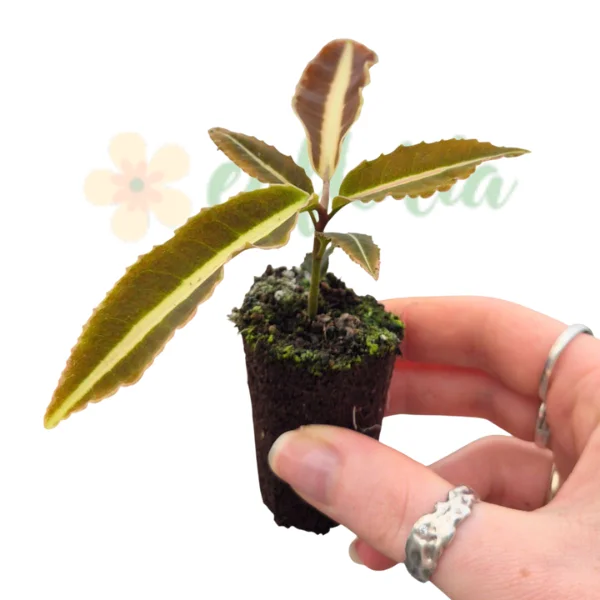
Alocasia melo Ø6cm
![Alocasia melo Ø6cm — rare Borneo aroid [1]](https://gomagcdn.ro/domains2/eufloria.ro/files/product/original/alocasia-melo-d6cm-669835.png "Alocasia melo Ø6cm — rare Borneo aroid [1]")
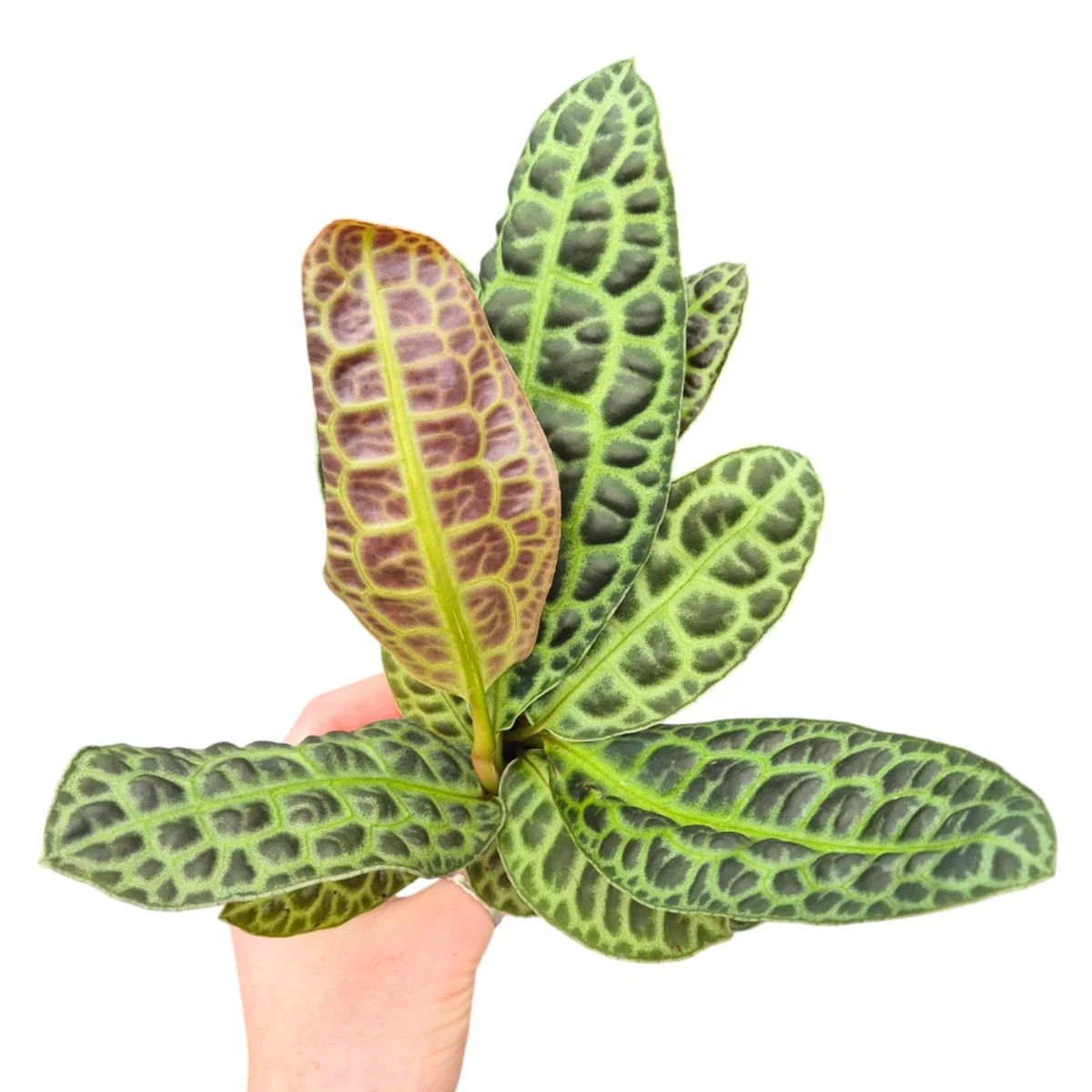
Alocasia melo is a rare aroid species from Borneo, known for thick, rigid leaves with deeply textured surfaces and silver veining. Slow-growing from an underground rhizome, reaching 30-40 cm at maturity. Loving high humidity and filtered light, it's a collector's piece for rare plant enthusiasts.
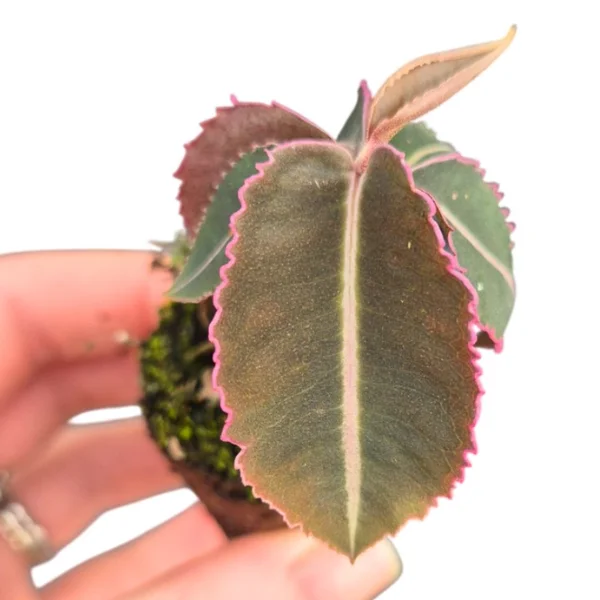
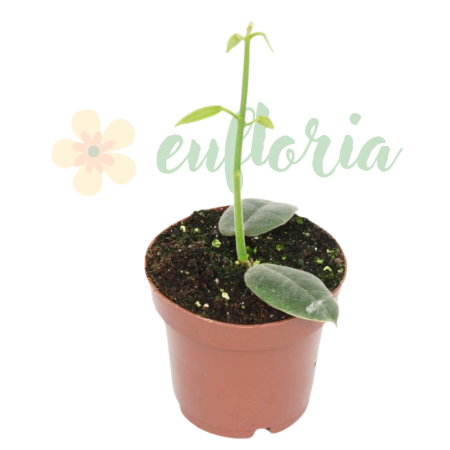
Note: Product images are for guidance only. Due to different batches of imported products, there may be differences between the images on the website and the actual appearance of the products.
Approx height (including pot): 10 cm
Pot diameter: 6 cm
- Description
- Characteristics
- Reviews (0)
- FAQ
Alocasia melo is one of the rarest and most impressive species in the Alocasia genus, native to the tropical forests of Borneo, Sabah. Known for its thick, rigid leaves with deeply textured surfaces and silver veining, it is considered a collector's piece for rare aroid enthusiasts. The name "melo" comes from the leaf surface — the deep impression of veins resembles the rind of a melon, creating an almost sculptural pattern unique in the world of indoor plants. This compact species occupies little space but offers a level of visual detail rarely encountered in other commercial aroids, which is why it is constantly sought after by botanical collectors worldwide.
Origin and Botanical Characteristics
Alocasia melo belongs to the Araceae family, alongside well-known species such as Monstera, Philodendron, Anthurium, and Syngonium. It is an endemic species from Sabah (the state on Borneo island, Malaysia), discovered in the 1990s and officially described in botanical literature in 1997 by A. Hay, P.C. Boyce, and K.M. Wong. It thrives in humid equatorial forests on humus-rich soil, frequently among limestone rocks or on shaded slopes, benefiting from filtered canopy light and nearly constant humidity above 80%. These specific conditions — indirect light, high humidity, and aerated substrate — are key to understanding its requirements in home cultivation.
Unlike other Alocasia species that can reach impressive sizes (such as Alocasia macrorrhizos with leaves over 1 meter), Alocasia melo is a compact species: at maturity it reaches 30-40 cm total height, with leaves of 12-18 cm in length. This reduced size makes it ideal for indoor spaces where large plants would be too voluminous, but in exchange offers an exceptional level of visual detail. The plant's form is "rosette" — leaves rise from the central underground rhizome, forming a concentrated decorative point that draws attention without dominating the space.
The leaves are remarkable through their unique characteristics. They are thick, hard, almost "fleshy" to the touch, with a heavily textured surface — primary and secondary veins are deeply impressed, creating waves and ridges visible across the entire blade. Color ranges from matte dark green to silver-green with metallic reflections, while veins are visibly lighter, offering a subtle but elegant contrast. At maturity, each leaf can live 1-2 years, while the plant continuously produces new leaves from the underground rhizome. The rigidity of the leaves makes them unusually resistant to mechanical damage — they don't tear at touch like the thin leaves of other indoor plants.
The underground rhizome is the main vegetative structure of Alocasia melo. It grows horizontally beneath the substrate surface, producing leaves on the upper side and roots on the lower side. From the rhizome, offsets occasionally appear — small new plants that can be separated for propagation. Understanding the rhizome structure is essential for repotting: the rhizome should not be buried too deeply, or the plant cannot produce new leaves, but it should not be exposed too much either, risking dehydration.
Why It Is So Rare and Appreciated in Collections
Alocasia melo is one of the most difficult species to propagate in the genus, which is why it appears extremely rarely on the commercial market. Unlike Alocasia 'Polly' or Alocasia zebrina, which propagate relatively easily through rhizome separation, melo grows slowly and produces few offsets that are difficult to detach without damaging the mother plant. In commercial nurseries, propagation is often done through tissue cultures (in vitro), a process that takes months and has variable success rates, which explains the high price and limited availability even in specialized European nurseries.
This natural rarity, combined with constant demand from aroid collectors, makes Alocasia melo a botanical investment. Mature plants with several adult leaves can reach considerable prices on specialized markets. Unlike other commercial Alocasia, melo does not hybridize easily and retains its characteristics almost unchanged for decades — each authentic specimen comes directly from the genetic line of wild plants discovered in Borneo. This genetic stability is appreciated by purist botanists who prefer non-hybridized species.
In its natural habitat, populations are limited to restricted areas of Sabah, threatened by deforestation and illegal collection for the botanical trade. Plants legally cultivated in authorized nurseries (such as the one this specimen comes from) help protect wild populations by reducing demand pressure. By purchasing a legally cultivated plant, you indirectly contribute to biodiversity conservation in Borneo. This ethical aspect becomes increasingly important for responsible collectors who want to expand their collection without contributing to the depopulation of natural habitats.
Care — Complete Guide for Cultivators
Alocasia melo requires attentive care to maintain its characteristic leaves and continue producing new healthy growth. Here is the complete guide, structured by essential parameters for successful cultivation:
Light: Bright indirect to medium. Direct sun, especially at midday, quickly burns the thick leaves, leaving irreversible brown spots. Best exposure is 1-2 meters from an east or west-facing window, or at a south-facing window filtered through a thin curtain. Tolerates less light than many other aroids, but below 5000 lux the plant grows slowly and does not produce new leaves. Full-spectrum LED grow lights at 6-8 hours per day are an excellent alternative in rooms without suitable windows.
Watering: Moderate — the substrate should be slightly dry on top (1-2 cm) between waterings. Thick leaves retain water, so the plant tolerates brief dry periods, but overwatering quickly leads to rhizome rot. In summer water every 7-10 days, in winter every 10-14 days. Use room-temperature water, decanted or filtered — chlorine and salts from tap water can affect sensitive roots. Rainwater or demineralized water are excellent options for regular watering.
Humidity: 60-80% optimal, ideally above 70%. Below 50%, leaves lose their characteristic gloss and begin to curl at the edges. Use a humidifier near the plant or place it on a pebble tray with water, ensuring the bottom of the pot does not directly touch the water. Grouping with other indoor plants creates a favorable microclimate through collective transpiration. In closed plant cabinets (open terrariums with grow lights), humidity can reach 80-90% constantly, ideal conditions for this species.
Substrate: Very aerated, with excellent drainage. Recommended mix: base universal substrate (40%), perlite (25%), fine pine bark (20%), horticultural activated charcoal (10%), sphagnum moss (5%). This mix mimics natural conditions in the tropical forest — soil rich in organic matter but very aerated, allowing root oxygenation and preventing water stagnation. The optimal pH of the substrate is slightly acidic (5.5-6.5).
Temperature: 20-28°C optimal, absolute minimum 16°C. Below 16°C the plant enters forced dormancy and may drop leaves, and below 12°C risks permanent damage to the rhizome. Avoid cold drafts from windows in winter and do not place the plant near air conditioning units that blow cold air directly on it. Sudden temperature variations (over 5°C difference between day and night) can stress the plant.
Fertilizing: Aroid fertilizer diluted to half (or more) of recommended concentration, monthly during the growing season (March-October). Do not fertilize in winter. Excess fertilizer leads to chemical "burning" of roots and salt accumulation in the substrate. Occasional flushing of the substrate with clean water (every 3-4 months) eliminates the surplus. Diluted foliar fertilizers can be sprayed on leaves 1-2 times a month for an additional boost.
Repotting: Every 18-24 months, in spring, into a pot only slightly larger (by 2-3 cm). Compact rhizomes stimulate the production of new leaves — a too-large pot prevents the plant from focusing on aerial growth. Check drainage: the hole at the base of the pot must be free, and a layer of pebbles or broken brick at the bottom helps water drainage.
Common problems: Yellowing of lower leaves is normal (natural cycle), but massive yellowing indicates overwatering. Brown edges = too low humidity. New leaves that don't fully unfurl = insufficient light or too low temperature. Spider mites can appear in very dry air — check the underside of leaves weekly. In case of mite attacks, isolate the plant and use insecticidal soap or neem oil.
Toxicity and Home Safety
Alocasia melo contains calcium oxalate crystals (raphides), common to all Alocasia species and most aroids. These microscopic, needle-shaped crystals are stored in the plant's tissues and are released when leaves are chewed or crushed. The plant is considered toxic to cats, dogs, and young children — it appears on the ASPCA toxic plant list. The toxicity mechanism is mechanical: crystals cause microlesions in the oral mucosa, triggering an immediate inflammatory reaction.
Symptoms of ingestion include: severe irritation of the mouth, tongue, and lips; excessive drooling; difficulty swallowing; nausea, vomiting. In rare but serious cases, swelling of the airways may occur and requires immediate veterinary intervention. Sap contact with sensitive skin can cause mild dermatitis — use gloves when repotting or pruning. If sap gets in the eyes, rinse abundantly with water for at least 15 minutes and consult a doctor.
Safety recommendations: place the plant in a location inaccessible to animals that tend to bite leaves (high shelves, hanging stands); wash hands after handling; do not use accessories or leaves from this plant in edible decorative compositions or for animals. For households with young children or curious pets, consider a non-toxic alternative, such as family-friendly plants.
Why Choose It for Your Collection
Alocasia melo is a "showpiece" for rare aroid enthusiasts — a plant that impresses through structure, texture, and genuine rarity. Unlike popular Alocasia such as 'Polly', zebrina, or 'Frydek', melo is hard to find, making it a natural point of interest in any botanical collection. Its compact character (30-40 cm at maturity) makes it suitable for apartments, offices, or plant cabinets (open terrariums), where it occupies little space but adds exceptional visual value.
The Ø6cm diameter allows a calm start with already stabilized roots in a starter pot. This format is ideal for cultivators who want to track the plant's development from juvenile to mature stage, observing how leaves progressively develop their characteristic texture. In 1-2 years, under good conditions, the plant will double its leaf count and produce adult leaves with full textured relief. This "guided growth" experience is one of the main satisfactions of rare plant collectors.
For those already collecting rare aroids such as Anthurium crystallinum, collector Philodendron, or Monstera obliqua, Alocasia melo perfectly completes the collection with a different visual character — the texture and rigidity of its leaves contrast with the soft, perforated, or glossy leaves of other aroids. This visual contrast between species makes a botanical collection stand out, offering a rich and diverse viewing experience.
Delivery across the EU with specialized packaging for live rare plants — each specimen is individually prepared to arrive at its destination in optimal condition, with protected roots and intact leaves. We use thermally insulated boxes and absorbent material to maintain humidity during transport, ensuring the plant arrives in the same condition it left the nursery.
Lungime: 10 cm
Greutate (kg): 0.1 Kg
Denumire: Alocasia
Diametru: 6 cm
Cerințe lumină: Strong, indirect light
Tip plantă: Decorative
Utilizare: Interior
Tip suport: Ghiveci
Material Suport: Plastic
Is Alocasia melo toxic?
Yes, it contains calcium oxalate crystals — toxic to cats, dogs, and children. Causes mouth irritation if ingested. See other Alocasia with the same risk.
How often should it be watered?
Moderately — every 7-10 days in summer, 10-14 days in winter. Let substrate dry slightly between waterings. Thick leaves retain water.
What substrate is suitable?
Aerated aroid mix: universal substrate with perlite (30%), fine pine bark (20%), and activated charcoal for drainage.
How do I propagate it?
By separating rhizome offsets in spring when the plant produces new pups. Slow-growing — patience is key. See techniques for Anthurium.
What makes Alocasia melo special?
Thick, rigid leaves with deeply textured surfaces and silver veining — unique in the Alocasia genus. An endemic species from Borneo, very rarely found in trade.
Ai nevoie și de un ghiveci decorativ?







