EN/
EN/ Romana
Aeschynanthus 'Twister' D9
![Aeschynanthus Twister – Rare Spiraling Lipstick Plant [0]](https://gomagcdn.ro/domains2/eufloria.ro/files/product/medium/aeschynanthus-twister-d9-808689.webp "Aeschynanthus Twister – Rare Spiraling Lipstick Plant [0]")
![Aeschynanthus Twister – Rare Spiraling Lipstick Plant [1]](https://gomagcdn.ro/domains2/eufloria.ro/files/product/medium/aeschynanthus-twister-d9-378183.webp "Aeschynanthus Twister – Rare Spiraling Lipstick Plant [1]")
![Aeschynanthus Twister – Rare Spiraling Lipstick Plant [1]](https://gomagcdn.ro/domains2/eufloria.ro/files/product/original/aeschynanthus-twister-d9-808689.webp "Aeschynanthus Twister – Rare Spiraling Lipstick Plant [1]")
![Aeschynanthus Twister – Rare Spiraling Lipstick Plant [2]](https://gomagcdn.ro/domains2/eufloria.ro/files/product/original/aeschynanthus-twister-d9-378183.webp "Aeschynanthus Twister – Rare Spiraling Lipstick Plant [2]")
Approx height (including pot): 12 cm
Flowering state: No flowers
Pot diameter: 9 cm
- Description
- Characteristics
- Reviews (0)
- FAQ
Aeschynanthus radicans 'Twister', commonly known as the Twisted Lipstick Plant or Twister Lipstick Vine, is a captivating tropical houseplant that has earned its place among the most sought-after trailing specimens for indoor cultivation. Developed through careful selection by Dutch growers, this award-winning cultivar (recognized with a Dutch horticultural prize in 2005) stands apart from typical lipstick plants with its distinctively spiraled, corkscrew-like foliage that creates an extraordinary sculptural effect.
Native to the humid rainforests of Malaysia and Thailand, Aeschynanthus radicans belongs to the Gesneriaceae family – the same botanical family as African violets. In its natural habitat, this species grows as an epiphyte, clinging to tree branches and rock crevices where it absorbs moisture and nutrients from the surrounding air rather than soil. This epiphytic nature makes 'Twister' exceptionally well-suited for hanging baskets and elevated displays where its cascading stems can trail gracefully.
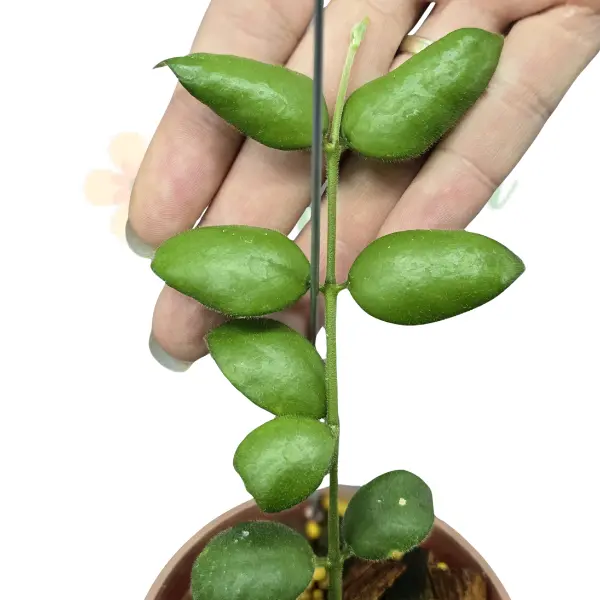
The 'Twister' cultivar is distinguished by its densely curled, fleshy leaves that twist dramatically along the stems, giving the plant a wild, rope-like appearance reminiscent of Hoya 'Compacta' (Hindu Rope). The deep green, waxy foliage grows on slender, trailing stems that can reach 30-60 cm in length, creating a lush, flowing display. This compact growth habit and unusual leaf formation make it particularly valuable as a decorative specimen.
When conditions are favorable, 'Twister' produces clusters of tubular, bright scarlet flowers that emerge from dark maroon to almost violet calyces – creating the "lipstick emerging from a tube" effect that gives the genus its common name. Flowers typically appear in groups of 8-12 at the stem tips, blooming most heavily in late summer and early fall, though with proper care, flowering can occur throughout the year. The blooms last several weeks, providing an extended period of vivid color against the sculptural green foliage.
As a houseplant, Aeschynanthus 'Twister' offers multiple benefits beyond its striking appearance. It is recognized for its air-purifying qualities, helping to filter indoor toxins and improve air quality. The plant is also classified as non-toxic to cats, dogs, and horses by the ASPCA, making it a safe choice for households with pets.
Care Requirements:
- Light: Bright, indirect light. Avoid direct sunlight which can scorch the leaves. Insufficient light will reduce or prevent flowering.
- Water: Allow the top 2-3 cm of soil to dry between waterings. Avoid overwatering, which can lead to root rot and leaf drop. The plant prefers consistently moist but never waterlogged conditions.
- Humidity: Thrives in high humidity (60-80%). Ideal for bathrooms, kitchens, or near humidifiers. Regular misting is beneficial.
- Temperature: 18-27°C (65-80°F). Protect from temperatures below 15°C (59°F) and cold drafts. Temperatures below 10°C can cause chilling injury.
- Soil: Well-draining, airy potting mix. A blend with perlite, orchid bark, or sphagnum moss works well, reflecting its epiphytic nature.
- Fertilizing: Feed every 2-4 weeks during spring and summer with a balanced liquid fertilizer diluted to half strength. A high-phosphorus fertilizer can encourage blooming.
- Repotting: Every 2-3 years or when rootbound. The plant tolerates being slightly rootbound, which can actually encourage flowering.
Display Suggestions: Perfect for hanging baskets, macramé plant hangers, high shelves, or wall-mounted planters where the twisted foliage can cascade dramatically. Also suitable for terrariums and vivariums with adequate ventilation.
Botanical Name: Aeschynanthus radicans 'Twister'
Family: Gesneriaceae
Common Names: Twisted Lipstick Plant, Twister Lipstick Vine, Rasta Lipstick Plant, Basket Vine
Origin: Cultivar developed from species native to Malaysia and Thailand
Growth Habit: Trailing/cascading epiphyte
Mature Size: Stems 30-60 cm long, spread 30-60 cm
Flowering: Red tubular flowers, primarily late summer to fall
Pet Safe: Yes – non-toxic to cats, dogs, and horses
Lungime: 10 cm
Greutate (kg): 0.5 Kg
Denumire: Aeschyanthus
Diametru: 9 cm
Cerințe lumină: Partial umbra
Tip plantă: Decorative
Utilizare: Interior
Tip suport: Ghiveci
Material Suport: Plastic
What is Aeschynanthus 'Twister' and why is it called a Lipstick Plant?
Aeschynanthus 'Twister' is a tropical trailing houseplant belonging to the Gesneriaceae family, the same family as African violets. It earns the name "Lipstick Plant" from its distinctive flowers – bright red tubular blooms that emerge from dark maroon calyces, resembling a tube of lipstick being pushed up from its case. The 'Twister' cultivar is specifically recognized for its uniquely spiraled, corkscrew-like leaves that twist along the stems, creating a sculptural, rope-like appearance unlike any other houseplant.
Is Aeschynanthus 'Twister' safe for cats, dogs, and other pets?
Yes, Aeschynanthus 'Twister' (Lipstick Plant) is classified as non-toxic to cats, dogs, and horses by the ASPCA (American Society for the Prevention of Cruelty to Animals). The plant contains no known toxic compounds, making it a safe choice for households with curious pets. While ingestion of any plant material may cause mild gastrointestinal upset in some animals, there are no serious health risks associated with this species.
How do I get my Lipstick Plant 'Twister' to bloom?
To encourage flowering in Aeschynanthus 'Twister', provide bright indirect light (insufficient light is the most common reason for lack of blooms), maintain temperatures between 21-27°C (70-80°F), ensure high humidity around the plant, and allow it to become slightly rootbound. Feed with a phosphorus-rich fertilizer during the growing season. A slight reduction in watering during winter followed by regular care in spring can also trigger blooming. Flowers typically appear in late summer through fall, though well-cared-for plants may bloom sporadically year-round.
What causes leaf drop on my Twisted Lipstick Plant?
Leaf drop in Aeschynanthus 'Twister' is most commonly caused by: cold temperatures or drafts (keep above 15°C/59°F), overwatering leading to root rot, underwatering causing dehydration, or sudden environmental changes. Check that the plant isn't near cold windows, air conditioning vents, or heating sources. Ensure proper drainage and allow the top layer of soil to dry between waterings. Gradually acclimate the plant to any new location rather than moving it abruptly.
What is the difference between Aeschynanthus 'Twister' and Aeschynanthus 'Rasta'?
Both 'Twister' and 'Rasta' are cultivars of Aeschynanthus radicans with curled foliage, and the names are often used interchangeably. However, 'Twister' typically displays more pronounced, tighter spiraling in its leaves with a more compact growth habit, while 'Rasta' tends to have slightly looser curls. Both produce the same vibrant red lipstick-like flowers and require identical care. The differences are subtle, and both cultivars originated from Dutch breeding programs selecting for unusual leaf formations.
How often should I water Aeschynanthus 'Twister'?
Water your Aeschynanthus 'Twister' when the top 2-3 cm of soil feels dry to the touch. This typically means watering every 5-7 days during the growing season, though frequency varies based on environmental conditions. In winter, reduce watering as growth slows. The plant prefers consistently moist but never waterlogged soil. Overwatering is more dangerous than underwatering for this species – soggy soil leads to root rot, while slight drought stress is tolerable. Always ensure your pot has drainage holes.
Can I grow Lipstick Plant 'Twister' in low light conditions?
While Aeschynanthus 'Twister' can survive in lower light conditions, it will not thrive or bloom. The plant requires bright, indirect light to maintain healthy growth and produce flowers. In low light, you'll notice leggy growth, reduced leaf curling, and complete absence of blooms. A north or east-facing window works well, or a position near a south/west window with filtered light. If natural light is limited, the plant responds well to supplemental grow lights providing 12-14 hours of illumination daily.
Is Aeschynanthus 'Twister' an air-purifying plant?
Yes, Aeschynanthus 'Twister' is recognized for its air-purifying capabilities. Like many tropical houseplants, it helps filter common indoor air pollutants and toxins, contributing to improved indoor air quality. While not as extensively studied as plants like pothos or spider plants, lipstick plants are included in lists of beneficial air-cleaning houseplants. Combined with its non-toxic nature and attractive appearance, this makes 'Twister' an excellent choice for creating healthier indoor environments.
How do I propagate Aeschynanthus 'Twister'?
Aeschynanthus 'Twister' propagates readily from stem cuttings. Take 10-15 cm cuttings from healthy stems, removing lower leaves. Dip the cut end in rooting hormone (optional but helpful) and plant in a well-draining propagation mix or moist sphagnum moss. Keep the cutting warm (21-24°C), humid, and in bright indirect light. Roots typically develop within 4-6 weeks. You can also root cuttings in water, transferring to soil once roots reach 3-5 cm. The best time to propagate is during spring or early summer.
Why are my Aeschynanthus 'Twister' leaves turning yellow?
Yellow leaves on Aeschynanthus 'Twister' typically indicate overwatering – the most common care mistake with this species. Check that soil isn't staying constantly wet and that the pot drains properly. Other causes include: nutrient deficiency (apply balanced fertilizer), natural aging of older leaves (normal if limited to lower leaves), or exposure to direct sunlight causing leaf burn. Adjust your watering schedule, ensure proper drainage, and provide bright indirect light rather than direct sun to restore plant health.
What humidity level does Twisted Lipstick Plant need?
Aeschynanthus 'Twister' thrives in humidity levels between 60-80%, reflecting its origins in tropical rainforests. Average home humidity (40-50%) is tolerable but not ideal. To increase humidity: place the plant in naturally humid rooms like bathrooms or kitchens with adequate light, use a pebble tray filled with water beneath the pot, group plants together, mist regularly, or use a room humidifier. Higher humidity encourages better leaf development, more vigorous growth, and increased flowering.
Where does Aeschynanthus 'Twister' come from originally?
Aeschynanthus 'Twister' is a cultivated variety developed by Dutch growers from the species Aeschynanthus radicans, which is native to the tropical rainforests of Southeast Asia, particularly Malaysia and Thailand. In the wild, Aeschynanthus species grow as epiphytes – plants that grow on trees and rocks rather than in soil – in humid, shaded forest environments. The 'Twister' cultivar was created through selective breeding to enhance the unusual twisted leaf characteristic, winning a Dutch horticultural award in 2005.
Care?
Indirect, drained, moderate water. 18-25°C.
Water?
When soil dries.
Light?
Bright indirect.
Toxic?
Check specs.
Soil?
Well-drained.
Recommendations
Ai nevoie și de un ghiveci decorativ?