EN/
EN/ Romana
Aeschynanthus 'Green Star' Ø15cm
![Aeschynanthus Green Star [0]](https://gomagcdn.ro/domains2/eufloria.ro/files/product/medium/aeschynanthus-green-star-d15-079442.jpg "Aeschynanthus Green Star [0]")
![Aeschynanthus Green Star [1]](https://gomagcdn.ro/domains2/eufloria.ro/files/product/medium/aeschynanthus-green-star-d15-567075.jpg "Aeschynanthus Green Star [1]")
![Aeschynanthus Green Star [2]](https://gomagcdn.ro/domains2/eufloria.ro/files/product/medium/aeschynanthus-green-star-d15-419908.jpg "Aeschynanthus Green Star [2]")
![Aeschynanthus Green Star [3]](https://gomagcdn.ro/domains2/eufloria.ro/files/product/medium/aeschynanthus-green-star-d15-189801.jpg "Aeschynanthus Green Star [3]")
![Aeschynanthus Green Star [1]](https://gomagcdn.ro/domains2/eufloria.ro/files/product/original/aeschynanthus-green-star-d15-079442.jpg "Aeschynanthus Green Star [1]")
![Aeschynanthus Green Star [2]](https://gomagcdn.ro/domains2/eufloria.ro/files/product/original/aeschynanthus-green-star-d15-567075.jpg "Aeschynanthus Green Star [2]")
![Aeschynanthus Green Star [3]](https://gomagcdn.ro/domains2/eufloria.ro/files/product/original/aeschynanthus-green-star-d15-419908.jpg "Aeschynanthus Green Star [3]")
![Aeschynanthus Green Star [4]](https://gomagcdn.ro/domains2/eufloria.ro/files/product/original/aeschynanthus-green-star-d15-189801.jpg "Aeschynanthus Green Star [4]")
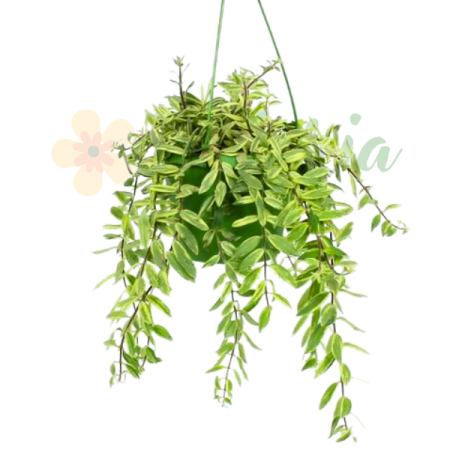
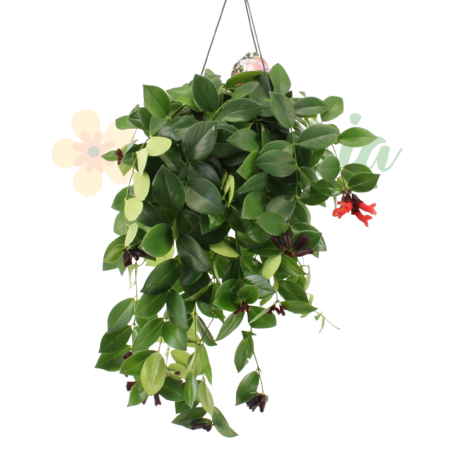
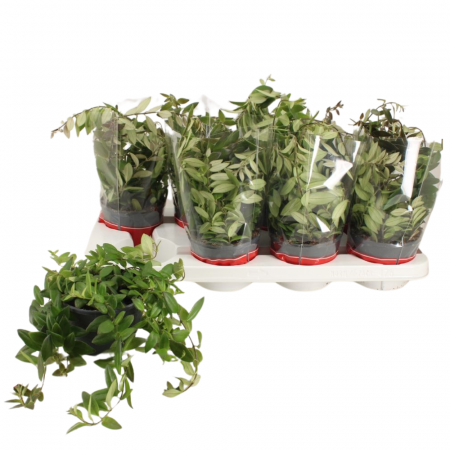
Aeschynanthus ‘Green Star’ (lipstick plant) – a trailing plant with thick, fleshy leaves of intensely shimmering green. Spectacular foliage cascades, ideal for hanging pots. Can produce tubular red-orange flowers. Prefers bright indirect light, high humidity, and temperatures between 18–26°C. Non-toxic plant, safe for pets.
- Description
- Reviews (0)
- FAQ
🌿 Aeschynanthus ‘Green Star’ — The Lipstick Plant with an Emerald Cascade
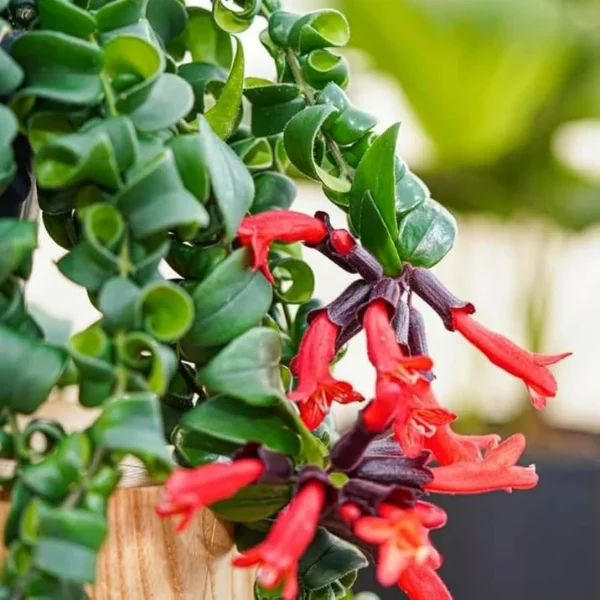
Aeschynanthus ‘Green Star’, popularly known as the “lipstick plant”, is a tropical epiphytic plant that owes its nickname to its tubular, intensely red flowers that appear to emerge from dark calyces like lipstick from a tube. It is a plant that combines the beauty of persistent foliage with the spectacle of flowering, rewarding the patient collector with a truly fascinating floral display.
The Aeschynanthus genus comprises over 150 species, most originating from the humid tropical forests of Southeast Asia — from Indonesia and Malaysia to Vietnam and southern China. In nature, these plants grow as epiphytes on tree branches, hanging in light-filtered canopies where humidity is consistently high and air circulates freely.
The ‘Green Star’ cultivar distinguishes itself through its exceptionally waxy and glossy leaves in deep green, arranged along flexible stems that cascade elegantly from hanging pots. This natural cascading form makes Aeschynanthus one of the most beautiful choices for decorating vertical spaces.
🌍 Origin and Natural Adaptation
Aeschynanthus species are native to the tropical rainforests of Southeast Asia, where they occupy the upper storey of vegetation, anchored to the branches of old trees. This epiphytic lifestyle means their roots are adapted to rapidly absorb moisture from the air and from natural matter accumulated in hollows, without being buried in heavy soil.
This natural ecology explains the plant's preferences in cultivation: aerated substrate, indirect light, and high humidity. As an epiphyte, Aeschynanthus does not parasitise its host trees but procures nutrients exclusively from precipitation and decomposing plant matter.
The genus name derives from the Greek aischyne (shame) and anthos (flower), a reference to the bright red colour of the flowers that “blush” like a flushed cheek. This poetic 19th-century name reflects the Victorian botanists' fascination with exotic tropical plants.
🌱 Complete Care Guide
Light is essential for flowering. Aeschynanthus ‘Green Star’ prefers bright, indirect light. A spot near an east or west-facing window with a few hours of gentle sun is ideal. Direct summer midday sun can scorch the leaves. Without sufficient light, the plant survives but will not flower.
Watering requires balance: keep the substrate slightly moist during the active growing period (spring-summer) but not waterlogged. In winter, reduce frequency and allow the substrate to dry slightly between waterings. Room-temperature water, preferably filtered or left to degas, is ideal.
Humidity is the key factor. As a tropical forest plant, Aeschynanthus thrives at 60-80% relative humidity. Regular leaf misting, a pebble tray with water, or a humidifier are effective methods for maintaining the necessary humidity.
Substrate should be light and well-drained, mimicking the epiphytic environment. A mix of pine bark, perlite, peat, and activated charcoal in equal proportions works excellently. Avoid compact universal substrate that retains too much water.
Temperature ideally ranges between 18-27°C. Aeschynanthus does not tolerate cold — temperatures below 15°C cause leaf drop. Avoid cold draughts and sudden temperature changes.
🌸 Flowering — The Lipstick Plant Spectacle
The flowers are the star of this plant. Tubular, in intense red or bright orange, they typically appear during the warm season (spring-autumn) at the tips of mature stems. Each flower is surrounded by a dark tubular calyx, creating the “lipstick emerging from tube” effect.
To stimulate flowering, provide the plant with a winter rest period at slightly lower temperatures (16-18°C) and reduced watering for 4-6 weeks. This mild vernalisation initiates flower bud formation.
🌱 Propagation and Practical Tips
Aeschynanthus propagates easily through stem cuttings. Cut 8-10 cm segments with 2-3 nodes, remove the lower leaves, and plant directly in moist substrate. Maintain high humidity (cover with a plastic bag) and wait 2-4 weeks for rooting.
Repotting is done in spring, every 2 years. Choose a pot only 1-2 cm larger. Hanging “basket” pots with coconut fibre are ideal, allowing stems to cascade naturally.
Regular tip pruning (pinching) stimulates branching and creates a denser plant that is richer in flowers. Do this in spring, before the start of the active growing season.
How do you care for Aeschynanthus Green Star?
Aeschynanthus Green Star prefers indirect, moderate to bright light. Water moderately, allowing the top layer of soil to dry between waterings. The plant thrives best in a high humidity environment at temperatures between 18–25°C. Use a well-drained substrate based on peat and perlite.
Is Aeschynanthus Green Star toxic to pets?
Aeschynanthus Green Star is not known to be toxic, however it is recommended to keep it away from small children and pets to prevent accidental ingestion of leaves or sap.
How do I get Aeschynanthus Green Star to bloom?
To encourage blooming, provide bright indirect light, maintain high humidity, and slightly reduce watering during the dormancy period (winter). Lower nighttime temperatures (around 15–16°C) for a few weeks can trigger flower bud formation. Fertilize with a liquid flowering plant fertilizer during the growing season (spring and summer).
How do you care for Aeschynanthus 'Green Star'?
Does Aeschynanthus 'Green Star' bloom?
What type of pot is suitable for Aeschynanthus?
Why does Aeschynanthus drop its leaves?
Ai nevoie și de un ghiveci decorativ?