EN/
EN/ Romana
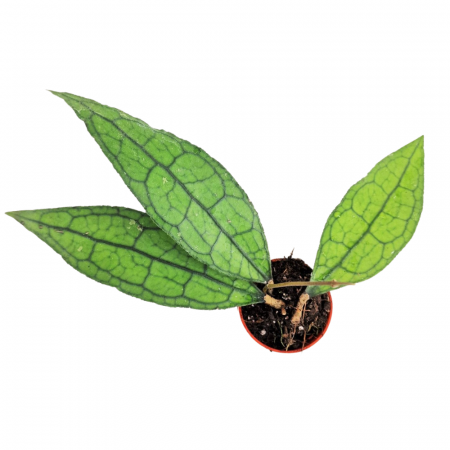
Hoya ’Crassipetiolata Splash’ Ø10.5cm
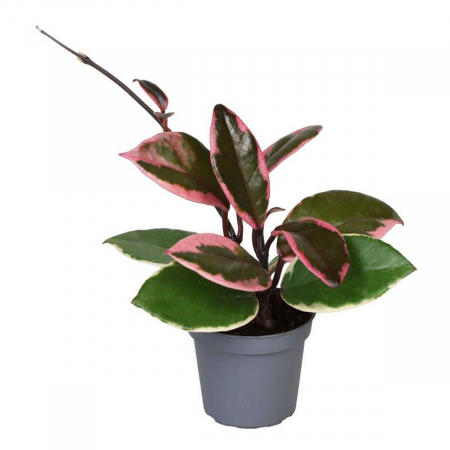
![Hoya Crassipetiolata Splash - indoor plant with glossy leaves and silver splashes [0]](https://gomagcdn.ro/domains2/eufloria.ro/files/product/medium/hoya-crassipetiolata-splash-d10-5-231826.png "Hoya Crassipetiolata Splash - indoor plant with glossy leaves and silver splashes [0]")
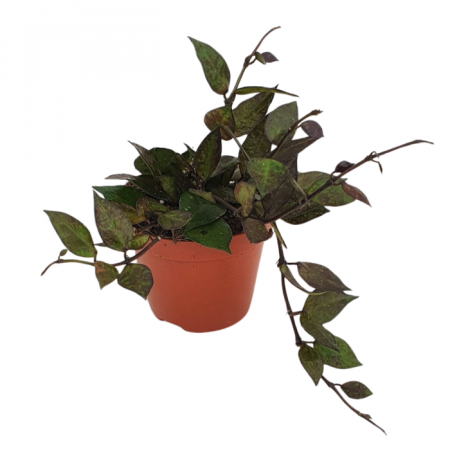
![Hoya Crassipetiolata Splash - indoor plant with glossy leaves and silver splashes [1]](https://gomagcdn.ro/domains2/eufloria.ro/files/product/medium/hoya-crassipetiolata-splash-d10-5-579808.png "Hoya Crassipetiolata Splash - indoor plant with glossy leaves and silver splashes [1]")
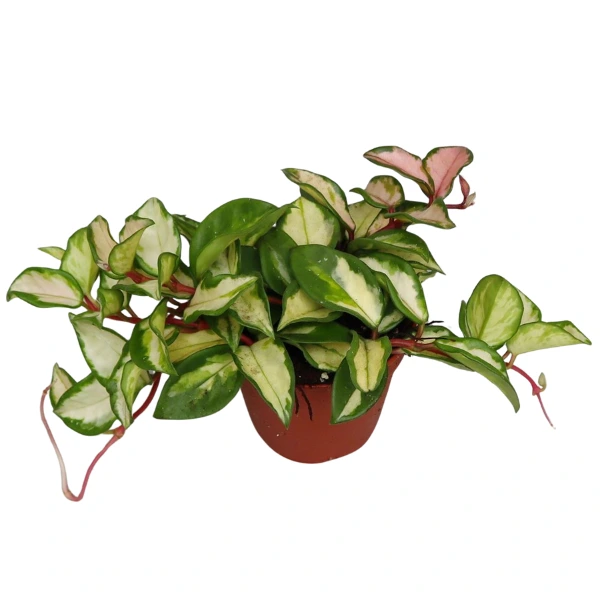
![Hoya Crassipetiolata Splash - indoor plant with glossy leaves and silver splashes [1]](https://gomagcdn.ro/domains2/eufloria.ro/files/product/original/hoya-crassipetiolata-splash-d10-5-231826.png "Hoya Crassipetiolata Splash - indoor plant with glossy leaves and silver splashes [1]")
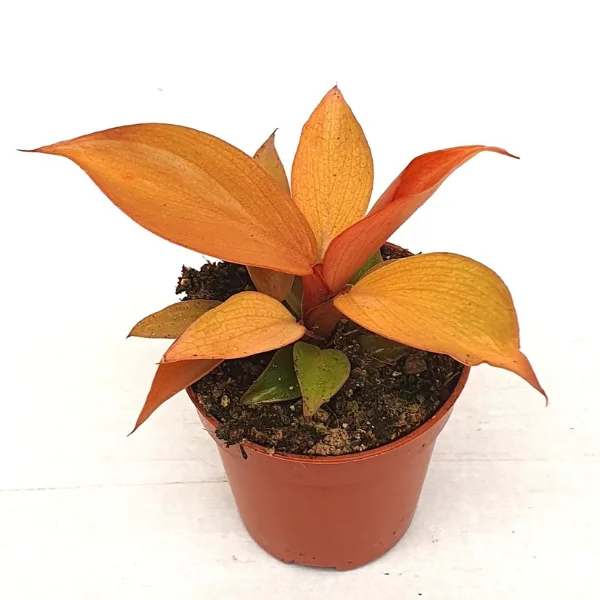
![Hoya Crassipetiolata Splash - indoor plant with glossy leaves and silver splashes [2]](https://gomagcdn.ro/domains2/eufloria.ro/files/product/original/hoya-crassipetiolata-splash-d10-5-579808.png "Hoya Crassipetiolata Splash - indoor plant with glossy leaves and silver splashes [2]")
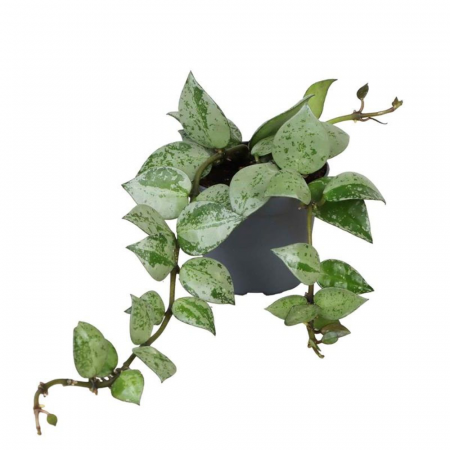
Hoya crassipetiolata ‘Splash’ is a rare species from the Apocynaceae family, native to the tropical forests of Southeast Asia, distinguished by its thick, glossy, deep green leaves adorned with spectacular silver splashes and patches. Its waxy, white, star-shaped flowers emit a sweet honey-and-vanilla fragrance that intensifies in the evening. A robust epiphytic plant, ideal for both collectors and those beginning their Hoya journey.
Approx height (including pot): 15 cm
Flowering state: No flowers
Country of origin: Netherlands
- Description
- Characteristics
- Reviews (0)
- FAQ
🌿 Hoya Crassipetiolata Splash — A Tropical Gem with Silver-Painted Foliage
In the vast and captivating world of the genus Hoya, certain species win hearts through their flowers, others through their fragrance, and some — like Hoya crassipetiolata ‘Splash’ — enchant through foliage of rare elegance. This selected form, known as “Splash,” stands apart from the type species through the silvery patterns that adorn each leaf — splashes and droplets of silver that appear painted onto a deep green, porcelain-glossy background. The visual effect is mesmerizing: under natural light, the leaves seem to shimmer subtly, like semi-precious stones covered in morning dew.
This is a plant that reveals its beauty gradually. At first glance, the thick, waxy leaves may appear austere, but examined closely, each displays a unique pattern of silver splashes — no two leaves are ever perfectly alike. This natural variability makes every specimen a unique piece, a small botanical universe that invites contemplation. Hoya collectors treasure it for the perfect marriage between the robustness of the crassipetiolata species and the ornamental quality of the “Splash” form.
Hoya crassipetiolata ‘Splash’ is a plant that rewards patience. Its moderate growth rate and persistent foliage make it a stable presence in any collection, and when conditions are optimal, it surprises with fragrant inflorescences that complement the spectacle of its foliage. It is, in essence, a plant for those who understand that true botanical beauty lies in the details.
🌍 Origin and Botanical History
The species Hoya crassipetiolata was first described by Dale Kloppenburg, one of the most prominent specialists in Hoya taxonomy during the second half of the twentieth century. The specific epithet, crassipetiolata, derives from the Latin crassus (thick) and petiolatus (with petiole), referring to the remarkably thick, fleshy petioles of this species — a distinctive trait that separates it from many other members of the genus.
The plant is native to the tropical regions of Southeast Asia, where it grows naturally in humid lowland and mid-elevation forests. Its native habitat includes tropical forest zones of Thailand, Cambodia, and possibly adjacent regions of the Indochinese Peninsula, where it clings to tree trunks and branches, benefiting from the filtered light beneath the dense canopy and the constantly high ambient humidity.
The “Splash” form represents a horticultural selection in which the silvery leaf pigmentation is pronounced and consistent. This characteristic occurs naturally in some specimens within wild populations but has been stabilized through cultivation selection to provide maximum decorative effect. The term “splash” refers to the pattern of silver patches scattered across the leaf surface, reminiscent of paint droplets sprinkled on a green canvas.
🌱 The Foliage
The leaves are the primary attraction of this plant and the reason the “Splash” form has become so sought-after among collectors. Each leaf is a work of natural art: ovoid to elliptic, with generous dimensions of 8–15 cm in length and 4–7 cm in width, featuring a thick, fleshy texture that betrays the plant’s capacity to store water — an adaptation to the periodic dry spells of its natural habitat.
The leaf surface is coated in a waxy, glossy layer that gives it an almost glazed appearance. Against this deep green background, the silver patches characteristic of the “Splash” form unfold in unpredictable, unique patterns. Some leaves display fine, evenly dispersed droplets, while others feature larger silver zones that cover nearly half the leaf blade. The intensity of the splash pattern varies depending on light conditions and leaf maturity — young leaves tend to show more subtle patterns that intensify as the leaf matures.
The petioles are exceptionally thick and robust, true to the species name — crassipetiolata. This anatomical peculiarity gives the leaves a firm bearing and remarkable stability on the stem, ensuring the plant always looks orderly and well-structured. The central vein is visible on the lower leaf surface, and the margins are entire with a slight undulation that adds visual dynamism. When sunlight falls tangentially across the leaves, the waxy coating creates subtle reflections that make the splash pattern glisten delicately, like a botanical brocade.
🌸 The Flowers
Hoya crassipetiolata ‘Splash’, like all species in the genus Hoya, has the capacity to produce spectacular inflorescences that beautifully complement the ornamental foliage. The flowers appear in umbels — compact clusters of small flowers arranged radially on a common peduncle, creating the characteristic “spherical bouquet” form found in numerous Hoya species.
Each individual flower is star-shaped with five petals, featuring a waxy, almost translucent texture. The predominant colour is pure white to cream, with a central corona of delicate pink or yellowish-white, depending on growing conditions and flower maturity. The petals are smooth and slightly reflexed, giving the flower an elegant, refined appearance.
The fragrance is one of this species’ strongest attributes. The flowers emit a sweet, intoxicating scent with notes of honey and vanilla that intensifies during the evening and nighttime hours — a pollination strategy adapted to attract nocturnal pollinators in the wild. In indoor cultivation, the fragrance can fill an entire room, transforming the space into an exotic retreat. To bloom, the plant needs maturity (typically 2–3 years from rooting), bright indirect light, and a period of relative rest during the cool season with less frequent watering and slightly lower temperatures.
🌱 Growth Habits and Care
Hoya crassipetiolata ‘Splash’ is an epiphytic plant with a trailing or climbing habit that, in its natural environment, clings to tree trunks and branches using adventitious roots. In cultivation, this growth habit translates into a versatile plant that can be trained on a moss pole, guided along a trellis, or left to cascade freely from a hanging pot, creating a particularly decorative green waterfall effect.
The growth rate is moderate, typical of thick-leaved Hoya species. During the warm season, with abundant light and optimal temperatures, the plant produces new shoots that elongate progressively, each node generating a new pair of leaves. These young leaves are initially a lighter green with a less pronounced splash pattern, maturing over 2–3 months to their final glossy, richly ornamented appearance. Branching occurs naturally, especially if the plant is occasionally pinched at the tips, encouraging the formation of a dense, compact specimen.
One of the key advantages of this species is its remarkable robustness. The thick, waxy leaves function as water reservoirs, allowing the plant to tolerate short periods of neglect without visible suffering. This makes Hoya crassipetiolata ‘Splash’ an excellent choice both for expert collectors seeking a rare specimen and for enthusiasts building their first Hoya collections.
Care requirements are as follows:
- Light: Bright indirect light, ideally near an east- or west-facing window. Tolerates medium light, but the splash pattern intensifies with more light. Avoid strong direct sunlight, which can scorch the leaves.
- Temperature: Optimal 18–28°C. Tolerates minimums of 12°C short-term. A slight temperature decrease during the cool season (15–18°C) can stimulate flowering.
- Watering: Allow the substrate to dry almost completely between waterings. The thick leaves store water, so the plant prefers to be slightly neglected rather than overwatered. Reduce frequency in winter.
- Humidity: 50–70% is ideal, but tolerates normal ambient humidity (40–50%). Occasional misting is beneficial but not mandatory.
- Substrate: Well-draining, airy mix — pine bark, perlite, coco coir, and activated charcoal. Recommended ratio: 40% bark, 30% perlite, 20% coco, 10% charcoal.
- Fertilizing: During the growing season (April–September), apply a balanced or phosphorus-rich liquid fertilizer diluted to half strength, once monthly. Suspend fertilizing in winter.
- Propagation: Via stem cuttings with 2–3 nodes, placed in moist sphagnum or perlite. Rooting takes 3–6 weeks in warm (22–25°C), humid conditions.
Lungime: 20 cm
Greutate (kg): 0.5 Kg
Denumire: Hoya
Diametru: 10.5 cm
Cerințe lumină: Partial umbra
Tip plantă: Decorative
Utilizare: Interior
Tip suport: Ghiveci
Material Suport: Plastic
Is Hoya crassipetiolata Splash toxic to pets?
According to ASPCA, the Hoya genus is not listed as toxic to dogs, cats, or horses. Hoya crassipetiolata Splash is considered non-toxic. Ingestion may cause minor gastric discomfort in sensitive pets.
What are the silver splashes on the leaves?
The silver splashes are natural cellular deposits that reflect light, giving the leaves a shimmering appearance. Splash intensity varies with light — bright indirect light intensifies the silver effect.
Does Hoya crassipetiolata Splash bloom?
Yes, mature plants (2-3 years) produce large umbels of 20-30 white flowers with pink centres, with intense sweet fragrance especially in the evening. Do not cut peduncles after blooming — they produce new flowers in subsequent seasons.
How often should I water Hoya crassipetiolata?
Water when substrate has dried almost completely: every 7-10 days in summer and 14-21 days in winter. The semi-succulent leaves store water. Overwatering is the main risk — it causes root rot.
What experience level does Hoya crassipetiolata Splash require?
Recommended for beginner to intermediate level. It is one of the more tolerant Hoya species, with vigorous growth (30-50 cm/year) and relatively easy flowering. Requires aerated substrate, bright indirect light, and moderate watering.
Ai nevoie și de un ghiveci decorativ?