EN/
EN/ Romana
Hoya halophylla
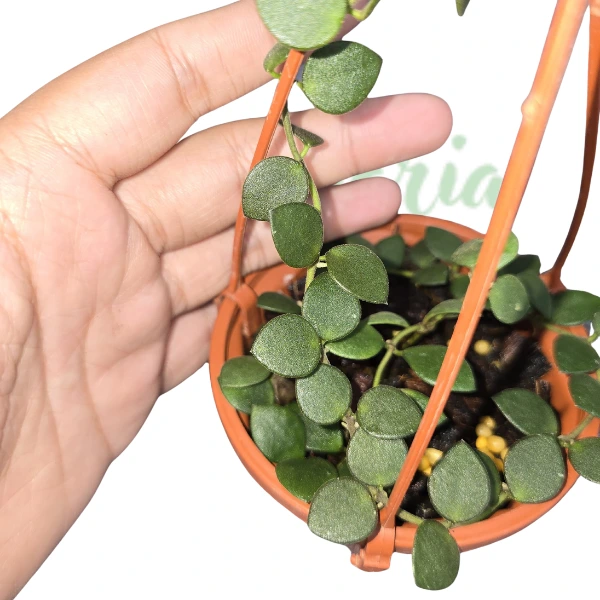
![Hoya halophylla with thick yellowish-green leaves [0]](https://gomagcdn.ro/domains2/eufloria.ro/files/product/medium/hoya-halophylla-621459.png "Hoya halophylla with thick yellowish-green leaves [0]")
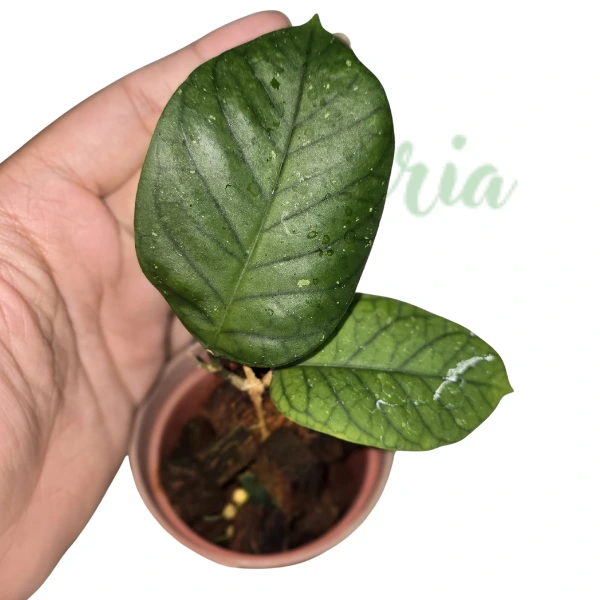
![Hoya halophylla with thick yellowish-green leaves [1]](https://gomagcdn.ro/domains2/eufloria.ro/files/product/medium/hoya-halophylla-230682.png "Hoya halophylla with thick yellowish-green leaves [1]")
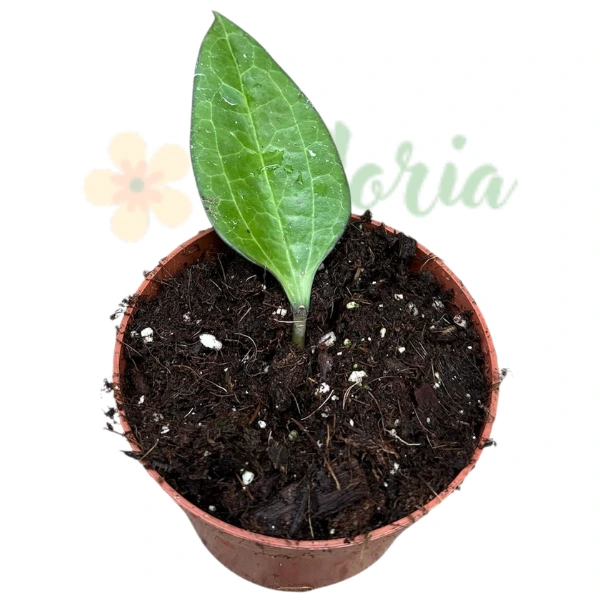
![Hoya halophylla with thick yellowish-green leaves [1]](https://gomagcdn.ro/domains2/eufloria.ro/files/product/original/hoya-halophylla-621459.png "Hoya halophylla with thick yellowish-green leaves [1]")
![Hoya halophylla with thick yellowish-green leaves [2]](https://gomagcdn.ro/domains2/eufloria.ro/files/product/original/hoya-halophylla-230682.png "Hoya halophylla with thick yellowish-green leaves [2]")
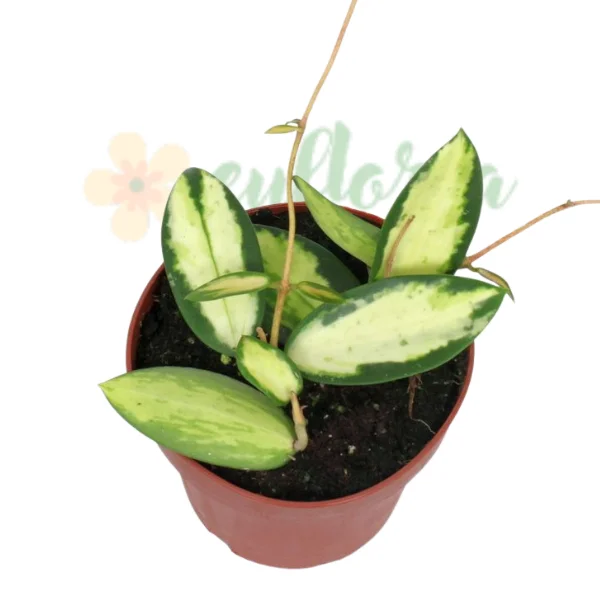
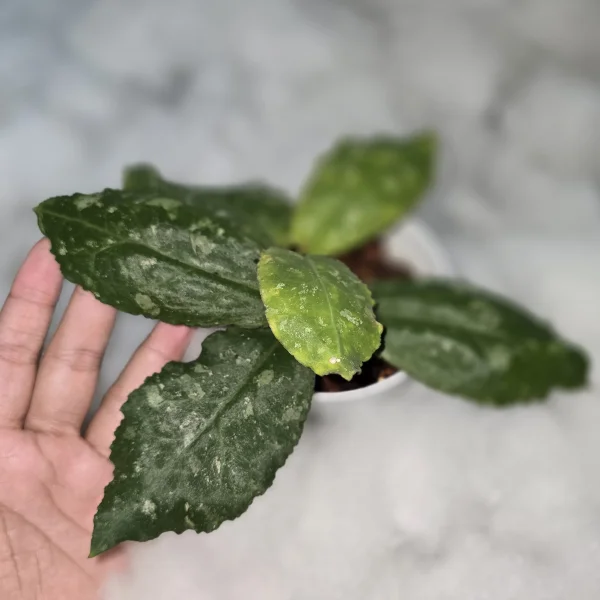
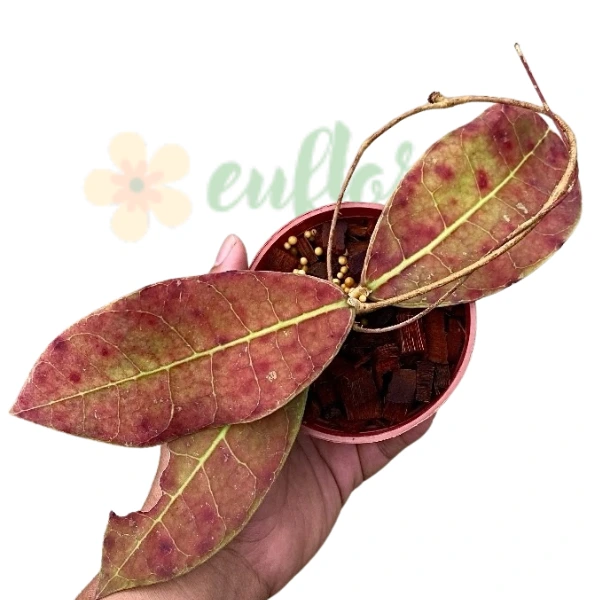
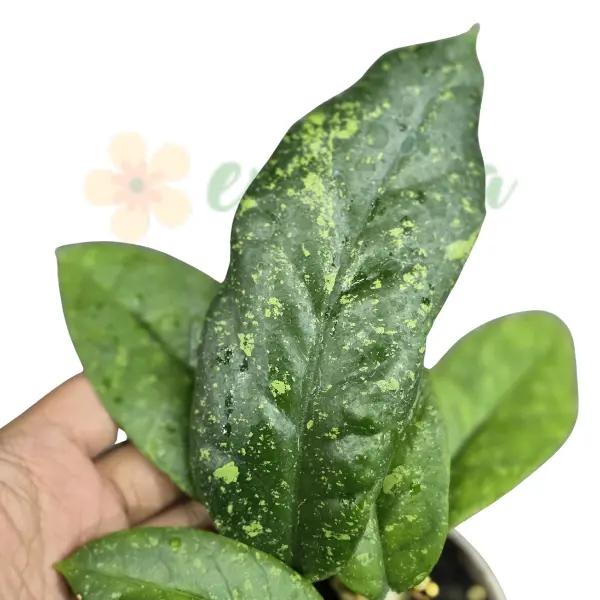
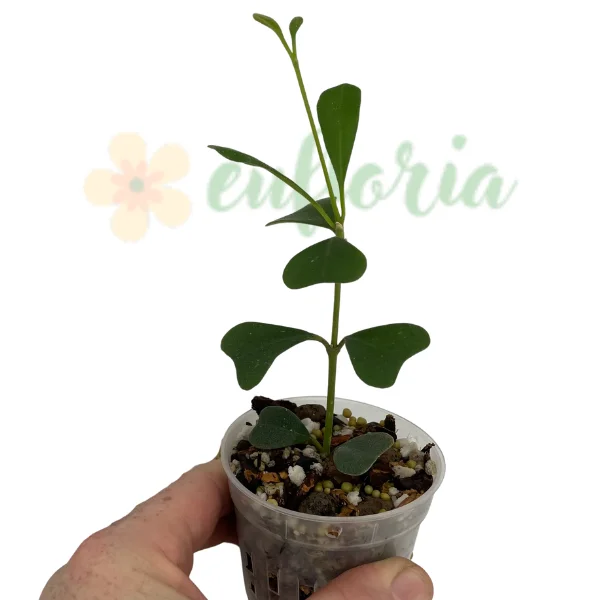
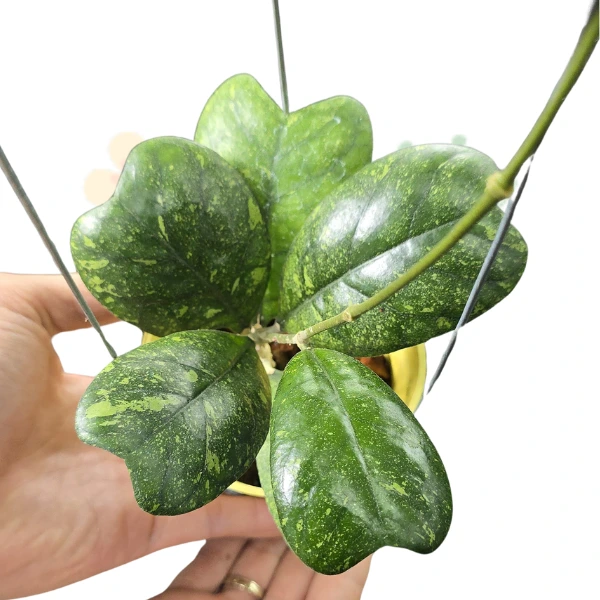
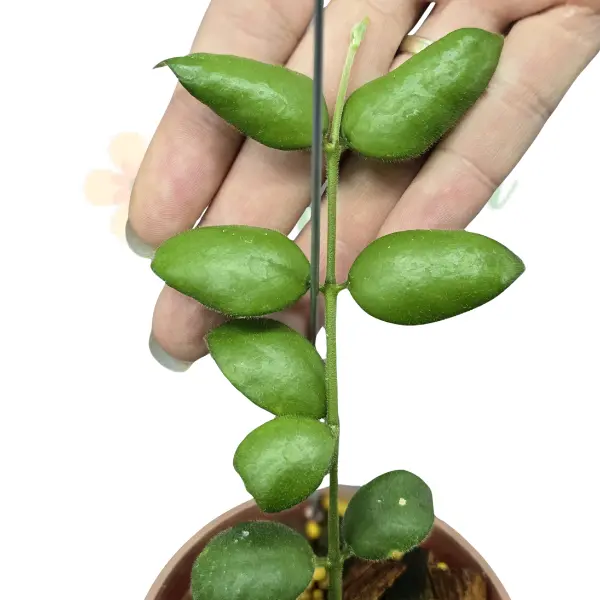
Hoya halophylla — rare mangrove hoya with thick yellowish-green leaves, cream-white star flowers with reddish corona. Salt-tolerant.
Pot diameter: (no pot)
- Description
- Reviews (0)
- FAQ
🌿 Hoya halophylla — the salt-breathing hoya
Hoya halophylla is a rare and fascinating species, one of the few hoyas adapted to mangrove habitat and saltwater shores. The species name (Greek "halos" = salt + "phyllon" = leaf) reflects its unusual habitat: Indonesia and Philippines, in mangrove forests where leaves are sometimes splashed by seawater.
Leaves are thick, fleshy, oval, yellowish-green, adapted to store water and tolerate salinity. Flowers appear in small umbels with cream-white star flowers with reddish corona. A rare piece in hoya collections.
🌍 Origin and habitat
Mangrove forests and tropical shores of Indonesia and Philippines, where it tolerates air salinity and very high humidity conditions.
🌱 How to care for it
Bright indirect to direct morning light, high humidity (70-90%), temperatures 22-30°C. Airy substrate that retains moisture: orchid bark + perlite + sphagnum + coconut fibers. Moderate watering, tolerates short drought periods.
🌸 Flowering
Flowers at maturity, umbels of 8-12 cream-white star flowers with reddish corona, sweet evening fragrance.
🌿 Safety
Not toxic to cats, dogs or children. Safe Apocynaceae. Milky sap may irritate skin.
How do I care for Hoya halophylla?
Why does Hoya halophylla have thick leaves?
Is Hoya halophylla toxic?
When does Hoya halophylla bloom?
What substrate should I use for Hoya halophylla?
What does 'halophylla' mean?
Where does it come from?
Does it tolerate direct sun?
Is it toxic?
Should I water it with salt water?


Ai nevoie și de un ghiveci decorativ?