EN/
EN/ Romana
Hoya biakensis
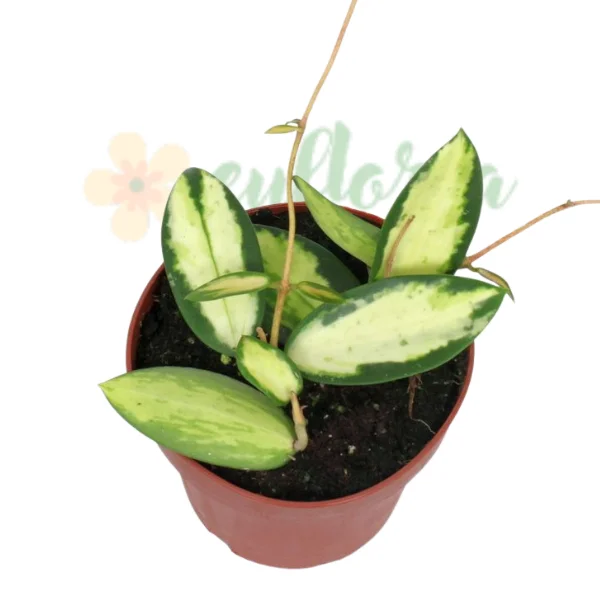
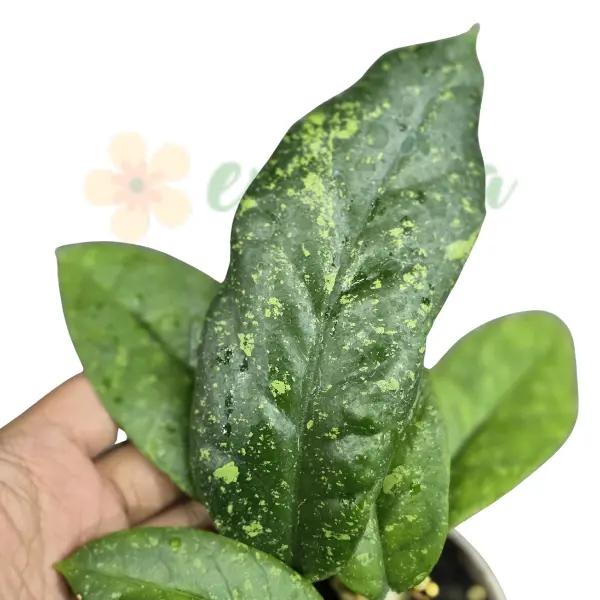
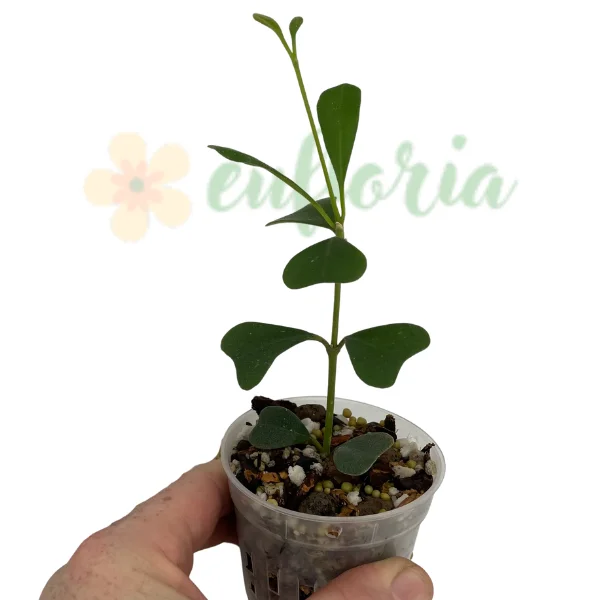
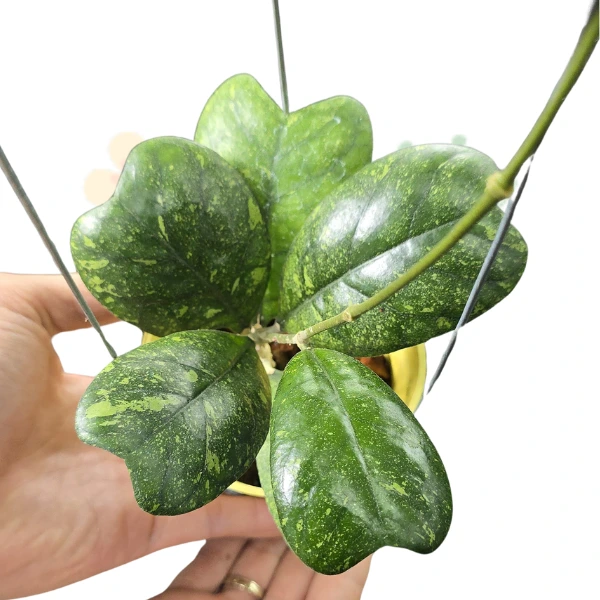
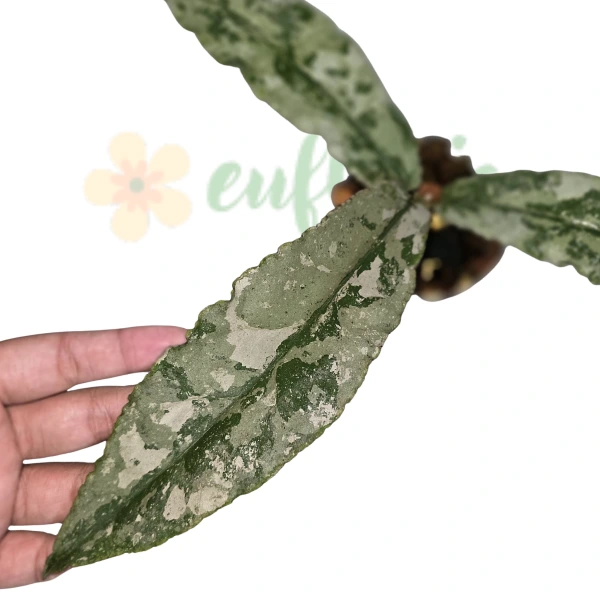
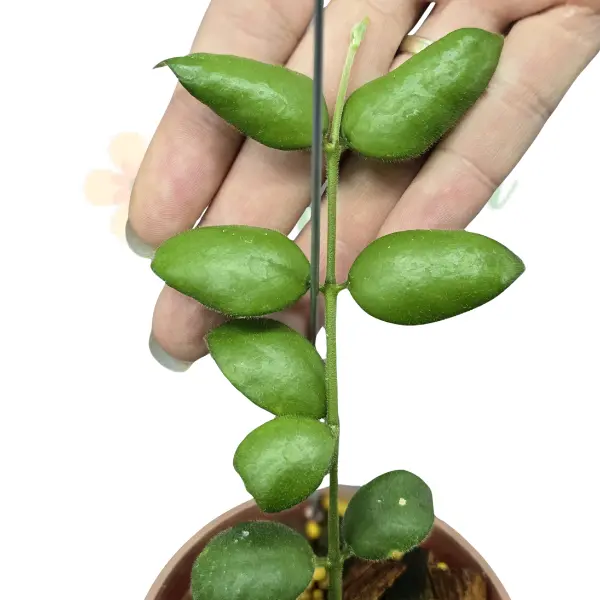
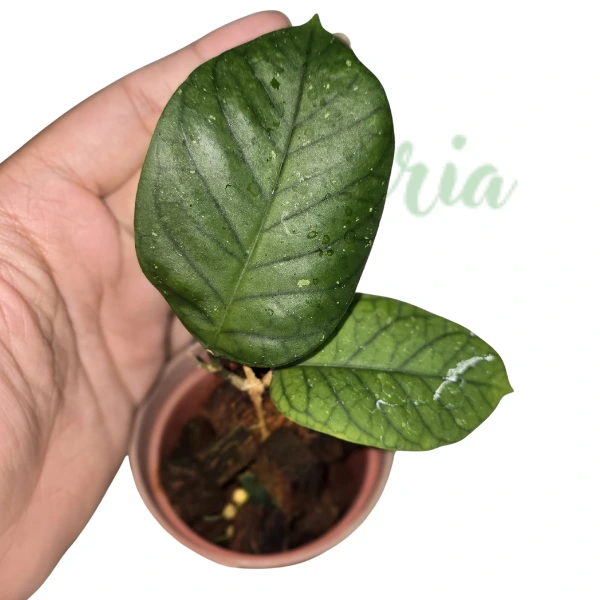
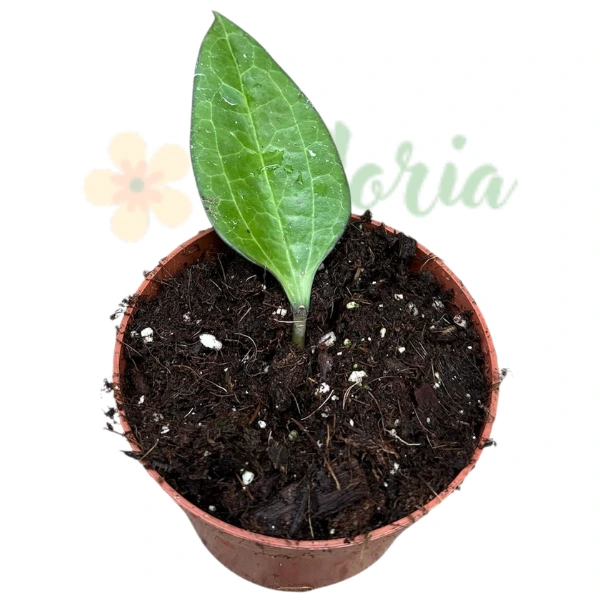
![Hoya biakensis with glossy elliptical deep green leaves [1]](https://gomagcdn.ro/domains2/eufloria.ro/files/product/original/hoya-biakensis-050474.png "Hoya biakensis with glossy elliptical deep green leaves [1]")
Hoya biakensis — rare hoya from Biak island (Papua) with glossy elliptic leaves and fragrant pink-white star flowers with burgundy corona.
Pot diameter: (no pot)
- Description
- Reviews (0)
- FAQ
🌿 Hoya biakensis — treasure of Biak island
Hoya biakensis is a relatively recently discovered species on Biak island in Papua New Guinea (Indonesia), from which it takes its name. Elliptic-lanceolate, deep green leaves with fine sheen grow neatly on thin stems. It's appreciated for its delicate pink-white flowers with burgundy corona, arranged in symmetrical umbels.
It adapts well to apartment cultivation, being more tolerant than many other Papua hoyas. Growth is moderate, forming long stems ideal for hanging baskets or trellis training. A desired piece in hoya collections.
🌍 Origin
Biak island in the Papua archipelago, Indonesia, humid tropical forests with temperatures 22-30°C and humidity 80-95%.
🌱 How to care for it
Bright indirect light, humidity 60-80%, temperatures 20-28°C. Airy substrate: orchid bark + perlite + sphagnum. Moderate watering when substrate is nearly dry.
🌸 Flowering
Flowers at maturity (2-3 years), producing umbels of 10-20 pink-white star flowers with burgundy corona. Delicate evening fragrance.
🌿 Safety
Not toxic to cats, dogs or children. Safe Apocynaceae. Milky sap may irritate skin.
Is Hoya biakensis toxic?
What light does Hoya biakensis need?
What humidity does Hoya biakensis prefer?
What substrate is recommended?
Where does Hoya biakensis come from?
Where is Biak island?
How to care for Hoya biakensis?
What do the flowers look like?
Is it toxic?
How to propagate?


Ai nevoie și de un ghiveci decorativ?