EN/
EN/ Romana
Hoya archboldiana
![Hoya archboldiana with huge bell-shaped pink-burgundy flowers [1]](https://gomagcdn.ro/domains2/eufloria.ro/files/product/original/hoya-archboldiana-eufloria-097687.png "Hoya archboldiana with huge bell-shaped pink-burgundy flowers [1]")
Hoya archboldiana — hoya with huge bell-shaped flowers (7-8 cm) intense pink with white corona. From Papua mountains, spectacular collection piece.
Pot diameter: fără ghiveci
- Description
- Reviews (0)
- FAQ
🌿 Hoya archboldiana — tropical bellflower from Papua
Hoya archboldiana is one of the most spectacular hoyas in the world, prized for its huge flowers — bell-shaped, up to 7-8 cm in diameter, intense pink to burgundy, with a contrasting white central corona. The species bears the name of explorer Richard Archbold, who led botanical collecting expeditions in Papua New Guinea in the 1930s.
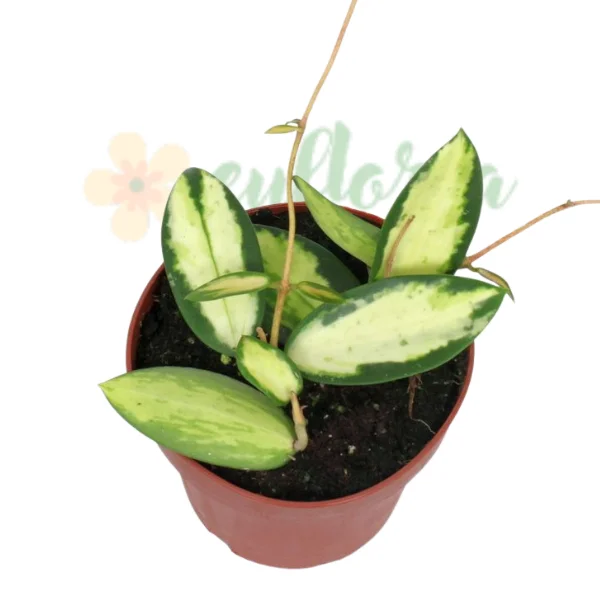
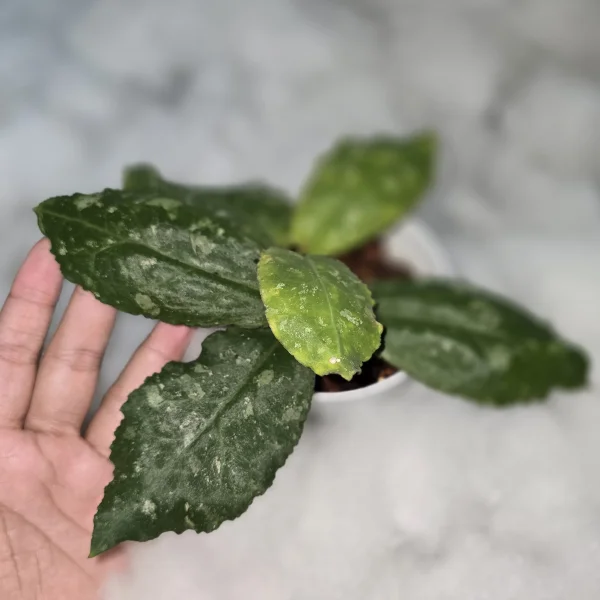
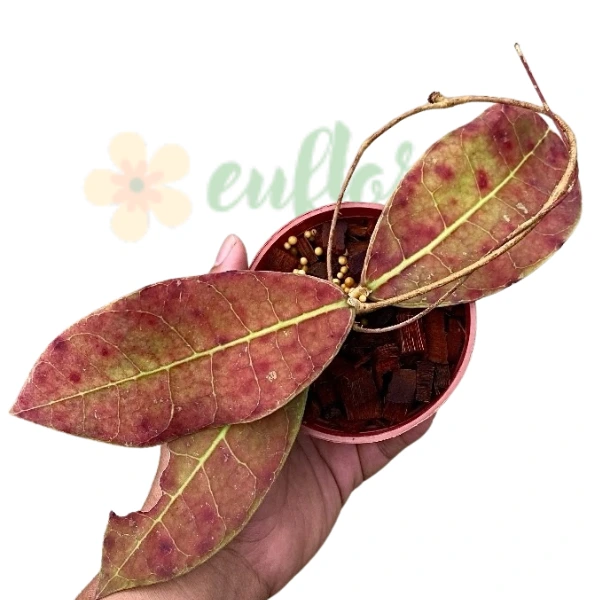
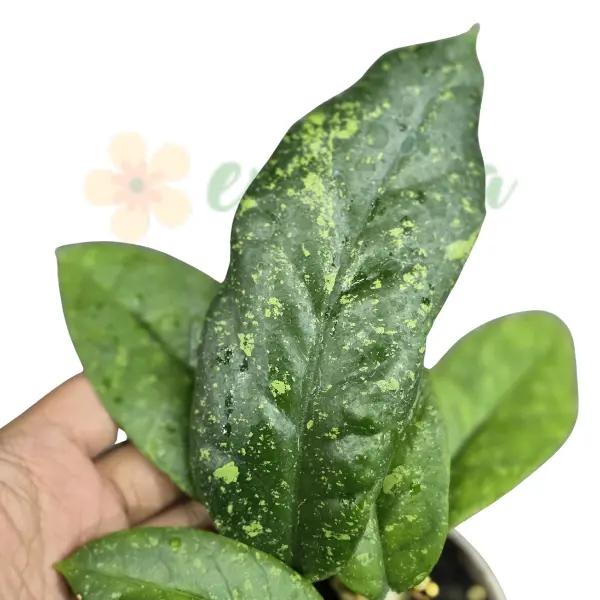
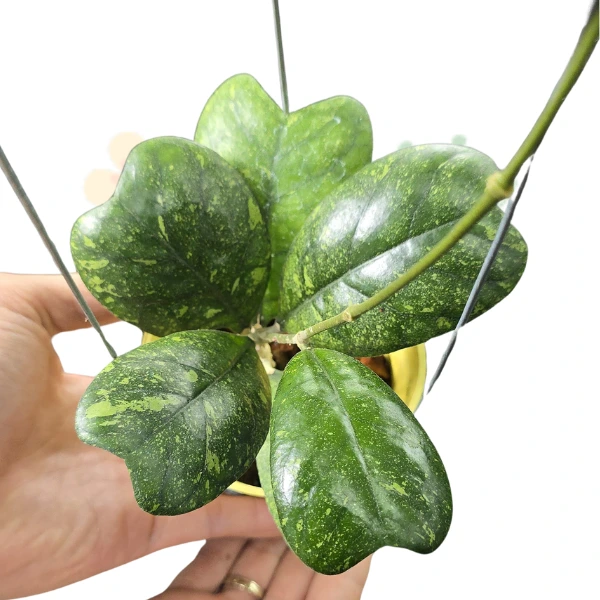
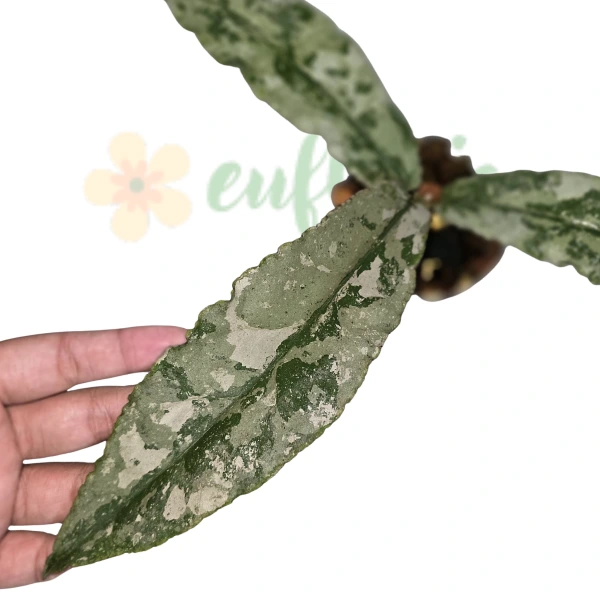
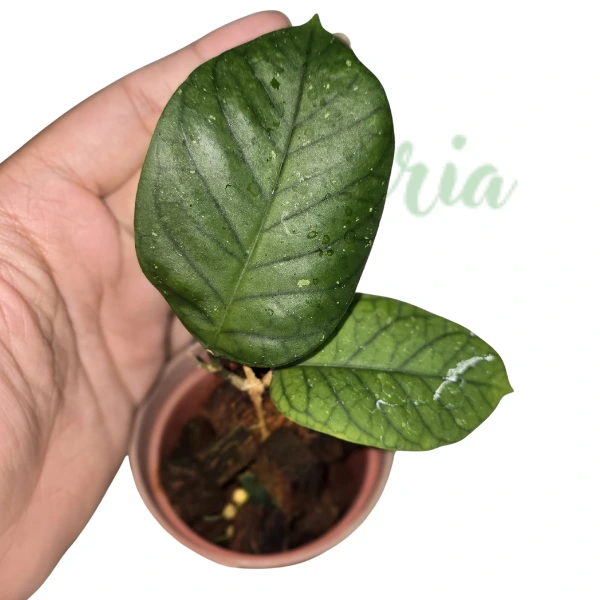
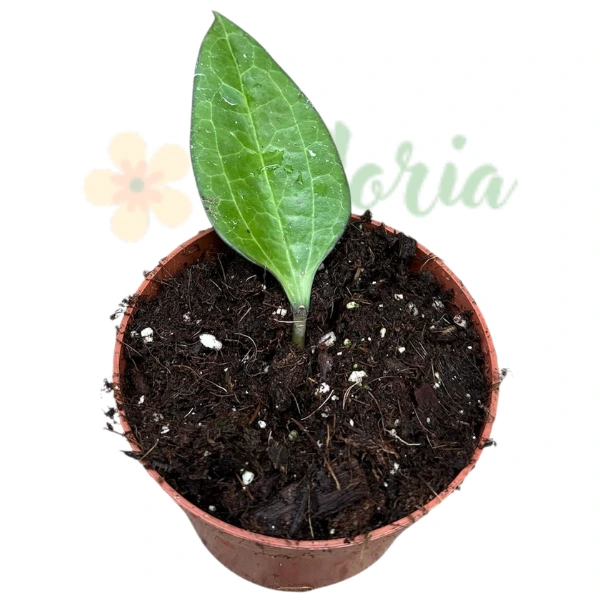
Leaves are large, thick, fleshy, deep green with prominent central vein. It grows as a vigorous vine in the trees of mountain tropical forests. A showpiece for passionate collectors — the flowers instantly attract attention through size and color.
🌍 Origin and habitat
The mid to high altitude tropical forests (800-2000 m) of Papua New Guinea, in areas with high humidity (85-95%) and cool night temperatures (15-18°C).
🌱 How to care for it
Very bright indirect light (3000-6000 lux), even filtered morning light. High humidity (70-90%), daytime temperatures 20-26°C, nighttime 15-20°C for flowering. Very airy substrate: orchid bark + perlite + sphagnum + crib. Moderate watering, don't let roots stay wet for long.
🌸 Flowering
Large bell-shaped flowers (7-8 cm) in umbels of 3-8 blooms, intense pink to burgundy with white corona. Strong, sweet, chocolate-like fragrance.
🌿 Toxicity
Not toxic to cats, dogs or children. Safe Apocynaceae. The milky sap may irritate skin.
Is Hoya archboldiana toxic?
How large are Hoya archboldiana flowers?
Does Hoya archboldiana need support?
What humidity does Hoya archboldiana need?
When does Hoya archboldiana bloom?
How large are Hoya archboldiana flowers?
Who was Archbold?
Why does it need cooling at night?
Is it toxic?
Is it difficult to care for?


Ai nevoie și de un ghiveci decorativ?