EN/
EN/ Romana
Dischidia romawi
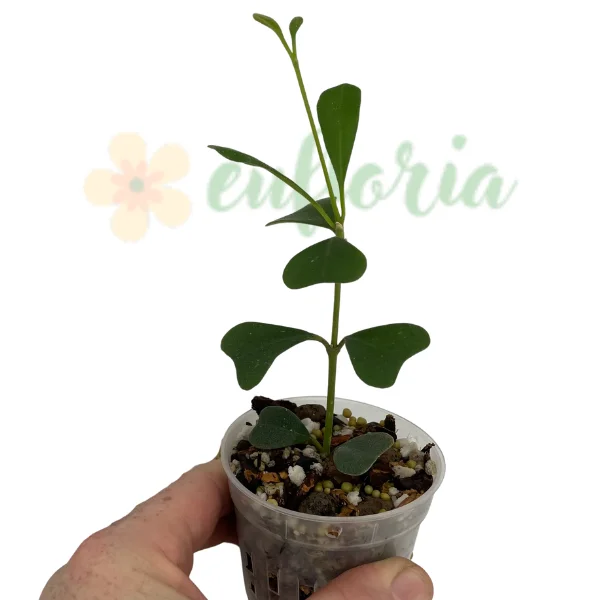
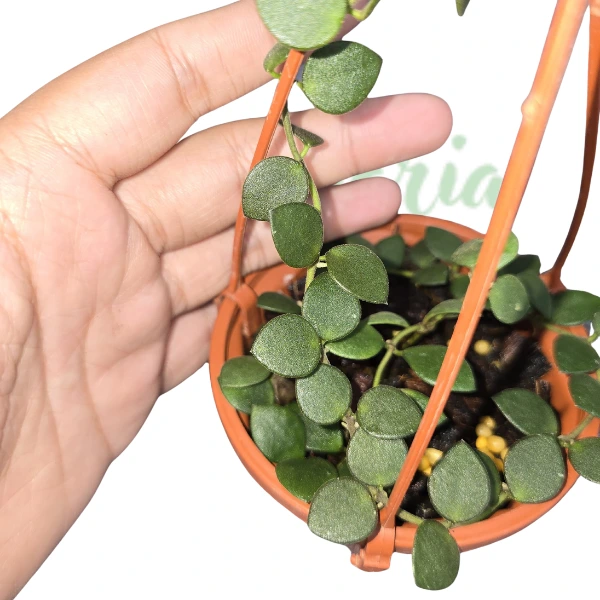
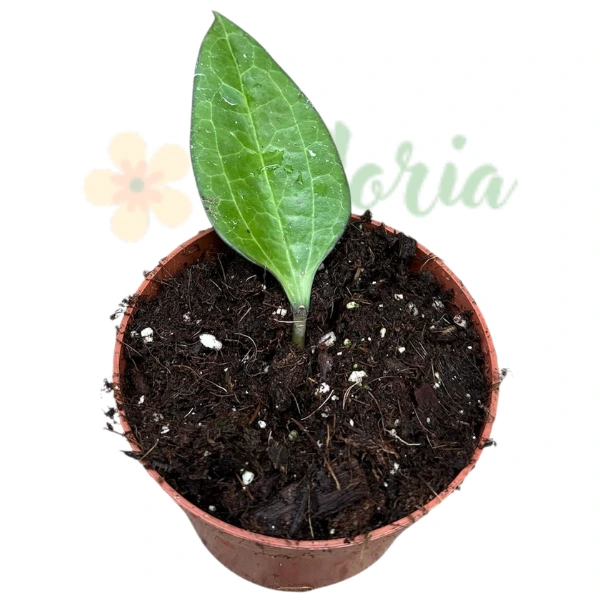
![Dischidia romawi with small round fleshy leaves [1]](https://gomagcdn.ro/domains2/eufloria.ro/files/product/original/dischidia-romawi-959074.png "Dischidia romawi with small round fleshy leaves [1]")
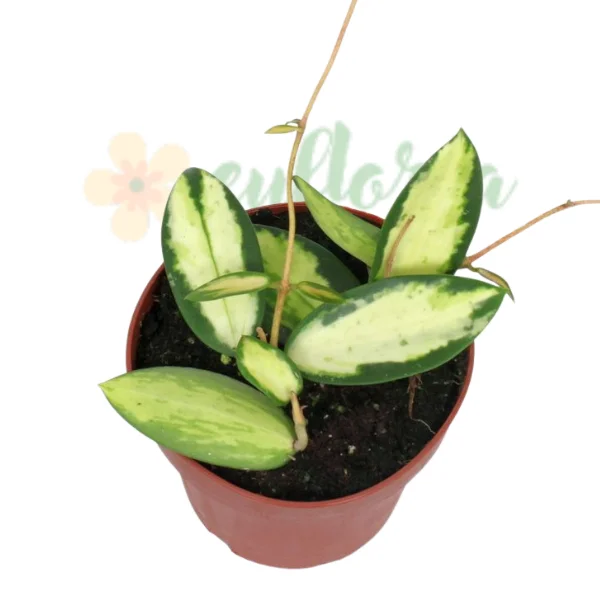
Dischidia romawi — rare species from the Hoya family, small fleshy leaves and tiny cream-white flowers. Asian epiphyte.
Pot diameter: (no pot)
- Description
- Reviews (0)
- FAQ
🌿 Dischidia romawi — rare relative of Hoya
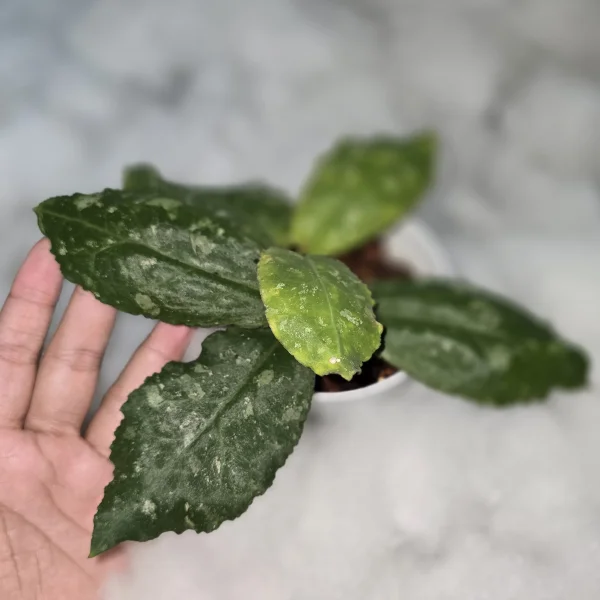
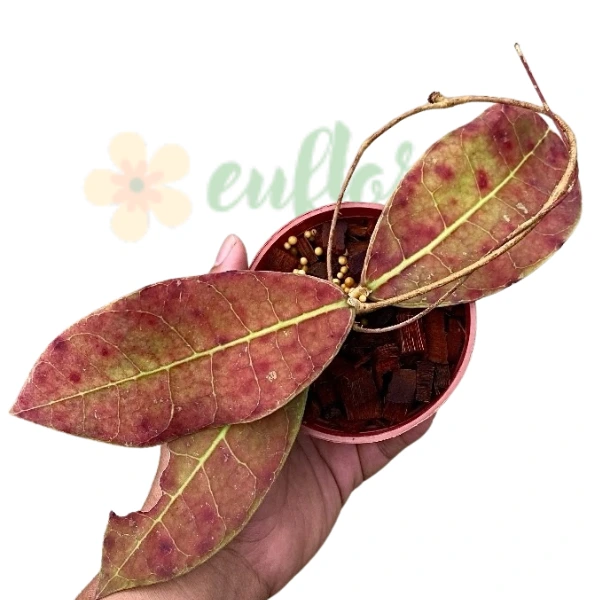
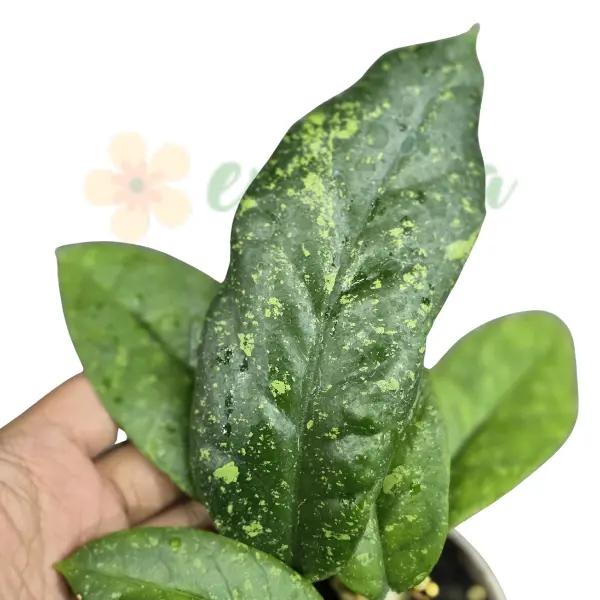
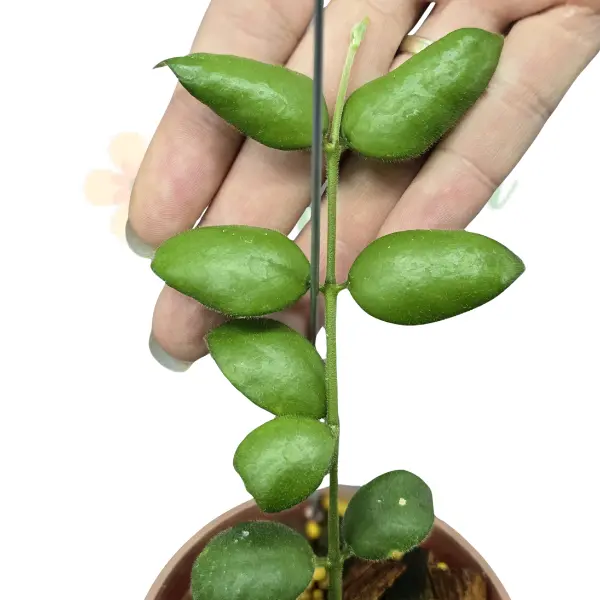
Dischidia romawi is a rare species from the Apocynaceae family, a close relative of Hoya. It's characterized by small, fleshy, round or oval leaves with a slightly waxy surface, arranged oppositely on thin stems. It grows epiphytically in Asian tropical forests, often in symbiosis with ants.
The Dischidia genus includes fascinating species with remarkable adaptations: some have pouch-nest leaves that shelter ants. Romawi is appreciated for its small leaves and tiny cream-white flowers in discreet clusters. A collector's piece for enthusiasts.
🌍 Origin
Tropical forests of Southeast Asia — Philippines, Indonesia, Malaysia — at high humidity (80-95%) and temperatures 22-28°C.
🌱 How to care for it
Bright indirect light, humidity 70-90%, temperatures 20-28°C. Very airy substrate or mounted on bark plaque. Water by quick soaking, don't let roots stay wet for long.
🌸 Flowering
Tiny cream-white flowers in small clusters, barely visible without close inspection. Delicate fragrance.
🌿 Safety
Not toxic to cats, dogs or children. Safe Apocynaceae. Milky sap may irritate skin.
How do I care for Dischidia romawi?
Can I grow Dischidia romawi in a terrarium?
Is Dischidia romawi toxic?
What is the difference between Dischidia and Hoya?
How fast does Dischidia romawi grow?
What is Dischidia?
How to care for Dischidia romawi?
Is it toxic?
What humidity does it need?
How to propagate?


Ai nevoie și de un ghiveci decorativ?