EN/
EN/ Romana
Hoya vaccinioides Ø12cm
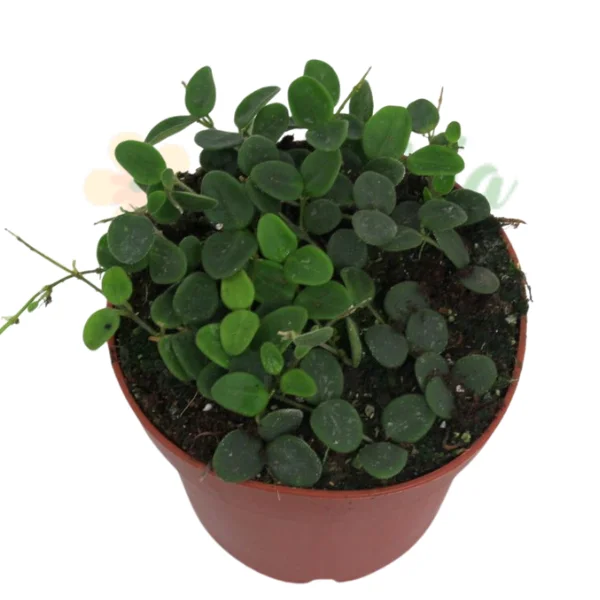
![Hoya vaccinioides with small dense blueberry-like oval leaves [0]](https://gomagcdn.ro/domains2/eufloria.ro/files/product/medium/hoya-vaccinioides-d12-165432.webp "Hoya vaccinioides with small dense blueberry-like oval leaves [0]")
![Hoya vaccinioides with small dense blueberry-like oval leaves [1]](https://gomagcdn.ro/domains2/eufloria.ro/files/product/medium/hoya-vaccinioides-d12-977180.webp "Hoya vaccinioides with small dense blueberry-like oval leaves [1]")
![Hoya vaccinioides with small dense blueberry-like oval leaves [1]](https://gomagcdn.ro/domains2/eufloria.ro/files/product/original/hoya-vaccinioides-d12-165432.webp "Hoya vaccinioides with small dense blueberry-like oval leaves [1]")
![Hoya vaccinioides with small dense blueberry-like oval leaves [2]](https://gomagcdn.ro/domains2/eufloria.ro/files/product/original/hoya-vaccinioides-d12-977180.webp "Hoya vaccinioides with small dense blueberry-like oval leaves [2]")
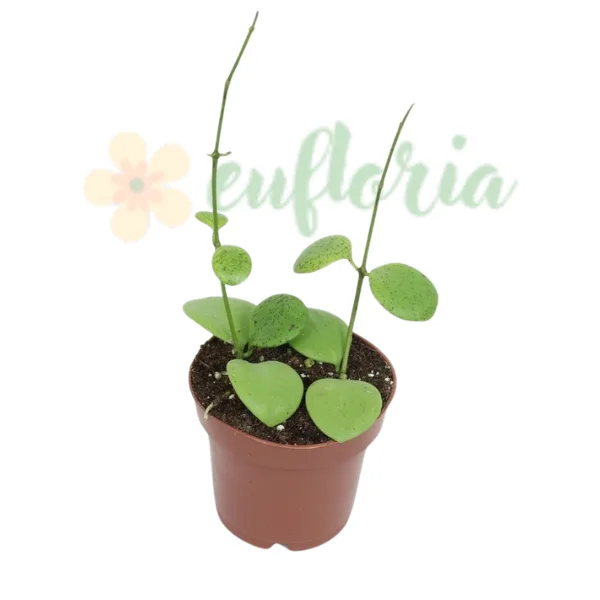
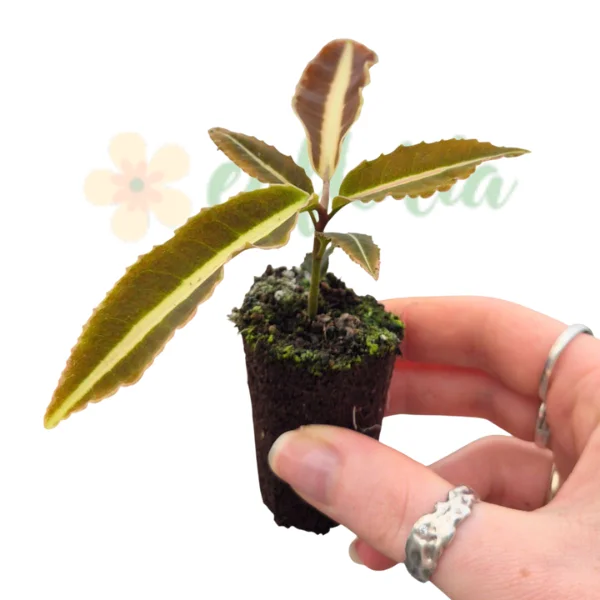
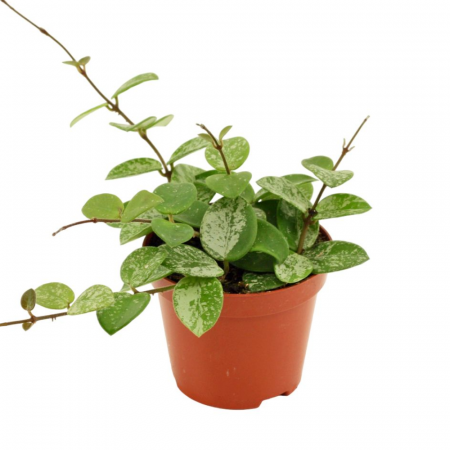
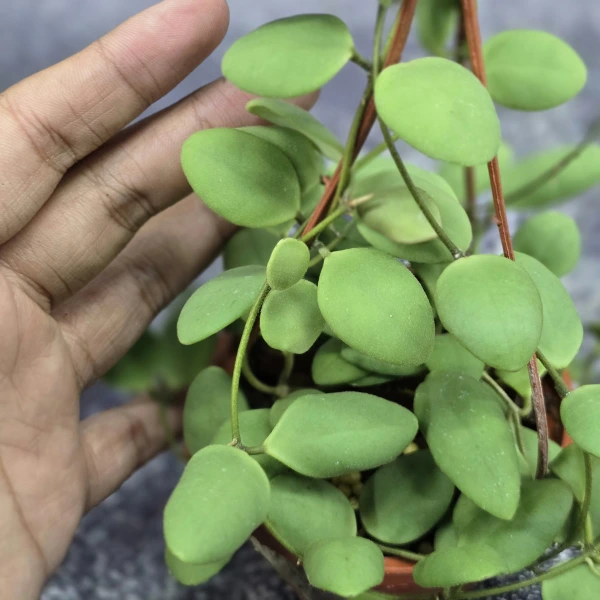
Hoya vaccinioides — unique species with small dense oval leaves like a mountain blueberry bush. From Himalayas and Asian mountains.
Approx height (including pot): 10 cm
Flowering state: No flowers
Country of origin: Netherlands
- Description
- Characteristics
- Reviews (0)
- FAQ
🌿 Hoya vaccinioides — blueberry-like leaves
Hoya vaccinioides is a unique compact species, named for the leaves resembling those of the Vaccinium genus (blueberries) — small, oval, deep green, dense on thin stems. The appearance recalls a mountain blueberry bush. Grows slowly and compactly, ideal for small collections.
Flowers appear in umbels of cream-white star blooms with reddish corona, small but numerous, delicately fragrant. The species is rare and highly appreciated by collectors.
🌍 Origin
Himalayas and Southeast Asian mountains (China, Vietnam, Myanmar).
🌱 How to care for it
Medium-bright indirect light, humidity 60-80%, temperatures 15-25°C (cool at night), airy substrate.
🌸 Flowering
Umbels of 5-15 cream-white star flowers with reddish corona, delicate fragrance.
🌿 Safety
Not toxic to cats, dogs or children. Safe Apocynaceae. Milky sap may irritate skin.
Lungime: 10 cm
Greutate (kg): 1 Kg
Denumire: Hoya
Diametru: 7 cm
Cerințe lumină: Partial umbra
Tip plantă: Decorative
Utilizare: Interior
Tip suport: Ghiveci
Material Suport: Plastic
What does 'vaccinioides' mean?
From Latin, it means 'resembling Vaccinium' (the genus including blueberries, cranberries). The name reflects the small, dense oval leaves recalling a mountain blueberry bush.
Where does it come from?
Hoya vaccinioides is native to Himalayan mountains and other mountain areas in Southeast Asia (China, Vietnam, Myanmar), at altitudes of 1000-2500 m in cool humid climate.
How to care for it?
Medium-bright indirect light, humidity 60-80%, temperatures 15-25°C with cool nights, airy substrate with sphagnum. Moderate watering.
Is it toxic?
No, Hoya vaccinioides is not toxic to cats, dogs or children. Apocynaceae is safe, but the milky sap may irritate sensitive skin.
How to propagate?
Stem cuttings with 2-3 nodes in moist sphagnum moss at cool temperatures (18-22°C). Roots appear in 4-6 weeks. Species grows slowly, including after rooting.
Recommendations


Ai nevoie și de un ghiveci decorativ?