EN/
EN/ Romana
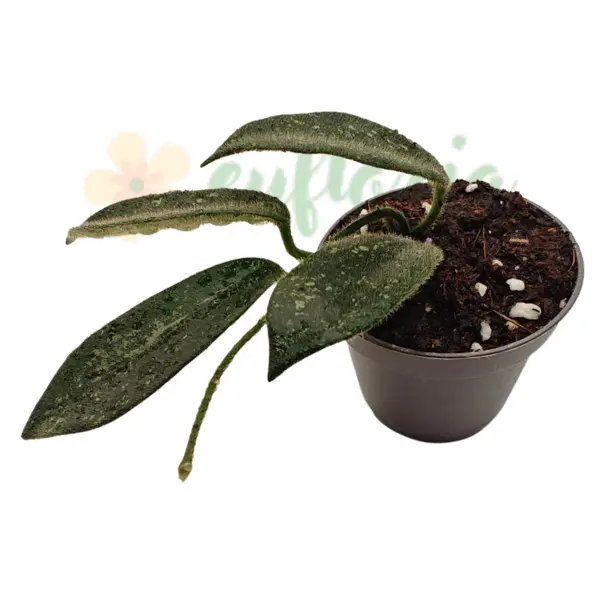
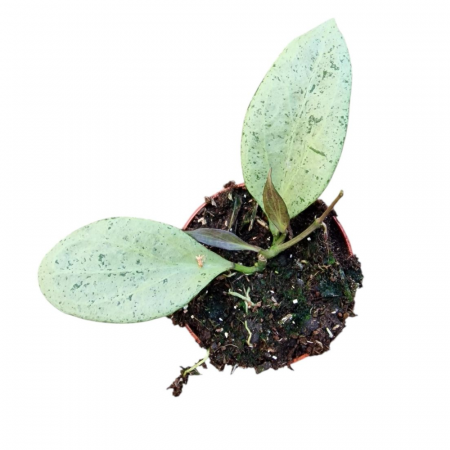
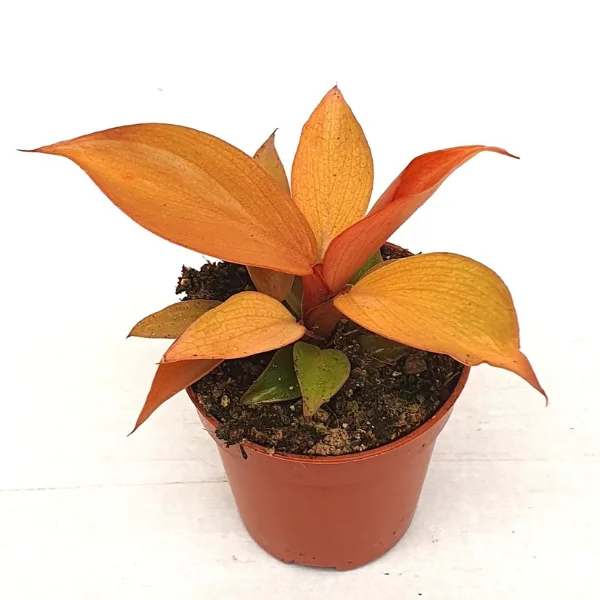
Hoya surigaoensis EG 00897 Ø12cm
![Hoya surigaoensis [0]](https://gomagcdn.ro/domains2/eufloria.ro/files/product/medium/hoya-surigaoensis-eg-00897-d12-945936.webp "Hoya surigaoensis [0]")
![Hoya surigaoensis [1]](https://gomagcdn.ro/domains2/eufloria.ro/files/product/medium/hoya-surigaoensis-eg-00897-d12-795075.webp "Hoya surigaoensis [1]")
![Hoya surigaoensis [2]](https://gomagcdn.ro/domains2/eufloria.ro/files/product/medium/hoya-surigaoensis-eg-00897-d12-612871.webp "Hoya surigaoensis [2]")
![Hoya surigaoensis [1]](https://gomagcdn.ro/domains2/eufloria.ro/files/product/original/hoya-surigaoensis-eg-00897-d12-945936.webp "Hoya surigaoensis [1]")
![Hoya surigaoensis [2]](https://gomagcdn.ro/domains2/eufloria.ro/files/product/original/hoya-surigaoensis-eg-00897-d12-795075.webp "Hoya surigaoensis [2]")
![Hoya surigaoensis [3]](https://gomagcdn.ro/domains2/eufloria.ro/files/product/original/hoya-surigaoensis-eg-00897-d12-612871.webp "Hoya surigaoensis [3]")
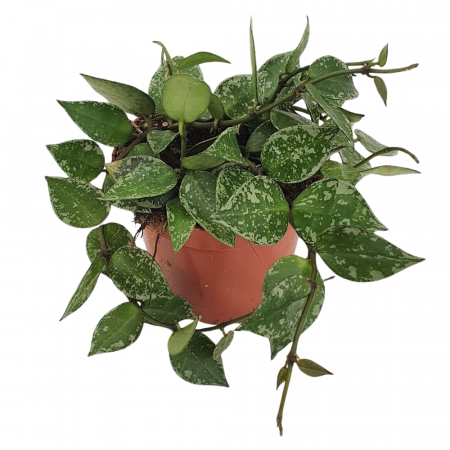
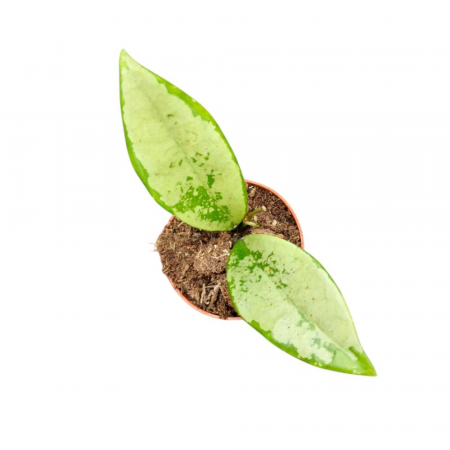
Hoya surigaoensis (EG 00897) is a rare species native to the Philippines, prized for its glossy leaves and intensely fragrant yellow-green flowers. A climbing epiphytic plant ideal for hanging pots or arch-style supports. An authentic collector’s piece for tropical plant enthusiasts.
Approx height (including pot): 15 cm
Flowering state: No flowers
Pot diameter: 12 cm
- Description
- Characteristics
- Reviews (0)
- FAQ
🌿 Hoya surigaoensis Characteristics
Hoya surigaoensis, identified by the collector code EG 00897, is a rare and fascinating Hoya species native to the Philippine islands, specifically from the Surigao region on the island of Mindanao. This tropical epiphytic plant belongs to the Apocynaceae family and is highly sought after by rare plant collectors due to its distinctive appearance and exceptional flowers.
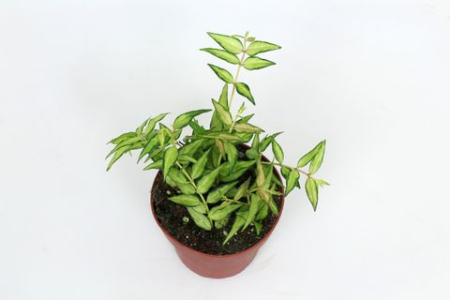
The leaves are oval to elliptical, with a waxy texture and a glossy appearance that gives them a natural, elegant sheen. Leaf colour ranges from medium green to dark green, depending on light intensity. The central veins are slightly visible and add extra character to each leaf. As an epiphytic plant, Hoya surigaoensis has a naturally climbing growth habit, producing long, flexible stems that can be trained on supports or left to trail freely from hanging pots.
The flowers are undoubtedly the main attraction of this species. The inflorescences consist of small, perfectly star-shaped flowers with a yellow-green colour and an intense, sweet fragrance that fills the entire room. The flowers are gathered in dense, spherical umbels, creating a spectacular visual effect. The nectar produced by the flowers is abundant and glistening, adding an extra decorative element.
This species is considered one of the most vigorous Hoyas, with relatively fast growth compared to other species in the genus. Under optimal conditions, the plant can produce stems over one metre long in just one growing season. It is a long-lived plant that becomes increasingly spectacular as it matures, producing more and more branches and inflorescences each year.
☀️ Light Requirements
Hoya surigaoensis thrives in bright indirect light, similar to the filtered light beneath the canopy of the tropical forests from which it originates. The ideal position is near an east- or west-facing window, where the plant benefits from a few hours of gentle morning or afternoon sun. A south-facing window is also suitable, provided sheer curtains or diffusing film are used to soften the intense summer sun rays.
Direct, intense light can cause leaf burn, manifesting as yellow or brown spots and curling leaf edges. On the other hand, insufficient light will significantly slow growth, reduce the likelihood of flowering, and may cause internode elongation, giving the plant an untidy appearance.
To encourage flowering, it is beneficial to provide the plant with a period of more intense light during the growing season in spring and summer. Some specimens respond positively to a few hours of direct morning sun, which can intensify leaf colour and stimulate flower bud formation. Periodically rotating the pot ensures even growth and a balanced appearance.
If the home does not provide enough natural light, Hoya surigaoensis adapts very well to artificial lighting. Full-spectrum grow lights positioned approximately 30–40 cm above the plant and running for 12–14 hours per day can successfully replace natural light and stimulate flowering even in rooms without windows.
💧 Care and Watering
The watering regime is one of the most important aspects of successfully cultivating Hoya surigaoensis. As an epiphytic plant, it prefers a substrate that partially dries out between waterings. The basic rule is to water when the top 3–4 centimetres of substrate have completely dried. Check moisture by inserting a finger into the soil or using a moisture sensor for greater precision.
During the active growing period in spring and summer, watering will be more frequent, usually every 7–10 days depending on ambient temperature and humidity. In the cold season, the interval between waterings extends significantly, sometimes reaching 14–21 days. Excess water is this plant’s greatest enemy, with root rot being the main cause of specimen loss.
Use room-temperature water, preferably filtered or left to stand for 24 hours to allow chlorine to evaporate. Water the substrate directly, avoiding water accumulation on leaves or in leaf axils, which can promote fungal infections. Ensure the pot has functional drainage holes and that excess water drains freely after each watering.
The ideal atmospheric humidity for Hoya surigaoensis ranges between 60% and 80%. In dry environments, you can increase humidity by using an electric humidifier, grouping several tropical plants together, or placing the pot on a tray of damp pebbles. Leaf misting is not recommended long-term as it can promote foliar diseases, but it can be helpful occasionally on very hot, dry summer days.
🌡️ Temperature and Climate
Originating from the tropical climate of the Philippines, Hoya surigaoensis prefers moderate to warm temperatures throughout the year. The optimal temperature range is between 18°C and 28°C, with an ideal around 22–25°C. The plant tolerates slightly higher temperatures up to 32°C, provided it has sufficient humidity and adequate ventilation.
The minimum temperature this species can withstand without damage is approximately 12–14°C, but prolonged exposure below 15°C will drastically slow growth and may cause leaf drop. Frost is absolutely fatal for this tropical plant. In Romania, it is exclusively an indoor plant and cannot be grown outdoors except perhaps during the warmest summer months in sheltered locations.
Avoid exposure to cold draughts, especially in winter when air entering through open windows or door gaps can be well below the plant’s comfortable temperature. Also, do not place the plant near direct heat sources such as radiators or air conditioners blowing warm air, as these dry the atmosphere and can rapidly dehydrate the leaves.
A slight temperature difference between day and night of approximately 3–5°C can stimulate flowering. This thermal variation mimics the natural conditions of its native habitat, where nights are slightly cooler than days. However, avoid sudden temperature fluctuations, which stress the plant and can affect its overall health.
🪴 Pot and Substrate
Choosing the right substrate is essential for the prosperity of Hoya surigaoensis. As an epiphytic plant, its roots need a very airy medium with excellent drainage and moderate moisture retention. An ideal substrate can be prepared from small pine bark pieces (30%), perlite (25%), coco peat or coco coir (25%), and sphagnum moss (20%). This combination ensures rapid drainage of excess water while maintaining sufficient moisture at root level.
The pot must have generous drainage holes and be of appropriate size — not too large relative to the root system. Hoyas prefer to be slightly rootbound, and an overly spacious pot will retain too much moisture and increase the risk of rot. As for material, terracotta pots are an excellent choice as they allow lateral evaporation of excess moisture, but plastic pots work equally well if watering frequency is adjusted.
Repotting is done every 2–3 years or when the roots have completely filled the pot and begin emerging through the drainage holes. The best time for repotting is early spring, when the plant enters its active growth period. Choose a pot only 2–3 cm larger in diameter than the previous one. During repotting, examine the roots and remove any dead, dry, or rotted portions.
Fertilisation takes place during the active growing period, from April to September. Use a balanced liquid fertiliser diluted to half the recommended concentration every two weeks. A fertiliser with an NPK ratio of 10-10-10 or 7-9-5 is suitable. During the rest period (October–March), do not fertilise, as the plant does not efficiently assimilate nutrients and there is a risk of salt build-up in the substrate.
If you wish to stimulate flowering, you can occasionally use a fertiliser with higher phosphorus content (for example NPK 10-30-20) at the start of summer. Adding activated charcoal to the substrate also helps prevent rot and maintains a healthy environment for roots. Hoya surigaoensis responds well to natural fertilisers too, such as fish emulsion or seaweed extract, applied monthly during the warm season.
To support the naturally climbing growth, provide the plant with a bamboo arch, trellis, or metal hoop support. The stems will attach naturally to the support via aerial roots but can be initially helped with gentle clips or soft ties. Alternatively, the plant looks magnificent left to trail freely from a hanging pot, creating a cascade of glistening leaves.
Propagation of Hoya surigaoensis is most easily done through stem cuttings. Cut a stem section with 2–3 nodes and at least two healthy leaves. Allow the cut to dry for a few hours, then plant the cutting in moist sphagnum moss or a mix of perlite and peat. Maintain high humidity and a consistent temperature of 22–25°C. Rooting usually takes 4–8 weeks. Cuttings can also be rooted in water, changing it every 2–3 days to prevent rot.
Hoya surigaoensis is a disease- and pest-resistant plant under correct growing conditions. The main pests that can affect the plant are mealybugs, which hide at the base of leaves and on stems, and red spider mites, which appear in very dry air conditions. Regular inspection of the plant, especially on the undersides of leaves, helps with early detection of any problems. Treatment with neem oil or insecticidal soap is effective against most pests. With patience and dedication, this plant will reward you with unmatched exotic beauty and the intoxicating fragrance of its rare flowers.
Lungime: 15 cm
Greutate (kg): 1 Kg
Denumire: Hoya
Diametru: 12 cm
Cerințe lumină: Partial umbra
Tip plantă: Decorative
Utilizare: Interior
Tip suport: Ghiveci
Material Suport: Plastic
What is Hoya surigaoensis and where does it come from?
How do I care for Hoya surigaoensis?
Does Hoya surigaoensis bloom indoors?
Is Hoya surigaoensis a rare plant?
What support is recommended for Hoya surigaoensis?
Ai nevoie și de un ghiveci decorativ?