EN/
EN/ Romana
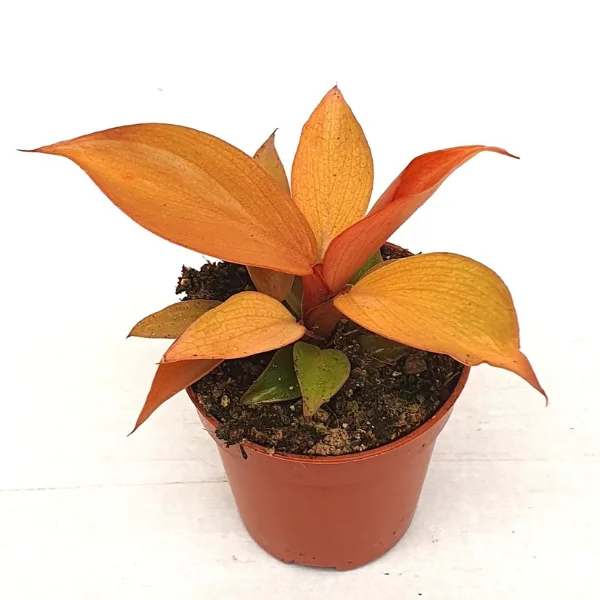
Hoya rotundiflora Ø10.5cm
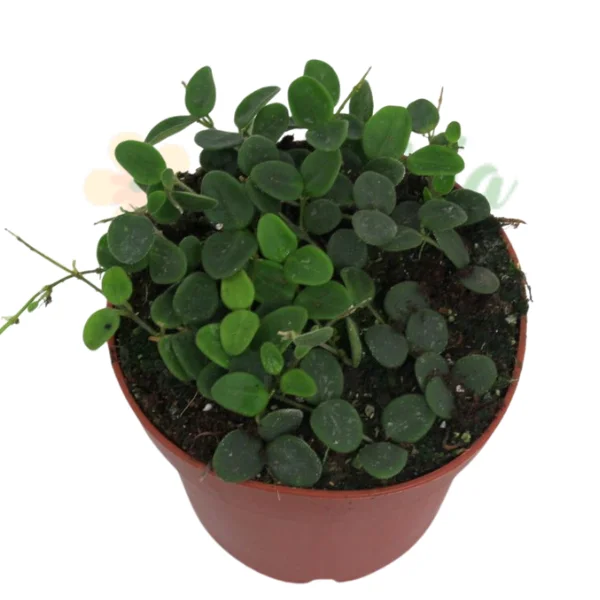
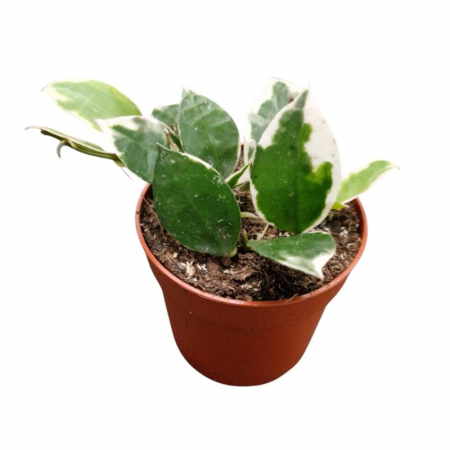
![Hoya rotundiflora — rare Thai species with small thick almost square leaves and umbels of fragrant star-shaped white flowers, trailing collector's plant [0]](https://gomagcdn.ro/domains2/eufloria.ro/files/product/medium/hoya-rotundiflora-669473.png "Hoya rotundiflora — rare Thai species with small thick almost square leaves and umbels of fragrant star-shaped white flowers, trailing collector's plant [0]")
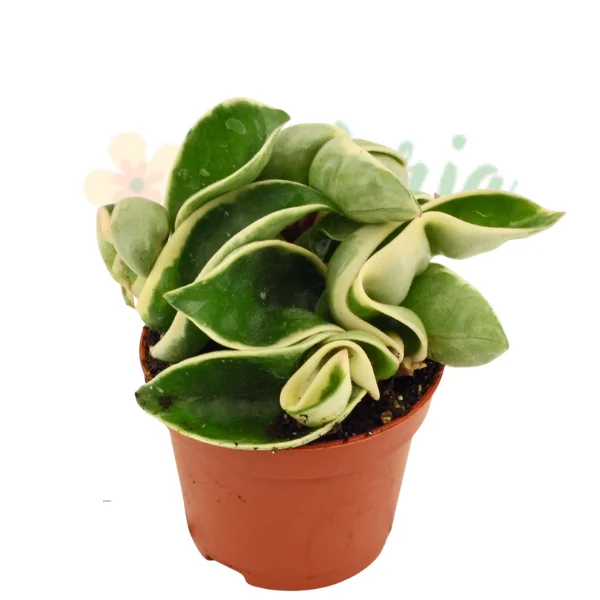
![Hoya rotundiflora — rare Thai species with small thick almost square leaves and umbels of fragrant star-shaped white flowers, trailing collector's plant [1]](https://gomagcdn.ro/domains2/eufloria.ro/files/product/medium/planta-naturala-de-interior-hoya-rotundiflora-575091.png "Hoya rotundiflora — rare Thai species with small thick almost square leaves and umbels of fragrant star-shaped white flowers, trailing collector's plant [1]")
![Hoya rotundiflora — rare Thai species with small thick almost square leaves and umbels of fragrant star-shaped white flowers, trailing collector's plant [1]](https://gomagcdn.ro/domains2/eufloria.ro/files/product/original/hoya-rotundiflora-669473.png "Hoya rotundiflora — rare Thai species with small thick almost square leaves and umbels of fragrant star-shaped white flowers, trailing collector's plant [1]")
![Hoya rotundiflora — rare Thai species with small thick almost square leaves and umbels of fragrant star-shaped white flowers, trailing collector's plant [2]](https://gomagcdn.ro/domains2/eufloria.ro/files/product/original/planta-naturala-de-interior-hoya-rotundiflora-575091.png "Hoya rotundiflora — rare Thai species with small thick almost square leaves and umbels of fragrant star-shaped white flowers, trailing collector's plant [2]")
Hoya rotundiflora is a rare species from the Apocynaceae family, native to the tropical forests of Thailand, prized for its small, thick, almost square leaves and its umbels of star-shaped white flowers, fragrant with delicate notes of jasmine. The geometric silhouette of the foliage, combined with spectacular blooming, makes it a botanical jewel for collectors. An epiphytic Hoya with remarkable resilience, ideal for hanging pots.
Approx height (including pot): 15 cm
Flowering state: No flowers
Pot diameter: 10.5 cm
- Description
- Characteristics
- Reviews (0)
- FAQ
🌿 Hoya rotundiflora — The Round Miniature of the Siamese Forests
Hoya rotundiflora is one of the most unusual and charming species of the Hoya genus, a plant that stands out through a rare combination: small, thick, square-round leaves with slightly wavy edges, and spectacular star-shaped flowers of pure white, arranged in striking umbels. The species name — rotundiflora — comes from the almost spherical shape of its floral umbels, not from the leaves, as one might initially assume.
Native to the tropical forests of Thailand and Southeast Asia, this rare species was only discovered and described at the end of the 20th century, making it one of the relatively recently named Hoyas in botanical literature. Mature plants develop vining stems that flow elegantly over the edge of the pot or can be trained on a vertical support, while the square, thick leaves, evenly scattered along the stems, give the plant a geometric, almost graphic look that makes it immediately recognizable among other Hoyas.
At the offered size — Ø10.5cm pot — the plant is already mature for its age, with enough stems and leaves to reveal its personality and adapt quickly to a new environment. It is a genuine collector's species, a rarity on the Romanian market, and each specimen received is a small victory for Hoya enthusiasts.
🌍 Origin and Botanical History
Hoya rotundiflora belongs to the Apocynaceae family — the same family that includes all Hoyas, stephanotis and the famous oleander. It is a relatively recently scientifically described species, endemic to the geographical region of Thailand and Myanmar, where it grows epiphytically at medium altitudes on tree trunks in evergreen and semi-deciduous tropical forests.
The Hoya genus was established in 1810 by the Scottish botanist Robert Brown, who chose the name in honor of his friend Thomas Hoy, head gardener to the Duke of Northumberland. Today the genus comprises over 200 recognized species, ranging from India and the Himalayas to the Malay Archipelago, Australia and the Pacific Islands, each with unique characteristics — from tiny and linear leaves to huge waxy leaves with silver veins.
Hoya rotundiflora distinguishes itself through its unusual leaves — small, compact, almost square, with a very thick, almost succulent texture that reflects the plant's adaptation to drought periods in its natural habitat. It is a plant that combines the drought resistance of succulents with the tropical charm of classic Hoyas, a perfect combination for plant lovers who appreciate both style and resilience.
🌱 The Foliage
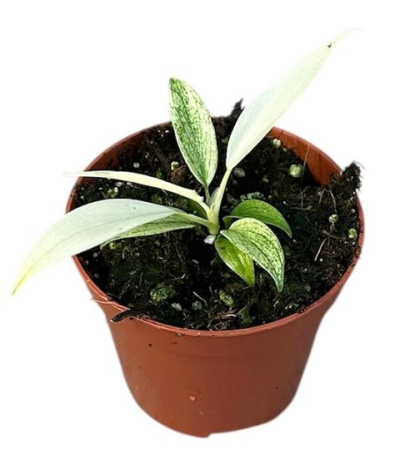
The leaves are perhaps the most fascinating feature of this species. Almost square in shape, with rounded corners and slightly wavy edges, they measure between 2 and 4 centimeters in both directions, being among the smallest and most compact leaves in the entire Hoya genus. The texture is extremely thick, waxy-succulent, and the base color is medium to deep green, sometimes with bronze reflections at the edges directly exposed to strong light.
The leaf surface is smooth, slightly glossy, and the venation is almost invisible — the leaves look like small blocks of green jade, arranged in opposite pairs along the thin stems. In bright light, the edges may take on a delicate coppery tint, a phenomenon called "sun stress" which does not harm the plant, but on the contrary, signals that it receives exactly the amount of light it needs for flowering.
Well-maintained plants develop increasingly long stems with dozens of perfectly geometric leaves, forming miniature cascades that spill over the edge of the pot. It is a plant that rewards attentive observation — every new leaf that emerges from terminal buds is a small geometric jewel.
🌸 The Flowers
The true magic of this species is revealed during the flowering period. Unlike its compact and modest leaves, the flowers are spectacular: spherical, dense umbels made up of 20–30 small, star-shaped flowers of pure white, with a slightly yellowish or greenish center. Each flower measures approximately 1 centimeter in diameter and has the shape of a five-pointed star with perfectly symmetrical points.
The fragrance is sweet, fresh, with delicate floral notes reminiscent of jasmine and gardenia, more intense in the evening and during the night, when the plant attracts nocturnal pollinators from its natural habitat. A fully blooming umbel can subtly perfume a medium-sized room for almost a week, offering a special visual and olfactory spectacle.
The flowering period typically extends from late spring to autumn, and mature plants can produce several umbels simultaneously. Important: DO NOT remove the flower peduncles after the flowers fall — they are perennial and will produce new umbels on the same structure in subsequent years. Cutting them eliminates future flowering potential.
🌱 Growth Habit and Development
Hoya rotundiflora is a plant with moderate growth, neither as fast as Hoya carnosa nor as slow as some velvet-leaved Hoyas. It develops thin, vining stems that can reach 60–100 cm in indoor cultivation, and is perfect for hanging pots, wall baskets or vertical supports. The roots are adapted to epiphytism — they prefer airy, well-drained substrate and slightly snug pots.
It is a Hoya with remarkable resistance to short periods of neglect, but rewards careful attention with abundance. Once established in its ideal environment, it produces new leaves constantly throughout the growing season, and mature plants begin flowering 2–3 years after rooting.
For a healthy and flowering plant, follow these requirements:
- Light: bright indirect light, essential for inducing flowering. An east- or west-facing windowsill is ideal; avoid direct midday sun, but intense filtered light is perfect. Insufficient light leads to long, etiolated stems with sparse leaves and no flowers.
- Temperature: optimal range 18–28°C; does not tolerate below 12°C. Slightly cooler nighttime temperatures (3–5°C less than daytime) stimulate flowering.
- Watering: moderate to infrequent; the thick leaves store water, so the plant tolerates dryness much better than overwatering. Water when the substrate has dried completely — approximately every 10–14 days in summer, and every 3–4 weeks in winter.
- Humidity: 50–70% ideal; adapts to lower humidity as well, but weekly misting stimulates leaf growth and keeps the plant vital.
- Substrate: well-drained mix for epiphytic or orchid plants — pine bark + perlite + sphagnum + activated charcoal. Never compact or water-retaining substrate.
- Fertilization: once every 3–4 weeks during the growing season, with balanced liquid fertilizer diluted by half. To stimulate flowering, choose a higher-phosphorus formula in early spring.
- Propagation: via stem cuttings with 2–3 nodes, rooted in water, moist sphagnum or directly in perlite. Spring and summer are the optimal periods; cuttings root well in 3–6 weeks.
🌸 Why Choose Hoya rotundiflora
Hoya rotundiflora is a species that combines rarely encountered qualities — geometric, compact, almost sculptural foliage; spectacular and fragrant white flowers; remarkable resilience; and rarity status in collections. It is a plant for enthusiasts who appreciate subtle details, for those who love to watch new leaves emerging from almost invisible buds and who understand patience as a form of attention. A single blooming umbel in spring can turn a windowsill into a small annual event, a pleasant reminder that some things are worth the time.
Lungime: 30 cm
Greutate (kg): 0.5 Kg
Denumire: Hoya
Diametru: 10.5 cm
Cerințe lumină: Lumina indirectă
Tip plantă: Plantă agățătoare
Utilizare: Interior
Tip suport: Ghiveci
Material Suport: Plastic
What makes Hoya rotundiflora special among Hoyas?
Hoya rotundiflora is one of the few species in the genus with almost square leaves, with a distinct geometric silhouette that makes it immediately recognizable. Added to this rarity are the spherical umbels of fragrant white star-shaped flowers, which contrast spectacularly with the compact foliage. It is an endemic species of the Thailand region, relatively recently scientifically described, and rarely encountered in collections.
How often should Hoya rotundiflora be watered?
Watering should be moderate to infrequent. The thick, waxy-succulent leaves store water, allowing the plant to tolerate long periods of dryness. Water when the substrate has dried completely — approximately every 10–14 days in summer and every 3–4 weeks in winter. Overwatering is the main cause of mortality — roots quickly rot in permanently wet substrate. Better under-watered than over-watered.
How much light does it need to flower?
Bright indirect light is essential for flowering. An east- or west-facing windowsill is ideal. Intense but filtered light (for example through a sheer curtain on a south-facing window) stimulates peduncle production. Insufficient light leads to long, etiolated stems without flowers. A clue that light is optimal: leaf edges take on delicate coppery reflections ('sun stress').
Is Hoya rotundiflora toxic to cats and dogs?
No. The Hoya genus is classified as non-toxic for humans and pets according to ASPCA and other toxicology databases. The milky sap may cause minor skin irritation in sensitive individuals or mild gastric discomfort if ingested, but contains no dangerous toxins. It is one of the safest plants for homes with curious pets or small children.
What should I do if Hoya rotundiflora doesn't bloom?
The most frequent causes: insufficient light (move to a brighter spot), plant too young (Hoyas bloom after 2–3 years from rooting), pot too large (Hoyas prefer to be slightly snug), compact substrate (switch to aroid/orchid mix). DO NOT cut old flower peduncles after flowers fall — they are perennial and produce new umbels for years. A slightly cooler period at night in spring also stimulates blooming.
Ai nevoie și de un ghiveci decorativ?