EN/
EN/ Romana
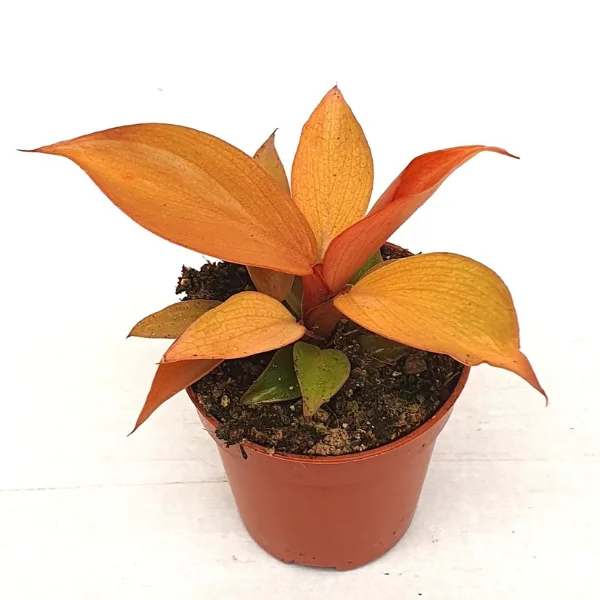
Hoya nicholsoniae Ø10.5cm
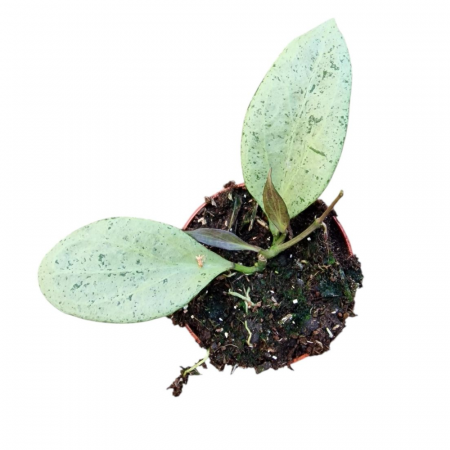
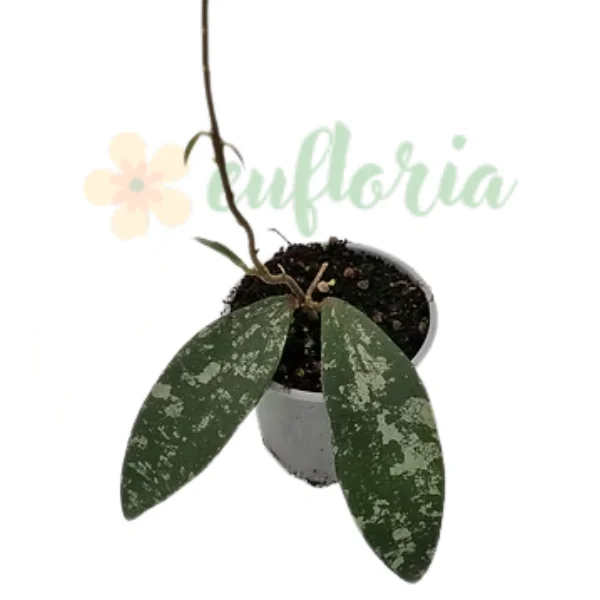
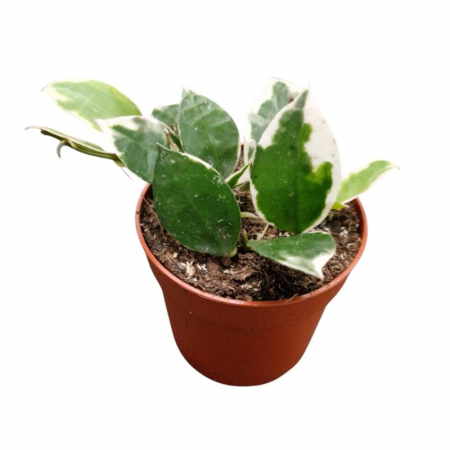
![Hoya nicholsoniae — classic Australian species with medium/dark-green lanceolate leaves and umbels of cream-yellow star-shaped flowers with burgundy central corona [1]](https://gomagcdn.ro/domains2/eufloria.ro/files/product/original/hoya-nicholsoniae-140962.png "Hoya nicholsoniae — classic Australian species with medium/dark-green lanceolate leaves and umbels of cream-yellow star-shaped flowers with burgundy central corona [1]")
Hoya nicholsoniae is a classic species from the Apocynaceae family, native to northeastern Australia, Papua New Guinea and Pacific islands. Described in 1882 by Ferdinand von Mueller. Lanceolate medium/dark-green leaves, vining stems, umbels of fragrant cream-yellow flowers with burgundy corona. A resilient plant, ideal for beginners and collectors.
Flowering state: No flowers
Pot diameter: 10.5 cm
- Description
- Characteristics
- Reviews (0)
- FAQ
🌿 Hoya nicholsoniae — Australian Hoya with Fragrant Cream Flowers
Hoya nicholsoniae is a classic Hoya species, appreciated for the elegant simplicity of its foliage and for its umbels of fragrant cream-yellow flowers. Native to the tropical forests of northeastern Australia, Papua New Guinea and Pacific islands, this species is known for its remarkable resilience and ease of care.
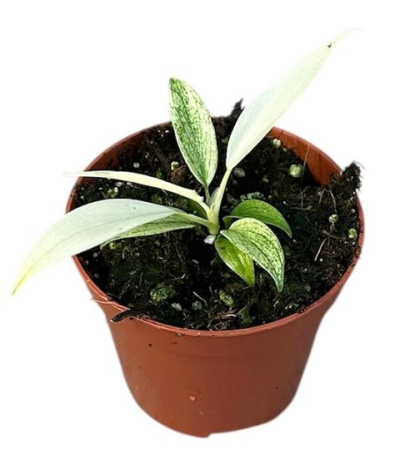
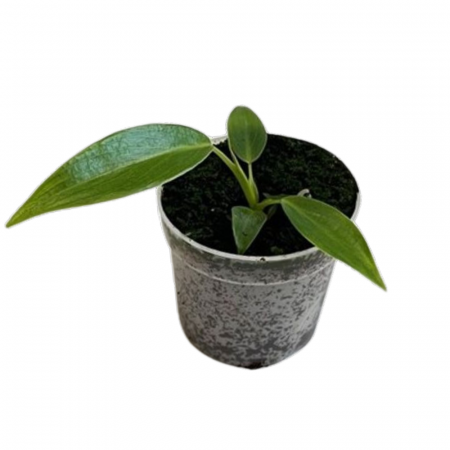
Leaves are lanceolate, elongated, medium to dark green, with waxy texture and the rigidity characteristic of Hoyas. Vining stems develop moderately fast, making it ideal for hanging pots or as a windowsill plant with vertical support.
At the offered size — Ø10.5cm pot — the plant is mature, with developed stems and numerous leaves. Ready to adapt quickly to a new environment and flower in optimal conditions.
🌍 Origin and Botanical History
Hoya nicholsoniae was scientifically described in 1882 by botanist Ferdinand von Mueller, one of the most important Australian botanists of the 19th century. The name honors Charles Nicholson, who contributed to the collection of original specimens. The species is native to eastern Australia (Queensland), Papua New Guinea and Kepulauan Aru (Indonesia).
The Apocynaceae family comprises over 200 Hoya species. Hoya nicholsoniae belongs to the group of classic Australasian Hoyas, alongside H. australis, H. australiensis.
🌱 The Foliage
Leaves are lanceolate-elongated, measuring 8-12 cm length and 2-4 cm width at maturity. Medium to dark green color, with waxy-firm texture. The central vein is slightly prominent on the underside. Arranged in opposite pairs along vining stems.
🌸 The Flowers
Spherical umbels of 15-25 star-shaped cream-yellow to creamy-white flowers, with a burgundy-red central corona. Subtle sweet-floral fragrance, more intense in the evening. Flowering period: summer-autumn. DO NOT cut peduncles — they are perennial.
🌱 Growth Habit and Care
- Light: bright indirect; tolerates filtered morning direct sun.
- Temperature: 18-28°C; not below 12°C.
- Watering: moderate; let substrate dry almost completely. Every 7-10 days in summer, every 2-3 weeks in winter.
- Humidity: 50-70% ideal.
- Substrate: airy, for epiphytes (pine bark + perlite + sphagnum).
- Fertilization: every 3-4 weeks, diluted by half.
- Propagation: stem cuttings with 2-3 nodes.
🌿 Non-toxic
Hoya nicholsoniae is non-toxic for humans and pets according to ASPCA. The milky sap may cause minor irritation.
🌸 Why Choose It
Hoya nicholsoniae is a classic plant for Hoya lovers — a combination of resilience, classic beauty and fragrant flowers. Ideal for beginners or for collectors wanting to expand their collection with classic Australian Hoyas.
🌱 Tips for Flowering
To stimulate flowering: bright indirect light, night/day difference of 3-5°C in spring, higher phosphorus fertilization. Mature plants (2-3 years from rooting) flower first. DO NOT cut flower peduncles after flowers fall — they produce new umbels for years.
🌱 Common Problems
Yellow leaves: overwatering. Lack of flowers: young plant or insufficient light. Brown tips: low humidity. Slow growth: normal in winter, reduce watering.
Greutate (kg): 0.5 Kg
Denumire: Hoya
Cerințe lumină: Partial umbra
Tip plantă: Decorative
Utilizare: Interior
Tip suport: Ghiveci
Material Suport: Plastic
Is Hoya nicholsoniae easy to care for?
Yes. It is one of the most resilient Hoyas in the genus, recommended for beginners. Tolerates minor errors (less frequent watering, varied light) and flowers quite easily on mature plants. Excellent choice for the first Hoya in a collection.
What do the flowers look like?
Spherical umbels of 15-25 cream-yellow to creamy-white star-shaped flowers, with contrasting burgundy-red central corona. Subtle sweet-floral fragrance, more intense in the evening. Flowering period: summer-autumn. DO NOT cut flower peduncles — they are perennial, producing new umbels for years.
How to water?
Moderately. Let substrate dry almost completely between waterings. Every 7-10 days in summer, every 2-3 weeks in winter. Waxy leaves store water — the plant tolerates dryness much better than overwatering.
Is it toxic?
No. The Hoya genus is classified as non-toxic for humans and pets according to ASPCA. A safe plant in homes with cats, dogs or children.
How to propagate?
Via stem cuttings with 2-3 nodes, rooted in water, moist sphagnum or perlite. Spring-summer optimal. Cuttings root well in 3-6 weeks.
Ai nevoie și de un ghiveci decorativ?