EN/
EN/ Romana
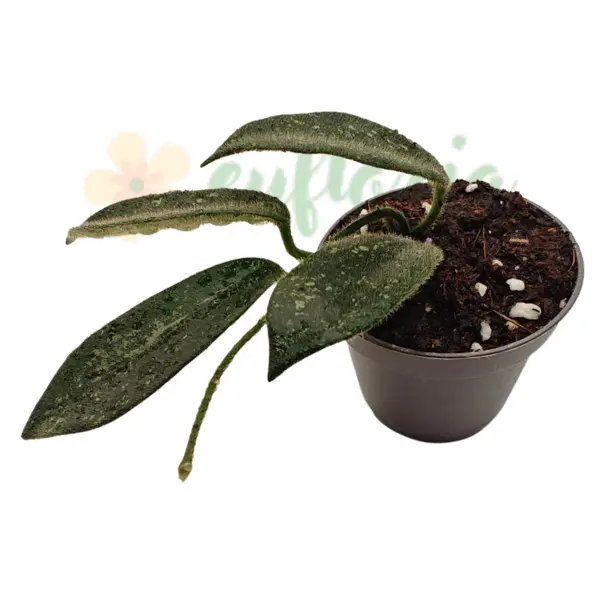
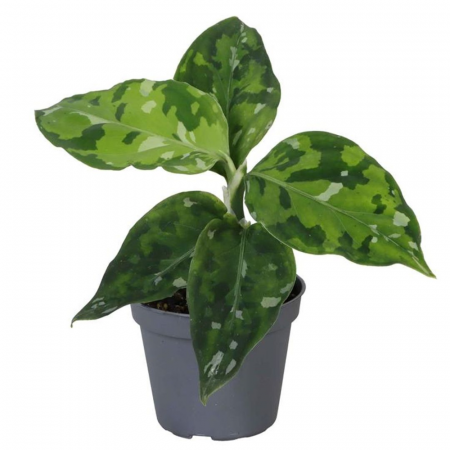
Hoya mitrata 'Splash' Ø10.5cm
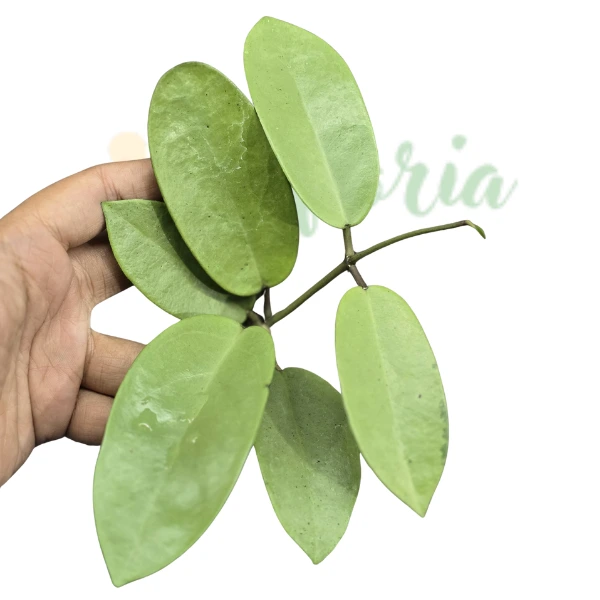
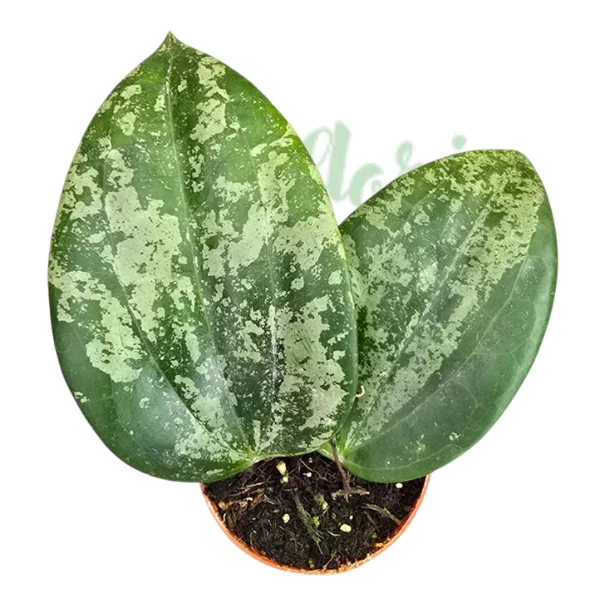
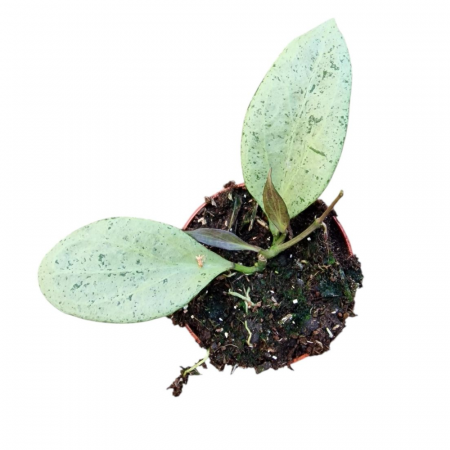
![Hoya mitrata Splash - rare plant with large leaves adorned with silver splashes [0]](https://gomagcdn.ro/domains2/eufloria.ro/files/product/medium/hoya-mitrata-splash-d10-5cm-964980.webp "Hoya mitrata Splash - rare plant with large leaves adorned with silver splashes [0]")
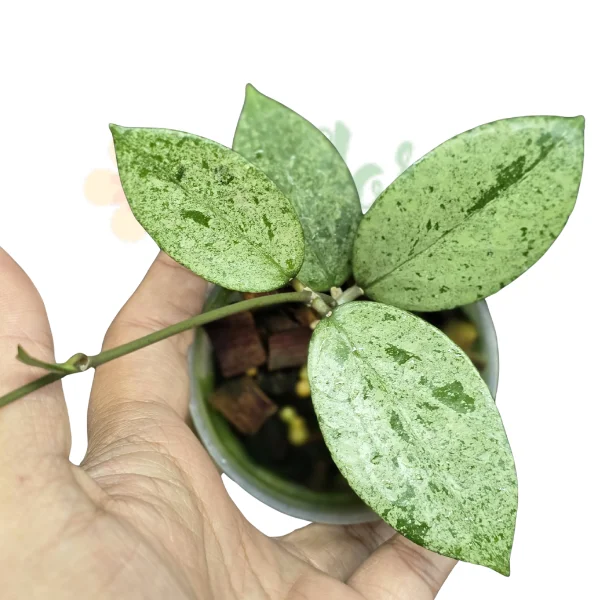
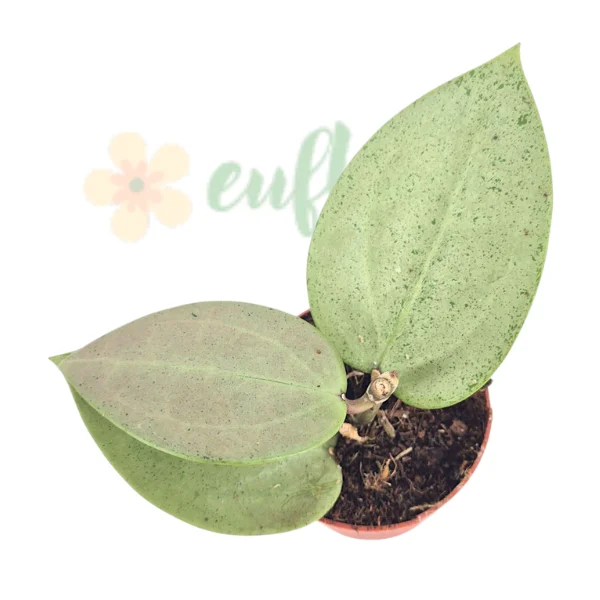
![Hoya mitrata Splash - rare plant with large leaves adorned with silver splashes [1]](https://gomagcdn.ro/domains2/eufloria.ro/files/product/medium/hoya-mitrata-splash-d10-5cm-653619.webp "Hoya mitrata Splash - rare plant with large leaves adorned with silver splashes [1]")
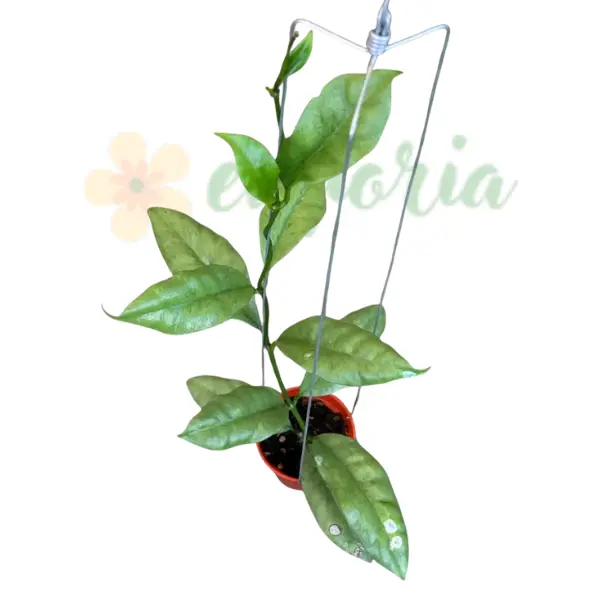
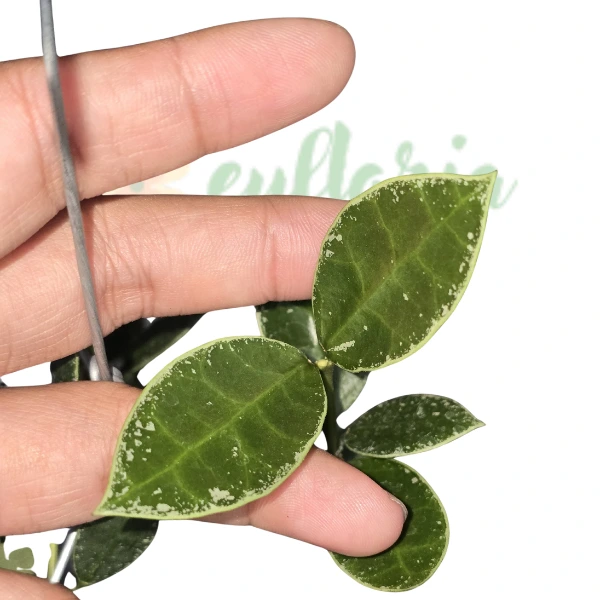
![Hoya mitrata Splash - rare plant with large leaves adorned with silver splashes [2]](https://gomagcdn.ro/domains2/eufloria.ro/files/product/medium/hoya-mitrata-splash-d10-5cm-043596.webp "Hoya mitrata Splash - rare plant with large leaves adorned with silver splashes [2]")
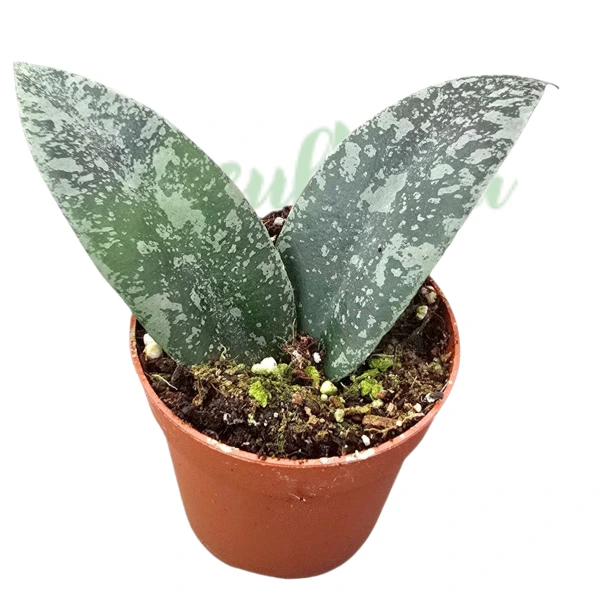
![Hoya mitrata Splash - rare plant with large leaves adorned with silver splashes [3]](https://gomagcdn.ro/domains2/eufloria.ro/files/product/medium/hoya-mitrata-splash-d10-5cm-291592.png "Hoya mitrata Splash - rare plant with large leaves adorned with silver splashes [3]")
![Hoya mitrata Splash - rare plant with large leaves adorned with silver splashes [1]](https://gomagcdn.ro/domains2/eufloria.ro/files/product/original/hoya-mitrata-splash-d10-5cm-964980.webp "Hoya mitrata Splash - rare plant with large leaves adorned with silver splashes [1]")
![Hoya mitrata Splash - rare plant with large leaves adorned with silver splashes [2]](https://gomagcdn.ro/domains2/eufloria.ro/files/product/original/hoya-mitrata-splash-d10-5cm-653619.webp "Hoya mitrata Splash - rare plant with large leaves adorned with silver splashes [2]")
![Hoya mitrata Splash - rare plant with large leaves adorned with silver splashes [3]](https://gomagcdn.ro/domains2/eufloria.ro/files/product/original/hoya-mitrata-splash-d10-5cm-043596.webp "Hoya mitrata Splash - rare plant with large leaves adorned with silver splashes [3]")
![Hoya mitrata Splash - rare plant with large leaves adorned with silver splashes [4]](https://gomagcdn.ro/domains2/eufloria.ro/files/product/original/hoya-mitrata-splash-d10-5cm-291592.png "Hoya mitrata Splash - rare plant with large leaves adorned with silver splashes [4]")
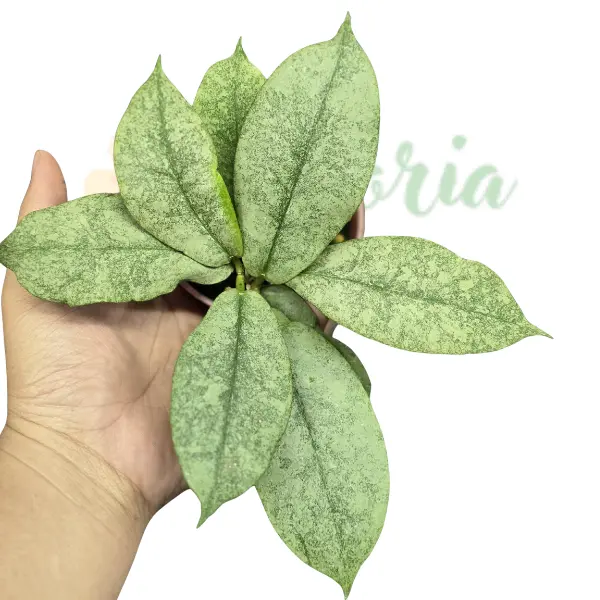
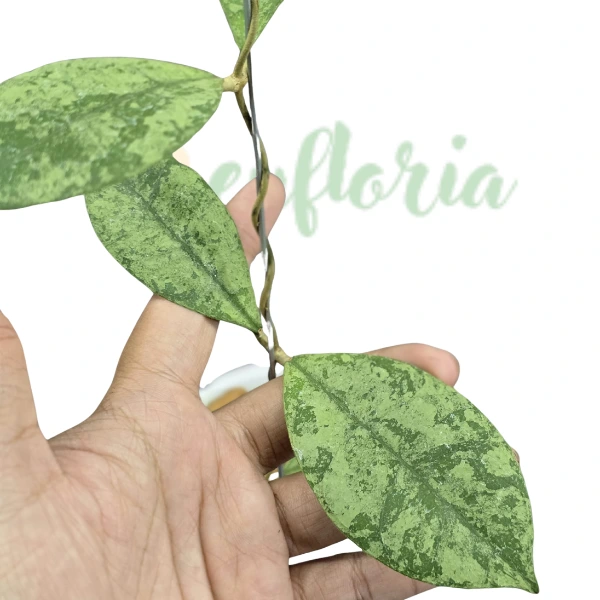
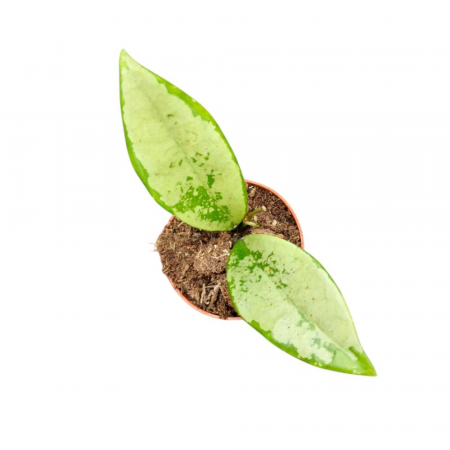
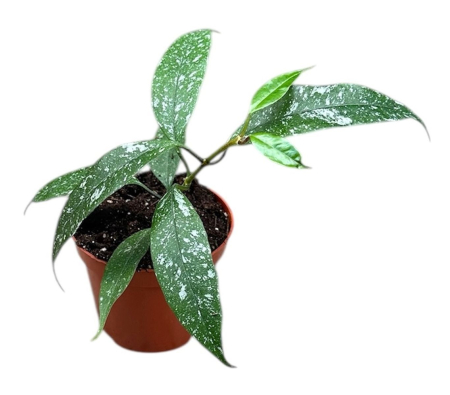
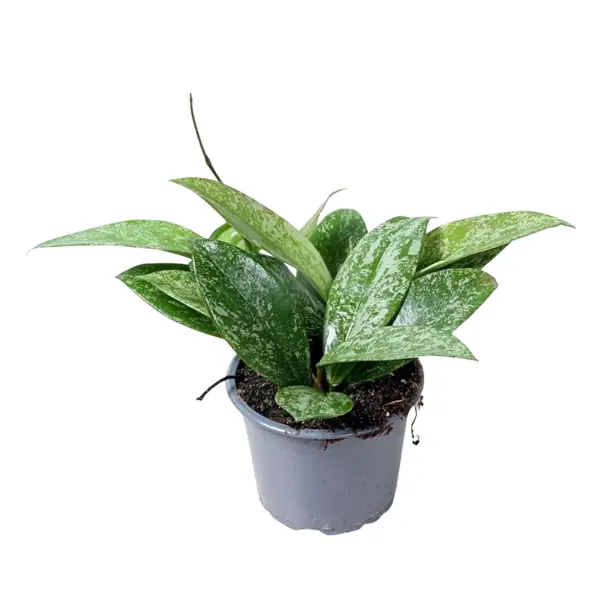
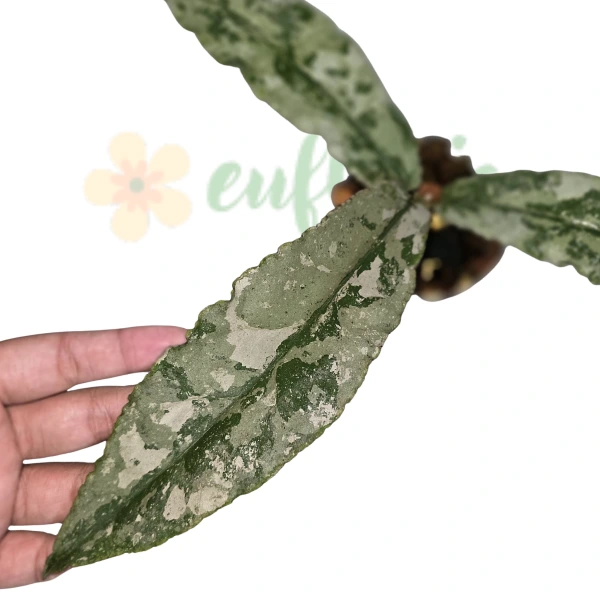
Hoya mitrata 'Splash' — A rare, myrmecophytic collector's Hoya from the tropical forests of Borneo and Southeast Asia, prized for its large, thick, ovate leaves generously splashed with metallic silver. Produces two distinct leaf types — including the famous ant-sheltering "cabbage" clusters — plus clusters of distinctive crown-shaped flowers with waxy white coronas and reddish-purple centres. Intermediate care; rewards patience with an appearance unlike any other Hoya. Not toxic to pets!
Note: Product images are for guidance only. Due to different batches of imported products, there may be differences between the images on the website and the actual appearance of the products.
Approx height (including pot): 15 cm
Flowering state: No flowers
Pot diameter: 10.5 cm
- Description
- Characteristics
- Reviews (0)
- FAQ
🪲 The Ant Plant That Wears Its Jungle on Every Leaf
Hoya mitrata 'Splash' is one of the most genuinely unusual Hoyas a collector can own — a plant that carries its wild origins visibly on every broad, silver-dusted leaf. Where most Hoyas earn admiration through flowers, this species commands it through foliage: large, thick, ovate leaves generously splashed with metallic silver, scattered unpredictably across a deep green canvas in patterns that shift from leaf to leaf and plant to plant. No two specimens look quite the same. In bright light, the silver shimmer becomes almost luminous — exotic, prehistoric, utterly unlike anything else in a typical collection. But Hoya mitrata is more than a pretty face. In its native tropical forests, it is one of nature's most fascinating partnerships: a true myrmecophyte, evolved to house colonies of ants within specialised leaf structures, trading shelter for nutrients. That biological complexity — visible in the dimorphic leaves and the bold, unpredictable silver patterning — is what makes the 'Splash' cultivar not just beautiful, but genuinely extraordinary.
🌍 Origins & Botanical History
Hoya mitrata was described by Arthur Francis George Kerr in 1940, published in Hooker's Icones Plantarum from a specimen collected in Southeast Asia. The name mitrata comes from the Latin mitra, meaning "mitre" or "crown," a reference to the distinctive crown-like form of the flower's corona — each bloom ringed by erect, waxy white outer lobes that create a regal, tiara-like appearance. The species is native to a wide range of mainland and island Southeast Asia: southern Thailand, Peninsular Malaysia, Sumatra, and throughout Borneo, where it grows as an epiphyte and lithophyte in both nutrient-poor heath forests and taller mixed dipterocarp forests. This ecological versatility — growing on exposed rock faces or high in the forest canopy depending on habitat — makes it more adaptable than many specialist species in cultivation. Two synonyms remain in circulation: Hoya wallichiana Decne. (1844) and Hoya darwinii Loher (1910), the latter describing a closely related Philippine species with similar domatia-forming behaviour. The name Hoya mitrata was formally conserved over H. wallichiana in 2013, following a proposal by taxonomist Michele Rodda. A botanical illustration of Hoya mitrata in the collections of the Royal Botanic Gardens, Kew — painted in Singapore in 1822 and pencilled with the name "Hoya formicata" by botanist Nathaniel Wallich, referencing its ant relationship — represents one of the earliest known illustrations of a Singaporean plant. The 'Splash' cultivar is a selected form distinguished by particularly pronounced and generous silver patterning on the foliage leaves.
🍃 Foliage — Dimorphic, Bold & Silver-Splashed
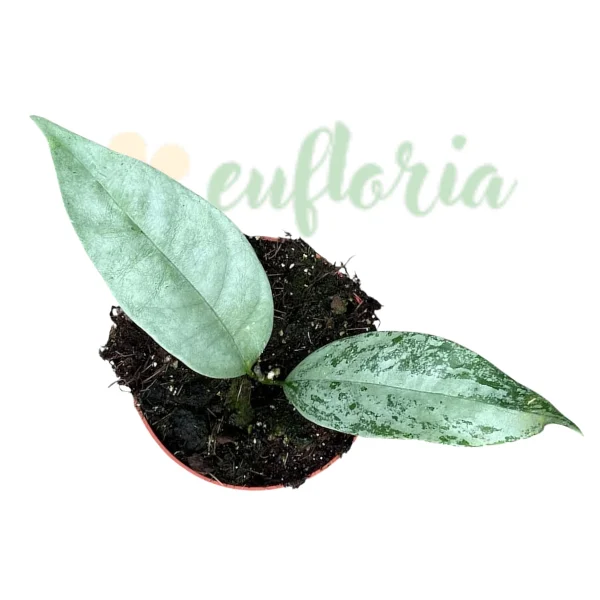
What makes Hoya mitrata biologically remarkable — and visually captivating — is that it produces two fundamentally different types of leaves on the same plant. Type I leaves, the domatia-forming leaves, are broad, fleshy, and semi-cordate at the base, with very short internodes that cause them to cluster tightly around the stem in a loose, cabbage-like arrangement. These leaves are lighter in colour with a reddish underside and evolved specifically to create sheltered cavities where ant colonies nest and raise their brood. In nature, the ants fertilise these structures with nutrient-rich nest debris, benefiting the plant's growth — a mutualism that has fascinated researchers since the 1990s. Type II leaves, the foliage leaves that appear in pairs along the stem, are the true showpieces of the 'Splash' cultivar: large, ovate to broadly elliptic, thick and leathery, measuring approximately 8–15 cm long and 5–8 cm wide. Their surface is deep green, generously — sometimes extravagantly — spattered with metallic silver speckles and blotches. In bright indirect light, this silver shimmer intensifies beautifully. New growth may emerge with reddish or bronze tones before maturing. The 'Splash' designation refers specifically to the density and boldness of this silver patterning, selected for above the standard species form.
🌸 Flowers — Crown-Like & Mildly Fragrant
When Hoya mitrata blooms, it does so in keeping with its regal name. Flower clusters (umbels) are convex to flat, measuring 6–10 cm in diameter and carrying 8–25 individual flowers. Each bloom is approximately 2–3 cm in diameter when flattened, with reflexed corolla lobes — meaning the petals fold backward, away from the centre, giving the flower an open, star-like appearance. The corolla is white at the base, shading to creamy yellow at the tips, and is minutely pubescent (finely hairy) on the interior. The corona is the true signature feature: the outer lobes are large, erect, and waxy white, creating the crown-like ring that inspired the species name; the inner lobes are shortly acute and a striking reddish-purple, providing a vivid colour contrast at the flower's centre. The scent is mild and sweet — present but not overwhelming, unlike the intense fragrance of species such as Hoya lacunosa. Peduncles are negatively geotropic, meaning they grow downward or horizontally away from gravity. As with all Hoyas, peduncles must never be removed after flowering — the plant re-blooms reliably from the same spurs year after year.
🌿 Growth Habit & Development
Hoya mitrata is a twining, epiphytic climber with a moderately vigorous growth habit once established. Stems are slender but firm, reaching up to 1.5 metres in length with support. The distinctive dimorphic leaf arrangement means the plant looks architecturally interesting even as a young specimen — the clustered domatia leaves creating textural variety alongside the larger, silver-splashed foliage leaves. Growth rate is moderate; this species requires more patience than beginner Hoyas like lacunosa or pubicalyx, but rewards it with a truly singular appearance. It performs well on a trellis or hoop, or can be allowed to trail from a hanging basket where the large, silver-spotted leaves create dramatic cascading effect. Cuttings can be slow to root and establish, so new growers should expect a settling-in period before rapid growth begins.
Care Requirements:
- Light: Bright, indirect light is essential — both for overall vigour and for maintaining the full intensity of the silver splash pattern. In adequate bright light, the silver markings shimmer and intensify; in lower light, they fade and contrast diminishes. A position near a bright, filtered window is ideal. Morning sun is tolerated well and can enhance silver expression; harsh afternoon sun risks leaf scorch. This species is somewhat less shade-tolerant than many Hoyas — consistent bright light is not optional for best results with the 'Splash' cultivar.
- Water: Allow the top half of the substrate to dry out between waterings before watering thoroughly. Hoya mitrata is moderately sensitive to overwatering — soggy soil leads quickly to root rot. The thick, leathery leaves store some water, giving the plant reasonable drought tolerance for brief periods, but consistent moisture management matters more here than with more forgiving species. Water less frequently in autumn and winter. Always use room-temperature water; avoid cold water shocking the roots. Never allow the plant to stand in stagnant water.
- Soil: An airy, fast-draining epiphytic mix is essential. A blend of orchid bark, perlite, and coco coir provides excellent drainage while retaining just enough moisture. Standard orchid mix or a quality cactus mix amended generously with perlite works well. This species has evolved on tree bark and rock faces where roots experience regular air circulation — avoid any dense, peat-heavy medium that retains moisture. Terracotta pots aid drainage and are preferable to glazed ceramics for this species.
- Temperature: 18–27°C is the ideal range, with optimal growth between 20–25°C. This is a strictly tropical species that does not tolerate cold: avoid temperatures below 13–15°C and protect from cold drafts, air conditioning vents, and winter window chill. Consistency of temperature encourages steady growth and supports flowering. Suitable for USDA zones 11–12 outdoors; must be grown indoors in temperate climates.
- Humidity: 50–80% relative humidity produces the best growth, most vibrant silver expression, and supports overall leaf health. This species appreciates higher humidity more than some easier Hoyas. Average household humidity (40–50%) can be tolerated if watering is careful, but a humidifier or grouping with other plants significantly improves performance. Good air circulation remains important to prevent fungal issues — do not mist leaves directly.
- Feeding: Apply a balanced liquid fertilizer at half strength every 4–6 weeks during the active growing season (spring through summer). A low-nitrogen, bloom-boosting formula can encourage flowering on established specimens. Do not fertilise in autumn and winter. Avoid salt build-up from over-fertilisation by flushing the substrate with plain water occasionally. Fresh potting mix provides adequate nutrients for the first 2–3 months after repotting.
Botanical Info: Family: Apocynaceae (subfamily Asclepiadoideae) | Genus: Hoya | Species: Hoya mitrata Kerr (1940) | Cultivar: 'Splash' (silver-splashed foliage selection) | Synonyms: Hoya wallichiana Decne. (1844), Hoya darwinii Loher (1910) | Common Names: Crown Hoya, Mitre Hoya, Ant-Plant Hoya | Type: Epiphytic / Lithophytic Twining Climber | Native Range: Southern Thailand, Peninsular Malaysia, Sumatra, Borneo | Zone: USDA 11–12 (indoor cultivation in temperate climates) | Flowering: White corolla with creamy-yellow tips, erect waxy white corona with reddish-purple inner lobes, 8–25 per umbel, mildly sweet-scented, summer (sporadic) | Growth Rate: Moderate | Special Trait: Myrmecophyte — forms dimorphic domatia leaves to shelter ant colonies
Lungime: 11 cm
Greutate (kg): 0.5 Kg
Denumire: Hoya
Diametru: 11 cm
Cerințe lumină: Strong, indirect light
Tip plantă: Decorative
Utilizare: Interior
Tip suport: Ghiveci
Material Suport: Plastic
How do I care for Hoya mitrata 'Splash'?
Is Hoya mitrata 'Splash' toxic to pets?
When and how does Hoya mitrata 'Splash' bloom?
What substrate is suitable for Hoya mitrata 'Splash'?
Why does Hoya mitrata 'Splash' have silver spots on its leaves?
How do you care for Hoya?
Does Hoya bloom indoors?
How often should Hoya be watered?
How do you propagate Hoya?
What type of plant is Hoya mitrata Splash?
What light conditions does Hoya mitrata Splash prefer?
How should I water Hoya mitrata Splash?
Is Hoya mitrata Splash toxic to pets?
How do I encourage Hoya mitrata Splash to bloom?
Recommendations

Ai nevoie și de un ghiveci decorativ?