EN/
EN/ Romana
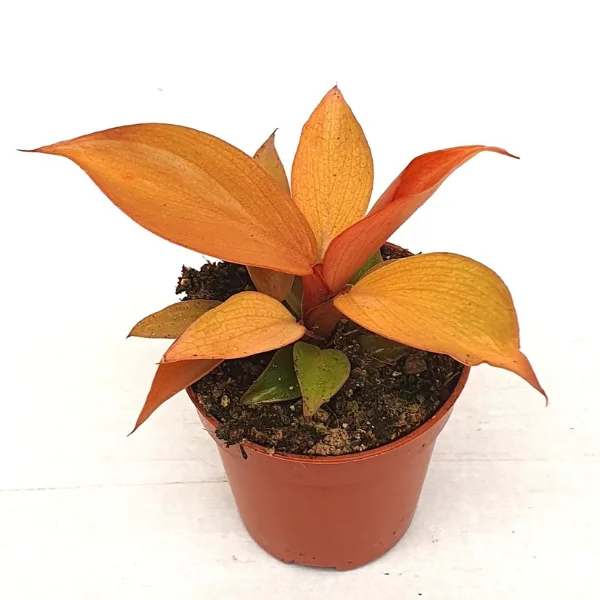
Hoya bonii Ø7cm
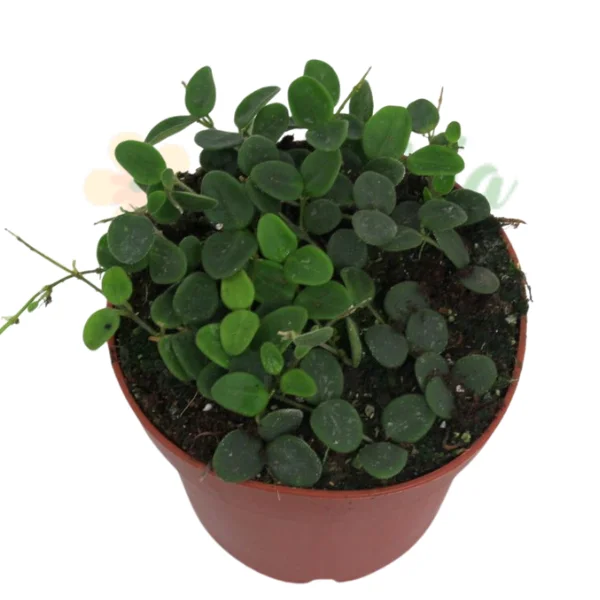
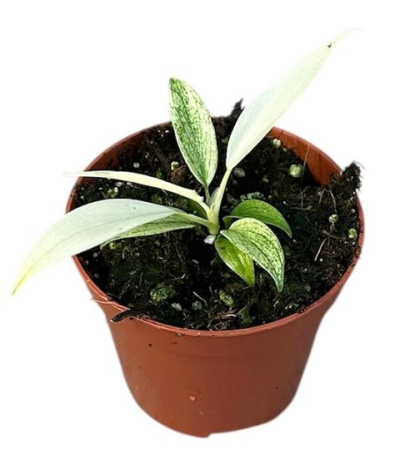
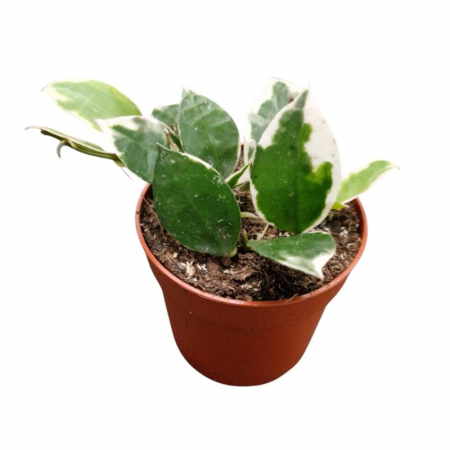
![Hoya bonii rare plant with fine delicate green leaves on thin stems in pot [0]](https://gomagcdn.ro/domains2/eufloria.ro/files/product/medium/hoya-bonii-d7-721196.webp "Hoya bonii rare plant with fine delicate green leaves on thin stems in pot [0]")
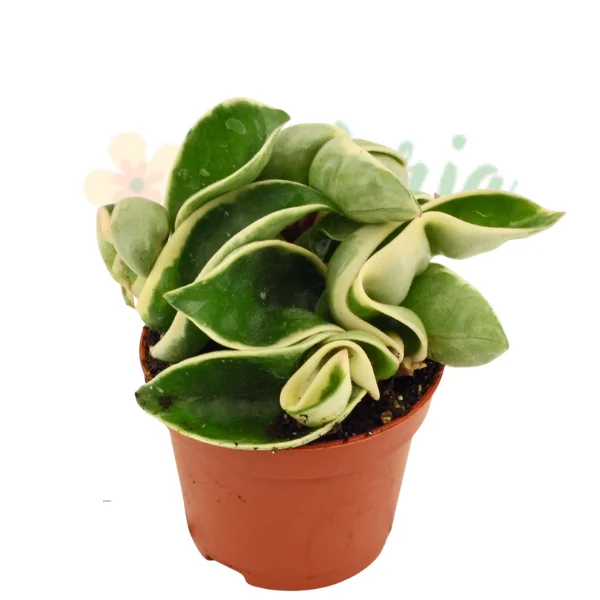
![Hoya bonii rare plant with fine delicate green leaves on thin stems in pot [1]](https://gomagcdn.ro/domains2/eufloria.ro/files/product/medium/hoya-bonii-d7-674935.webp "Hoya bonii rare plant with fine delicate green leaves on thin stems in pot [1]")
![Hoya bonii rare plant with fine delicate green leaves on thin stems in pot [2]](https://gomagcdn.ro/domains2/eufloria.ro/files/product/medium/hoya-bonii-d7-535410.webp "Hoya bonii rare plant with fine delicate green leaves on thin stems in pot [2]")
![Hoya bonii rare plant with fine delicate green leaves on thin stems in pot [1]](https://gomagcdn.ro/domains2/eufloria.ro/files/product/original/hoya-bonii-d7-721196.webp "Hoya bonii rare plant with fine delicate green leaves on thin stems in pot [1]")
![Hoya bonii rare plant with fine delicate green leaves on thin stems in pot [2]](https://gomagcdn.ro/domains2/eufloria.ro/files/product/original/hoya-bonii-d7-674935.webp "Hoya bonii rare plant with fine delicate green leaves on thin stems in pot [2]")
![Hoya bonii rare plant with fine delicate green leaves on thin stems in pot [3]](https://gomagcdn.ro/domains2/eufloria.ro/files/product/original/hoya-bonii-d7-535410.webp "Hoya bonii rare plant with fine delicate green leaves on thin stems in pot [3]")
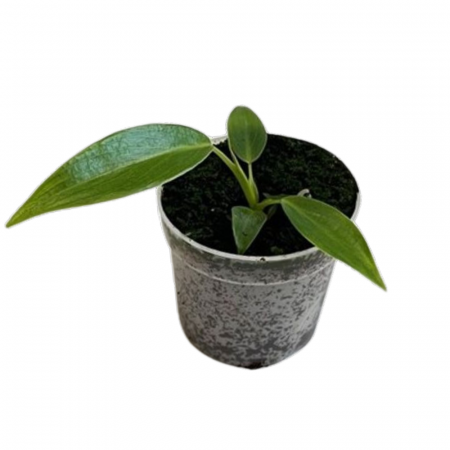
Hoya bonii is a rare Vietnamese species with fine, delicate leaves and fragrant white-pink waxy flowers. Compact, graceful habit, perfect for small spaces and exotic plant collections.
Approx height (including pot): 10 cm
Flowering state: No flowers
Pot diameter: 7 cm
- Description
- Characteristics
- Reviews (0)
- FAQ
🌿 Hoya bonii — Vietnamese elegance with fine leaves and delicate flowers
Hoya bonii is a rare and refined species from the Hoya genus, native to Vietnam, where it grows in humid tropical forests as an epiphytic plant. It stands out through its fine, delicate, intensely green leaves that form an elegant and airy foliage on thin, flexible stems. The white-pink, small, waxy flowers are grouped in spherical inflorescences that emit a sweet, subtle fragrance.
What makes Hoya bonii particularly appreciated is its compact habit and delicate foliage. The small leaves, 3–6 centimeters, are lanceolate, thin, and slightly curved, creating an airy, graceful appearance that differs from thick, succulent-leaved species. This foliar finesse gives the plant an ethereal, almost fragile presence that immediately captivates the eye.
The flowers are small but full of charm. Each individual flower has five waxy petals, white with pale pink shades, and a darker central corona creating a delicate contrast. Inflorescences contain 10–20 flowers grouped in compact spheres that persist for weeks, spreading a sweet fragrance especially during evening hours.
Compact, moderate growth makes Hoya bonii perfect for small spaces. It adapts excellently to hanging pots, plant shelves, or open terrariums, where its graceful trailing habit creates a refined visual effect.
🌟 Care conditions
Light ideal is bright indirect. Position near an east or west-facing window. Fine leaves are sensitive to direct sun, which can burn them, but insufficient light delays flowering and produces elongated stems. Light balance is key to harmonious growth.
Watering requires special attention. Allow the substrate to partially dry between waterings — first 2 centimeters dry. Summer frequency is once weekly, winter reduces to once every 10–14 days. Thin leaves do not retain much water, so the plant needs a more regular schedule but with small amounts. Use filtered room-temperature water.
Temperature optimal is 18°C–28°C. Cannot tolerate below 12°C. A day-night difference of 3–5 degrees stimulates flowering. Ideal humidity is 55–75%, but adapts to standard home conditions. Regular misting is beneficial, especially during winter when indoor air is drier.
Substrate should be very well-draining and aerated: pine bark, perlite, and sphagnum in equal parts. Small pot with generous drainage holes — cramped roots stimulate flowering. Repot in spring every 2–3 years.
🌺 Propagation and multiplication
Propagation through stem cuttings with 2–3 nodes is the most efficient method. Place in moist perlite and sphagnum or in water. Roots appear within 3–5 weeks at minimum 20°C. Air layering is an excellent alternative for specimens you do not wish to cut.
Fertilization during active period (April–September) with balanced liquid fertilizer at half concentration, biweekly. A phosphorus-rich fertilizer monthly stimulates flowering. In winter, stop fertilization. Never cut flower peduncles — they will produce new flowers.
Hoya bonii also lends itself excellently to mixed tropical plant groupings. Its fine, airy foliage offers interesting textural contrast alongside species with larger, thicker leaves, enriching the visual diversity of any arrangement.
🌍 Origin and botanical characteristics
Hoya bonii belongs to the family Apocynaceae, subfamily Asclepiadoideae, and is endemic to Vietnam. It was described relatively recently and bears the name in honor of a French botanist who studied Indochinese flora. In its natural habitat, it grows as an epiphyte on trunks and branches in lowland and hill tropical forests at moderate altitudes.
The fine, lanceolate leaves represent an adaptation to filtered light conditions in the forest sub-canopy. Reduced foliar surface minimizes water loss through transpiration, while the elongated shape maximizes diffuse light capture. The root system is typical of tropical epiphytes — thin aerial roots that anchor to their support.
Taxonomically, Hoya bonii falls within the Acanthostemma section of the Hoya genus, alongside other species with thin leaves and delicate flowers. This classification reflects close evolutionary relationships with similar regional species and helps collectors better understand the plant's care needs.
Long-term care of Hoya bonii also involves attention to stress signals. Yellowing leaves may indicate overwatering, while shriveling leaves suggest insufficient watering or too-low air humidity. Brown spots on leaves can be caused by sun burns or fungal attack in excessively humid conditions. Regular monitoring and prompt response to these signs ensures healthy, long-lived growth.
Hoya bonii also makes an exceptional gift for rare plant enthusiasts. Its delicate, unusual appearance, combined with relatively easy care and fragrant flowers, makes it a memorable present that will bring joy for years. Each specimen is unique in its branching configuration and foliage arrangement, adding special sentimental value to this botanical gift.
✨ Why choose Hoya bonii
Hoya bonii is a refined choice for collectors who appreciate discreet elegance and delicacy. Unlike more robust and imposing species, Hoya bonii wins through its finesse and grace, offering a valuable textural contrast in any tropical plant collection.
Compact dimensions and airy habit make it versatile: hanging pots, shelves, open terrariums, or compositions with other plants. It does not take up much space but brings an ethereal presence that refines any interior arrangement. Fragrant flowers are a special bonus that transforms evenings into perfumed tropical experiences.
From Eufloria you receive a healthy, well-rooted specimen acclimated to indoor conditions. The plant is carefully packaged and delivered in optimal conditions, ready to add a note of tropical refinement to your rare plant collection.
As a relatively recently described species, Hoya bonii remains uncommon in cultivation, making each specimen a prized addition to any serious Hoya collection. Its Vietnamese origin connects it to one of the most biodiverse regions on Earth, where new plant species continue to be discovered regularly. Owning a Hoya bonii means having a piece of this extraordinary botanical heritage in your own home, a living reminder of the incredible diversity of tropical epiphytic flora.
The flowering cycle of Hoya bonii follows a seasonal pattern closely tied to light duration and temperature fluctuations. Plants that receive consistent bright indirect light throughout the growing season and experience a slight winter rest period with reduced watering and cooler temperatures are most likely to produce abundant inflorescences. Once established, mature specimens can bloom multiple times per season, with each peduncle potentially producing several rounds of flowers over the years.
Lungime: 10 cm
Greutate (kg): 0.25 Kg
Denumire: Hoya
Diametru: 7 cm
Cerințe lumină: Partial umbra
Tip plantă: Decorative
Utilizare: Interior
Tip suport: Ghiveci
Material Suport: Plastic
How big does Hoya bonii grow?
Hoya bonii is a compact species with thin stems reaching 1–1.5 m. Leaves are small (2–4 cm), creating a delicate cascading effect, ideal for hanging baskets.
Does Hoya bonii bloom easily?
Yes, Hoya bonii is relatively prolific, capable of blooming after 1–2 years. Flowers are white-pink with intense honey and vanilla fragrance, especially in the evening.
Is Hoya bonii toxic to cats?
No, Hoya bonii is classified as non-toxic by ASPCA. It is safe for households with pets and small children.
What humidity does Hoya bonii need?
Hoya bonii prefers 55–75% humidity. Thin leaves are more sensitive to dry air than thick-leaved species. A humidifier or pebble tray helps.
How do you propagate Hoya bonii?
Through stem cuttings with 3–4 nodes, in moist sphagnum or perlite at 22–26°C. Success rate is about 80%. Rooting takes 3–5 weeks.
Ai nevoie și de un ghiveci decorativ?