EN/
EN/ Romana
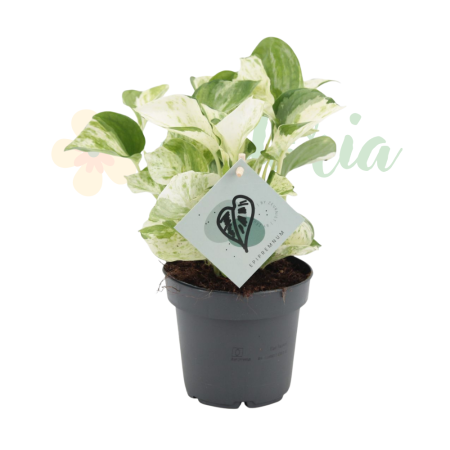
Epipremnum 'Champs Élysées' Ø12cm
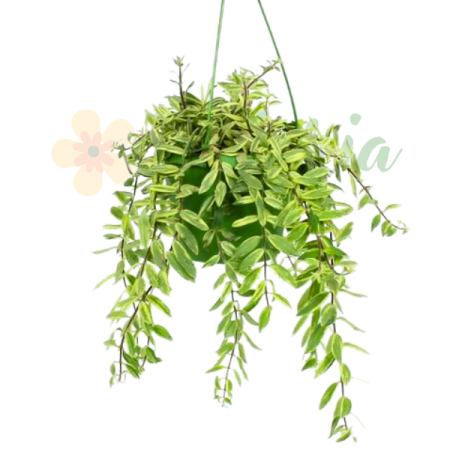
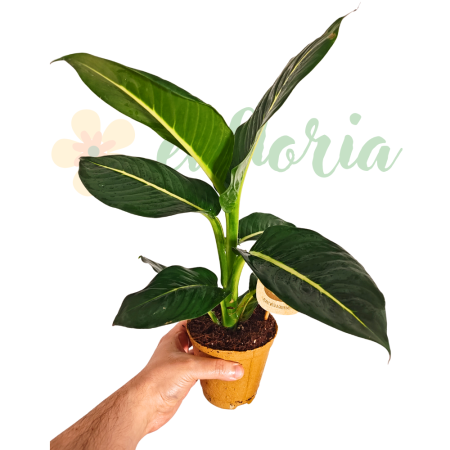
![Epipremnum 'Champs Élysées' Ø12cm — golden variegated pothos [1]](https://gomagcdn.ro/domains2/eufloria.ro/files/product/original/epipremnum-champs-elysees-d12cm-411908.png "Epipremnum 'Champs Élysées' Ø12cm — golden variegated pothos [1]")
Epipremnum 'Champs Élysées' is a pothos cultivar with dramatic golden-yellow variegation on dark green. Climbing-trailing plant from the Solomon Islands, with elliptical-cordate leaves of 8-15 cm. Unique character — every leaf with different pattern. Tolerant, ideal for hanging baskets or moss poles.
Note: Product images are for guidance only. Due to different batches of imported products, there may be differences between the images on the website and the actual appearance of the products.
Approx height (including pot): 25 cm
Pot diameter: 12 cm
- Description
- Characteristics
- Reviews (0)
- FAQ
Epipremnum 'Champs Élysées' is a cultivar selected from the Epipremnum aureum species, known for its dramatic variegated leaves with golden-yellow patches on dark green. The name "Champs Élysées" — a reference to the famous Parisian avenue — reflects the elegance and distinctive character of its variegation, which creates an almost painted pattern on each leaf. It is a climbing-trailing plant native to the tropical forests of the Solomon Islands, but has naturalized in many tropical areas of the world due to its remarkable resilience and adaptability. Each specimen is unique — variegation appears irregularly, unpredictably, offering a natural "painted artwork" on every leaf produced.
Origin and Botanical Characteristics
Epipremnum aureum 'Champs Élysées' belongs to the Araceae family, alongside Monstera, Philodendron, and Anthurium. The original species (Epipremnum aureum) comes from the Solomon Islands in the South Pacific, where it grows as epiphytic vines on tree trunks in the tropical forest, reaching lengths of tens of meters in its natural habitat. In tropical countries where it has been introduced, the plant has become invasive due to rapid growth and ability to reproduce vegetatively from small stem fragments.
The 'Champs Élysées' cultivar was selected for its stable variegation with distinctive golden-yellow patches — a characteristic that is not genetically inherited through seed propagation, which is why the plant is propagated exclusively vegetatively through cuttings. This stability of variegation is the result of a stable chromosomal mutation that is preserved through cutting propagation but lost in sexual reproduction.
The leaves are characteristically elliptical-cordate, 8-15 cm in length, with a glossy surface and slightly waxy texture. The base green is deep, dark, while the golden-yellow variegation appears as irregular patches, stripes, or larger zones — each leaf is unique, like a natural "painted artwork." At maturity, under optimal conditions, the plant can produce leaves with fenestration (openings), a phenomenon common in the Epipremnum genus when the plant reaches full vegetative maturity.
The stems are thin, flexible, can reach 25-30 cm at delivery, and can grow to 1-2 meters or more under good conditions. The climbing-trailing character allows cultivation both in hanging baskets (with trailing stems) and on moss poles (for vertical growth with leaves becoming larger as the plant climbs). The stems have nodes from which both aerial roots (for anchoring) and new leaves emerge.
Flowering in apartment conditions is extremely rare — Epipremnum species produce inflorescences only at full vegetative maturity, rarely reached in indoor cultivation. The foliage remains the constant decorative value, and variegated varieties are even more appreciated as they can have different appearance on each new leaf produced. In the natural habitat, mature plants can reach 20+ meters in length and produce leaves over 1 meter long with extensive fenestration.
Why It Is Appreciated in Collections
'Champs Élysées' is one of the most dramatic Epipremnum cultivars, comparable to classic varieties 'Marble Queen' or 'Neon', but with a denser and more contrasting variegation pattern. For lovers of climbing plants with decorative foliage, it offers a visually richer alternative than standard green pothos, while maintaining the same ease of care. The dramatic variegation makes each specimen an individual "art object," with no two plants identical.
In more advanced collections, 'Champs Élysées' pairs well with other climbing aroids such as Monstera, Philodendron, or other Epipremnum cultivars. The golden-yellow variegation creates positive contrast with the solid green leaves of other plants, offering natural color diversity. For cultivators who appreciate the "tropical-jungle" character of indoor space, this Epipremnum is a centerpiece in compositions with hanging shelves or green walls.
Care — Complete Guide for Cultivators
Epipremnum 'Champs Élysées' is very tolerant, but variegation is preserved intact only with proper care. Here are the essential parameters:
Light: Bright indirect light to maintain variegation. Under too low light, new leaves will have less yellow variegation (the plant produces more chlorophyll for efficient photosynthesis). Tolerates gentle morning sun, but avoid direct midday sun which can fade the variegation. Best exposure is 1-2 meters from an east or west-facing window, or at a south-facing window filtered through a curtain.
Watering: Moderate — substrate should be slightly dry on top between waterings. In summer water every 5-7 days, in winter every 10-14 days. Overwatering leads to root rot, while prolonged drying causes lower leaves to drop. Use room-temperature water, decanted or filtered — chlorine in tap water can affect leaf tips.
Humidity: 50-70% optimal. Tolerates lower humidity than many other aroids, but below 40% leaf tips can turn brown and variegation may lose its luster. Use a humidifier or grouping with other indoor plants.
Substrate: Aerated, with excellent drainage, slightly acidic. Recommended mix: universal substrate (50%), perlite (25%), fine pine bark (15%), sphagnum moss (10%). Optimal pH is 5.5-6.5. For moss pole cultivation, use a mix richer in organic matter to stimulate aerial roots.
Temperature: 18-28°C optimal, absolute minimum 15°C. Below 12°C the plant suffers and may drop leaves. Avoid cold drafts from windows in winter and air conditioning blowing directly on the plant. Sudden temperature variations can stress the plant.
Fertilizing: Decorative plant fertilizer, diluted to half, monthly in growing season. Don't fertilize in winter. Nitrogen-rich fertilizers can reduce variegation — prefer balanced or slightly nitrogen-poor. Liquid fertilizer is safer than granules which can "burn" roots if applied excessively.
Repotting: Every 2-3 years, in spring, into pots only slightly larger. With each repotting, cut longer stems for propagation — water cuttings root easily in 2-3 weeks. Check drainage and replace old substrate with fresh aerated mix.
Pruning: Regular pruning stimulates branching and keeps the plant compact. Long stems can be cut and propagated. Remove discolored or dry leaves. For vertical growth on moss pole, "guide" stems on the pole and tie them gently to stimulate aerial root formation.
Common problems: Leaves without variegation = insufficient light (move plant to a brighter location). Brown tips = too dry air or chlorinated water. Yellowed and soft leaves = overwatering (check drainage, reduce watering). Spider mites appear in very dry air — check leaf undersides weekly.
Toxicity and Safety
Epipremnum, like all aroids, contains calcium oxalate crystals and is considered toxic to cats, dogs, and children. It appears on the ASPCA toxic plant list. Symptoms of ingestion: severe mouth irritation, excessive drooling, difficulty swallowing, vomiting. Keep the plant away from animals and children who may bite leaves.
For humans, sap contact may cause mild dermatitis in sensitive people. Use gloves when repotting or pruning. Wash hands after handling. For households with very young children or curious pets, place the plant on high shelves or in inaccessible hanging baskets.
Why Choose It for Your Space
Epipremnum 'Champs Élysées' is a "visual artwork" for lovers of plants with dramatic variegation — every leaf is unique, offering a constant botanical spectacle. Its climbing-trailing character allows varied cultivation styles: in hanging baskets for trailing effect, on moss poles for vertical growth, or left to drape on shelves. This versatility makes it a flexible choice for any type of indoor space.
Unlike standard Epipremnum aureum (plain green), 'Champs Élysées' offers an additional level of visual interest with its golden-yellow variegation, without adding care difficulty. The Ø12cm diameter allows a stable start with already established roots and 25 cm stems. In 1-2 years, the plant will double its number of stems and begin to "age" beautifully with larger leaves and possible fenestration.
For variegated aroid enthusiasts, 'Champs Élysées' perfectly completes the collection alongside Monstera 'Albo Variegata', Philodendron 'Pink Princess', or other plants with decorative variegation. The composition with multiple variegated plants creates a "living wall" with strong personality, ideal for modern minimalist spaces or plant cabinets. Delivery across the EU with specialized packaging for live plants — each specimen is selected to have visible variegation already at delivery.
Lungime: 25 cm
Greutate (kg): 1 Kg
Denumire: Epipremnum
Diametru: 12 cm
Cerințe lumină: Strong, indirect light
Tip plantă: Decorative
Utilizare: Interior
Tip suport: Ghiveci
Material Suport: Plastic
Is Epipremnum 'Champs Élysées' toxic?
Yes, contains calcium oxalates — toxic to cats, dogs, and children. Listed on ASPCA.
Why do new leaves lack variegation?
Insufficient light. Move plant to a location with bright indirect light for vibrant variegation.
How do I propagate it?
By cuttings — cut 8-12 cm with a node, root in water. New plants in 2-3 weeks. See similar techniques.
Can I grow it on a moss pole?
Yes, perfect. Stems produce aerial roots that anchor. Leaves grow larger on a pole.
Does it tolerate apartments in winter?
Yes, very well. Tolerates drier air. See other indoor plants.
Ai nevoie și de un ghiveci decorativ?