EN/
EN/ Romana
Aglaonema 'Red Valentine' Ø6cm
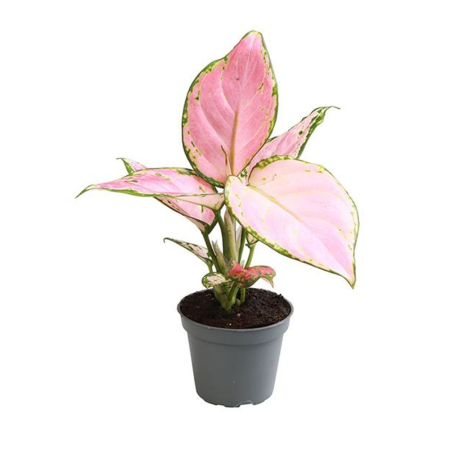
![Aglaonema Red Valentine — green leaves painted in pink and vivid red [0]](https://gomagcdn.ro/domains2/eufloria.ro/files/product/medium/aglaonema-red-valentine-689900.png "Aglaonema Red Valentine — green leaves painted in pink and vivid red [0]")
![Aglaonema Red Valentine — green leaves painted in pink and vivid red [1]](https://gomagcdn.ro/domains2/eufloria.ro/files/product/medium/aglaonema-red-valentine-069602.png "Aglaonema Red Valentine — green leaves painted in pink and vivid red [1]")
![Aglaonema Red Valentine — green leaves painted in pink and vivid red [2]](https://gomagcdn.ro/domains2/eufloria.ro/files/product/medium/aglaonema-red-valentine-325984.png "Aglaonema Red Valentine — green leaves painted in pink and vivid red [2]")
![Aglaonema Red Valentine — green leaves painted in pink and vivid red [1]](https://gomagcdn.ro/domains2/eufloria.ro/files/product/original/aglaonema-red-valentine-689900.png "Aglaonema Red Valentine — green leaves painted in pink and vivid red [1]")
![Aglaonema Red Valentine — green leaves painted in pink and vivid red [2]](https://gomagcdn.ro/domains2/eufloria.ro/files/product/original/aglaonema-red-valentine-069602.png "Aglaonema Red Valentine — green leaves painted in pink and vivid red [2]")
![Aglaonema Red Valentine — green leaves painted in pink and vivid red [3]](https://gomagcdn.ro/domains2/eufloria.ro/files/product/original/aglaonema-red-valentine-325984.png "Aglaonema Red Valentine — green leaves painted in pink and vivid red [3]")
Aglaonema 'Red Valentine' is a spectacular Chinese Evergreen cultivar from the Araceae family, with green leaves generously painted in pink and vivid red, with pink veins and petioles. It is one of the most colourful indoor plants and, at the same time, one of the most forgiving — perfect for those who want intense colour without complicated care.
Note: Product images are for guidance only. Due to different batches of imported products, there may be differences between the images on the website and the actual appearance of the products.
Approx height (including pot): 15 cm
Pot diameter: 6 cm
- Description
- Characteristics
- Reviews (0)
- FAQ
🌿 Red Valentine — Bold Colour, Gentle Care
Aglaonema 'Red Valentine' proves that a plant can be both spectacular and easy-going. Its green leaves are generously painted in pink and vivid red, as if someone had blown colour over each leaf, leaving only the edges green. The pink veins and petioles complete this chromatic display that brings warmth and energy to any room, in any season.
Unlike many colourful plants that demand fussy conditions and constant attention, Red Valentine is remarkably forgiving — an excellent choice both for beginners and for those who want a low-maintenance splash of colour, without the fuss. It is the kind of plant that forgives a forgotten watering or a less bright corner, rewarding you in turn with full, vividly coloured foliage.
It is precisely this rare combination — big visual impact and small demands — that has made Aglaonema one of the most beloved decorative houseplants in the world. Red Valentine belongs to the genus Aglaonema, a family appreciated for centuries in Asia as a symbol of luck and prosperity, and it is an ideal choice to bring colour to an office, a living room or any space that needs a touch of life.
🌍 Origin and Botanical History
Aglaonema is a genus from the Araceae family (aroids), native to the humid tropical forests of Southeast Asia — Thailand, the Philippines, Malaysia and Indonesia. Popularly known as "Chinese Evergreen", these plants grow naturally at ground level, beneath the dense forest canopy, in filtered, diffuse light. This origin explains their remarkable tolerance of low light, a rare quality among colourful plants.
Unlike American aroids such as Philodendron or Monstera, Aglaonema comes from Asia, and its cultural symbolism runs deep: in China and Southeast Asia, it is considered a lucky plant, brought into the home to attract prosperity and positive energy. This status made it one of the first houseplants to be intensively cultivated.
Modern colourful cultivars such as 'Red Valentine' are the result of decades of careful selection and hybridisation, carried out mainly in Thailand, where Aglaonema cultivation has become a true national horticultural art. The wild species has green leaves with silver markings; the intense red-pink pigment of modern cultivars was obtained through patient selection of natural mutations, generation after generation. Red Valentine was selected specifically for the intensity and balance of its colour. It shares its Araceae family with relatives such as Philodendron and Syngonium, though its care requirements are gentler.
🌱 The Foliage
The leaves are elliptical, elongated, 10–18 cm long, with a green base over which large patches of pink and red spread, often concentrated in the centre of the leaf and along the veins, while the margins remain green. This pattern creates a warm, luminous contrast, like a flame caught in the middle of each leaf. The veins and petioles also carry pink-red tones, giving the plant a pleasing chromatic unity.
The intensity of the red depends directly on light: the better the light (without direct sun), the brighter and more vivid the colour; in lower light the leaves remain beautiful but take on more green. New growth often emerges with a more intense pink hue that matures gradually. The leaf texture is firm and slightly glossy, pleasant to the touch and easy to clean with a damp cloth.
The habit is compact and bushy, with dense leaves rising from the base of the plant in clusters — a full, tidy and balanced look, ideal for a desk, a bright table or a corner that needs colour. Unlike climbing aroids, Aglaonema stays compact and needs no stake. For decorative foliage in other tones, the Syngonium genus, with its colourful cultivars, is also worth exploring.
🌱 Growth and Development
Red Valentine grows slowly to moderately and stays compact, rarely exceeding 40 cm indoors. It is one of the most forgiving decorative plants you can have: it tolerates medium light, the occasional forgotten watering and the drier air of homes, qualities that make it perfect for busy people, offices or beginners testing their confidence. In addition, Aglaonema is known for its ability to purify indoor air, having been included in NASA studies on plants that improve air quality.
The care requirements are minimal, but following them keeps the colour vivid and the plant healthy:
- Light: medium to bright, indirect light. The better the light, the more intense the red. It tolerates lower light too (a rare quality among colourful plants), but avoid direct sun, which fades and scorches the leaves.
- Temperature: 18–27°C; avoid cold draughts and drops below 15°C, to which Aglaonema is more sensitive than many other houseplants.
- Watering: water when the top half of the substrate has dried; it tolerates the occasional lapse well, but will not tolerate standing water at the roots. In winter reduce watering significantly.
- Humidity: 50–60%; it tolerates apartment air very well, but appreciates occasional misting, especially in winter.
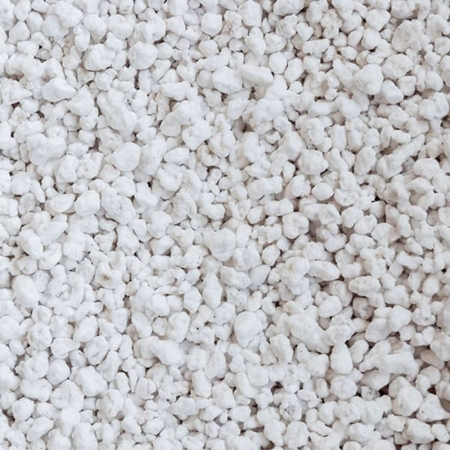
- Substrate: a quality universal mix, airy, with perlite for drainage. Unlike Philodendron, Aglaonema does well in universal mixes too, not only in strict aroid substrate.
- Fertilising: balanced diluted liquid fertiliser every 3–4 weeks during the growing season (spring–autumn).
- Propagation: by dividing the clump at repotting (the simplest method) or through stem cuttings. It is one of the easiest decorative plants to propagate.
🌸 Common Problems, Solutions and Who Red Valentine Is Perfect For
Red Valentine is a forgiving plant, but it communicates through its leaves when something is not to its liking. The red becomes paler, new leaves are greener: insufficient light — move the plant to a brighter spot (without direct sun) and the colour will return on new growth. Brown, dry tips or edges: usually from air that is too dry or water with too much lime; raise the humidity and use filtered water. Yellow leaves: if they appear on old leaves, it is normal; if there are many and they are soft, it indicates overwatering — let the substrate dry more. Curled leaves or scorched edges: a sign of direct sun or cold draughts — move the plant to filtered light, away from draughts. Growth stops in winter: normal — Aglaonema goes dormant in cooler temperatures and low light; it resumes growth in spring.
Aglaonema is rarely attacked by pests, but it can occasionally attract spider mites or mealybugs in dry air; periodic inspection prevents problems. It is a plant toxic through calcium oxalate and must be kept away from pets and small children.
In conclusion, Red Valentine is the ideal choice for anyone who wants intense colour without the fuss. Its tolerance of medium light makes it perfect for offices and less bright rooms, its air-purifying ability makes it useful, and its full, colourful look brings life wherever you place it. It is an excellent plant for beginners and a much-loved splash of colour in any collection, alongside other decorative Aglaonema — a warm flame that burns quietly, year after year, with minimal care.
Lungime: 6 cm
Greutate (kg): 0.15 Kg
Denumire: Aglaonema
Diametru: 6 cm
Cerințe lumină: Intensitate luminoasă medie spre umbră
Tip plantă: Decorative
Utilizare: Interior
Tip suport: Ghiveci
Material Suport: Plastic
How often should I water Aglaonema Red Valentine?
Is Aglaonema Red Valentine toxic to cats and dogs?
What soil mix is best for Aglaonema Red Valentine?
Why is my Aglaonema Red Valentine losing its pink color?
What temperature range does Aglaonema Red Valentine tolerate?
Aglaonema Red Valentine thrives in temperatures between 18–27°C (64–81°F), which is its optimal growth range. The minimum tolerated temperature is approximately 15°C (59°F) — below this threshold, the foliage may suffer damage. It is important to avoid cold drafts and placing the plant near open windows during the cold season.
Water?
Light?
Toxic?
Propagation?
Humidity?
Recommendations
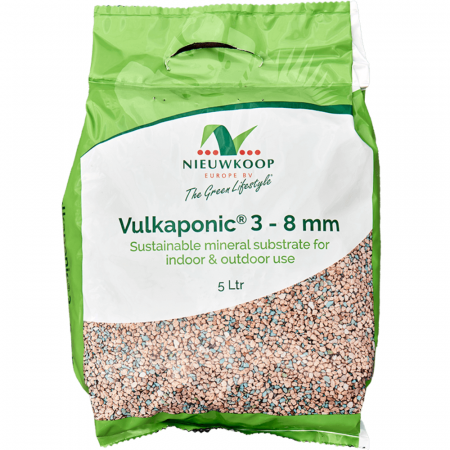

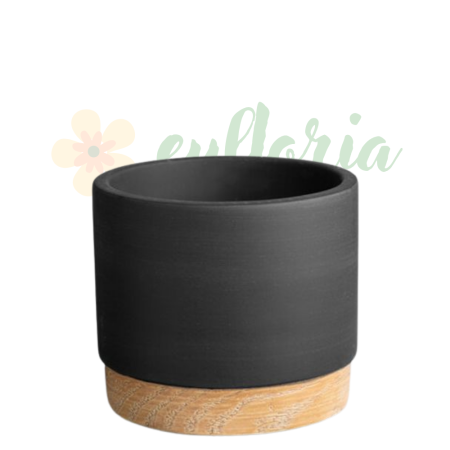
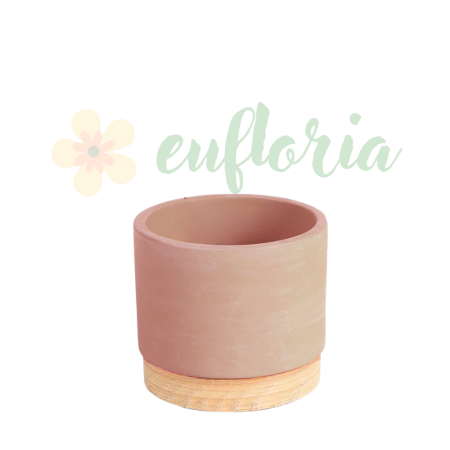
Ai nevoie și de un ghiveci decorativ?