EN/
EN/ Romana
Philodendron 'Orange Marmalade' Ø10.5cm
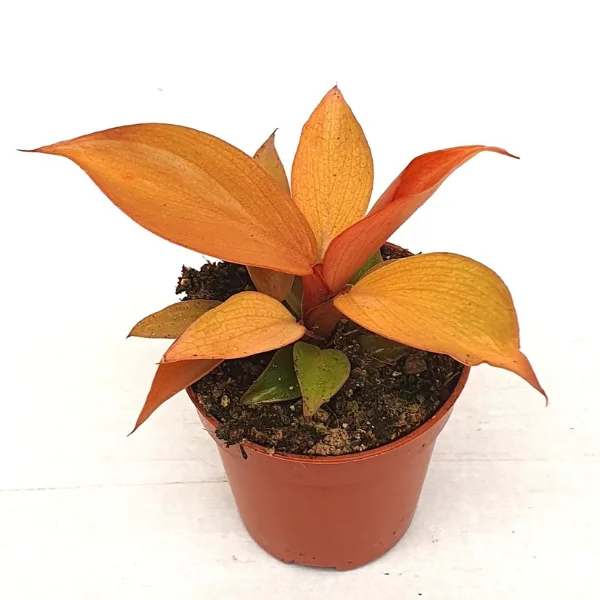
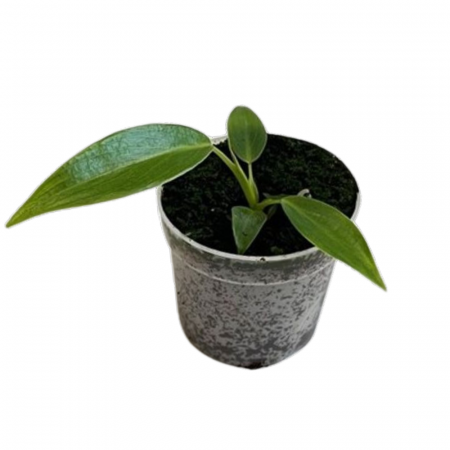
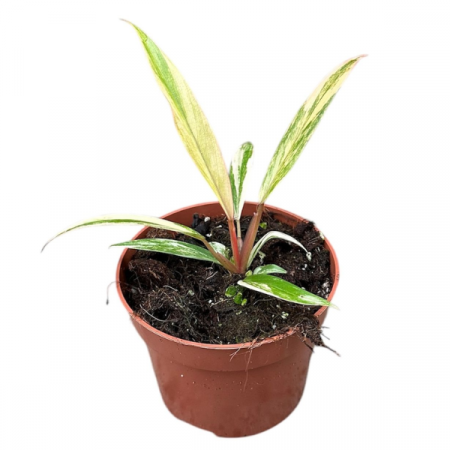
![Philodendron 'Orange Marmalade' — chromatic cultivar with bright orange-red new leaves maturing through bronze copper to dark green, all stages simultaneously [1]](https://gomagcdn.ro/domains2/eufloria.ro/files/product/original/philodendron-orange-marmalade-d10-5cm-775512.png "Philodendron 'Orange Marmalade' — chromatic cultivar with bright orange-red new leaves maturing through bronze copper to dark green, all stages simultaneously [1]")
Philodendron 'Orange Marmalade' is a spectacular cultivar from the Araceae family, with bright orange-red new leaves that gradually mature through bronze and copper to dark green. The plant simultaneously displays all colors. Dynamic chromatic aroid, collector plant.
Approx height (including pot): 35 cm
Pot diameter: 10.5 cm
- Description
- Characteristics
- Reviews (0)
- FAQ
🌿 Philodendron 'Orange Marmalade' — Orange Marmalade with Flamboyant New Leaves
Philodendron 'Orange Marmalade' is a spectacular cultivar of the Philodendron genus, selected for dramatic chromatic transformation of leaves as they mature. New leaves appear bright orange-red, shiny — like orange marmalade — then gradually mature through bronze, copper shades, to characteristic dark green, creating a plant with leaves simultaneously colored in multiple stages.
The result is a dynamic visual effect, with each leaf having its own color based on age. A mature plant can have 2-3 orange/red leaves at the top and green leaves at the bottom — a continuous spectacle.
At the offered size — Ø10.5cm pot — the plant is mature, with leaves in different coloring stages. Perfect for plant lovers with distinctive warm-colored leaves.
🌍 Botanical Origin
Modern horticultural hybrid of Philodendron genus. Likely derived from Philodendron erubescens. Araceae family. Toxic.
🌱 Chromatic Transformation
Elongated leaves, 15-25 cm at maturity. Chromatic cycle: bright orange-red (new) → bronze-copper (maturing) → dark-green (mature). Each leaf goes through all stages over several weeks. The plant shows all colors simultaneously.
🌱 Care
- Light: bright indirect (intensifies warm colors of new leaves).
- Temperature: 18-28°C.
- Watering: moderate.
- Humidity: 60-80%.
- Substrate: aroid mix.
- Fertilization: every 3-4 weeks.
- Propagation: cuttings with nodes.
🌿 Toxic
Oxalates. Out of reach of children/pets.
🌸 Why 'Orange Marmalade'
Dramatic orange-red-bronze-green transformation makes plant a continuous spectacle. Different from classic variegation — here entire leaf changes color with age. Special choice for collectors of colorful plants.
🌱 Common Problems
Greener new leaves: insufficient light. Burns: direct sun. Yellow leaves: overwatering.
Lungime: 20 cm
Greutate (kg): 1 Kg
Denumire: Philodendron
Diametru: 10.5 cm
Cerințe lumină: Partial umbra
Tip plantă: Decorative
Utilizare: Interior
Tip suport: Ghiveci
Material Suport: Plastic
Why do Philodendron Orange Marmalade leaves change colour?
Young leaves contain high concentrations of carotenoids (orange pigments), and as they mature, chlorophyll becomes dominant turning leaves green. Strong indirect light intensifies the orange colours.
What light does Philodendron Orange Marmalade need?
It prefers bright indirect light (east or west window). Sufficient light maintains the vibrant orange colours of young leaves. Avoid direct sunlight which can burn the sensitive leaves.
Is Philodendron Orange Marmalade toxic to pets?
Yes, according to ASPCA, it contains calcium oxalate crystals and is toxic to dogs and cats. Ingestion can cause oral irritation and difficulty swallowing. Place the plant at height.
How often should you water Philodendron Orange Marmalade?
Water when the top 3–4 cm of substrate dries out, typically every 7–10 days in summer and 14–21 days in winter. Ensure good drainage and avoid water stagnation in the saucer.
How do you propagate Philodendron Orange Marmalade?
Through stem cuttings with at least one node and a leaf. Plant in moist sphagnum at 22–26°C. Rooting takes 3–6 weeks. Water propagation is an alternative with ~80% success rate.
Do colors stay orange?
NO. Leaves mature naturally — orange-red (new) → bronze-copper → dark green. But the plant constantly produces new leaves, so it will ALWAYS have some orange at the top simultaneously with mature green at the base.
How to intensify orange?
Bright indirect light. Good light = vibrant orange. Low light = pale, faded colors. Move close to filtered window.
Is it toxic?
Yes, moderately. Calcium oxalates. Out of reach of children/pets.
How to water?
Moderately. First 2-3 cm to dry between waterings.
How to propagate?
Stem cuttings with nodes. New color manifests in new leaves of propagated cutting.
Ai nevoie și de un ghiveci decorativ?