EN/
EN/ Romana
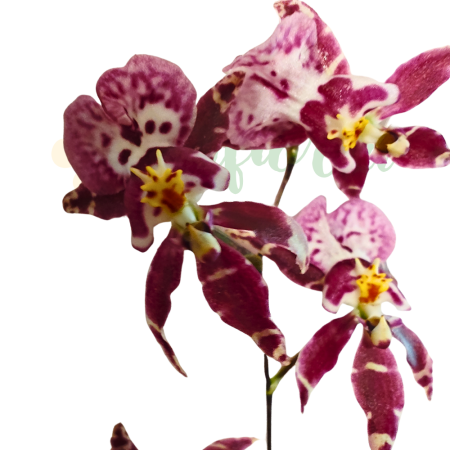
Cambria Orchid — Fragrant Hybrid Orchid with Large, Vibrant Flowers
![Fragrant Cambria orchid with large multicolor flowers, hybrid indoor orchid [0]](https://gomagcdn.ro/domains2/eufloria.ro/files/product/medium/orhidee-cambria-orhidee-hibrida-parfumata-cu-flori-mari-si-viu-colorate-246585.png "Fragrant Cambria orchid with large multicolor flowers, hybrid indoor orchid [0]")
![Fragrant Cambria orchid with large multicolor flowers, hybrid indoor orchid [1]](https://gomagcdn.ro/domains2/eufloria.ro/files/product/medium/orhidee-cambria-orhidee-hibrida-parfumata-cu-flori-mari-si-viu-colorate-151746.png "Fragrant Cambria orchid with large multicolor flowers, hybrid indoor orchid [1]")
![Fragrant Cambria orchid with large multicolor flowers, hybrid indoor orchid [1]](https://gomagcdn.ro/domains2/eufloria.ro/files/product/original/orhidee-cambria-orhidee-hibrida-parfumata-cu-flori-mari-si-viu-colorate-246585.png "Fragrant Cambria orchid with large multicolor flowers, hybrid indoor orchid [1]")
![Fragrant Cambria orchid with large multicolor flowers, hybrid indoor orchid [2]](https://gomagcdn.ro/domains2/eufloria.ro/files/product/original/orhidee-cambria-orhidee-hibrida-parfumata-cu-flori-mari-si-viu-colorate-151746.png "Fragrant Cambria orchid with large multicolor flowers, hybrid indoor orchid [2]")
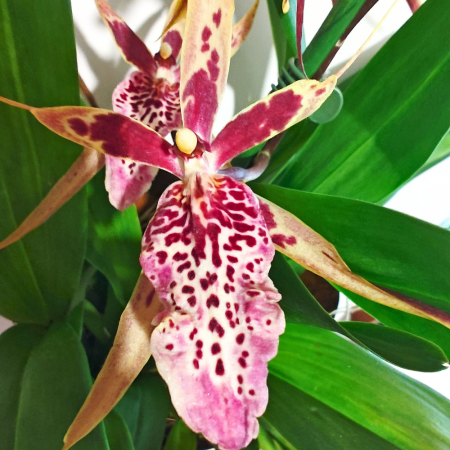
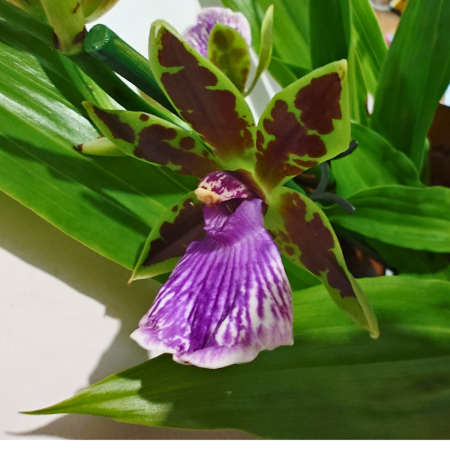
Cambria Orchid — intergeneric hybrid orchid from the Oncidium family, with spectacular 5–10 cm flowers in vibrant shades of burgundy red, white, yellow, and purple. Intense fragrance, blooms 2–3 times per year. Easier to care for than Phalaenopsis.
Note: IMPORTANT: Plants available in stock may be in bloom, with flowers developing, or without flowers. If we have them available, we will always send flowering specimens, but please note that the plant you receive may or may not be in bloom.
Approx height (including pot): 40 cm
Culoare flori: Multicolor
Flowering state: Cu sau fără flori
Pot diameter: 12 cm
Flori: Roz
- Description
- Characteristics
- Reviews (0)
- FAQ
Cambria — a spectacular hybrid for orchid lovers
Cambria is not a single species, but a commercial name used for complex intergeneric hybrids in the Oncidium family. Most modern Cambrias are crosses between genera such as Vuylstekeara, Beallara, Burrageara, Colmanara, Odontioda, and Wilsonara. This genetic blend produces extraordinary flowers: large (5–10 cm), patterned, in vibrant colors — deep burgundy red, pure white, citrus yellow, royal purple — all with contrasting markings that make them unmistakable.
Their parents originate in the mountainous forests of South America, especially the Colombian, Ecuadorian, and Peruvian Andes, where they grow at altitudes between 1000 and 2500 m. This origin explains their preference for moderate temperatures and cool nights. On Eufloria you can also find other fragrant orchids or flowering indoor plants with similar care.
Why choose a Cambria orchid
Cambria is recognized as one of the most beginner-friendly orchids, after Phalaenopsis. Unlike Phalaenopsis, it offers a much richer variety of colors and shapes, an intense and pleasant fragrance (especially hybrids Cambria 'Plush', 'Yellow Belle', or 'Nelly Isler'), and remarkable resistance to temperature fluctuations. Flowers last 6–8 weeks per spike, and the plant can bloom 2–3 times per year with consistent care.
For a special gift or a collector's acquisition, see also special occasions or other suggestions for office plants with visual impact.
How to care for the Cambria orchid
Cambria loves bright indirect light. An east-facing windowsill or a position 1–2 meters from a south-facing window, filtered with a sheer curtain, is optimal. Direct summer sun burns the elongated leaves. Ideal temperature is 15–22°C by day and 12–16°C at night — this nighttime drop (5–10°C) strongly stimulates flowering. Cambria tolerates lower temperatures than Phalaenopsis (down to 10°C for short periods), making it excellent for cooler homes.
Water with filtered or rainwater weekly in summer, every 10 days in winter. Let the substrate dry slightly between waterings. Cambria does not tolerate standing water around its pseudobulbs — fast drainage is essential. Optimal humidity is 50–70%; a tray with moist gravel under the pot helps enormously. Use an airy orchid substrate based on pine bark, with added sphagnum and perlite for maximum root aeration.
Flowering, fertilizing, and popular hybrids
Cambria can bloom 2–3 times per year, with flower spikes producing 5–12 flowers each, lasting 6–8 weeks. This is its major advantage over Phalaenopsis, which usually blooms only once a year. Fertilize weekly during active growth (spring–summer) with an orchid-specific fertilizer, diluted to half the recommended dose. In winter, reduce to once a month.
The most appreciated hybrids include Cambria 'Nelly Isler' (burgundy red with blue, fragrant), Cambria 'Plush' (yellow-red, intense citrus scent), Cambria 'Yellow Belle' (clean yellow, fragrant), and Cambria 'Belmar' (white-purple, sweet scent). All are part of the fragrant orchids category and pair beautifully with other flowering indoor plants.
Who is the Cambria orchid suitable for
Cambria is an excellent choice for beginners in the orchid world who want more color and fragrance than classic Phalaenopsis. It is ideal for homes with moderate or cool temperatures (15–22°C), where Phalaenopsis would suffer. It is also perfect for special gifts — birthdays, Christmas, Easter, housewarmings — because it offers visual spectacle and captivating fragrance, two highly appreciated elements.
If you want to place it in a workspace, Cambria sits beautifully among other office plants with moderate light needs, transforming a banal office into a fragrant oasis.
Lungime: 40 cm
Greutate (kg): 0.5 Kg
Denumire: Cambria
Diametru: 9 cm
Cerințe lumină: Strong, indirect light
Tip plantă: Decorative
Utilizare: Interior
Tip suport: Ghiveci
Material Suport: Plastic
Why are my Cambria orchid leaves turning yellow?
Yellow leaves can indicate: overwatering (the most common cause — check drainage and use airy orchid substrate), too much direct light (move the plant), nutrient deficiency (fertilize regularly), or an old leaf dying naturally (normal for old pseudobulbs).
Can I keep Cambria on the balcony in summer?
Yes, but only on an east or north-facing balcony, protected from direct sun. Temperature should not exceed 26°C at midday. Bring the plant indoors when nights drop below 12°C (usually early September). See other flowering plants suitable for balcony.
How long from purchase until Cambria blooms again?
If the plant is purchased in bloom, after the current spike wilts (6–8 weeks), the plant enters a 2–4 month rest. Then it forms a new flower spike that appears in 2–3 months. Total: 4–7 months from first bloom to second, with proper care.
Does Cambria need annual repotting?
No, repotting is done every 2 years or when the substrate breaks down (becomes crumbly and smells fermented). Cambria does not tolerate frequent root disturbance. Repot only after blooming, in early spring, in fresh airy substrate.
What is the difference between Cambria and Phalaenopsis?
Cambria has pseudobulbs (storage organs) and narrow, elongated leaves; Phalaenopsis has no pseudobulbs and has wide, flat leaves. Cambria blooms 2–3 times per year with smaller, more flowers per spike (5–12); Phalaenopsis blooms once with 3–8 larger flowers. Cambria tolerates cold better (down to 10°C); Phalaenopsis requires minimum 16°C. See the fragrant orchids collection for comparisons.