EN/
EN/ Romana
Brassia TITANIUM Orchid (Spider Orchid) — Fragrant Orchid with Big, Spider-Shaped Flowers D9cm
![Brassia Orchid (Spider Orchid) with yellow-green spider-shaped flowers, fragrant orchid [0]](https://gomagcdn.ro/domains2/eufloria.ro/files/product/medium/orhidee-brassia-titanium-spider-orchid-orhidee-cu-flori-mari-parfumate-in-forma-de-paianjen-981285.png "Brassia Orchid (Spider Orchid) with yellow-green spider-shaped flowers, fragrant orchid [0]")
![Brassia Orchid (Spider Orchid) with yellow-green spider-shaped flowers, fragrant orchid [1]](https://gomagcdn.ro/domains2/eufloria.ro/files/product/medium/orhidee-brassia-titanium-spider-orchid-orhidee-cu-flori-mari-parfumate-in-forma-de-paianjen-942482.png "Brassia Orchid (Spider Orchid) with yellow-green spider-shaped flowers, fragrant orchid [1]")
![Brassia Orchid (Spider Orchid) with yellow-green spider-shaped flowers, fragrant orchid [2]](https://gomagcdn.ro/domains2/eufloria.ro/files/product/medium/orhidee-brassia-titanium-spider-orchid-orhidee-cu-flori-mari-parfumate-in-forma-de-paianjen-723608.png "Brassia Orchid (Spider Orchid) with yellow-green spider-shaped flowers, fragrant orchid [2]")
![Brassia Orchid (Spider Orchid) with yellow-green spider-shaped flowers, fragrant orchid [1]](https://gomagcdn.ro/domains2/eufloria.ro/files/product/original/orhidee-brassia-titanium-spider-orchid-orhidee-cu-flori-mari-parfumate-in-forma-de-paianjen-981285.png "Brassia Orchid (Spider Orchid) with yellow-green spider-shaped flowers, fragrant orchid [1]")
![Brassia Orchid (Spider Orchid) with yellow-green spider-shaped flowers, fragrant orchid [2]](https://gomagcdn.ro/domains2/eufloria.ro/files/product/original/orhidee-brassia-titanium-spider-orchid-orhidee-cu-flori-mari-parfumate-in-forma-de-paianjen-942482.png "Brassia Orchid (Spider Orchid) with yellow-green spider-shaped flowers, fragrant orchid [2]")
![Brassia Orchid (Spider Orchid) with yellow-green spider-shaped flowers, fragrant orchid [3]](https://gomagcdn.ro/domains2/eufloria.ro/files/product/original/orhidee-brassia-titanium-spider-orchid-orhidee-cu-flori-mari-parfumate-in-forma-de-paianjen-723608.png "Brassia Orchid (Spider Orchid) with yellow-green spider-shaped flowers, fragrant orchid [3]")
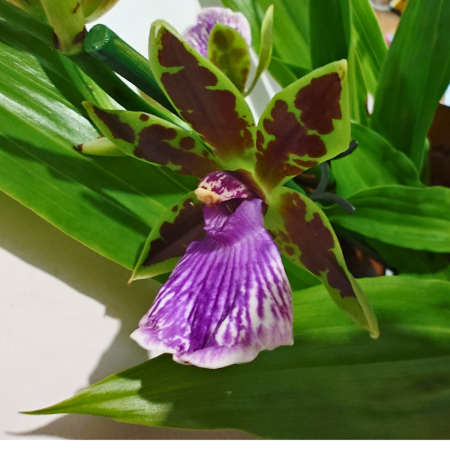
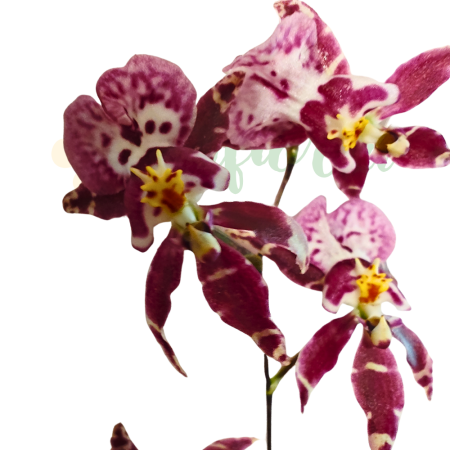
Brassia Orchid (Spider Orchid) — exotic orchid with spectacular spider-shaped flowers in yellow-green tones with brown spots. Sweet, citrus scent, more intense at midday. Collector's plant, ideal for fans of rare orchids.
Note: IMPORTANT: Plants available in stock may be in bloom, with flowers developing, or without flowers. If we have them available, we will always send flowering specimens, but please note that the plant you receive may or may not be in bloom.
Approx height (including pot): 40 cm
Culoare flori: Multicolor
Flowering state: Cu sau fără flori
- Description
- Characteristics
- Reviews (0)
- FAQ
The Spider Orchid — an exotic appearance for lovers of rare plants
Brassia, popularly known as the Spider Orchid, is one of the most distinctive tropical orchids you can have in your collection. Its long, narrow, pointed flowers arranged in a spider-like shape catch the eye at first glance. Petals and sepals extend gracefully, forming elegant arcs that can reach 15–20 cm in diameter. Typical hues range from yellow-green to cream, scattered with brown-violet spots reminiscent of leopard patterns on a warm background.
The species originates from the tropical forests of Central and South America — from Mexico to Brazil, passing through the Caribbean — where it grows as an epiphyte on the trunks of tall trees. This origin explains its need for circulating air, bright indirect light, and a very airy substrate. On Eufloria you can find other fragrant collector orchids or flowering indoor plants that perfectly complement an exotic display.
The citrus scent — Brassia's olfactory signature
Unlike common Phalaenopsis orchids, Brassia emits a sweet, citrus fragrance with light honeyed notes, more intense around midday — when light and heat reach the day's peak. In nature, this scent attracts certain species of pompilid wasps that mistake the flower's shape for a spider prey, thus triggering pollination. Indoors, Brassia's fragrance gently fills a 15–20 sqm room without becoming invasive, giving any space a distinctive character.
How to care for the Brassia orchid
Brassia is surprisingly tolerant for such a spectacular orchid. It needs bright indirect light — an east-facing windowsill or a position 1–2 meters from a south-facing window, filtered with a sheer curtain. Avoid direct sun, which burns the long, pleated leaves. Ideal temperature is 18–25°C by day and 14–18°C at night; the nighttime temperature drop (10°C) stimulates repeat blooming.
Water with filtered or rainwater weekly in summer, every 10 days in winter. Let the substrate dry out slightly between waterings, but not completely dry. Optimal humidity is 50–70% — place the pot on a tray with moist gravel or use a humidifier during cold months, when radiators dry the air. For substrate, use an airy mix of pine bark + sphagnum + perlite, which drains quickly and lets roots breathe.
Flowering, fertilizing, and recommended hybrids
Brassia usually blooms in late spring and summer, but with consistent care it can produce 2 flower spikes per year, each carrying 6–15 flowers. A single spike lasts 4–6 weeks, turning the flowering period into an extended visual event. Fertilize weekly during active growth (spring–summer) with an orchid-specific fertilizer, diluted to half the recommended dose on the label. In winter, reduce fertilization to once a month.
The most popular hybrids are Brassia verrucosa (with pronounced green spots), Brassia maculata (classic, with brown spots on yellow), Brassia Rex (huge flowers, 25+ cm), and Brassia "Spider's Feast" (especially strong fragrance). All belong to the same family as other fragrant orchids easy to grow indoors.
Who is the Brassia orchid suitable for
Brassia is the perfect choice for collectors who want to break out of the routine of Phalaenopsis or Cymbidium orchids and explore something truly exotic. It is also recommended for beginners who already have experience with a common orchid and want to take the step toward a rarer species, but without the pitfalls of a difficult orchid like Masdevallia or Dracula. The shape of its flowers also makes it a memorable gift for birthdays, housewarmings, or symbols of natural elegance.
On the office plants page you'll find other suggestions that can complement a collection of flowering plants with moderate care. Brassia thrives in a well-lit office, where air humidity can be adjusted with a small humidifier.
Lungime: 40 cm
Greutate (kg): 0.5 Kg
Denumire: Brassia
Diametru: 9 cm
Cerințe lumină: Strong, indirect light
Tip plantă: Decorative
Utilizare: Interior
Tip suport: Ghiveci
Material Suport: Plastic
How long does a Brassia orchid live?
With proper care, a Brassia orchid can live 15–20 years and blooms annually. Old pseudobulbs die, but the plant constantly produces new ones. Repotting every 2 years in fresh airy substrate significantly extends its lifespan.
Why is my Brassia orchid not blooming anymore?
The most common causes are: lack of nighttime temperature drop (Brassia needs 10°C difference), too little light, excessive nitrogen fertilization (prefers balanced with phosphorus for flowers), or pseudobulbs too small (the plant accumulates reserves before blooming). See also other flowering plants if you want more variety.
Can I keep the Brassia orchid in the bathroom?
Yes, if the bathroom has a window with bright indirect light. Brassia loves the high natural humidity in bathrooms (60–80%), so a bright bathroom is an excellent environment. Just avoid completely dark bathrooms or those where the temperature drops below 14°C at night.
What other plants does the Brassia orchid pair with?
Excellent with other fragrant orchids (Cambria, Zygopetalum) for a themed collection. It also pairs well with bright shade plants such as Calathea, Spathiphyllum, or tropical ferns. For a fragrant office, see suggestions from office plants.
Does Brassia stay small or grow large?
Brassia is a medium-sized orchid — reaching 40–60 cm in height with the flower spike included. Over time, the plant forms a cluster of pseudobulbs that can fill a Ø15 cm pot. It does not require much space — a standard windowsill is enough. For more compact plant suggestions, see also flowering plants alternatives.
Ai nevoie și de un ghiveci decorativ?