EN/
EN/ Romana
Syngonium wendlandii Ø12cm
![Syngonium wendlandii — velvety dark green leaves with a silvery central vein [1]](https://gomagcdn.ro/domains2/eufloria.ro/files/product/original/planta-naturala-de-interior-syngonium-wendlandii-111034.png "Syngonium wendlandii — velvety dark green leaves with a silvery central vein [1]")
Syngonium wendlandii is a rare collector species from the Araceae family, native to Costa Rica, prized for its velvety, dark green leaves marked by a glossy silvery central vein. Unlike common glossy-leaved Syngoniums, wendlandii has a matte, velvety texture that gives it a luxurious air. Climbing and elegant, it is a jewel for any collection.
Approx height (including pot): 25 cm
Country of origin: Netherlands
Pot diameter: 12 cm
- Description
- Characteristics
- Reviews (0)
- FAQ
🌿 Syngonium wendlandii — the Silver Velvet of Costa Rican Forests
Syngonium wendlandii is the quiet aristocrat of the genus. While its common relatives have glossy leaves coloured in pink or light green, wendlandii chooses sober elegance: velvety leaves of a deep dark green, marked by a silvery central vein that shines like a satin stripe on matte velvet. It is a plant that does not shout for attention but wins it the moment you look closely — a subtle contrast between the velvety darkness of the blade and the silver gleam of the veins.
It is a collector species valued precisely for its distinctive texture and relative rarity in cultivation. Unlike mass-produced Syngoniums, wendlandii remains a niche plant, sought by connoisseurs who appreciate velvety foliage and its sculptural effect. For someone who has already mastered a few common aroids and wants a truly distinctive piece, wendlandii is the natural step forward.
Its velvety foliage absorbs light rather than reflecting it, giving a deep, almost impenetrable velvet look, over which the silver veins draw a luminous map. It belongs to the genus Syngonium, but stands clearly apart from common varieties through this sophisticated foliage, worthy of a refined collection.
🌍 Origin and Botanical History
Syngonium wendlandii belongs to the Araceae family (aroids) and is native to the humid tropical forests of Costa Rica, where it grows as a climbing plant on tree trunks, slowly rising toward the filtered light of the canopy. This life in the dense partial shade of the forest explains its preference for indirect light and high humidity — conditions that keep its velvety foliage healthy.
The species was named in honour of the German botanist Hermann Wendland, a renowned 19th-century specialist in tropical plants who contributed significantly to the description and introduction into cultivation of numerous exotic plants. This historical detail links wendlandii to the great age of botanical explorers, when tropical plants were brought from the jungle into European greenhouses as true treasures.
Unlike the far more widespread and intensively produced Syngonium podophyllum, wendlandii has remained a collector species, less common in mass trade. Like all Syngoniums, it changes the shape of its leaves as it matures (heteroblasty): juvenile leaves are simple, arrowhead-shaped, while adult ones become more lobed. It shares its Araceae family with famous relatives such as Philodendron and Monstera, with which it has similar care requirements.
🌱 The Foliage
The young leaves are arrowhead-shaped, 10–20 cm long, of a velvety, matte dark green, crossed by a wide, glossy silvery central vein, accompanied by silvery lateral veins that branch elegantly toward the edges. The contrast between the dark, velvety green and the satin silver of the veins is spectacular and unmistakable — it looks like a leaf embroidered with silver thread on a velvet background.
The velvety texture is its most prized feature: the leaf surface is covered with microscopic hairs that absorb light and give it a matte, deep look, very different from the glossy leaves of its common relatives. As the plant matures, the leaves may lobe slightly and partly lose their silver vein, which is why the plant is appreciated mainly in its juvenile stage, when the contrast is at its peak.
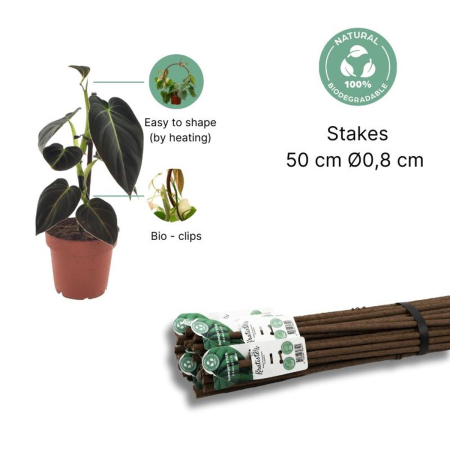
The habit is climbing, with stems that appreciate vertical support. With a moss pole, it develops ever larger and more impressive leaves; left to trail, it forms an elegant cascade. The velvety foliage must be kept free of dust and should not be wiped with a damp cloth (which can damage the velvety hairs) — it is cleaned with a soft brush or a jet of air. For decorative foliage in other tones, the Aglaonema genus is also worth exploring.
🌱 Growth and Development
Syngonium wendlandii grows moderately with a climbing habit. With a moss pole, it develops ever larger and more impressive leaves, mimicking how it climbs trees in nature; left to trail from a tall pot, it forms a cascade of velvety leaves. The velvety foliage prefers slightly higher humidity than its glossy relatives, but the plant remains accessible with a little attention and rewards steady care with ever richer foliage, alongside other Syngonium plants.
The care requirements are clear and, once followed, the plant responds generously:
- Light: medium to bright, indirect light. The velvet and silver are best preserved in filtered light. Avoid direct sun, which scorches the velvety leaves, but also too little light, which leads to pale leaves and stretched stems.
- Temperature: 18–27°C; avoid cold draughts and drops below 15°C.
- Watering: water when the top 2–3 cm of substrate have dried; it likes steady moisture but not standing water at the roots. Always check with your finger before watering.
- Humidity: 60–70% ideal for the velvety foliage; it appreciates a humidifier, a tray of moist pebbles or grouping with other plants. Air that is too dry browns the leaf tips.
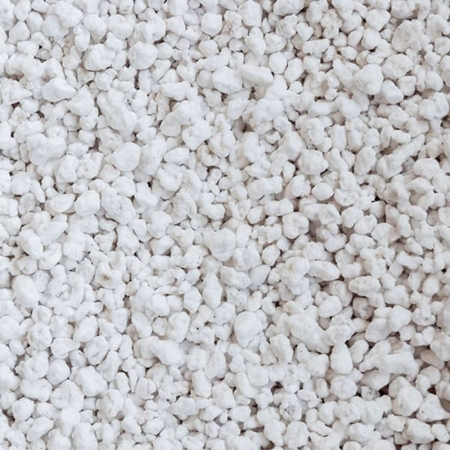
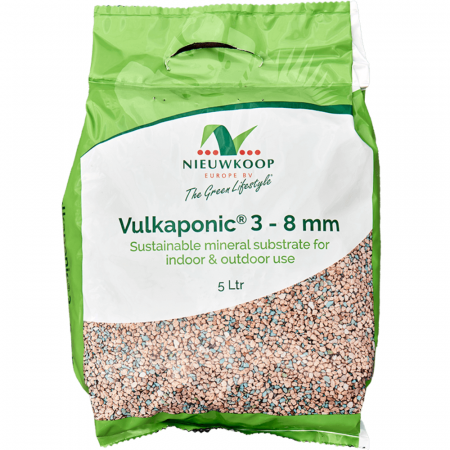
- Substrate: airy aroid mix — pine bark, perlite and coco fibre, just like for Monstera. Excellent drainage is essential.
- Fertilising: balanced diluted liquid fertiliser every 3–4 weeks during the growing season.
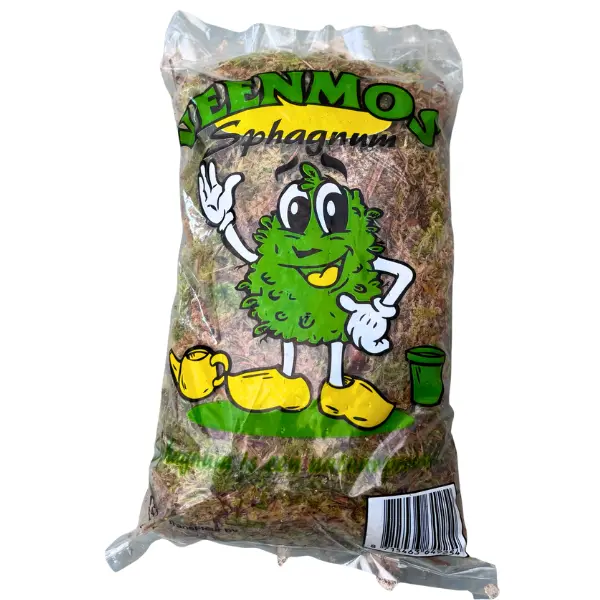
- Propagation: stem cuttings with a node, rooted in water or sphagnum. As simple as with Epipremnum.
🌸 Common Problems, Solutions and Who Syngonium wendlandii Is Perfect For
Syngonium wendlandii is a relatively forgiving plant, but its velvety foliage demands attention. Brown, dry tips and edges: the most common sign of low humidity — raise the humidity with a humidifier or a tray of moist pebbles. Smaller new leaves, without a clear silver vein: partly natural (mature leaves lose the contrast), but also a sign that the light could be better. Pale or faded leaves: direct sun — move the plant to filtered light. Long stems with sparse leaves: insufficient light — move the plant closer to a light source. Soft yellow leaves, permanently wet substrate: overwatering and risk of rot — let the substrate dry more and check the drainage. Do not wipe the velvety leaves with a damp cloth, as this damages the hairs that give them their matte look.
Like all aroids, it can occasionally attract spider mites or mealybugs in dry air; periodic inspection prevents problems. It is a plant toxic through calcium oxalate and must be kept away from pets and small children.
In conclusion, Syngonium wendlandii is the ideal choice for the collector who appreciates sober elegance and distinctive textures, far from loud colours. Its velvety foliage with a silvery vein brings a luxurious, sculptural air to any shelf. Offered at the generous Ø12 cm size, it is already a developed specimen, ready to impress. Place it in a bright, humid spot, alongside other Syngonium plants, and you will have a quiet jewel that wins every glance, year after year.
Lungime: 20 cm
Greutate (kg): 0.5 Kg
Denumire: Syngonium
Diametru: 12 cm
Cerințe lumină: Partial umbra
Tip plantă: Decorative
Utilizare: Interior
Tip suport: Ghiveci
Material Suport: Plastic
What makes wendlandii unique?
How to water?
Light?
Toxic?
Propagation?
Recommendations
Ai nevoie și de un ghiveci decorativ?