EN/
EN/ Romana
Hoya soligamiana Ø10.5cm
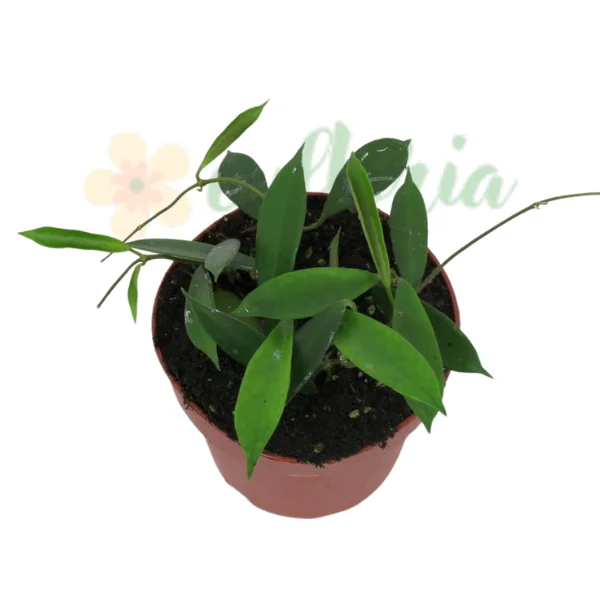
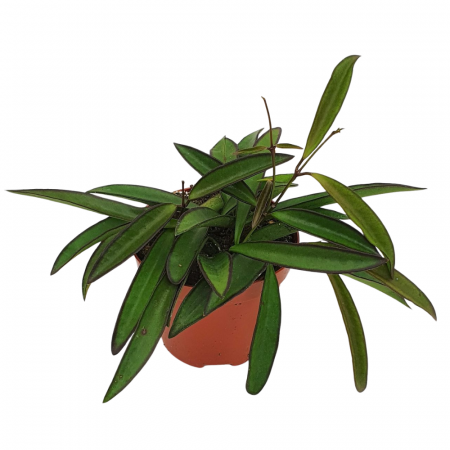
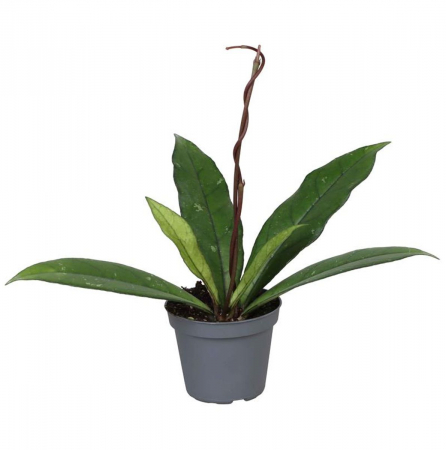
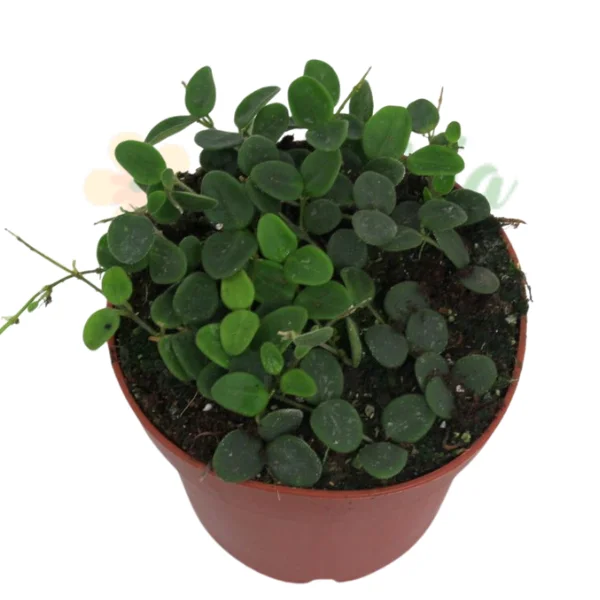
![Hoya soligamiana with elliptical green slightly pubescent leaves, rare Philippine species [0]](https://gomagcdn.ro/domains2/eufloria.ro/files/product/medium/544220.webp "Hoya soligamiana with elliptical green slightly pubescent leaves, rare Philippine species [0]")
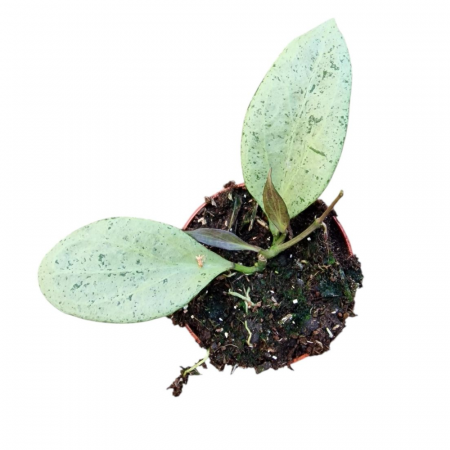
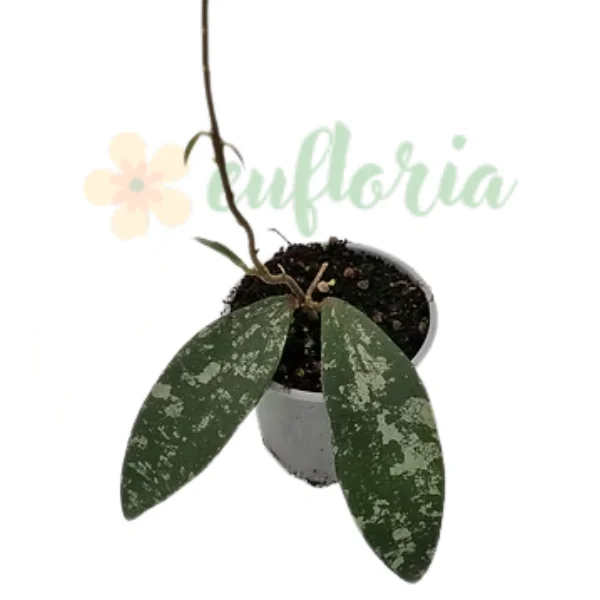
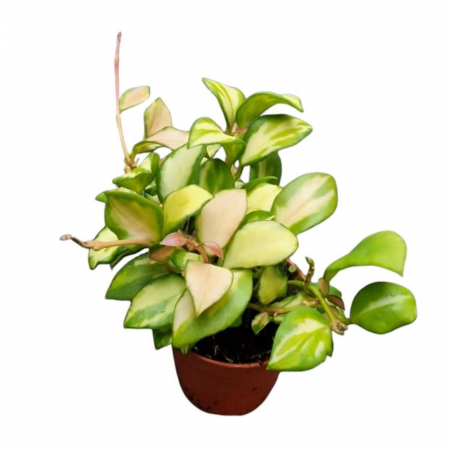
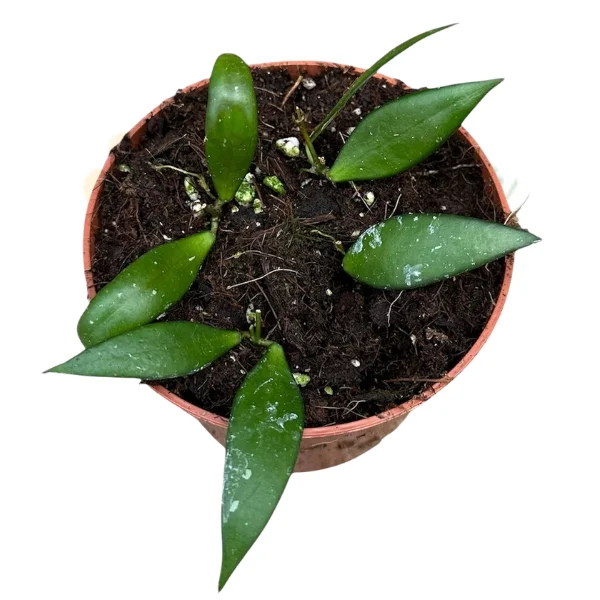
![Hoya soligamiana with elliptical green slightly pubescent leaves, rare Philippine species [1]](https://gomagcdn.ro/domains2/eufloria.ro/files/product/medium/562645.webp "Hoya soligamiana with elliptical green slightly pubescent leaves, rare Philippine species [1]")
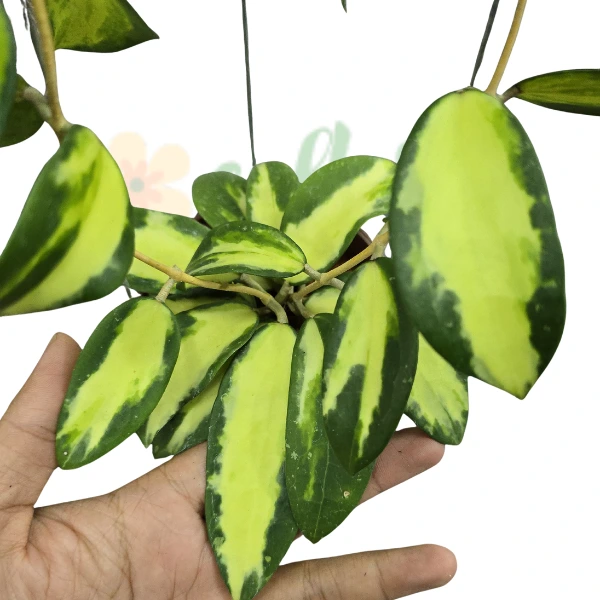
![Hoya soligamiana with elliptical green slightly pubescent leaves, rare Philippine species [1]](https://gomagcdn.ro/domains2/eufloria.ro/files/product/original/544220.webp "Hoya soligamiana with elliptical green slightly pubescent leaves, rare Philippine species [1]")
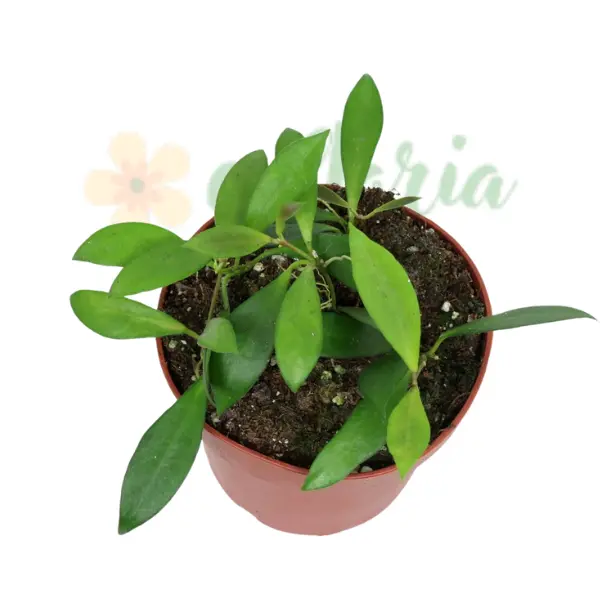
![Hoya soligamiana with elliptical green slightly pubescent leaves, rare Philippine species [2]](https://gomagcdn.ro/domains2/eufloria.ro/files/product/original/562645.webp "Hoya soligamiana with elliptical green slightly pubescent leaves, rare Philippine species [2]")
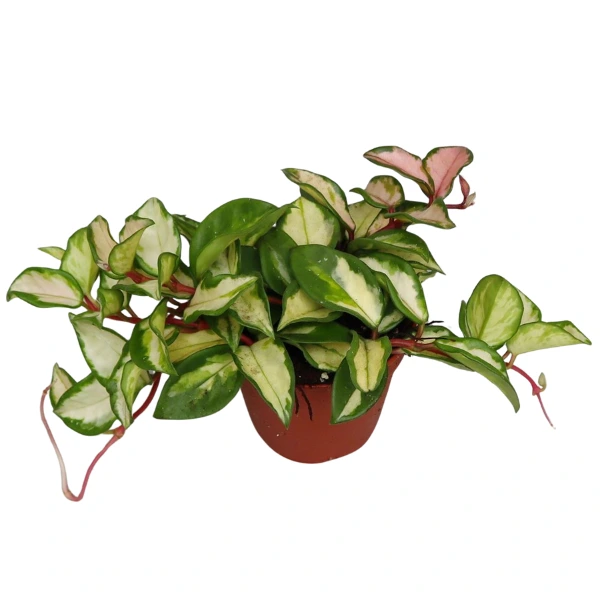
Hoya soligamiana is a rare Hoya species endemic to the Philippines, with slightly pubescent elliptical leaves and delicate flowers in pink-white shades with a red central corona. Described scientifically in 2008, it is a true collector's plant. Pet-safe.
Approx height (including pot): 15 cm
Flowering state: No flowers
- Description
- Characteristics
- Reviews (0)
- FAQ
🌿 Hoya soligamiana — Rare Philippine Hoya with Fuzzy Leaves and Delicate Flowers
Hoya soligamiana is a rare and relatively recently described Hoya species, native to the Philippine islands, that has rapidly captured the hearts of modern collectors through its unique combination of slightly pubescent leaves (covered with fine velvety hairs) and delicate flowers in pale pink-white shades with reddish central coronas. Discovered and scientifically described only in 2008, this species represents a relatively new addition to the horticultural world, but has quickly become one of the most sought-after rare Hoyas for exotic plant collections.
Hoya soligamiana belongs to the special group of endemic Philippine Hoyas, with distinct morphological traits that clearly differentiate it from its more well-known tropical cousins such as Hoya carnosa or Hoya kerrii. Its leaves have a slightly velvety texture due to microscopic hairs covering the surface, and under direct light they sometimes develop small silver spots that shimmer subtly. It is a trailing plant that grows compactly and neatly, perfectly suited for collectors looking for rare species with distinct personality but which do not require complicated care.
The leaves have an elliptical to ovate shape, measuring between 4 and 7 centimetres in length and 2–3.5 centimetres in width. The leaf surface is medium to deep green, with a slightly velvety texture due to the fine layer of hairs covering the epidermis. Some specimens develop silvery or whitish spots on the leaves, a variable trait that adds visual charm. The leaf margins are slightly curled, and the tip is tapered. The leaves are thick and semi-succulent, capable of retaining water for dry periods — a typical adaptation of epiphytic species from Philippine tropical forests.
Flowering in Hoya soligamiana is delicate and moving. Flowers form in small umbels of 8–15 flowers, each flower measuring approximately 0.8–1.2 centimetres in diameter. The outer petals are cream white to pale pink, covered with fine hairs that give them a velvety appearance, and the central corona is an intense wine-red that contrasts spectacularly with the light background. The fragrance is discreet, sweet, reminiscent of jasmine flowers, stronger in the evening and at night. A mature plant can bloom several times a year under optimal conditions, offering the collector the reward of a rare botanical spectacle.
🌍 Origin and Botanical History
The species Hoya soligamiana is native to the Philippine islands, an archipelago renowned for its exceptional biodiversity and for the large number of endemic Hoya species. Its natural range is mainly concentrated on the island of Luzon, in the mountainous regions of the northern part of the country, where it grows as an epiphytic plant on tree trunks in humid mid-altitude forests. The Philippines host over 90 Hoya species, many of which are endemic, making this archipelago one of the most important centres of diversity for the Hoya genus in the entire world.
The species was scientifically described relatively recently, in 2008, making it one of the newer additions to the Hoya family. The official description was published by Philippine botanists who explored remote habitats in Luzon and documented this plant as a distinct species through its unique morphological characteristics — particularly the pubescent texture of the leaves and the specific structure of the flowers. The name "soligamiana" honours a local botanist who contributed to research on Philippine flora.
The genus Hoya was named in honour of English botanist Thomas Hoy (1750–1822), gardener to the Duke of Northumberland, who cultivated numerous tropical plants imported to Europe at the end of the 18th century. The genus today contains over 500 described species, of which Hoya soligamiana is one of the most recently added. It belongs to the Apocynaceae family, the same that includes oleander, frangipani, and Stephanotis floribunda.
In European cultivation, Hoya soligamiana has appeared only in the last decade, spread through exchanges between passionate collectors and controlled vegetative propagation. Its rarity in cultivation gives it a special status among Hoya collectors, many of whom consider it a "grail plant" due to the combination of rarity, beauty, and Philippine island origin. Each specimen in cultivation originates from vegetative propagation of a few original mother plants, which makes both price and availability limited.
🌱 Foliage and Visual Characteristics
What makes Hoya soligamiana truly special is the unique combination of its pubescent leaf texture and chromatic variability. The leaves measure 4–7 centimetres in length and 2–3.5 centimetres in width, with a slightly asymmetric elliptical shape. The leaf surface is covered with a fine layer of microscopic hairs that give it a slightly velvety texture — a feature botanically called "pubescence" and found in only a few species of the Hoya genus. This pubescence is more pronounced on young leaves and gradually fades as the leaves age.
The dominant leaf colour is a medium to deep green, uniform and intense. Under bright indirect light conditions, some specimens develop small silvery or whitish spots on the leaf surface, a subtle variegation that adds visual charm. These spots are the result of microscopic air cavities between the leaf cell layers and are a variable trait — some specimens have them pronounced, others almost none. The intensity of the spots depends on the plant's genetics and the intensity of the light it receives.
The stems are thin but sturdy, greenish-brown in colour, and grow trailing or climbing depending on the support. Stem length can reach 60–120 centimetres in cultivation, with nodes appearing at intervals of 3–5 centimetres, each producing a pair of opposite leaves. In mature nodes, flower peduncles (also called "spurs") develop, which are permanent structures from which the plant will bloom repeatedly in subsequent years. Never cut these peduncles after flowering — they are essential for future flowers.
Hoya soligamiana grows relatively slowly compared to popular species like Hoya carnosa, which means the plant remains compact and decorative for many years without needing frequent pruning. This slow growth is actually an advantage for collectors, as the plant maintains its orderly shape and is easy to manage even in limited spaces. The compact size makes it perfect for small hanging pots, narrow shelves, or large terrariums with high humidity.
✨ Care and Growing Requirements
Hoya soligamiana is a moderately difficult species to care for, ideal for collectors with some experience in cultivating rare Hoyas. It is not a species for absolute beginners, but it also does not require extreme specialised conditions. The key to success is to offer it bright indirect light, constant high humidity, stable warm temperatures, and a very well-draining substrate. With these conditions met, the plant will grow healthy and bloom regularly, rewarding your effort with its unique beauty.
Light is the most critical factor for Hoya soligamiana. The plant requires bright indirect light, ideally 6–8 hours daily. An east-facing window is optimal, and west-facing windows work well with protection from direct afternoon sun. South-facing windows absolutely require filtering (sheer curtain or placement a few metres from the glass). Under insufficient light, the leaves lose their colour intensity and the plant will never bloom. Adequate light stimulates the development of the characteristic silver spots and makes the leaves appear almost luminous.
- Light: Bright indirect, 6–8 hours daily. East ideal, west with filter, south mandatory filtering. No intense direct sun.
- Watering: Moderate to sparse. Let the top 3–4 cm of substrate dry completely between waterings. Every 5–7 days in summer, 10–14 days in winter. Do not overwater — root rot is the main risk.
- Temperature: 20–28°C during the growing season, minimum 16°C in winter. Does not tolerate cold below 15°C nor cold air drafts.
- Humidity: High (60–75%). If room air is dry, use a humidifier or a pebble tray with water. Occasional misting helps, but avoid excessive misting.
- Substrate: Very well-draining, airy, and slightly acidic. Epiphytic orchid mix combined with perlite, fine bark, and coconut fibres. Avoid compact substrates that retain too much water.
- Fertilising: Monthly during the growing season (April–September) with liquid fertiliser for flowering plants diluted to half strength. Do not fertilise in winter and do not over-fertilise — Hoyas are sensitive to nutrient excess.
- Propagation: Through stem cuttings with 2–3 nodes. Roots appear in 6–10 weeks in moist sphagnum moss or in filtered water. Success rate is lower than other Hoyas, so patience is required.
To encourage flowering, provide the plant with sufficient bright light and do not move the pot after flower buds appear — Hoya soligamiana is sensitive to sudden light changes and may drop its buds if moved. In the cold season, reduce watering but maintain high air humidity. Do not repot too often — Hoyas prefer to be slightly root-bound, which stimulates flowering.
⭐ Why Choose Hoya soligamiana
Hoya soligamiana is the ideal choice for advanced collectors of rare plants looking for a truly distinctive species with a fascinating botanical story. The combination of pubescent leaves, delicate flowers with red coronas, and its status as a recently described rare species makes this plant a precious addition to any serious Hoya collection. It is a plant that starts conversations and draws admiration from any other plant enthusiast who sees it.
An important advantage is that all Hoya species, including soligamiana, are considered non-toxic to pets according to the ASPCA database. This makes it a safe choice for homes with cats, dogs, or curious small children. You can place it anywhere without worrying that it will be dangerous to your four-legged family members — a significant advantage over many other exotic ornamental plants that can be toxic.
Its rarity in cultivation also gives it high collector value — you will not find it in ordinary garden centres, and the price reflects the specialised work needed for its propagation. The compact size and slow growth make it ideal for apartments and offices where space is limited, and its trailing form makes it a perfect subject for hanging pots or high shelves.
From Eufloria, you receive a healthy, well-rooted specimen, carefully selected for its decorative qualities and for the well-developed leaf textures. Each plant is inspected before delivery and carefully packaged to arrive at your door in perfect condition. With a little patience and adequate conditions, Hoya soligamiana will reward your effort with years of unique beauty and the delicate spectacle of its rare flowers that will make you appreciate more the richness of Philippine flora.
Lungime: 15 cm
Greutate (kg): 0.25 Kg
Denumire: Hoya
Diametru: 9 cm
Cerințe lumină: Partial umbra
Tip plantă: Decorative
Utilizare: Interior
Tip suport: Ghiveci
Material Suport: Plastic
How do I care for Hoya soligamiana?
Hoya soligamiana prefers bright indirect light, moderate watering (let the soil dry out between waterings) and an airy, well-draining substrate. Ideal temperatures range from 18–28°C, and high humidity (60–80%) promotes growth.
What makes Hoya soligamiana special?
Hoya soligamiana is a rare and sought-after species native to the Philippines. It is valued for its large, thick, and glossy leaves that give the plant an impressive tropical appearance.
When does Hoya soligamiana bloom?
Hoya soligamiana can bloom during the warm season, producing clusters of waxy, fragrant flowers. Provide sufficient light and do not move the plant while flower buds are forming for the best results.
Is Hoya soligamiana toxic to pets?
Hoya species are considered non-toxic to cats and dogs. However, ingesting leaves may cause mild digestive discomfort. It is advisable to keep the plant away from curious pets.
How can I propagate Hoya soligamiana?
Propagation is done through stem cuttings with at least one node. Place the cuttings in moist sphagnum moss or perlite and maintain high humidity. Roots appear in 3–5 weeks.
Ai nevoie și de un ghiveci decorativ?