EN/
EN/ Romana
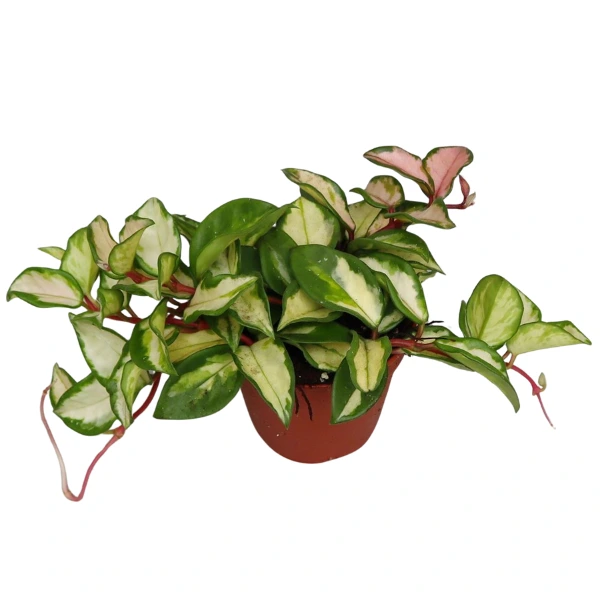
Hoya gracilis (memoria) D12cm
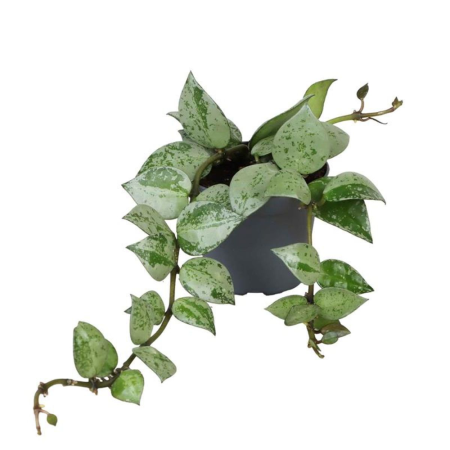
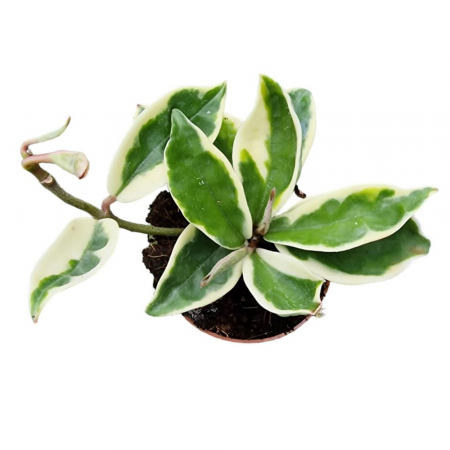
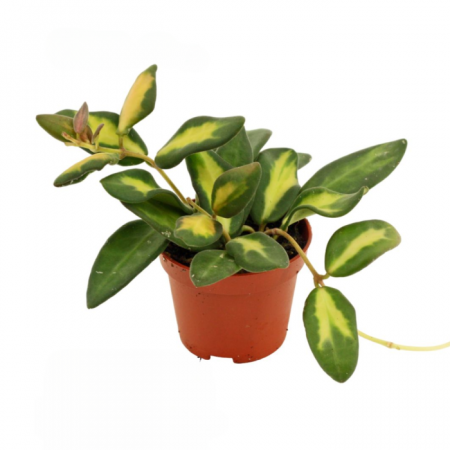
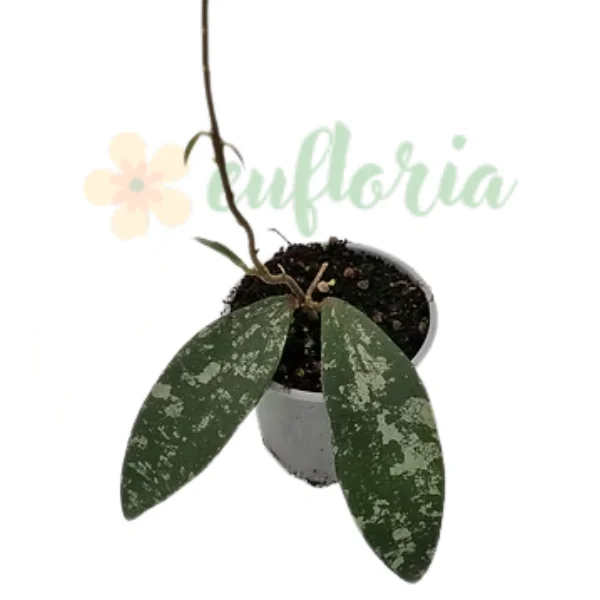
![Hoya gracilis — small elliptical green leaves with copper-pink accents, Eufloria [0]](https://gomagcdn.ro/domains2/eufloria.ro/files/product/medium/planta-naturala-de-interior-hoya-gracilis-memoria-688822.png "Hoya gracilis — small elliptical green leaves with copper-pink accents, Eufloria [0]")
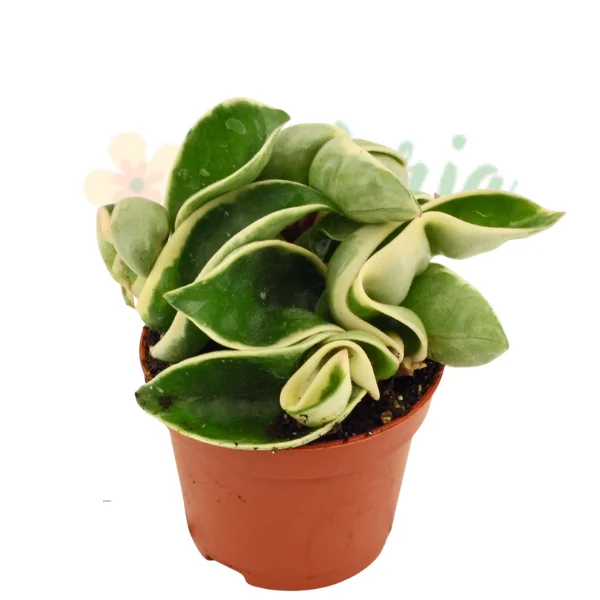
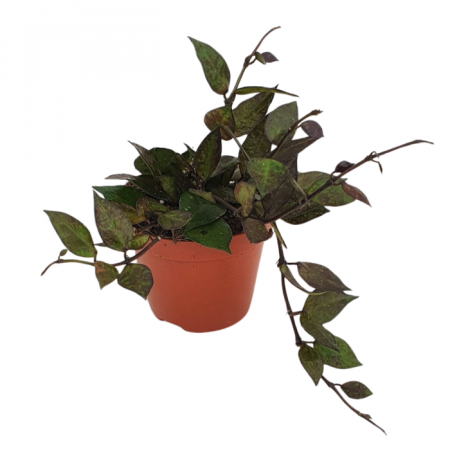
![Hoya gracilis — small elliptical green leaves with copper-pink accents, Eufloria [1]](https://gomagcdn.ro/domains2/eufloria.ro/files/product/medium/planta-naturala-de-interior-hoya-gracilis-memoria-640388.png "Hoya gracilis — small elliptical green leaves with copper-pink accents, Eufloria [1]")
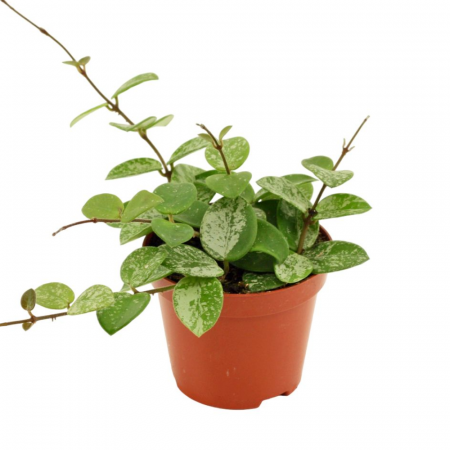
![Hoya gracilis — small elliptical green leaves with copper-pink accents, Eufloria [2]](https://gomagcdn.ro/domains2/eufloria.ro/files/product/medium/hoya-gracilis-memoria-d6cm-143007.png "Hoya gracilis — small elliptical green leaves with copper-pink accents, Eufloria [2]")
![Hoya gracilis — small elliptical green leaves with copper-pink accents, Eufloria [1]](https://gomagcdn.ro/domains2/eufloria.ro/files/product/original/planta-naturala-de-interior-hoya-gracilis-memoria-688822.png "Hoya gracilis — small elliptical green leaves with copper-pink accents, Eufloria [1]")
![Hoya gracilis — small elliptical green leaves with copper-pink accents, Eufloria [2]](https://gomagcdn.ro/domains2/eufloria.ro/files/product/original/planta-naturala-de-interior-hoya-gracilis-memoria-640388.png "Hoya gracilis — small elliptical green leaves with copper-pink accents, Eufloria [2]")
![Hoya gracilis — small elliptical green leaves with copper-pink accents, Eufloria [3]](https://gomagcdn.ro/domains2/eufloria.ro/files/product/original/hoya-gracilis-memoria-d6cm-143007.png "Hoya gracilis — small elliptical green leaves with copper-pink accents, Eufloria [3]")
Elegant Philippine hoya with small lanceolate dark green leaves and star-shaped pink-purple flowers in compact umbels. Fast growth and profuse bloom at maturity. Suitable for beginners and collectors.
Approx height (including pot): 10 cm
Flowering state: No flowers
- Description
- Characteristics
- Reviews (0)
- FAQ
Characteristics of Hoya gracilis
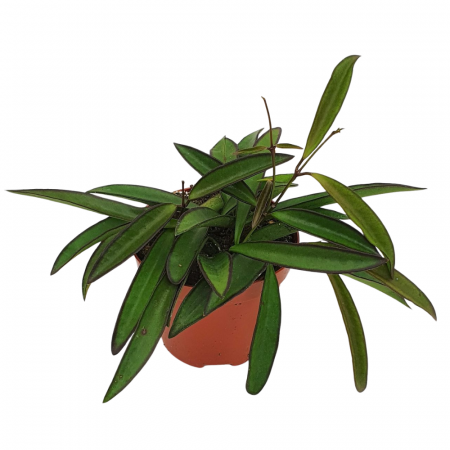
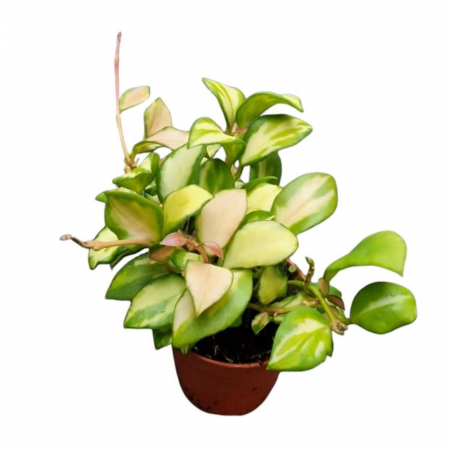
Hoya gracilis, also known under the synonym Hoya memoria, is a Philippine hoya species prized for the grace of its slender forms and the elegance of its blooms. It is a climbing or trailing plant with flexible stems that gradually elongate up to 1-2 metres in cultivation, bearing small, lanceolate leaves of glossy dark green that sometimes acquire burgundy tones under strong light. It is a relatively fast-growing hoya compared to other collector species and blooms profusely once it reaches maturity.
The plant is valued both for its distinctive foliage — slim, pointed and elegant — and for its star-shaped flowers, grouped in small umbels of intense pink-purple with contrasting white centres. It is a hoya suitable for both beginning and advanced collectors, due to its relative ease in cultivation and greater tolerance of atmospheric dryness compared to many other Philippine mountain species. Vegetative maturity and flowering can be reached 1-2 years from purchase.
Origin of Hoya gracilis
Hoya gracilis is native to the Philippines, where it grows on tree trunks in humid tropical forests at low and medium altitudes, mainly on the islands of Luzon and Mindanao. The plant was scientifically described in the nineteenth century, being one of the classic species of the Hoya genus. The natural habitat includes primary and secondary mountain forests, often near streams or in areas with high atmospheric humidity, at altitudes of 300-1200 metres.
The synonym name 'memoria' emerged for plants long cultivated in Asian horticulture, particularly in the Philippines and Thailand, where the variant was initially considered a separate species before taxonomic revision confirmed their identity. Hoya gracilis typically reaches European trade through Thai or Indonesian intermediaries who cultivate stabilised clones from original Philippine populations. Plants offered by Eufloria come exclusively from legal vegetative propagation.
Foliage of Hoya gracilis
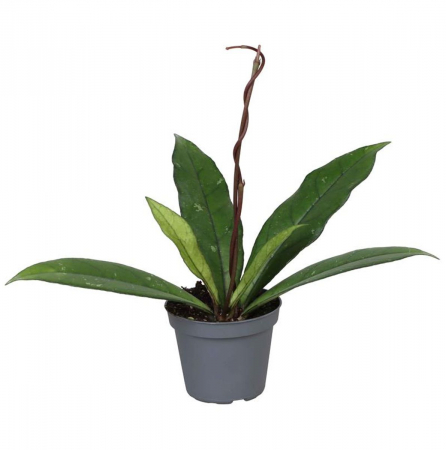
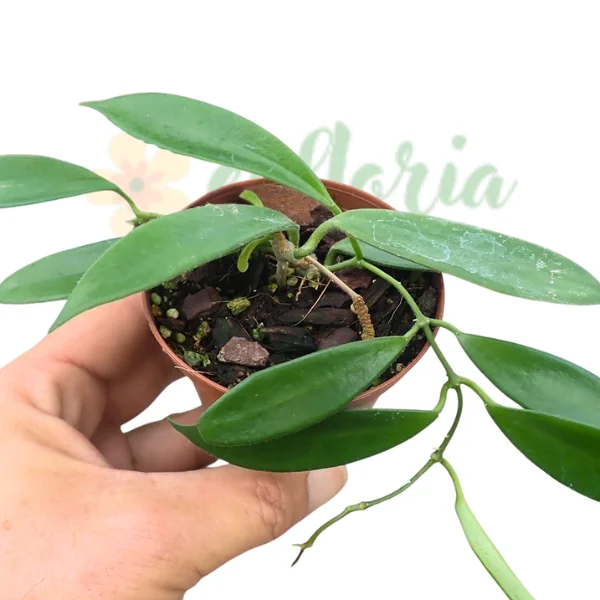
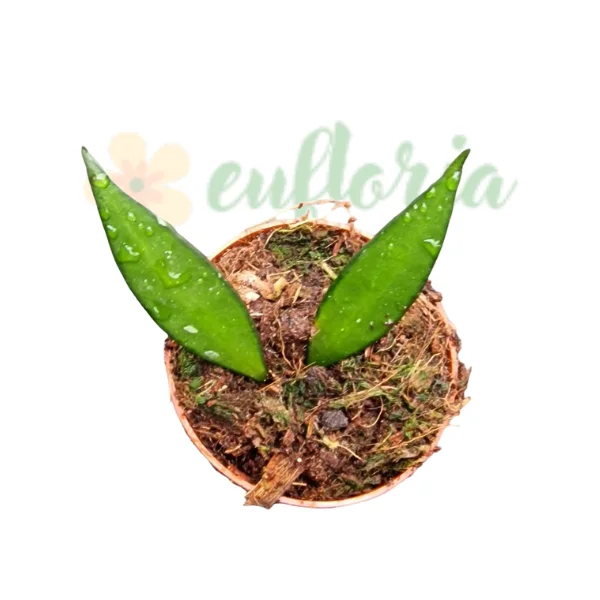
The leaves of Hoya gracilis are characteristic and easily recognisable — they have a narrow lanceolate shape, with lengths of 5-8 cm and widths of only 1-2 cm, with a pointed tip and narrow base that continues directly into the short petiole. The colour is a medium to dark glossy green, with a slightly lighter central vein. Exposed to strong light, the plant can develop reddish-burgundy tones on the edges, a phenomenon called 'sun stress' appreciated by collectors.
The leaf texture is smooth, without hairiness, with a waxy appearance typical of many hoyas. Thickness is reduced compared to succulent hoyas such as obovata or carnosa types, reflecting adaptation to the higher humidity of the natural habitat. Young leaves emerge with a lighter shade, gradually maturing to the characteristic green over 2-3 months. Plant foliage density is moderate, with leaves spaced 3-5 cm on the stem.
Flowers of Hoya gracilis
The flowers of Hoya gracilis are a pleasant surprise for growers — in compact umbels of 5-10 flowers, each flower measuring approximately 0.5-0.8 cm in diameter, with a white inner star and saturated pink-violet outer petals. The fragrance is sweet-vanilla, stronger in the evening, typical of pollination by moths and night butterflies in the natural habitat. Flowers last 5-7 days, being replaced by others in new umbels that appear on the same peduncle.
The inflorescences appear on short peduncles that can rebloom multiple times, so peduncles should never be removed. Flowering occurs at plant maturity, 2-3 years from germination or 1-2 years from cuttings, and repeats once or twice a year under good conditions, typically in spring-summer. The plant prefers mild stress (short periods of dryness) to stimulate floral initiation, a trick known to experienced hoya collectors.
Growth pattern of Hoya gracilis
Hoya gracilis thrives in bright indirect light or sun filtered through sheer lace, such as an east or south-east facing window. It tolerates lower light than many hoyas, but flowering will be reduced. Preferred temperatures range between 18 and 28°C throughout the year, and ideal atmospheric humidity is 60-75 per cent, although the plant tolerates 50 per cent without major issues. Protect from cold drafts and temperatures below 12°C.
The ideal substrate is highly aerated and well-drained — a mix of fine pine bark, perlite, sphagnum moss and a little activated charcoal, simulating the epiphytic conditions of the natural habitat. Watering is done thoroughly, letting the substrate dry almost completely between waterings (the plant prefers dryness between waterings for flowering stimulation). Fertilisation is applied diluted, once every 2-3 weeks during the growing season, with balanced fertiliser or hoya-specific. Propagation is easy through stem cuttings with 2-3 nodes, rooting done in moist sphagnum moss or in water within 2-4 weeks.
Lungime: 10 cm
Greutate (kg): 0.1 Kg
Denumire: Hoya
Cerințe lumină: Partial umbra
Tip plantă: Decorative
Utilizare: Interior
Tip suport: Ghiveci
Material Suport: Plastic
What substrate is suitable for Hoya gracilis?
As an epiphytic plant, Hoya gracilis requires very well-draining substrate: pine bark (40%), perlite (30%), coco peat (20%), and horticultural charcoal (10%). The pot must have excellent drainage. Avoid heavy soils or those that retain excessive moisture.
What are the silver spots on Hoya gracilis leaves?
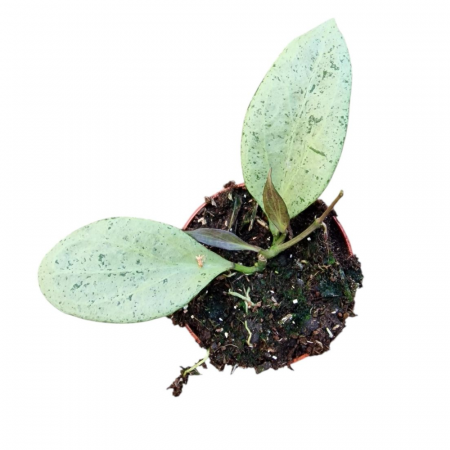
The silver spots on Hoya gracilis leaves are a natural genetic trait called "splash." These are reflective pigment deposits randomly distributed on the leaf surface. They are not signs of disease or pests. Bright indirect light can enhance the visibility of silver flecks.
Are Hoya gracilis and Hoya memoria the same plant?
Yes, both names refer to the same species. Hoya gracilis is the officially accepted taxonomic name, and Hoya memoria is the synonym used in older horticultural literature and still appears in some collections and catalogs.
Why is it called 'gracilis'?
The name 'gracilis' comes from Latin and means 'slender' or 'graceful', referring to the delicate silhouette of the plant — thin stems, small leaves and elegant vining form.
How to water correctly?
Moderate. Allow substrate to dry almost completely between waterings. Every 7-10 days in summer, every 2-3 weeks in winter. Hoyas tolerate drought better than overwatering.
Is Hoya gracilis toxic?
Hoyas are considered non-toxic or only mildly irritating. The milky sap may cause mild skin irritation. They are not on the ASPCA list of toxic plants for pets.
How to make a cutting?
Cut a stem portion with 2-3 nodes, remove lower leaves and root in water or moist hoya substrate (bark + perlite + sphagnum). Roots appear in 3-6 weeks. Spring-summer are the ideal periods.
Ai nevoie și de un ghiveci decorativ?