
 EN/
EN/ Romana
Hoya burtoniae 'Variegata' D6
![Hoya Burtoniae Variegata in pot - variegated velvety leaves [0]](https://gomagcdn.ro/domains2/eufloria.ro/files/product/medium/hoya-burtoniae-variegata-520561.png "Hoya Burtoniae Variegata in pot - variegated velvety leaves [0]")
![Hoya Burtoniae Variegata in pot - variegated velvety leaves [1]](https://gomagcdn.ro/domains2/eufloria.ro/files/product/medium/hoya-burtoniae-variegata-383514.png "Hoya Burtoniae Variegata in pot - variegated velvety leaves [1]")
![Hoya Burtoniae Variegata in pot - variegated velvety leaves [2]](https://gomagcdn.ro/domains2/eufloria.ro/files/product/medium/hoya-burtoniae-variegata-484256.png "Hoya Burtoniae Variegata in pot - variegated velvety leaves [2]")
![Hoya Burtoniae Variegata in pot - variegated velvety leaves [1]](https://gomagcdn.ro/domains2/eufloria.ro/files/product/original/hoya-burtoniae-variegata-520561.png "Hoya Burtoniae Variegata in pot - variegated velvety leaves [1]")
![Hoya Burtoniae Variegata in pot - variegated velvety leaves [2]](https://gomagcdn.ro/domains2/eufloria.ro/files/product/original/hoya-burtoniae-variegata-383514.png "Hoya Burtoniae Variegata in pot - variegated velvety leaves [2]")
![Hoya Burtoniae Variegata in pot - variegated velvety leaves [3]](https://gomagcdn.ro/domains2/eufloria.ro/files/product/original/hoya-burtoniae-variegata-484256.png "Hoya Burtoniae Variegata in pot - variegated velvety leaves [3]")
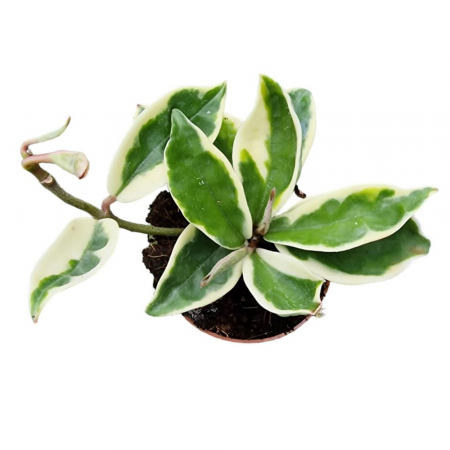
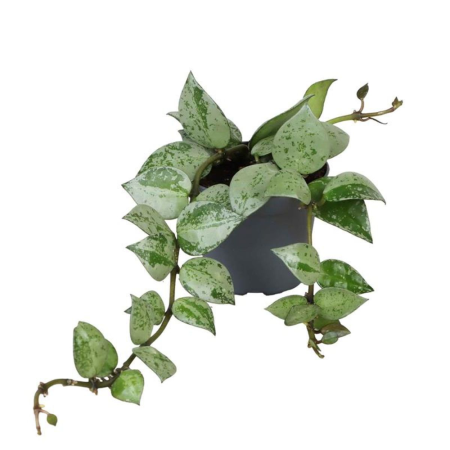
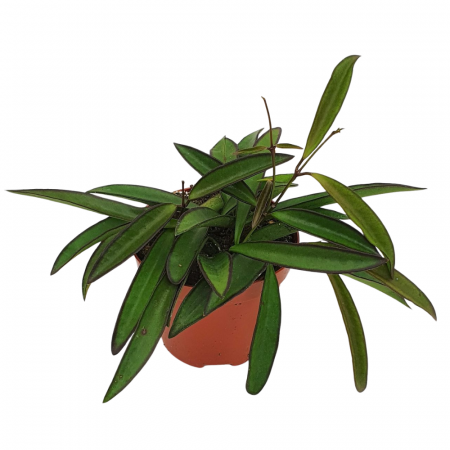
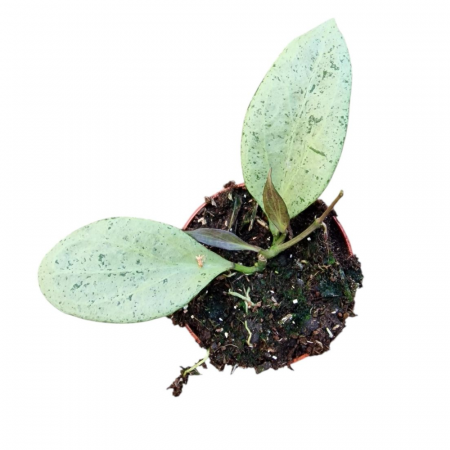
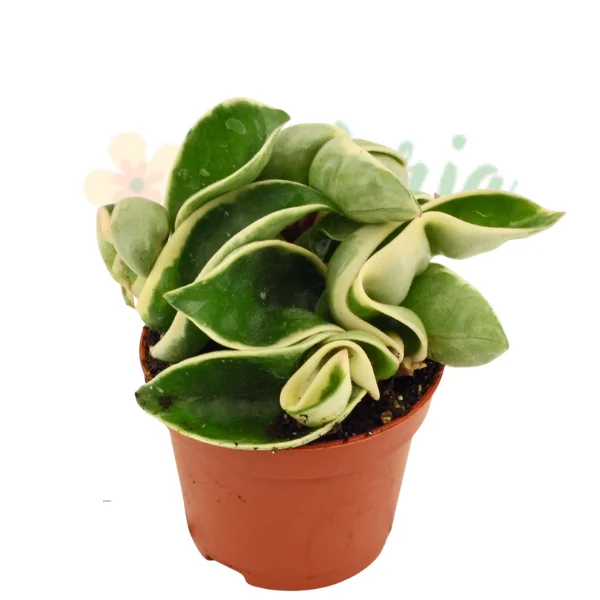
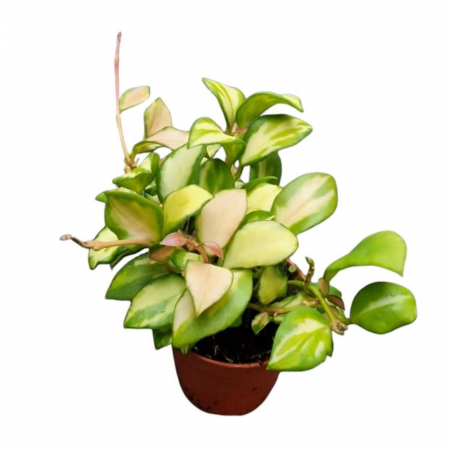
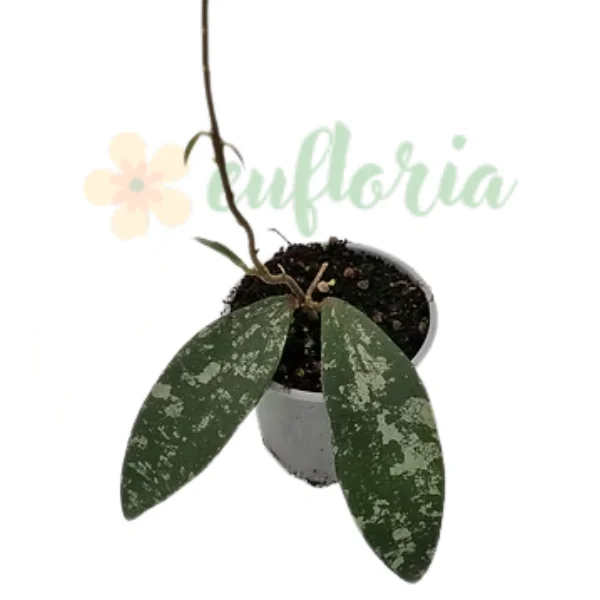
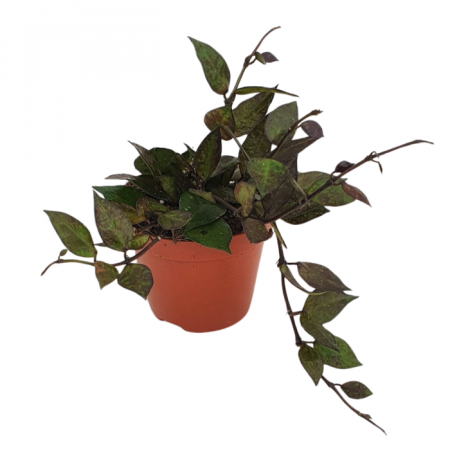
Hoya burtoniae 'Variegata' is a remarkable indoor plant that impresses with its variegation and small but spectacular leaves. Easy to care for and with a distinct appearance, this Hoya is perfect for rare plant enthusiasts who want to add a touch of colour and natural elegance to their home.
Note: Non-toxic
Approx height (including pot): 10 cm
Flowering state: No flowers
Country of origin: Denmark
Pot diameter: 6 cm
- Description
- Characteristics
- Reviews (0)
- FAQ
🌿 Hoya burtoniae 'Variegata' – velvety leaves and pastel variegation in a tropical gem - indoor plant in pot
Hoya burtoniae 'Variegata' is a rare and attractive variety of the Hoya burtoniae species, prized for its succulent leaves that display a beautiful contrast between deep green and creamy white or pale yellow variegation. This plant is highly sought after due to its unique foliage and small, fragrant flowers.
Features and Highlights
- Variegated Leaves: The small, fleshy leaves of Hoya burtoniae 'Variegata' are adorned with variegated patches along the edges, often in shades of cream or light yellow. These succulent, slightly velvety leaves offer a delicate and elegant appearance.
- Fragrant Flowers: This Hoya produces star-shaped flowers in pink or dark red, with a pleasant fragrance. The small flowers appear in compact clusters and add extra beauty to the plant.
- Climbing or Trailing: Hoya burtoniae 'Variegata' can be grown as a climbing or hanging plant, developing long and flexible stems that create a spectacular visual effect.
Why Choose Hoya burtoniae 'Variegata'?
Hoya burtoniae 'Variegata' is ideal for rare plant collectors and variegated foliage enthusiasts. It is an easy-to-maintain plant with a major aesthetic impact, thanks to the spectacular contrast between the variegated leaves and fragrant flowers. It is an excellent choice for bringing a touch of tropical elegance to your home.
Care Instructions
- Light: Prefers bright indirect light to maintain leaf variegation. Direct sun exposure can burn the leaves, especially the variegated ones.
- Watering: Water the plant moderately, allowing the soil to partially dry between waterings. Avoid overwatering, as it can lead to root rot.
- Humidity: Thrives in a medium to high humidity environment. Occasional leaf misting can be beneficial during dry months.
- Soil: Use a well-draining soil, preferably a succulent or cactus mix, to prevent water stagnation.
Lungime: 10 cm
Greutate (kg): 0.15 Kg
Denumire: Hoya
Diametru: 6 cm
Cerințe lumină: Partial umbra
Tip plantă: Decorative
Utilizare: Interior
Tip suport: Ghiveci
Material Suport: Plastic
Is Hoya burtoniae Variegata toxic to cats and dogs?
No, Hoya burtoniae 'Variegata' is considered a non-toxic plant for cats, dogs, and other pets. The Hoya genus is recognized as safe for animals, according to the ASPCA. However, ingesting any plant material can cause mild gastric discomfort, so it is recommended to keep the plant out of reach of pets.
What are the light requirements for Hoya burtoniae Variegata?
Hoya burtoniae 'Variegata' prefers bright indirect light to partial shade. The leaf variegation is best maintained in bright filtered light conditions. Avoid direct sun exposure, which can burn the variegated leaves. A spot near an east or west-facing window is ideal. Insufficient light can reduce variegation and slow growth.
How do you properly water Hoya burtoniae Variegata?
Allow the substrate to dry almost completely between waterings. Hoya burtoniae 'Variegata' has succulent leaves that store water, making it more tolerant of drought than excess moisture. Water thoroughly when the substrate is dry, then let the water drain completely. In winter, reduce watering frequency. Overwatering is the most common cause of losing Hoya plants.
How do I maintain the variegation on Hoya burtoniae Variegata?
The key to maintaining variegation is adequate light. Provide the plant with bright indirect light – too little light will cause the plant to produce more chlorophyll, reducing variegation. Do not over-fertilize, as excess nitrogen can stimulate green growth at the expense of variegated growth. If you notice completely green shoots, you can prune them to preserve the plant's variegated balance.
When does Hoya burtoniae Variegata bloom?
Hoya burtoniae 'Variegata' can bloom after the plant reaches maturity, usually after 2-3 years from planting. The flowers are small, star-shaped, pink or dark red in colour, grouped in compact clusters, and have a pleasant fragrance. To encourage blooming, provide bright indirect light, a winter rest period with reduced watering, and avoid moving the plant frequently. Do not cut old flower stalks, as the plant will bloom again from the same spot.
What substrate is suitable for Hoya burtoniae Variegata?
Hoya burtoniae 'Variegata' needs a well-draining and airy substrate. An ideal mix contains pine bark, perlite, coconut coir, and a small amount of universal potting soil. You can also use an orchid substrate mixed with perlite. Avoid overly compact substrate or one that retains too much moisture, as Hoya is an epiphytic plant that prefers aerated roots.
What humidity does Hoya burtoniae Variegata need?
Hoya burtoniae 'Variegata' thrives in medium to high humidity conditions (50-70%). It also adapts to normal household humidity, but the leaves will look better with higher humidity. You can use a humidifier or place the pot on a tray with wet pebbles. Occasional leaf misting is beneficial, but avoid water accumulating on leaves in the evening to prevent fungal diseases.
How can I propagate Hoya burtoniae Variegata?
Hoya burtoniae 'Variegata' is most easily propagated through stem cuttings. Cut a stem section with 2-3 nodes and at least one pair of leaves. Let the cutting air dry for 1-2 hours, then plant it in moist sphagnum or perlite, or place it in water until roots form. Maintain high humidity and indirect light. Rooting typically takes 4-8 weeks.
What are the most common problems with Hoya burtoniae Variegata?
The most common problems include: yellowing or soft leaves (overwatering), shrivelled leaves or dry tips (air too dry or direct sun exposure), loss of variegation (insufficient light), and slow growth (insufficient fertilization or low temperature). Common pests are mealybugs and spider mites. Check the plant regularly and treat with insecticidal soap at the first signs of infestation.
What temperature does Hoya burtoniae Variegata prefer?
Hoya burtoniae 'Variegata' prefers temperatures between 18-27°C during the day. The minimum tolerated temperature is approximately 12°C – below this value, the plant can suffer damage. Avoid cold drafts and sudden temperature changes. In winter, a rest period at cooler temperatures (15-18°C) can stimulate flowering in the following season. Do not place the plant near radiators or direct heat sources.
Ai nevoie și de un ghiveci decorativ?







