
 EN/
EN/ Romana
Asplenium nidus Ø12cm
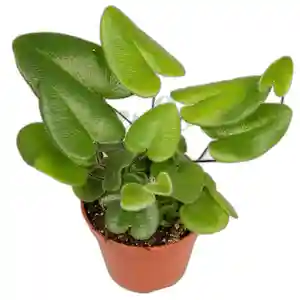
![Asplenium nidus — bird's nest fern with entire (undivided) glossy intense-green lanceolate fronds arranged symmetrically in radial rosette like a natural nest [1]](https://gomagcdn.ro/domains2/eufloria.ro/files/product/original/feriga-asplenium-nidus-854286.png "Asplenium nidus — bird's nest fern with entire (undivided) glossy intense-green lanceolate fronds arranged symmetrically in radial rosette like a natural nest [1]")
Asplenium nidus, the 'bird's nest fern', is a tropical epiphytic fern with ENTIRE (undivided) glossy intense-green fronds, arranged in a symmetrical rosette like a bird's nest. Aspleniaceae family. Native to Southeast Asia and Australasia. A resilient and decorative plant, ideal for beginners and humid bathrooms.
Pot diameter: 12 cm
- Description
- Reviews (0)
- FAQ
🌿 Asplenium nidus — Bird's Nest Fern, Tropical Classic
Asplenium nidus, popularly known as the "bird's nest fern", is one of the most appreciated and accessible tropical indoor ferns. Its distinctive silhouette — a symmetrical rosette of wide, entire fronds arranged like a bird's nest — gives it the characteristic appearance that makes it easily recognizable among other ferns.
Unlike most ferns (with fronds divided into small leaflets), Asplenium nidus has ENTIRE, wide, glossy fronds of rich intense-green. Fronds can reach 40-60 cm length on mature plants, arranged in impressive rosettes that literally imitate a natural bird's nest. The center of the rosette is often covered with maroon-brown hairs protecting the central bud from which new fronds emerge.
At the offered size — Ø12cm pot — the plant is mature, with 5-8 fully developed fronds, evident rosette. Ideal for bathrooms, hanging baskets or as a humid corner plant, where fronds extend elegantly outward.
🌍 Origin and Botanical History
Asplenium nidus is an epiphytic species native to the humid tropical forests of Southeast Asia (India, Thailand, Malaysia, Philippines, Indonesia), Australasia and Madagascar. In its natural habitat, it grows on massive tree trunks, forming impressive "nests" that can weigh tens of kilograms on a single tree.
The Aspleniaceae family comprises approximately 700 fern species. A. nidus was scientifically described in 1753 by Carl Linnaeus. The specific name nidus means "nest" in Latin, referring to the characteristic rosette shape.
🌱 Sculptural Fronds
The fronds are lanceolate-wavy, with dimensions of 40-60 cm length and 10-15 cm width at maturity. Surface is smooth, glossy, rich intense-green, with a prominent central vein of darker color (maroon-brown). Frond edges are slightly wavy, giving the plant a dynamic appearance.
Texture is firm, leathery, making the fronds durable — they don't wilt easily and tolerate dry indoor air better than many other ferns. The rosette center often accumulates organic material (fallen leaves, plant debris), which in nature fertilizes the plant — a natural nutrient collection system.
🌱 Growth Habit and Care
- Light: moderate indirect; tolerates low light too. NO direct sun.
- Temperature: 18-26°C; not below 15°C.
- Watering: regular, substrate constantly slightly moist. Water around the rosette, NOT in its center (standing water in the nest → rot).
- Humidity: 50-70% ideal; tolerates 40%. Perfect for bathrooms.
- Substrate: rich, airy, well-drained — fern mix (peat + perlite + pine bark + coconut fiber).
- Fertilization: every 4-6 weeks, diluted.
- Propagation: by spores (difficult) or by division of large plants.
🌿 Non-toxic
Asplenium nidus is non-toxic for humans and pets. A safe plant in homes with children or curious pets.
🌸 Why 'Bird's Nest Fern'
Asplenium nidus is one of the most accessible and resilient tropical ferns — ideal for beginners. Its distinctive silhouette makes it an immediate focal point in any room, and its resilience to varied light conditions makes it adaptable. Perfect for bathrooms, hanging baskets, tall cabinets or as a corner plant in a plant-loving living room.
🌱 Perfect for Bathrooms
Asplenium nidus is one of the best plants for bathrooms with windows. The high humidity from showering, moderate light and stable temperatures are ideal conditions. Place it on a shelf, cabinet or hanging basket — the glossy fronds fit modern aesthetics, and constant humidity will keep it healthy all winter.
🌱 Common Problems
Rosette center rotten: standing water in the nest. DO NOT water in the center. Water only the substrate.
Brown tips: low humidity or water with chlorine.
Strangely wavy leaves: normal for this species — wavy texture is characteristic.
Slow growth: ferns grow slowly in general. A mature nest takes 4-5 years.
How to water correctly?
CRITICAL: water the SUBSTRATE, NOT the rosette center! Standing water in the 'nest' causes central bud rot and plant death. Pour water around the rosette, keeping substrate constantly slightly moist.
Is it ideal for bathrooms?
YES, perfect. High bathroom humidity (shower steam), moderate filtered light and stable temperature are ideal conditions for Asplenium nidus. Place on a shelf, cabinet or hanging basket.
Why are the fronds wavy?
It's NORMAL for this species. The wavy edges of the fronds are a genetic characteristic of Asplenium nidus — not a sign of disease or stress. Gives the plant its distinctive dynamic appearance.
Is it toxic?
No. Asplenium nidus is non-toxic for humans and pets. A safe plant in homes with cats, dogs or curious children.
Is it suitable for beginners?
Yes, very suitable. Asplenium nidus is one of the most accessible tropical ferns — resilient, adaptable, with moderate requirements. Main rule: water the substrate, not the rosette center.
Ai nevoie și de un ghiveci decorativ?







